

Commentary
Over the past ten years, NATO has held almost as many summits as it did during the entirety of the Cold War. Are they still useful, or is it time to stop holding annual meetings?
Rym Momtaz, ed.
{
  "authors": [],
  "type": "pressRelease",
  "centerAffiliationAll": "dc",
  "centers": [
    "Carnegie Endowment for International Peace"
  ],
  "collections": [],
  "englishNewsletterAll": "menaTransitions",
  "nonEnglishNewsletterAll": "",
  "primaryCenter": "Carnegie Endowment for International Peace",
  "programAffiliation": "MEP",
  "programs": [
    "Middle East"
  ],
  "projects": [],
  "regions": [
    "Middle East",
    "Iran",
    "Türkiye",
    "Egypt",
    "Lebanon",
    "Jordan",
    "Syria",
    "Saudi Arabia"
  ],
  "topics": [
    "Political Reform",
    "Economy"
  ]
}
REQUIRED IMAGE
There have been many attempts by the international community to impose order in the Middle East. The reality is that Arab states must themselves overcome divisive ideologies, prioritize common interests, and develop a cooperative political and security architecture if a new regional order is to come to fruition.
BEIRUT, Lebanon, July 30—There have been many attempts by the international community to impose order in the Middle East. The reality is that Arab states must themselves overcome divisive ideologies, prioritize common interests, and develop a cooperative political and security architecture if a new regional order is to come to fruition, argues Paul Salem, director of the Carnegie Middle East Center in Beirut.
In The Middle East: Evolution of a Broken Regional Order, Salem identifies patterns and trends in the dynamic history between the countries of the Middle East—through the collapse of Ottoman rule, European mandates, and the post-World War II developments in the region—that help to understand how Arab states, as well as Turkey and Iran, have shaped their policies, particularly after 9/11 and the U.S. invasion of Iraq. The paper introduces a series of country-by-country studies that will examine how key players in the Middle East—namely Iran, Turkey, Saudi Arabia, Syria, Jordan, and Egypt—have responded.
Salem offers analysis of:
"The events of the past few years have broken the precarious old Middle East order without replacing it with a new one. And although rival external and regional players have been pushing their own agendas for a new regional order, none of them has prevailed. The competition among these rival visions and forces appears destined to continue in the years ahead. In the meantime, meetings of countries neighboring Iraq have been taking place, first in Egypt, then in Turkey and Kuwait. Participants in addition to Iraq have included Iran, Turkey, and key Arab countries. Discussions have focused on exploring potential common ground on security as well as political and economic issues. These meetings have been encouraged by the United States and the international community; their progress, however, has been slow, as tensions within Iraq and the region continue to make the main players wary of each other."
###

Carnegie does not take institutional positions on public policy issues; the views represented herein are those of the author(s) and do not necessarily reflect the views of Carnegie, its staff, or its trustees.

Over the past ten years, NATO has held almost as many summits as it did during the entirety of the Cold War. Are they still useful, or is it time to stop holding annual meetings?

Rym Momtaz, ed.

As the EU confronts profound challenges, several leaders have called for fundamental reform to the union’s model—but only modest, superficial changes have resulted. What if Europe really could be reimagined from zero today: What should such a redesigned European order look like?

Richard Youngs, ed.
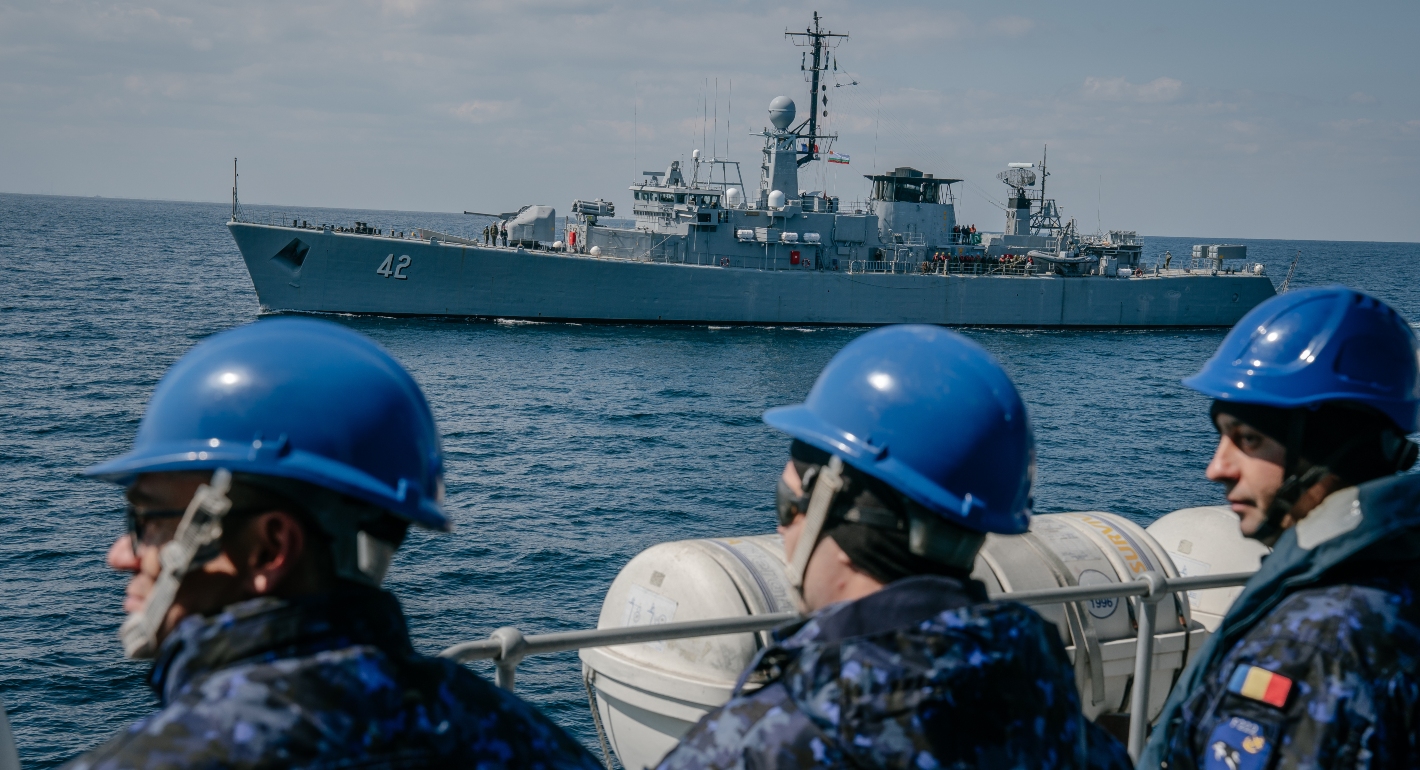
As Russia's war on Ukraine drags on, NATO is expanding its footprint in the Black Sea. Turkey, Romania, and Bulgaria are upgrading their fleets and deepening trilateral cooperation.

Dimitar Bechev
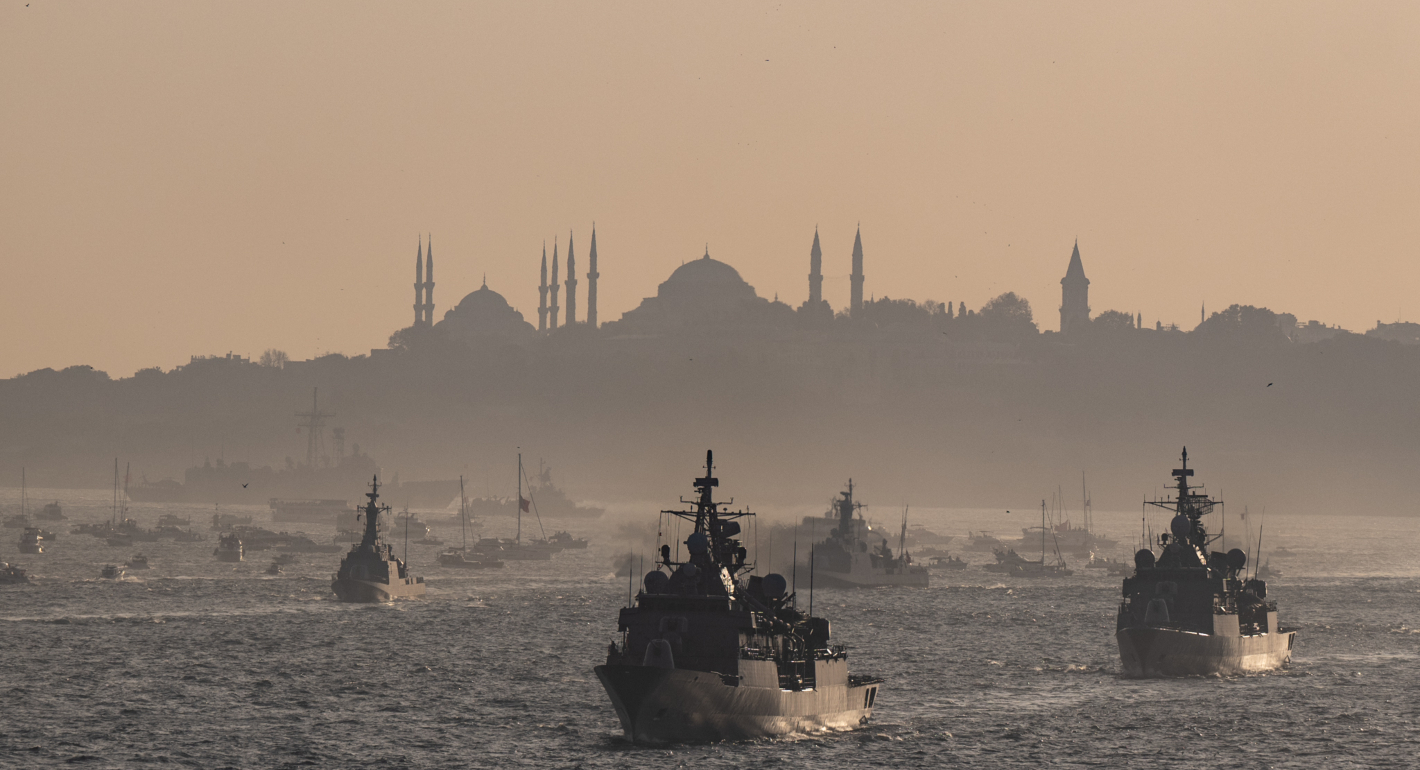
For ninety years, Turkey has been positioned as the principal gatekeeper of Black Sea security. As a result, European and NATO efforts to support Ukraine will require closer engagement with Ankara.

Thomas de Waal
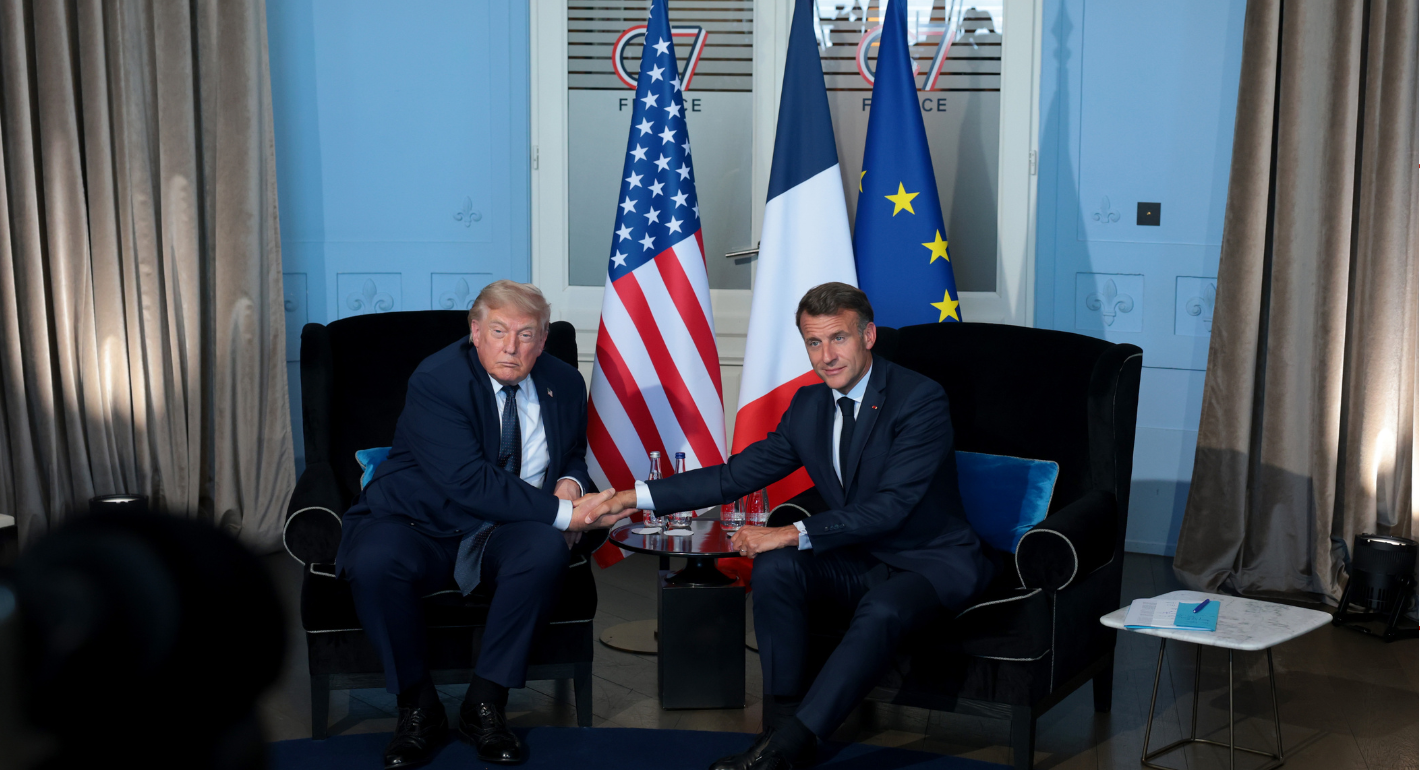
When the U.S.-Iran memorandum of understanding was announced, the UK, France, Germany, and Italy declared their readiness to help demine the Strait of Hormuz and lift nuclear sanctions on Tehran. But does Europe need new tools to recover a diplomatic role?
Rym Momtaz, ed.