

Commentary
In Ukraine, Gaza, and Iran, AI warfare has come to dominate, with barely any oversight or accountability. Europe must lead the charge on the responsible use of new military technologies.
Raluca Csernatoni
{
  "authors": [
    "Michele Dunne",
    "Nathan J. Brown"
  ],
  "type": "legacyinthemedia",
  "centerAffiliationAll": "dc",
  "centers": [
    "Carnegie Endowment for International Peace"
  ],
  "collections": [],
  "englishNewsletterAll": "menaTransitions",
  "nonEnglishNewsletterAll": "",
  "primaryCenter": "Carnegie Endowment for International Peace",
  "programAffiliation": "MEP",
  "programs": [
    "Middle East"
  ],
  "projects": [],
  "regions": [
    "North America",
    "United States",
    "Middle East",
    "Israel",
    "Palestine"
  ],
  "topics": [
    "Foreign Policy"
  ]
}
Source: Getty
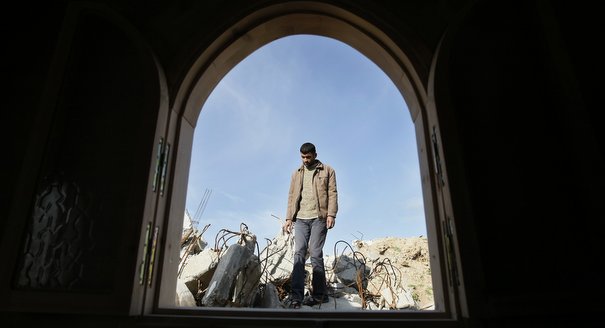
Rebuilding Gaza after the three-week Israeli military assault is a humanitarian necessity, and U.S. Secretary of State Clinton should take the lead at the upcoming international donors’ conference for Gaza to demonstrate U.S. concern for Palestinians.
Source: National Interest Online

But Clinton should not succumb to the illusion, whether in her public statements or private policy deliberations, that one can use economic assistance to solve political problems. Specifically, Clinton should be clear about two issues: economic assistance cannot create prosperity in Gaza -- or the West Bank, for that matter -- under current conditions, and economic assistance cannot reverse the ascendancy of Hamas and deterioration in public support for the Palestinian Authority headed by President Mahmoud Abbas.
Our skepticism about aid without political progress is based on hard experience. This Gaza reconstruction conference is only the latest of more than a dozen such events to mobilize international assistance for Palestinians. Since 1994, taxpayers in the U.S., Europe, and other countries have contributed some $14 billion to various programs in order to demonstrate to Palestinians that their lives will improve under a moderate leadership that cooperates with Israel. Those efforts pay off only when there is political and diplomatic momentum.
When that diplomacy collapses, the fruits of assistance do not merely collapse -- they are targeted. In Gaza, the cycle of construction and destruction is a Sisyphean process: a port, an airport, a power plant, and a set of government buildings have been built with international funds, and then bombed when war broke out, first in 2001 and again last month.
If we now step in again to rebuild without an accompanying political strategy, we may find ourselves doing the exact same thing a year or two down the road. Aid money can mitigate some of the worst effects of the conflict, but it can do no more as long as the conflict continues. Even in the absence of active fighting, there is -- in the words of an International Crisis Group report released in July 2008 -- a "natural ceiling" to any genuine and sustainable economic recovery.
Aid has not even been successful in tilting the balance toward those Palestinians we wish to support. Since the Palestinian Authority was created, the U.S. has viewed aid as a thumb in the scale of Palestinian domestic politics. The U.S. initially used aid to support the late President Yasser Arafat, and then it used aid against him. Since 2007, the U.S. has worked hard to make sure that Abbas and Prime Minister Salam Fayyad in Ramallah have more to show their people than Hamas has to offer the people of Gaza. But Abbas and Fayyad find their legitimacy slipping badly, partly because they are seen as completely dependent on their patrons.
True, economic conditions in the West Bank have improved modestly in the past two years, but the situation is still far worse than it was during the mid-to-late 1990s. Moderate security and economic improvements have changed few minds. Palestinians judge Abbas and Fayyad harshly for their failure to exact concessions from Israel through negotiations.
The West Bank and Gaza are poor areas, but they are not hopeless. In the late 1990s, before the diplomatic process collapsed, real GDP growth was in the range of 5-7 percent per year. But true development is always held hostage to politics and security. It happens only when goods and people can move fairly freely -- within the West Bank and Gaza, between the West Bank and Gaza, and between the Palestinian territories and the rest of the world (especially Israel itself). Without that, the best we can provide is relief between bouts of combat.
Only when Clinton presents all the parties with difficult choices about the behaviors that impede peace -- especially violence against Israeli civilians and construction of settlements -- and encourages the development of genuine democratic institutions that allow Palestinians to settle their differences peacefully, will she have made the first definite stride toward peace and economic prosperity.
And so as Secretary Clinton winds up her work in Egypt, marshalling the resources of weary donors to rebuild Gaza once again, she must recognize that her real effort on Israeli-Palestinian peace has not yet begun.

Former Nonresident Scholar, Middle East Program
Michele Dunne was a nonresident scholar in Carnegie’s Middle East Program, where her research focuses on political and economic change in Arab countries, particularly Egypt, as well as U.S. policy in the Middle East.

Nonresident Senior Fellow, Middle East Program
Nathan J. Brown, a professor of political science and international affairs at George Washington University, is a distinguished scholar and author of nine books on Arab politics and governance, as well as editor of five books.
Carnegie does not take institutional positions on public policy issues; the views represented herein are those of the author(s) and do not necessarily reflect the views of Carnegie, its staff, or its trustees.
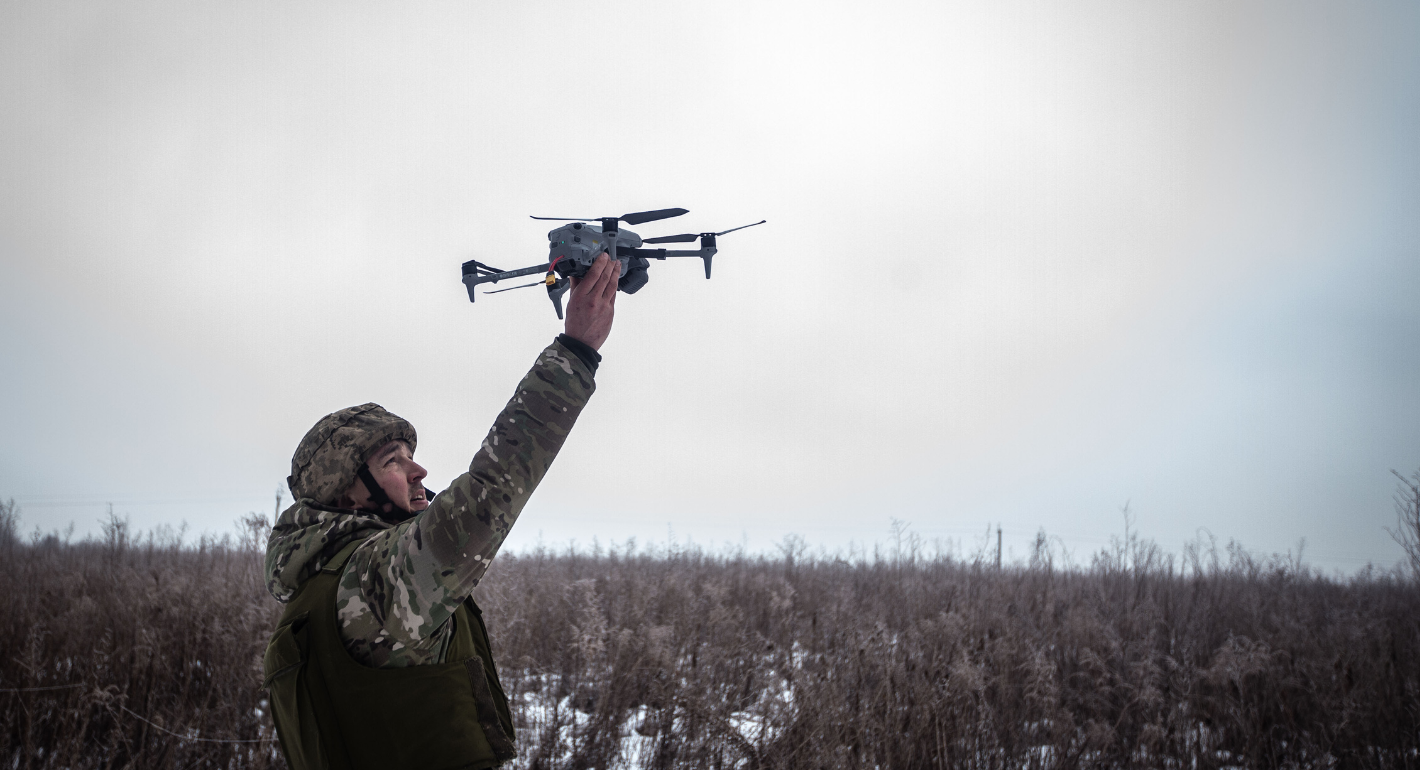
In Ukraine, Gaza, and Iran, AI warfare has come to dominate, with barely any oversight or accountability. Europe must lead the charge on the responsible use of new military technologies.

Raluca Csernatoni
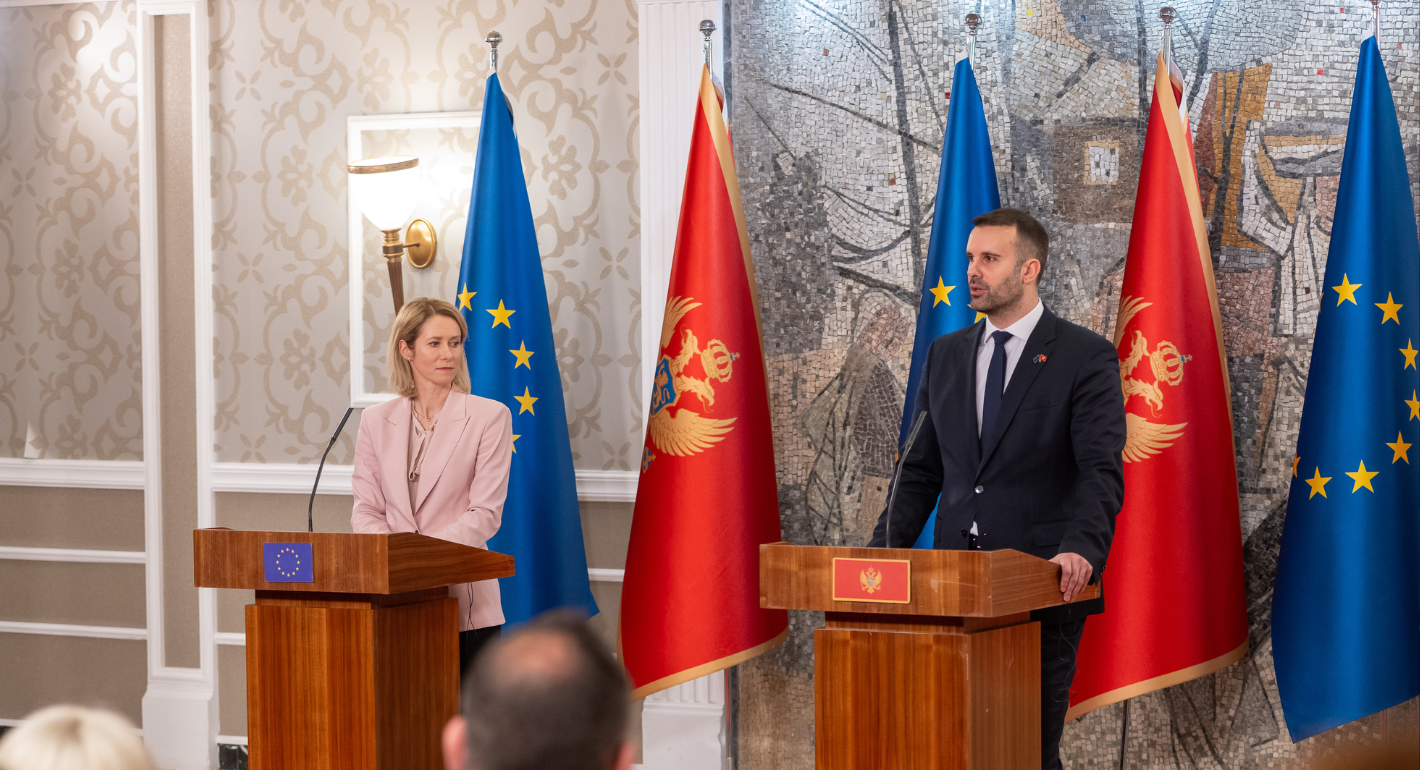
Montenegro and Albania are frontrunners for EU enlargement in the Western Balkans, but they can’t just sit back and wait. To meet their 2030 accession ambitions, they must make a strong positive case.


Dimitar Bechev, Iliriana Gjoni
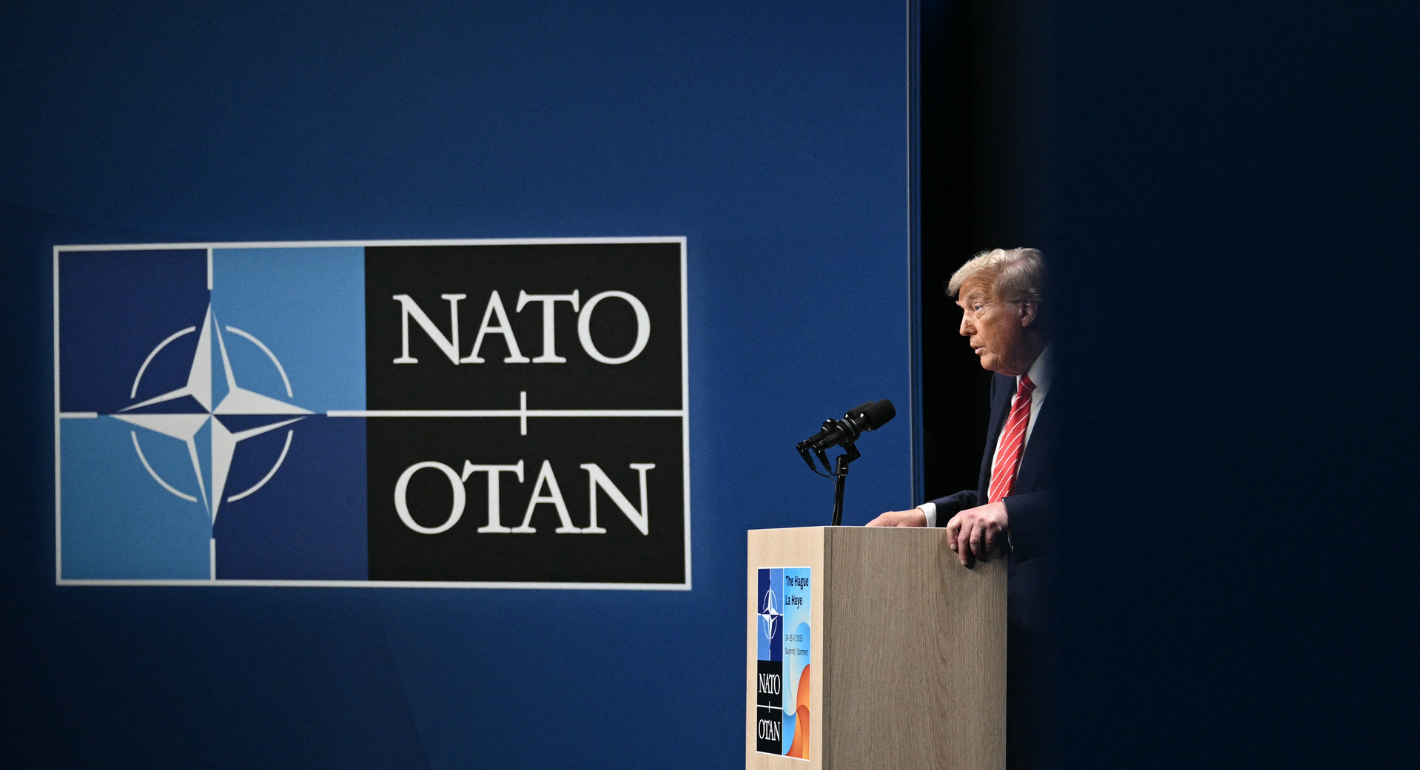
Donald Trump has repeatedly bashed NATO and European allies, threatening to annex Canada and Greenland and deploring their lack of enthusiasm for his war of choice in Iran. Is this latest round of abuse the final straw?

Rym Momtaz, ed.
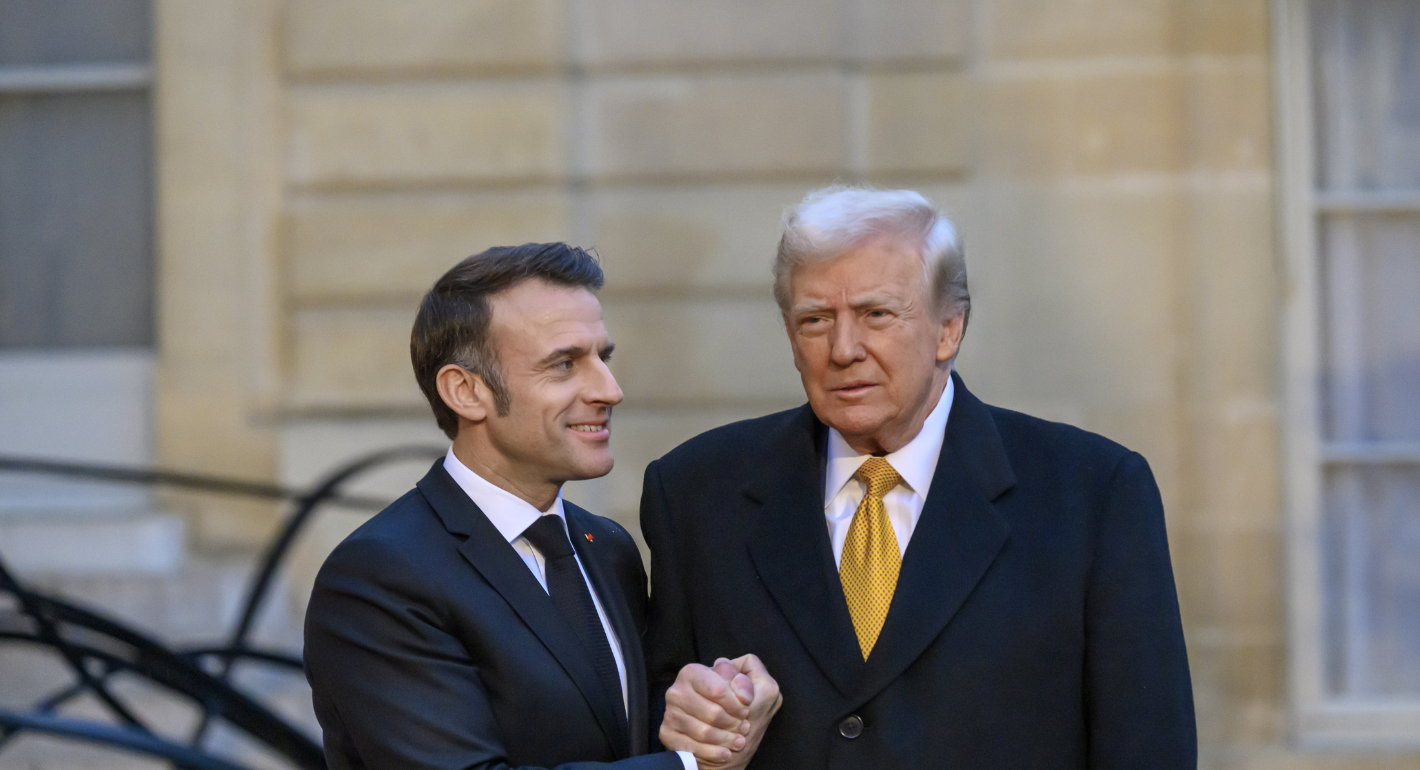
Donald Trump’s repudiation of NATO goes against the Make America Great Again vision of a U.S.-centered foreign policy. If the goal is to preserve the alliance by boosting Europe’s commitments, leaning into France’s vision is the most America First way forward.
Rym Momtaz
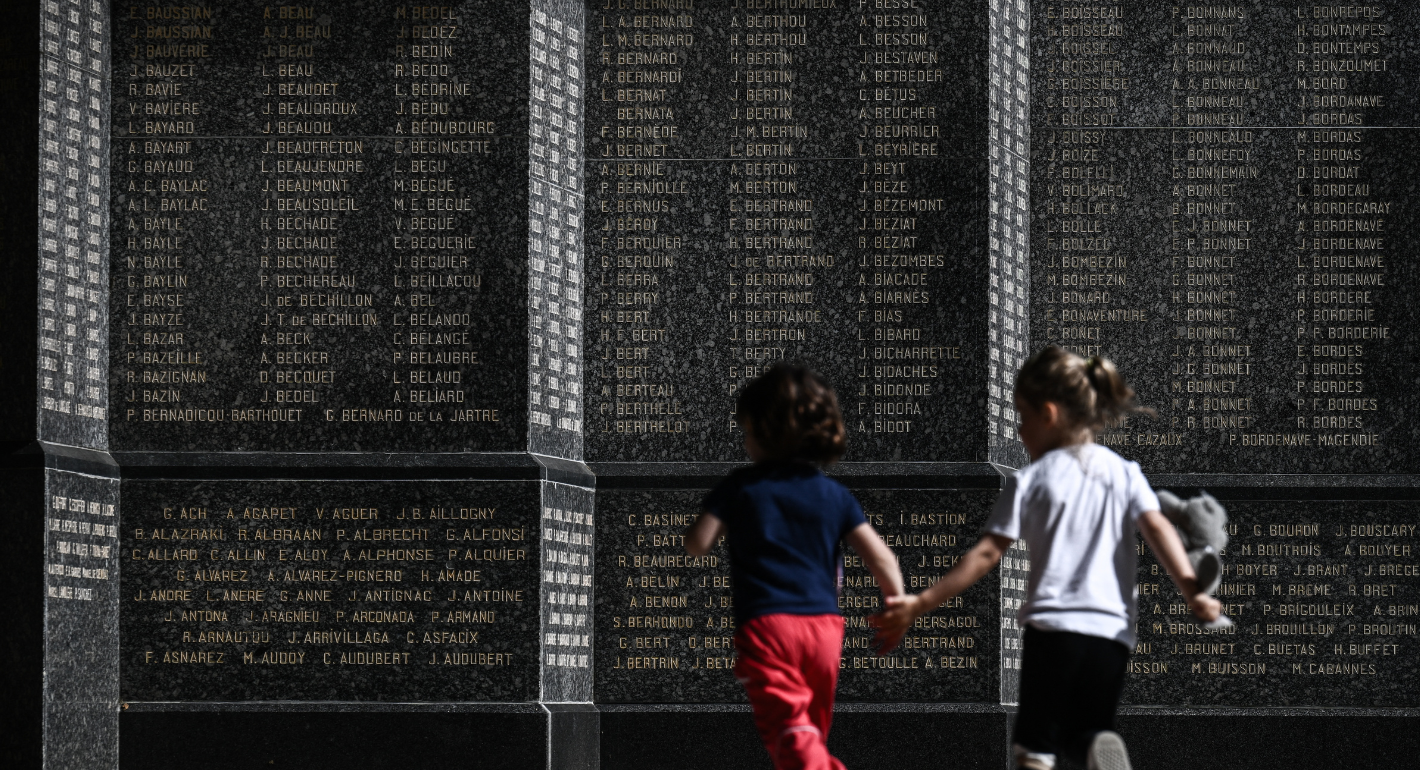
The wars in Ukraine and the Middle East are existential threats to Europe as a peace project. Leaders and citizens alike must reaffirm their solidarity to face up to today’s multifaceted challenges.

Marc Pierini