

Research
- +6
Yasmine Farouk, Nathan J. Brown, Maysaa Shuja Al-Deen, …
{
  "authors": [
    "Michele Dunne"
  ],
  "type": "legacyinthemedia",
  "centerAffiliationAll": "dc",
  "centers": [
    "Carnegie Endowment for International Peace"
  ],
  "collections": [],
  "englishNewsletterAll": "menaTransitions",
  "nonEnglishNewsletterAll": "",
  "primaryCenter": "Carnegie Endowment for International Peace",
  "programAffiliation": "MEP",
  "programs": [
    "Middle East"
  ],
  "projects": [],
  "regions": [
    "North Africa",
    "Egypt"
  ],
  "topics": [
    "Political Reform",
    "Democracy",
    "Foreign Policy"
  ]
}
Source: Getty
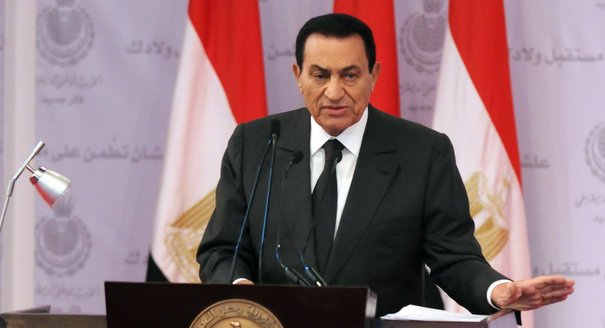
The Obama administration should reconsider its disengagement with Egypt on democracy promotion and civil society efforts in light of the impending succession of President Hosni Mubarak.
Source: Washington Post

Relations between Washington and Cairo have settled back into the comfortable pre-Sept. 11 pattern, in which the only people who count are presidents and foreign ministers and the only important agenda items are Israeli-Arab peace and containing regional bullies. That is ironic, considering the ability Obama demonstrated to reach the Arab public directly during his June 4 speech in Cairo.
The problem now is that, while Washington is trying to turn back the clock on its Cairo policy, Egypt is moving toward a leadership transition that we cannot ignore. Egypt will elect a new parliament next year and a new president in 2011. By then, Mubarak will be 83, and even if he decides to run again -- after 30 years in power under a state of "emergency" that allows him to suspend laws -- it is likely to be a few years at most before change comes.
Recent developments suggest that the 2010 parliamentary elections will be even less free than those of 2005, which were far from perfect. Mubarak's son Gamal has been training to succeed him for a decade, but he remains largely unpopular in Egypt. While the Obama administration should avoid direct involvement in or public comment on succession issues, the president should encourage Mubarak to use this transition period to move toward a more inclusive political process and improved human rights practices.
It is especially important for Obama to deliver a pro-democracy message to Mubarak. It will be relatively easy to do so now, during a quiet period, without the tension of immediate elections or succession, and in a climate of renewed goodwill between the United States and Egypt.
But it is also important to correct the idea -- prevailing in Cairo -- that the United States no longer cares about democratization in Egypt. Egyptians have gotten that impression from Obama's rhetoric, which is softer than that of his predecessor, and particularly from a drastic cut in funding this year for U.S. democracy promotion programs in Egypt. A July report by the Project on Middle East Democracy found that while the Obama administration has increased its request for democracy funding in the Middle East overall, it has cut such funding for Egypt by more than half and cut aid to independent civil society organizations by more than two-thirds.
Why is the Obama administration backing off democracy promotion just as Egypt faces critical elections and a likely leadership change? It appears to be worried that Mubarak will withhold cooperation on regional peace and stability if Washington annoys him by expressing concern for the rights of Egyptians.
But Obama can have Mubarak's help without having to pay for it with his silence. Mubarak shares Washington's interests in preventing the emergence of a permanent Hamas state in Gaza, in promoting a peace agreement between Palestinians and Israel, and in containing Iranian nuclear ambitions. He will work toward those ends for his own reasons and cooperate with the United States accordingly -- as he did even at the height of the Bush administration's democracy promotion rhetoric in 2004 and 2005.
Obama should work with Mubarak on Arab-Israeli issues and Iran, and listen to the Egyptian leader's counsel. But he should also ask Mubarak how he plans to address rising demand for the rule of law and free political competition in Egypt. The U.S. administration should reconsider its disengagement from Egyptian civil society and find a way to establish partnerships with the many institutions and organizations that can play constructive roles in a transition toward a more open system.
Then Obama will have shown his respect not just for our man in Cairo but for 83 million Egyptians as well.

Former Nonresident Scholar, Middle East Program
Michele Dunne was a nonresident scholar in Carnegie’s Middle East Program, where her research focuses on political and economic change in Arab countries, particularly Egypt, as well as U.S. policy in the Middle East.
Recent Work


Yasmine Farouk, Nathan J. Brown, Maysaa Shuja Al-Deen, …
Robert Springborg, Emile Hokayem, Becca Wasser, …
Carnegie does not take institutional positions on public policy issues; the views represented herein are those of the author(s) and do not necessarily reflect the views of Carnegie, its staff, or its trustees.

In Ukraine, Gaza, and Iran, AI warfare has come to dominate, with barely any oversight or accountability. Europe must lead the charge on the responsible use of new military technologies.

Raluca Csernatoni
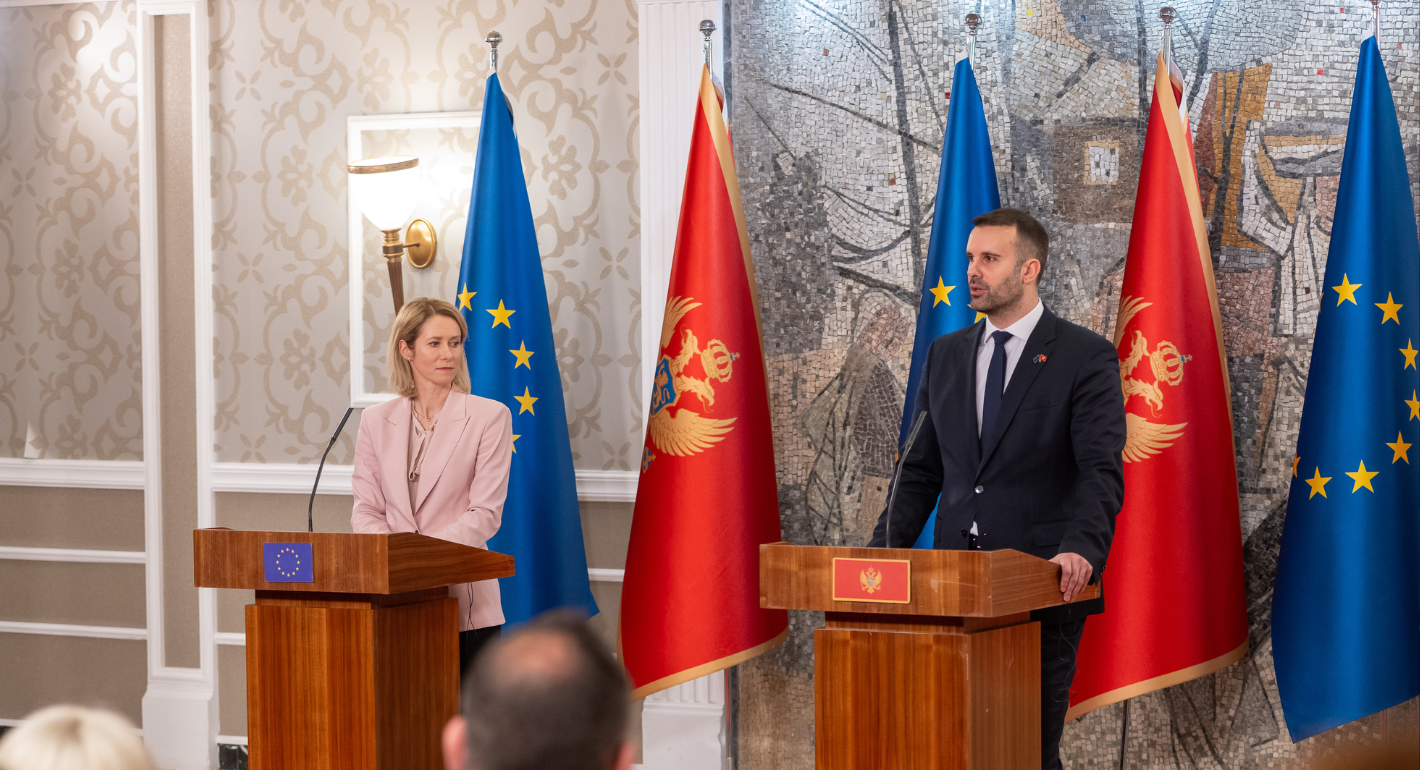
Montenegro and Albania are frontrunners for EU enlargement in the Western Balkans, but they can’t just sit back and wait. To meet their 2030 accession ambitions, they must make a strong positive case.


Dimitar Bechev, Iliriana Gjoni
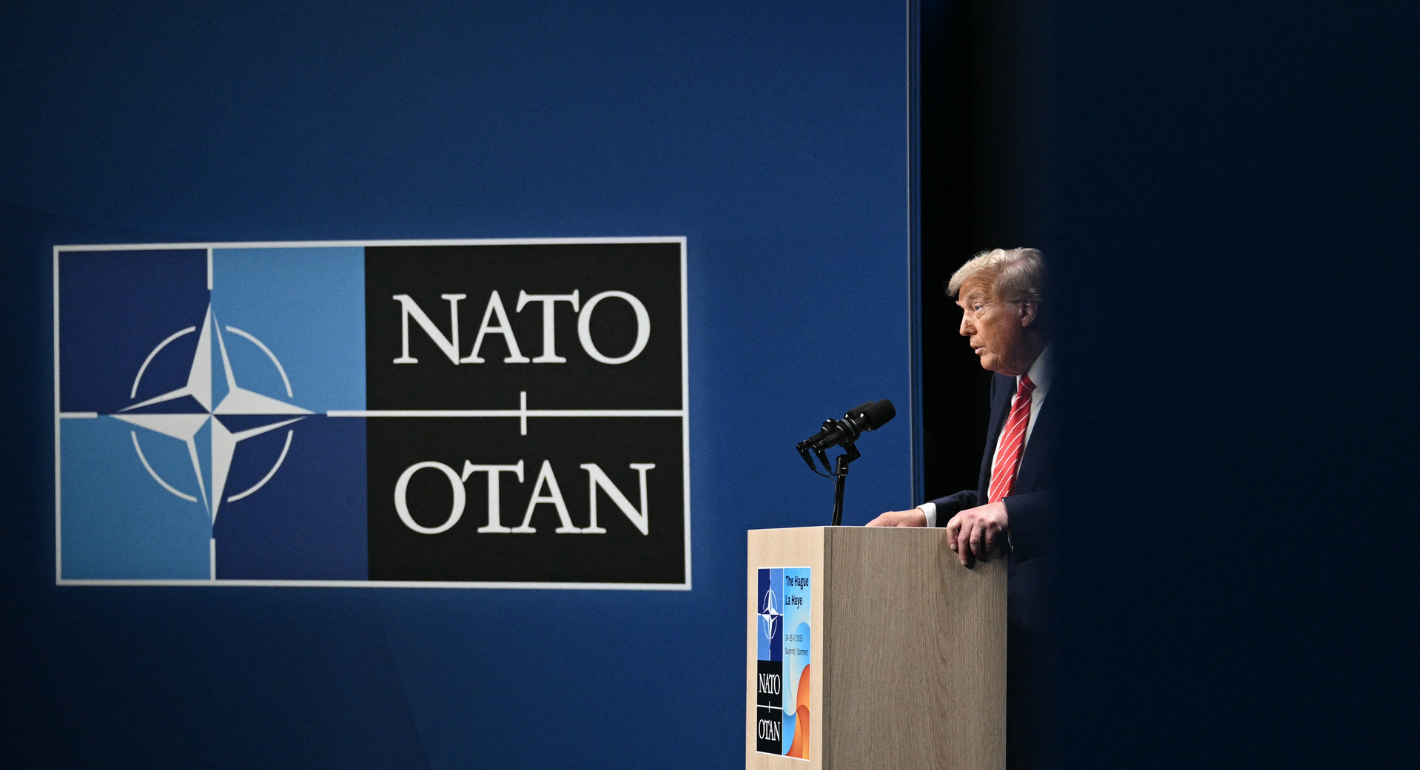
Donald Trump has repeatedly bashed NATO and European allies, threatening to annex Canada and Greenland and deploring their lack of enthusiasm for his war of choice in Iran. Is this latest round of abuse the final straw?

Rym Momtaz, ed.
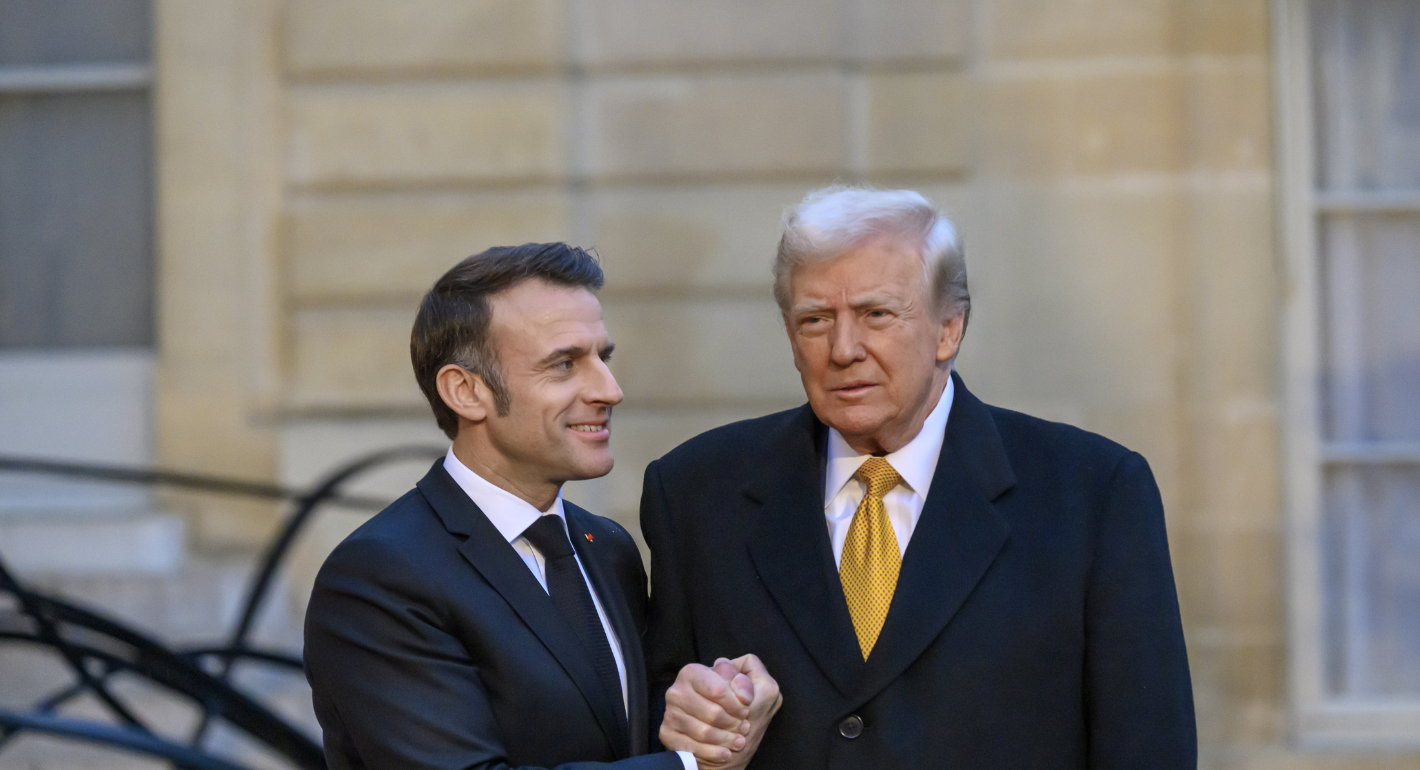
Donald Trump’s repudiation of NATO goes against the Make America Great Again vision of a U.S.-centered foreign policy. If the goal is to preserve the alliance by boosting Europe’s commitments, leaning into France’s vision is the most America First way forward.
Rym Momtaz
The wars in Ukraine and the Middle East are existential threats to Europe as a peace project. Leaders and citizens alike must reaffirm their solidarity to face up to today’s multifaceted challenges.

Marc Pierini