

Article
Pierre Goldschmidt
{
  "authors": [
    "Pierre Goldschmidt"
  ],
  "type": "other",
  "centerAffiliationAll": "dc",
  "centers": [
    "Carnegie Endowment for International Peace"
  ],
  "collections": [],
  "englishNewsletterAll": "ctw",
  "nonEnglishNewsletterAll": "",
  "primaryCenter": "Carnegie Endowment for International Peace",
  "programAffiliation": "NPP",
  "programs": [
    "Nuclear Policy"
  ],
  "projects": [],
  "regions": [
    "Middle East",
    "Iran"
  ],
  "topics": [
    "Military",
    "Foreign Policy",
    "Nuclear Policy"
  ]
}
REQUIRED IMAGE
Source: Carnegie Endowment
In a new Carnegie Policy Outlook, Pierre Goldschmidt, former Deputy Director General of the International Atomic Energy Agency (IAEA), calls for the United Nations Security Council to adopt a generic and binding resolution that would automatically authorize three steps if a state is found in non-compliance by the IAEA. In this web-only publication, The Urgent Need to Strengthen the Nuclear Non-Proliferation Regime, Goldschmidt’s argument follows Iran’s announcement this morning that it will resume its nuclear research program and conduct experiments with nuclear fuel.
Goldschmidt makes the case it is waning political will that hinders the IAEA. The fault, he warns, is an international community that has failed to strengthen the authority of the IAEA to exercise its improved capacity precisely when a state has been found to be in non-compliance.
This is a web-only publication.
Click on the link above for the full text of this Carnegie publication.
About the Author
Pierre Goldschmidt is former Deputy Director General of the IAEA and currently a visiting scholar at the Carnegie Endowment for International Peace. He is based in Brussels.

Former Nonresident Senior Associate, Nuclear Policy Program
Goldschmidt was a nonresident senior associate at the Carnegie Endowment.
Recent Work
Pierre Goldschmidt
Pierre Goldschmidt
Carnegie does not take institutional positions on public policy issues; the views represented herein are those of the author(s) and do not necessarily reflect the views of Carnegie, its staff, or its trustees.
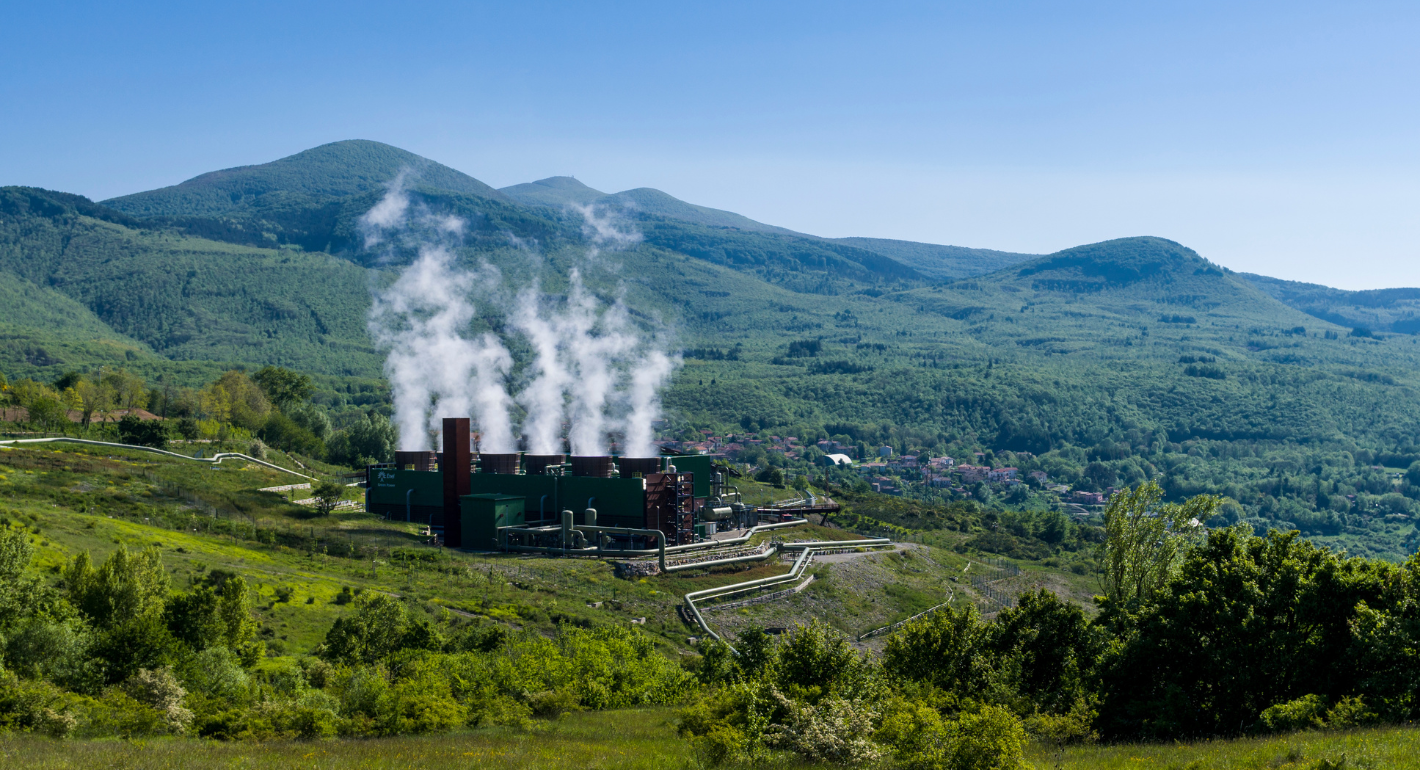
Europe’s industrial supply chains leave it vulnerable to global shocks. The EU needs a pragmatic green industrial strategy that balances durable partnerships and bolsters homegrown clean tech without sacrificing low-carbon ambition.


Milo McBride, Pauline Gerard
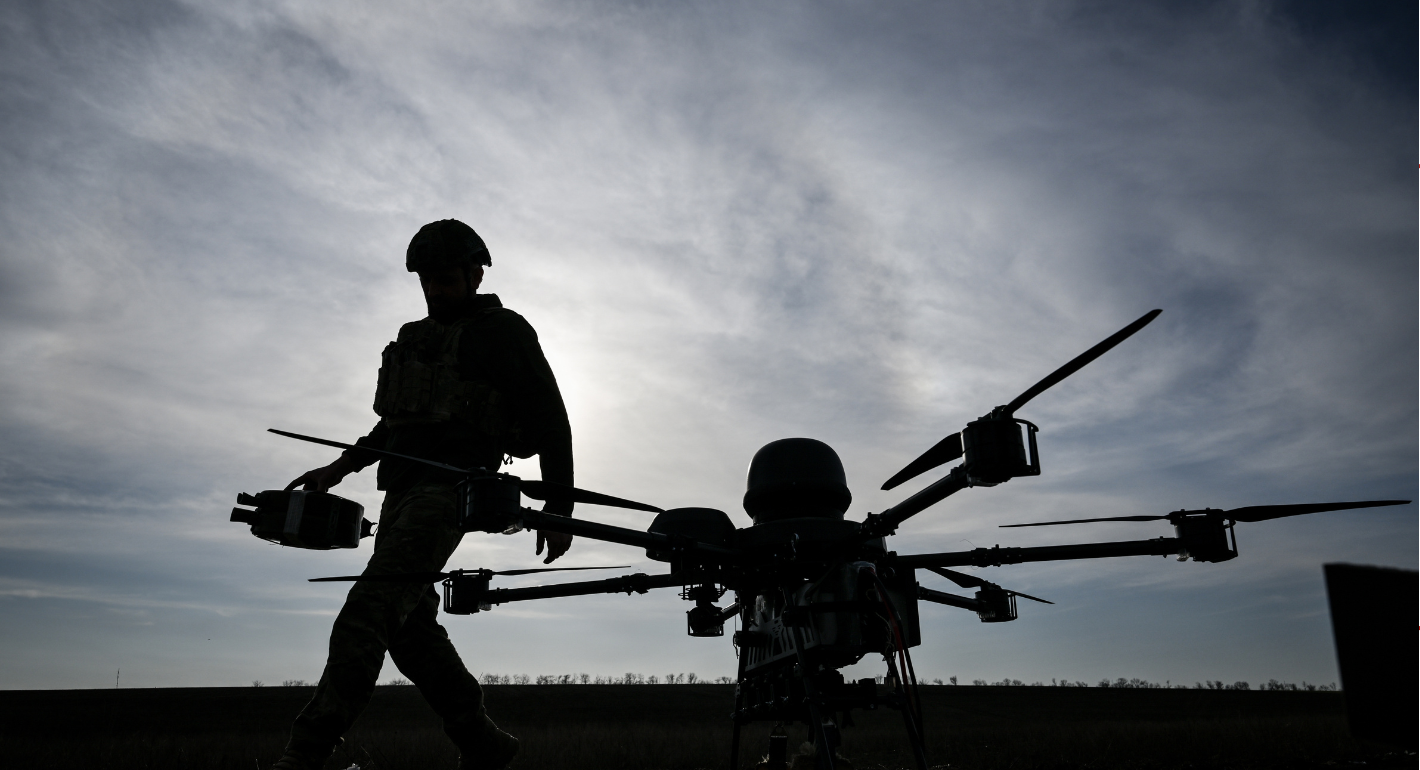
Defense tech innovations will be at the heart of Europe’s new security strategy. But so far, Brussels has been making moves without a broader plan, undermining readiness and credibility.

Raluca Csernatoni
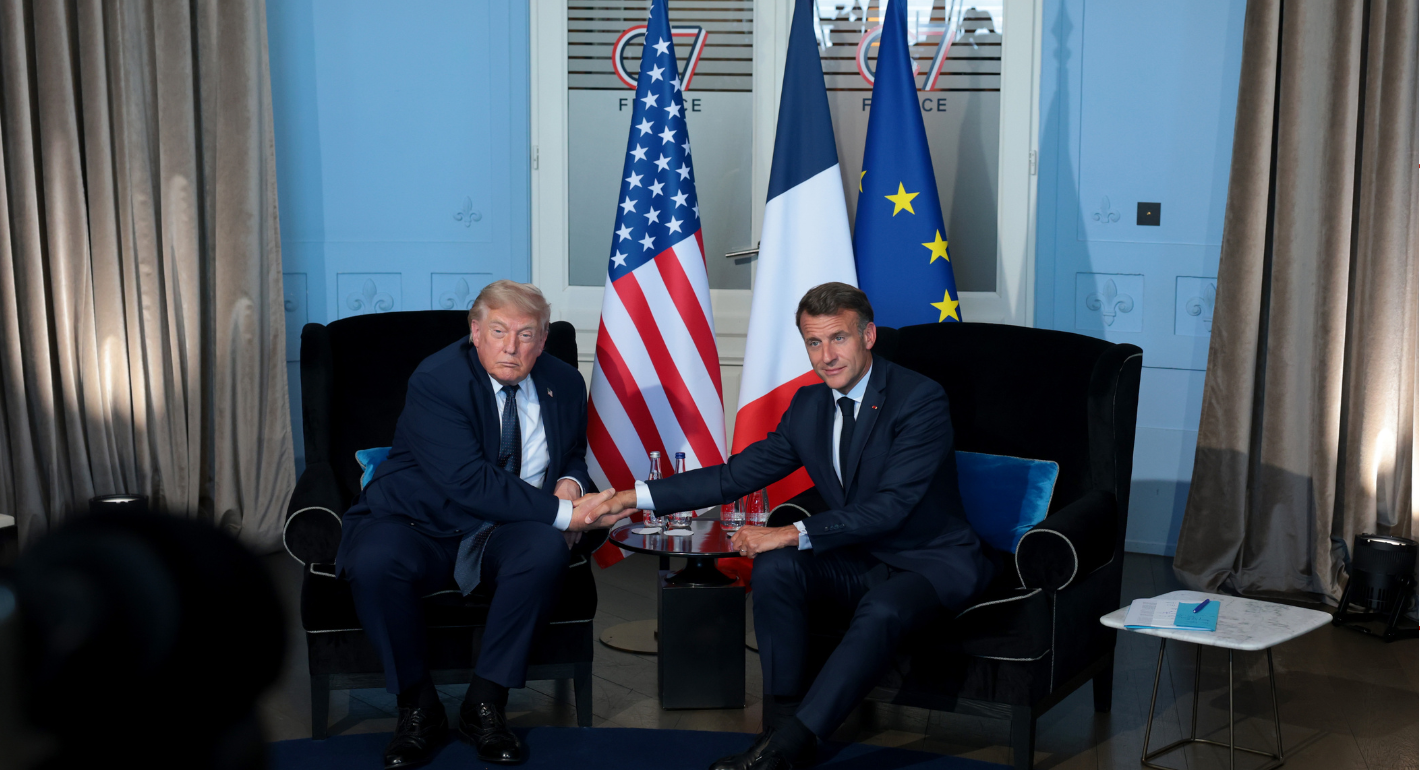
When the U.S.-Iran memorandum of understanding was announced, the UK, France, Germany, and Italy declared their readiness to help demine the Strait of Hormuz and lift nuclear sanctions on Tehran. But does Europe need new tools to recover a diplomatic role?

Rym Momtaz, ed.
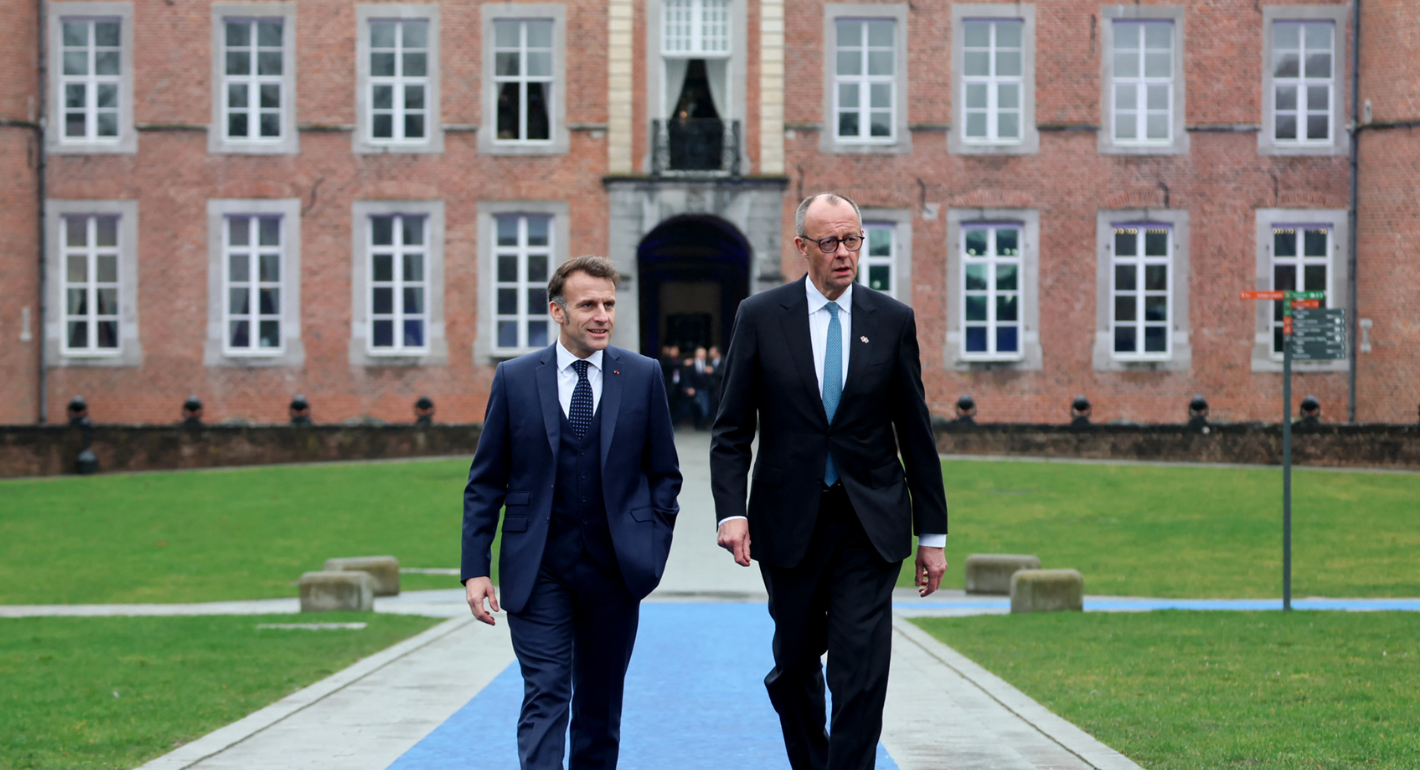
The Franco-German relationship is on the rocks again. But unlike previous moments of tension, the epochal changes on the world stage require that both step up investment in their bilateral ties.
Rym Momtaz
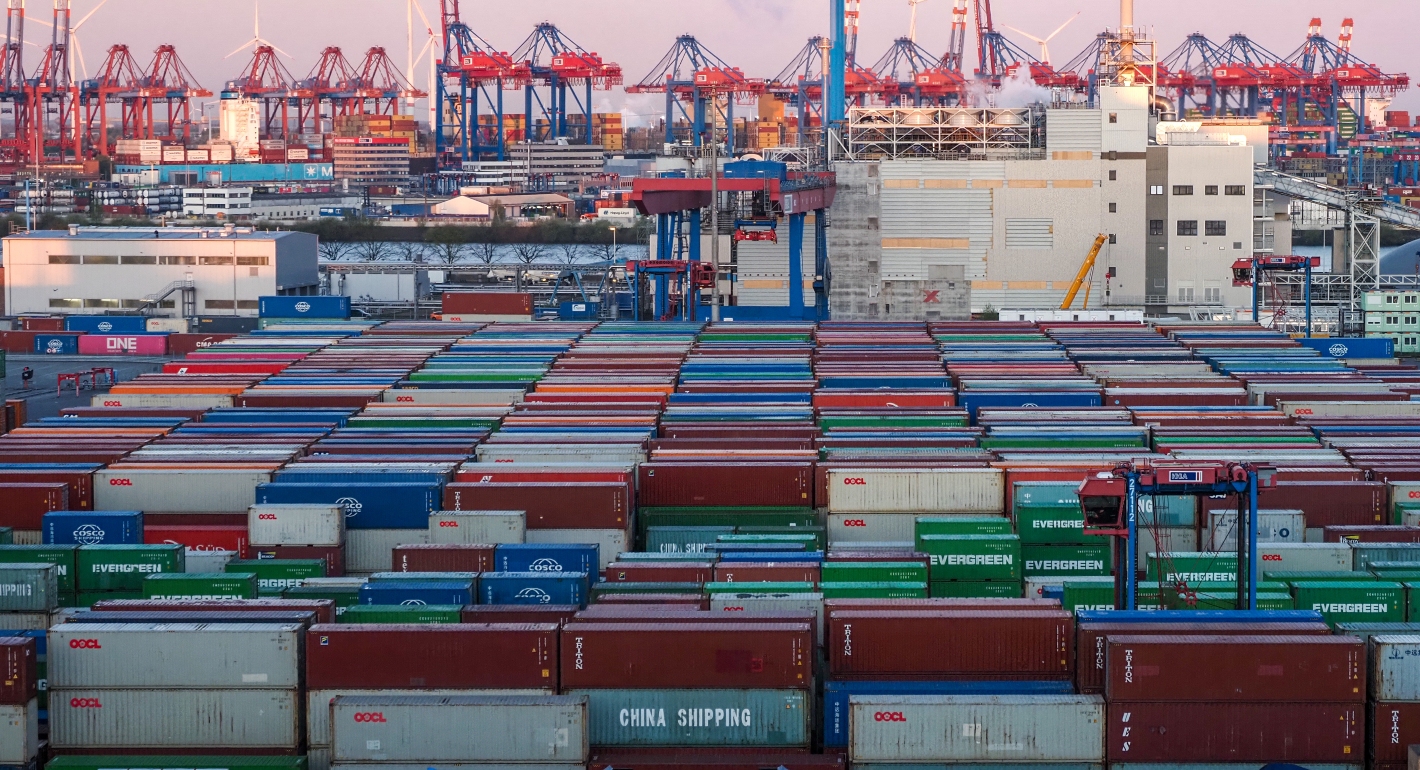
As geopolitical rivalry weaponizes global supply chains, the EU’s true vulnerability lies in emerging-risk imports. For these goods, suppliers are growing more concentrated, substitution more difficult, and political risk is looming.

Sinan Ülgen