

Q&A
Christopher Boucek
{
  "authors": [
    "Christopher Boucek"
  ],
  "type": "legacyinthemedia",
  "centerAffiliationAll": "dc",
  "centers": [
    "Carnegie Endowment for International Peace",
    "Malcolm H. Kerr Carnegie Middle East Center"
  ],
  "collections": [],
  "englishNewsletterAll": "menaTransitions",
  "nonEnglishNewsletterAll": "",
  "primaryCenter": "Carnegie Endowment for International Peace",
  "programAffiliation": "MEP",
  "programs": [
    "Middle East"
  ],
  "projects": [],
  "regions": [
    "North America",
    "United States",
    "Middle East",
    "Saudi Arabia",
    "Yemen",
    "Egypt",
    "Gulf",
    "Levant",
    "Maghreb"
  ],
  "topics": [
    "Security",
    "Political Reform",
    "Military",
    "Foreign Policy"
  ]
}
Source: Getty
The resurgence of al-Qaeda in Yemen and around the world demands a comprehensive counterterrorism approach. In order to combat al-Qaeda and similar groups, the international community must focus on capacity building in weak states and de-radicalization programs.
Source: The Diane Rehm Show

For many years, the U.S.-Yemeni relationship was solely focused on security, largely to the detriment of both Yemen and the United States. However, in the last six months increased attention has been paid not only to the security concerns Yemen faces, but also the abject economic privations the country faces. Moreover, the multitude of Yemeni detainees in Guantanamo Bay presents a challenge for the administration. Without an established rehabilitation program, like the one in Saudi Arabia, recidivism rates for detainees will be markedly high. Programs that take a comprehensive approach to counterterrorism are needed to ensure that former detainees do not reintegrate into extremist organizations.
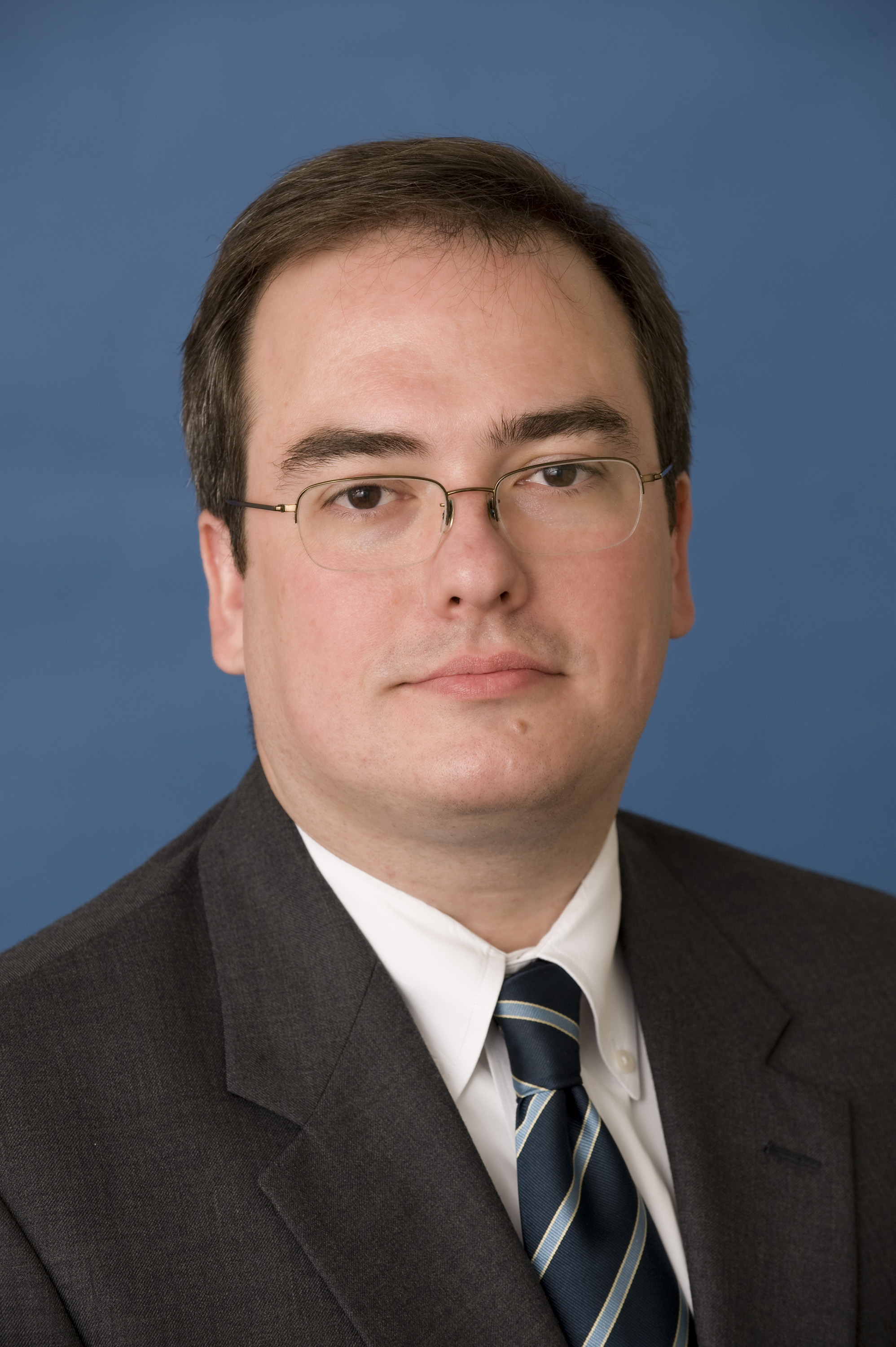
Former Associate, Middle East Program
Boucek was an associate in the Carnegie Middle East Program where his research focused on security challenges in the Arabian Peninsula and Northern Africa.
Recent Work
Christopher Boucek

Christopher Boucek, Karim Sadjadpour
Carnegie does not take institutional positions on public policy issues; the views represented herein are those of the author(s) and do not necessarily reflect the views of Carnegie, its staff, or its trustees.

Are Germany’s economic, industrial, and political struggles becoming a liability for the EU’s ability to rise to the geopolitical moment?

Rym Momtaz, ed.

European Commission President Ursula von der Leyen is about to give her annual address on the state of the EU. Here’s what she won’t—but should—say.
Rym Momtaz

Radical-right parties are expected to do well in upcoming elections in four of the EU's biggest member states. If successful, they could prevent the union from addressing key challenges ahead.

Stefan Lehne

The aftermath of the Ceuta crisis shows Europe has drawn the wrong lessons. Rather than doubling down on failed migration policies, the EU needs to address the underlying roots of such episodes.

Richard Youngs

Canadian Prime Minister Mark Carney has twice inspired praise for standing up to U.S. President Donald Trump: at the 2026 World Economic Forum in Davos and on Canada-U.S. trade negotiations. Is Carney showing a third way better than the EU has in dealing with the Trump administration?
Rym Momtaz, ed.