• Research
  • Strategic Europe
  • About
  • Experts
Carnegie Europe logoCarnegie lettermark logo
EUUkraine
  • Donate
{
  "authors": [
    "Paul Salem"
  ],
  "type": "legacyinthemedia",
  "centerAffiliationAll": "",
  "centers": [
    "Carnegie Endowment for International Peace",
    "Malcolm H. Kerr Carnegie Middle East Center"
  ],
  "collections": [],
  "englishNewsletterAll": "",
  "nonEnglishNewsletterAll": "",
  "primaryCenter": "Malcolm H. Kerr Carnegie Middle East Center",
  "programAffiliation": "",
  "programs": [],
  "projects": [],
  "regions": [
    "Gulf"
  ],
  "topics": []
}
Source: Getty

In The Media
Malcolm H. Kerr Carnegie Middle East Center

Ayatollah Khamenei and the Iranian Protests

The most serious development of the Iranian protests has been the challenges to Ayatollah Khamenei, which are unprecedented and open up new questions about the potential for real, significant constitutional change.

Link Copied
By Paul Salem
Published on Jan 8, 2010

Source: 938 Live

Accusations that the June elections in Iran were fraudulent have brought to light a growing rift inside Iran. The regime is faced with serious confrontations on several fronts. One of the highest profile opponents of the regime is the opposition, which is led, at least on the street, by young people, a dynamic and potentially explosive part of the Iranian population. The regime is also facing a confrontation within itself, with divisions appearing between regime members who are all part of the revolution and the revolutionary state. A third and critical challenge is coming from among the powerful clerics in Iran.

Paul Salem contends that the crisis in Iran “is large and serious, but the regime is also powerful and can sustain itself, so it’s hard to say if this crisis will lead to a fundamental change or a breakdown or whether it will just be an open-ended crisis for months and years to come.” As the protests continue, the opposition is widening its appeal, calling not only for addressing the charges of fraud in the June elections but also for wider issues, such as cultural and political freedoms.

The most serious development of these protests, however, has been the criticisms of Ayatollah Khamenei. These challenges to Khamenei “really breaks the sanctity, breaks the aura, of the Islamic state in an unprecedented way and throws open the question of demands for real constitutional change of the system, not just holding another election or changing the president.”


About the Author

Paul Salem

Senior Fellow at the Middle East Institute

Paul Salem is a senior fellow at the Middle East Institute.

    Recent Work

  • Paper
    Iraq’s Tangled Foreign Interests and Relations

      Paul Salem

  • Article
    Bracing for Impact in Syria

      Paul Salem

Paul Salem
Senior Fellow at the Middle East Institute
Paul Salem
Gulf

Carnegie does not take institutional positions on public policy issues; the views represented herein are those of the author(s) and do not necessarily reflect the views of Carnegie, its staff, or its trustees.

More Work from Carnegie Europe

  • Commentary
    Strategic Europe
    Europe on Iran: Gone with the Wind

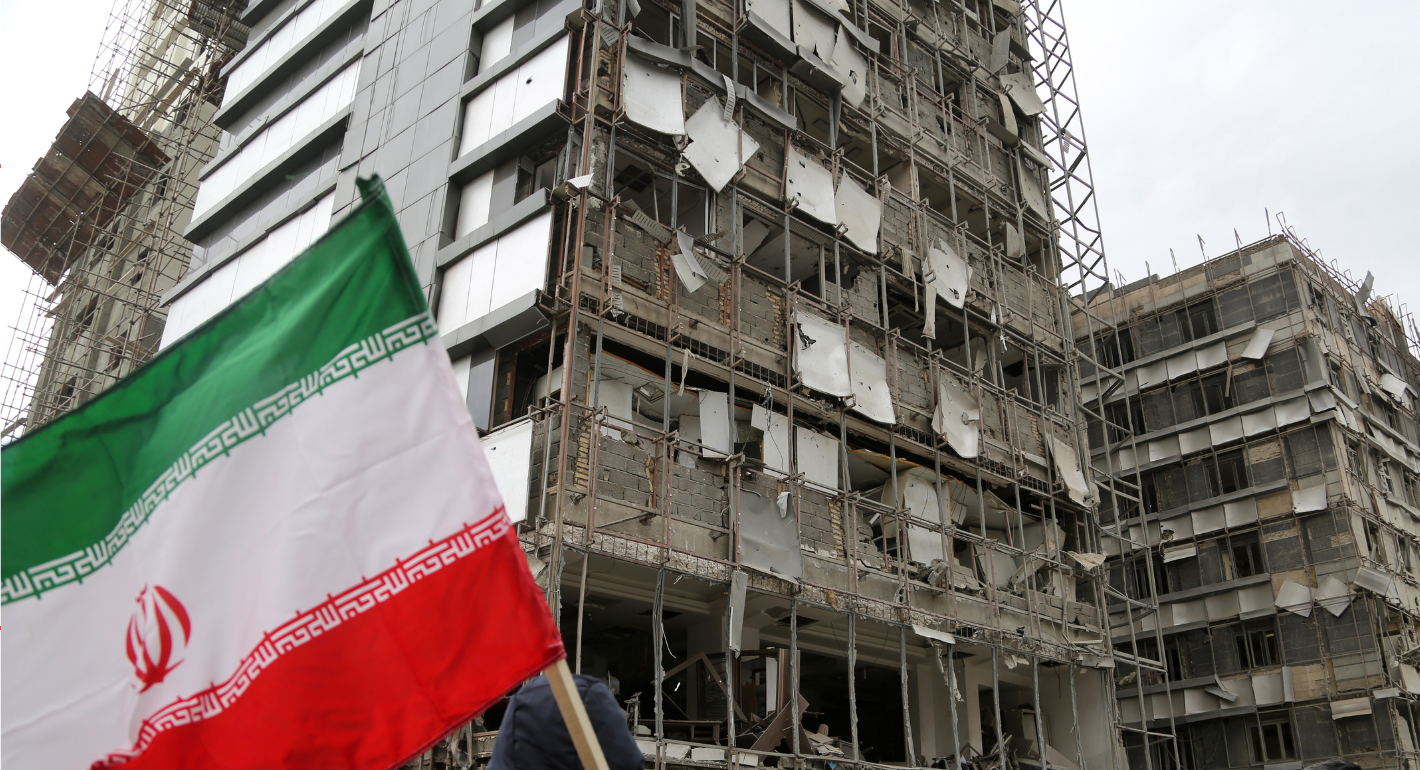
    Europe’s reaction to the war in Iran has been disunited and meek, a far cry from its previously leading role in diplomacy with Tehran. To avoid being condemned to the sidelines while escalation continues, Brussels needs to stand up for international law.

      Pierre Vimont
  • Commentary
    Strategic Europe
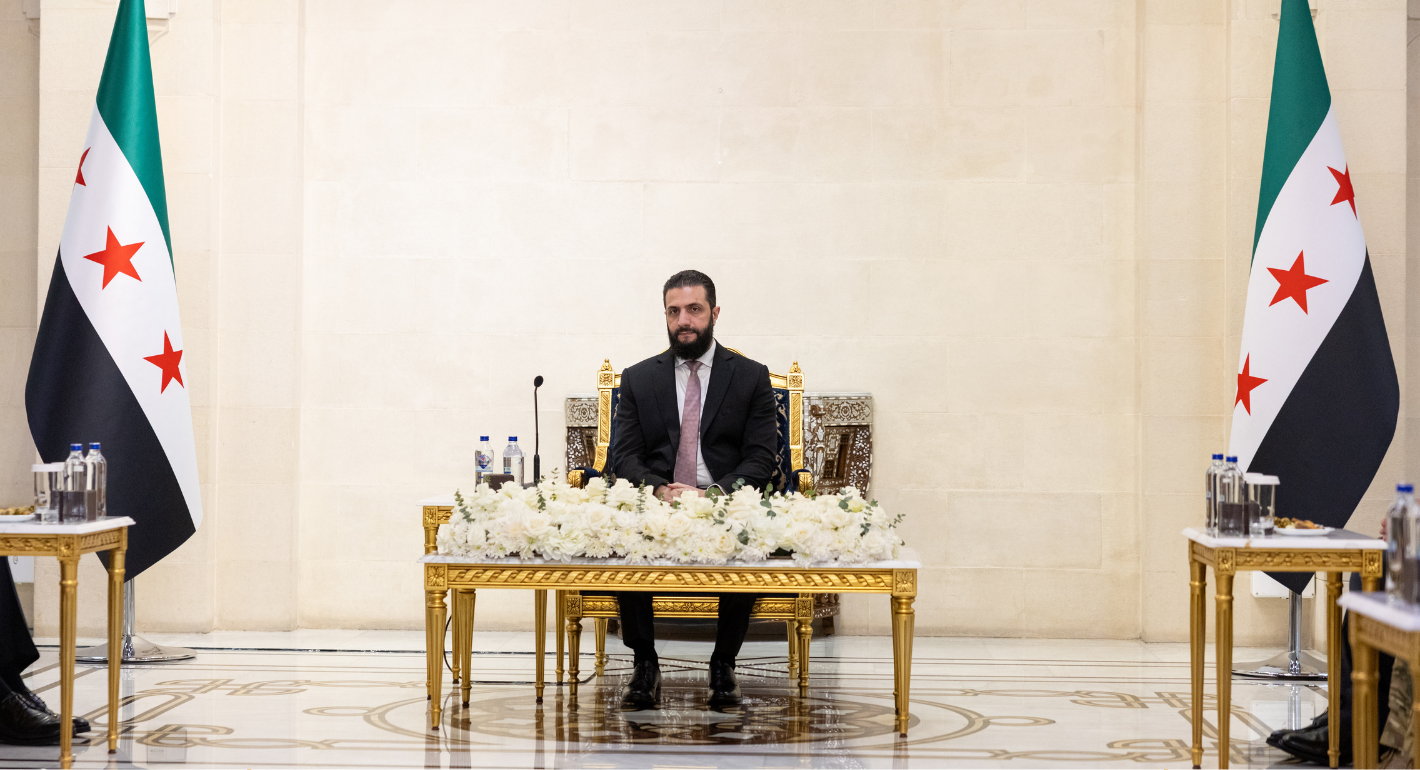
    Can Europe Still Matter in Syria?

    Europe’s interests in Syria extend beyond migration management, yet the EU trails behind other players in the country’s post-Assad reconstruction. To boost its influence in Damascus, the union must upgrade its commitment to ensuring regional stability.
      Bianka Speidl, Hanga Horváth-Sántha

  • Commentary
    Strategic Europe
    EU-Iran: Time to Revisit Assumptions and Strategize

    For too long, the EU focused on Iran’s nuclear program while mostly ignoring its malign regional activities and missile program. As the consequences of both hit closer to home, the union must pursue a new strategy focused on containing Iran’s regime, supporting Iranian civil society, and engaging with Gulf states.

      Cornelius Adebahr

  • Commentary
    Diwan
    How Qatar Has Scored Political Goals

    The Gulf emirate has succeeded in using football as one dimension of its national security strategy.

      • Francesco Siccardi

      Francesco Siccardi

  • Commentary
    Diwan
    Shadows for the Sultan

    What is behind Turkish President Erdogan’s visit to Saudi Arabia and the United Arab Emirates?

      • Francesco Siccardi

      Francesco Siccardi

Get more news and analysis from
Carnegie Europe
Carnegie Europe logo, white
Rue du Congrès, 151000 Brussels, Belgium
  • Research
  • Strategic Europe
  • About
  • Experts
  • Projects
  • Events
  • Contact
  • Careers
  • Privacy
  • For Media
  • Gender Equality Plan
Get more news and analysis from
Carnegie Europe
© 2026 Carnegie Endowment for International Peace. All rights reserved.