• Research
  • Strategic Europe
  • About
  • Experts
Carnegie Europe logoCarnegie lettermark logo
EUUkraine
  • Donate
{
  "authors": [
    "Henri J. Barkey",
    "Uri Dadush"
  ],
  "type": "legacyinthemedia",
  "centerAffiliationAll": "dc",
  "centers": [
    "Carnegie Endowment for International Peace",
    "Malcolm H. Kerr Carnegie Middle East Center"
  ],
  "collections": [],
  "englishNewsletterAll": "menaTransitions",
  "nonEnglishNewsletterAll": "",
  "primaryCenter": "Carnegie Endowment for International Peace",
  "programAffiliation": "MEP",
  "programs": [
    "Middle East"
  ],
  "projects": [],
  "regions": [
    "North America",
    "United States",
    "Middle East",
    "Iran",
    "Gulf"
  ],
  "topics": [
    "Security",
    "Economy",
    "Foreign Policy",
    "Nuclear Policy",
    "Nuclear Energy"
  ]
}
Source: Getty

In The Media

Why No U.S. President will Bomb Iran

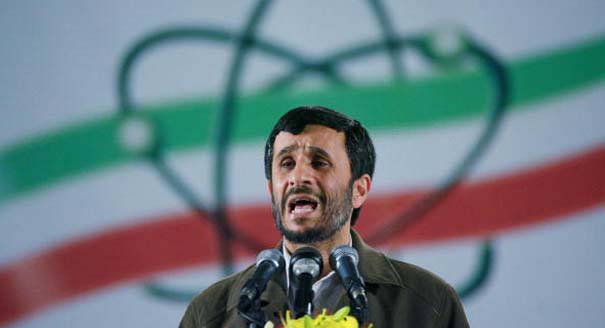
The Obama administration’s deadline for Iran to enter discussions on the nuclear issue has passed. In spite of claims from Washington that “all options are on the table,” the economic crisis makes a military response to Iran infeasible.

Link Copied
By Henri J. Barkey and Uri Dadush
Published on Jan 27, 2010

Source: The National Interest

Why No U.S. President will Bomb IranThe Obama administration’s deadline for Iran to enter discussions on the nuclear issue has passed. As the White House and its allies weigh new policy options, Washington is still running with the old line that “all options are on the table.” Not really. Amid a global recession and double-digit unemployment, bombing Iran’s nuclear installations is out of the question.

 Any attack on Iran would drive oil prices up dramatically from already high levels, and risk sending the fragile global economy back into financial crisis. If oil reached $150 per barrel, as it did in the summer of 2008, the cost of heating bills would soar, and the price of gasoline in the United States could once again climb above $4 a gallon. The effect on consumer spending—on which the recovery depends—would be severe. Based on average national oil consumption and prices in 2009, an oil spike lasting six months would equate to a tax of over $3,000 for a family of four.
 
An attack on Iran would provide the embattled regime in Tehran an occasion to rally its population and lash out in every way it can. Though the Iranians would be unable to close the Straits of Hormuz, or even do great damage to the U.S. fleet or the Saudi oil apparatus, insurance rates for shipping would skyrocket. The sense of uncertainty about future supply would roil markets and also push oil prices through the roof. As a result, the greatest beneficiaries of an attack on Iran would be oil producers, including irresponsible ones like Hugo Chavez, and ironically the Iranian mullahs themselves, who would use the extra income to tighten their grip on power.
 
The Iranians would likely also encourage their allies in Lebanon and Palestine, Hezbollah and Hamas, to attack Israel and kick off a wave of terrorism against American interests around the globe. All of this will contribute to an atmosphere of chaos and insecurity.
 
If President Obama were to set the Iranian nuclear program back at the expense of a relapse into recession, the cost to him politically, not to mention to the American and the global economies, would be unfathomable. As policy makers run out of fiscal and monetary ammunition to deal with yet another shock, it would be doubtful that America could escape a double-dip recession.
 
The world would once again blame the United States for reckless behavior, and American voters would not likely back Obama for a second term.
 
There have been five major episodes of oil price hikes since 1970, and each one coincided with a major global recession or sharp economic slowdown. The current economic recovery still depends critically on a massive dose of government stimulus. Consumers are still shaken by 10 percent unemployment, and business confidence is still being slowly and painfully rebuilt.
 
In developed countries, an oil price hike would probably smother the incipient recovery in its cradle. But its impact expressed as a share of GDP would be even greater on the oil-importing emerging markets, like China and India, which account for the lion’s share of world demand growth, and on the poorest developing countries in Africa, all of whose energy intensity has risen rapidly in recent years.
 
A new shock would also compound worries of inflationary pressures, and cause another tumble in stock markets, destroying even more wealth. In short, the world can’t afford it.
 
If these challenges are daunting for the United States, imagine what they would be like for Israel. Even if the Israelis could mount a successful operation against Iran’s nuclear program—which is open to debate—they cannot afford to bear the tremendous political cost of triggering a worldwide recession. This may explain why the Israelis, who are most threatened by the Iranian nuclear program, have been so publicly strident about it; they want other powers to deal with it.
 
Paradoxically, by removing the military option on Iran, the economic crisis provides a valuable window in which to build an international consensus on how to respond to the country’s obstreperous leadership, and perhaps apply more effective targeted sanctions against it.
 
Despite Washington’s saber rattling, the threat of reverting back into recession makes one thing clear: when it comes to Iran, all options are not on the table.

About the Authors

Henri J. Barkey

Former Visiting Scholar, Middle East Program

Barkey served as a member of the U.S. State Department Policy Planning Staff, working primarily on issues related to the Middle East, the Eastern Mediterranean, and intelligence from 1998 to 2000.

Uri Dadush

Former Senior Associate, International Economics Program

Dadush was a senior associate at the Carnegie Endowment for International Peace. He focuses on trends in the global economy and is currently tracking developments in the eurozone crisis.

Authors

Henri J. Barkey
Former Visiting Scholar, Middle East Program
Henri J. Barkey
Uri Dadush
Former Senior Associate, International Economics Program
Uri Dadush
SecurityEconomyForeign PolicyNuclear PolicyNuclear EnergyNorth AmericaUnited StatesMiddle EastIranGulf

Carnegie does not take institutional positions on public policy issues; the views represented herein are those of the author(s) and do not necessarily reflect the views of Carnegie, its staff, or its trustees.
More Work from Carnegie Europe

  • Commentary
    Strategic Europe
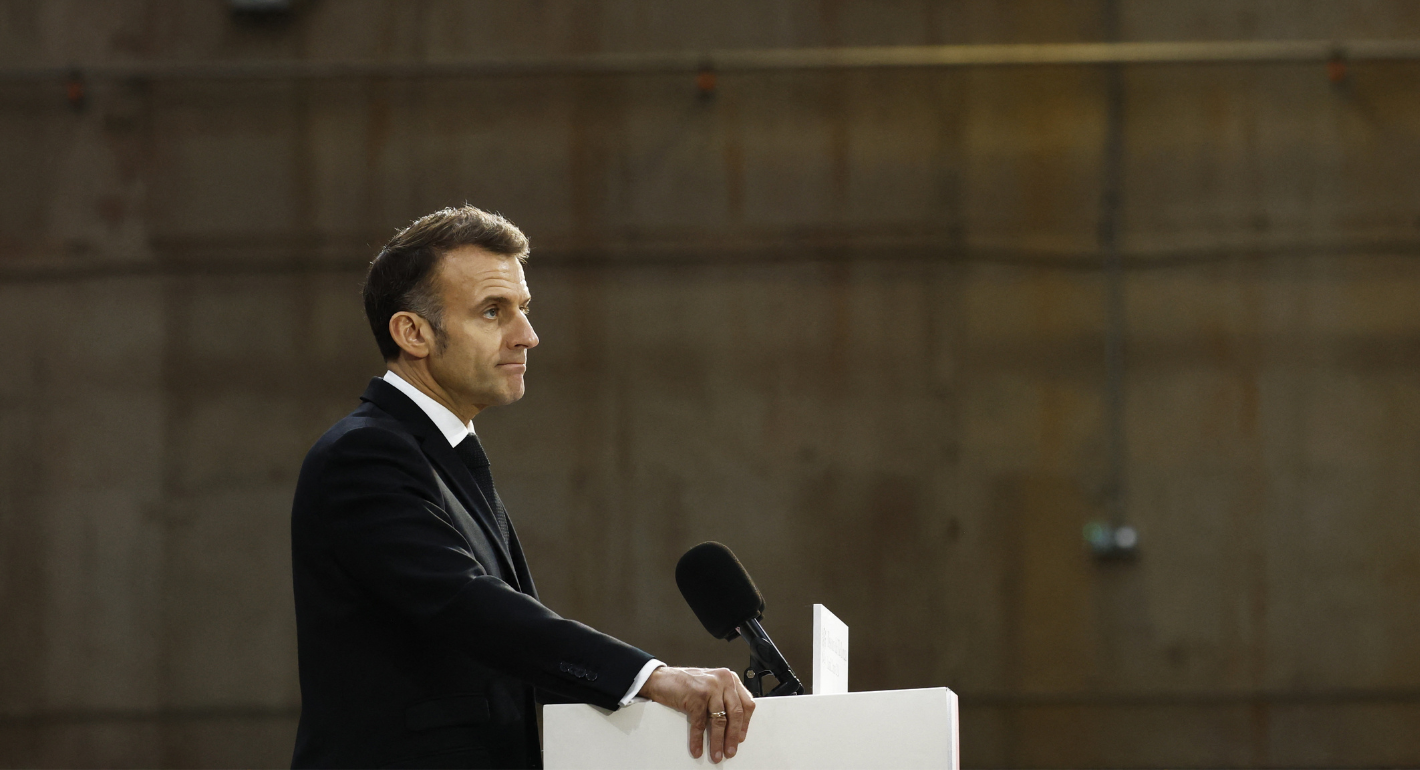
    Taking the Pulse: Is France’s New Nuclear Doctrine Ambitious Enough?

    French President Emmanuel Macron has unveiled his country’s new nuclear doctrine. Are the changes he has made enough to reassure France’s European partners in the current geopolitical context?

      • Rym Momtaz

      Rym Momtaz, ed.

  • Commentary
    The Iran War’s Dangerous Fallout for Europe

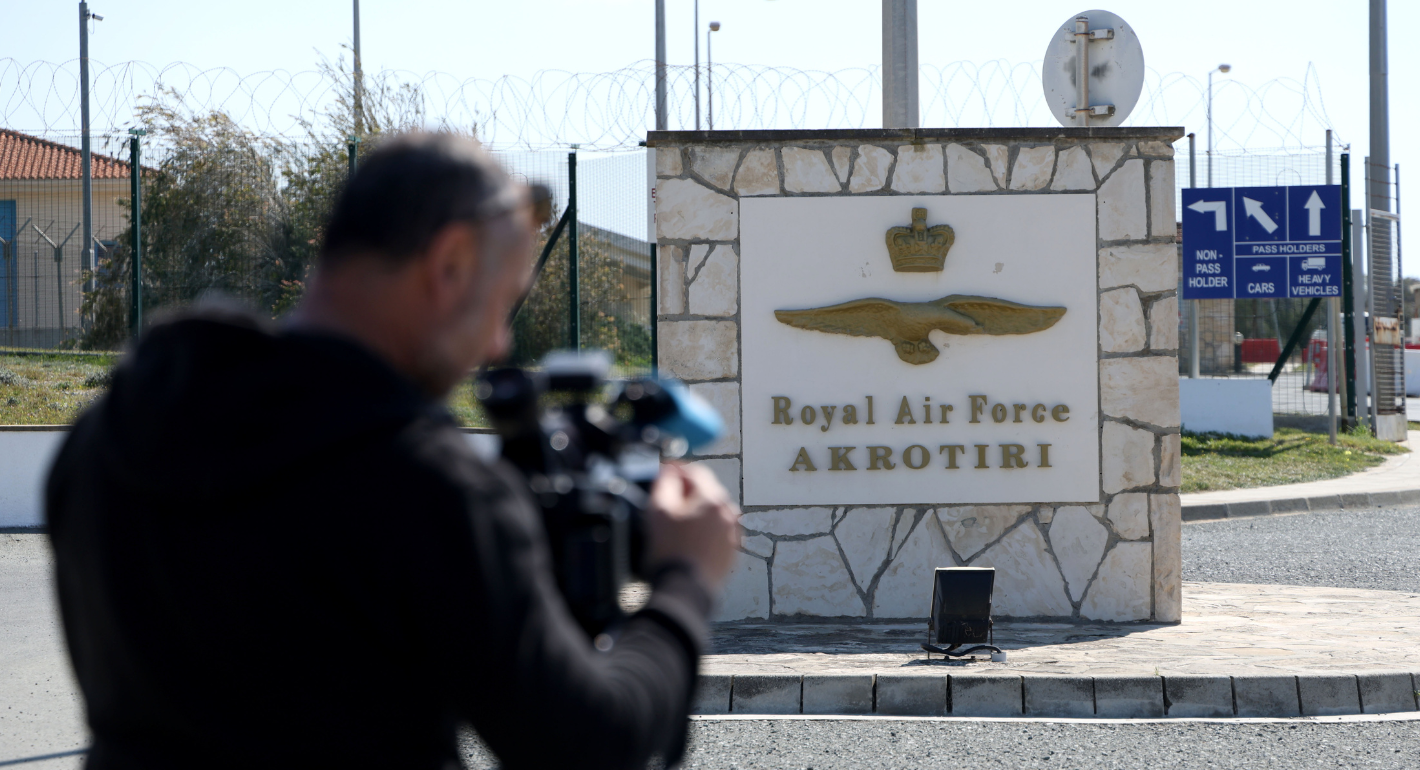
    The drone strike on the British air base in Akrotiri brings Europe’s proximity to the conflict in Iran into sharp relief. In the fog of war, old tensions in the Eastern Mediterranean risk being reignited, and regional stakeholders must avoid escalation.

      Marc Pierini
  • Commentary
    Strategic Europe
    The EU Needs a Third Way in Iran

    European reactions to the war in Iran have lost sight of wider political dynamics. The EU must position itself for the next phase of the crisis without giving up on its principles.

      Richard Youngs
  • Trump United Nations multilateralism institutions 2236462680
    Article
    Resetting Cyber Relations with the United States

    For years, the United States anchored global cyber diplomacy. As Washington rethinks its leadership role, the launch of the UN’s Cyber Global Mechanism may test how allies adjust their engagement.

      • Christopher Painter

      Patryk Pawlak, Chris Painter

  • Commentary
    Strategic Europe
    Global Instability Makes Europe More Attractive, Not Less

    Europe isn’t as weak in the new geopolitics of power as many would believe. But to leverage its assets and claim a sphere of influence, Brussels must stop undercutting itself.

      Dimitar Bechev

Get more news and analysis from
Carnegie Europe
Carnegie Europe logo, white
Rue du Congrès, 151000 Brussels, Belgium
  • Research
  • Strategic Europe
  • About
  • Experts
  • Projects
  • Events
  • Contact
  • Careers
  • Privacy
  • For Media
  • Gender Equality Plan
Get more news and analysis from
Carnegie Europe
© 2026 Carnegie Endowment for International Peace. All rights reserved.