

Commentary
Uri Dadush
{
  "authors": [
    "Uri Dadush"
  ],
  "type": "legacyinthemedia",
  "centerAffiliationAll": "",
  "centers": [
    "Carnegie Endowment for International Peace"
  ],
  "collections": [],
  "englishNewsletterAll": "",
  "nonEnglishNewsletterAll": "",
  "primaryCenter": "Carnegie Endowment for International Peace",
  "programAffiliation": "",
  "programs": [],
  "projects": [],
  "regions": [
    "Western Europe",
    "North America"
  ],
  "topics": [
    "Economy",
    "Trade"
  ]
}
Source: Getty
The enormous expansion of credit in Ireland and the sheer size of its building boom, which was accompanied by a very large loss of competitiveness, are at the center of the country's crisis today.
Source: The Diane Rehm Show

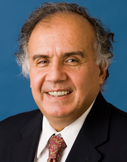
Irish officials are currently resistant to the idea of a bailout because they fear the conditions that will accompany the financial assistance. Dadush said that these conditions may include raising Ireland’s corporate tax rate, which is about half that of most European economies that compete with Ireland for foreign investment.
However, it is very difficult to see how Ireland can get out of the debt trap. Even if it manages to balance the budget, interest rates remain high and public debt is rising at a very rapid rate, Dadush said.
Dadush pointed out that the far greater worry is the risk of contagion to other large, vulnerable Euro area economies, such as Spain and possibly Italy. European authorities are aware of this risk, making the bailout inevitable. The bailout will likely take the form of direct loans to the Irish government, a significant part of which will go to recapitalizing the banking system. Even if the current crisis is managed, Dadush concluded, a whole new institutional mechanism will have to be put in place to avoid a repeat of the crisis.

Former Senior Associate, International Economics Program
Dadush was a senior associate at the Carnegie Endowment for International Peace. He focuses on trends in the global economy and is currently tracking developments in the eurozone crisis.
Recent Work
Uri Dadush
Uri Dadush
Carnegie does not take institutional positions on public policy issues; the views represented herein are those of the author(s) and do not necessarily reflect the views of Carnegie, its staff, or its trustees.

Canadian Prime Minister Mark Carney has twice inspired praise for standing up to U.S. President Donald Trump: at the 2026 World Economic Forum in Davos and on Canada-U.S. trade negotiations. Is Carney showing a third way better than the EU has in dealing with the Trump administration?

Rym Momtaz, ed.

In supporting Europe’s far-right, MAGA and Russia both want the same thing: a weaker EU. Europe must defend itself without abandoning the openness these forces exploit.

Armida van Rij

As we close out another season of Strategic Europe, it is worth taking stock of the deep shifts underway.
Rym Momtaz

As the EU confronts profound challenges, several leaders have called for fundamental reform to the union’s model—but only modest, superficial changes have resulted. What if Europe really could be reimagined from zero today: What should such a redesigned European order look like?

Richard Youngs, ed.
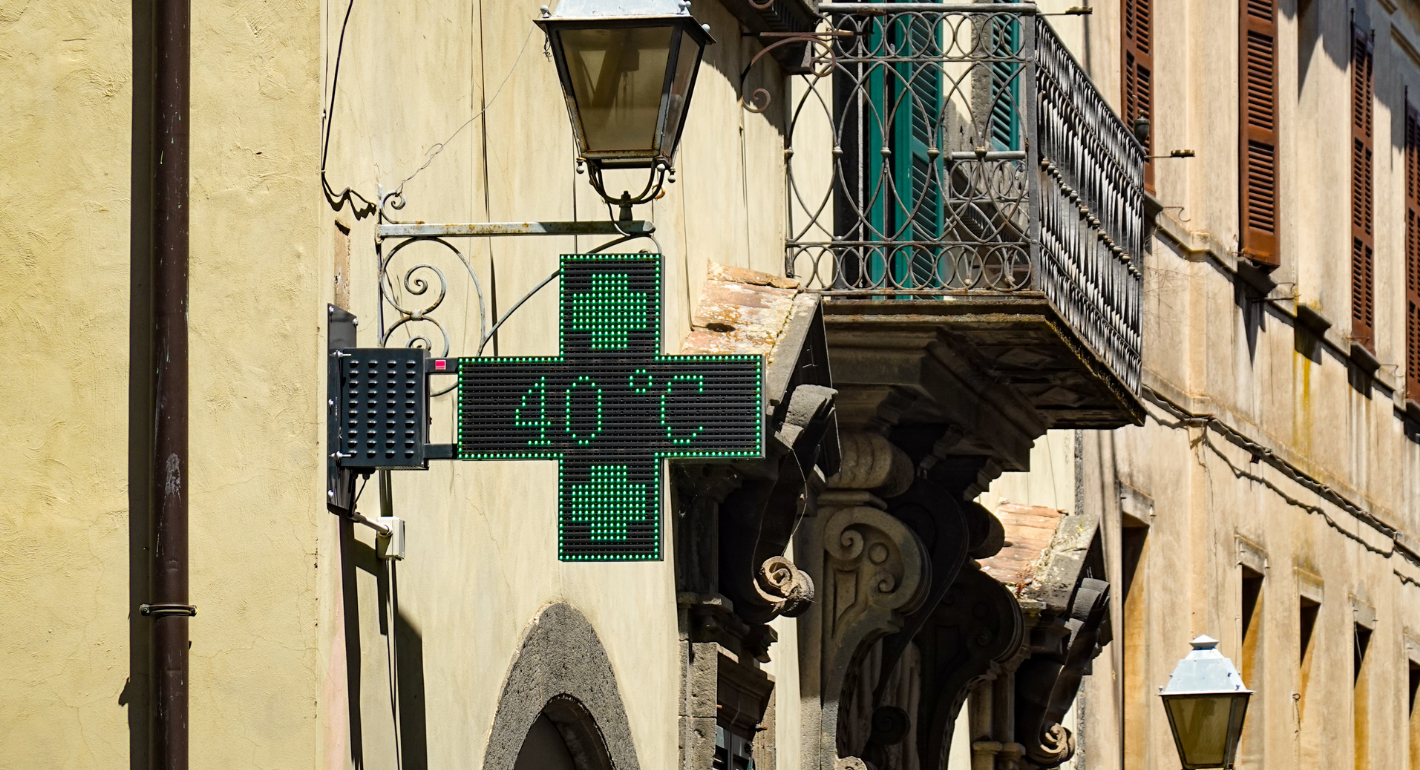
Western Europe’s dual-use infrastructure melted down during its latest heat wave. If a predicted hot weather event can take the continent by surprise, what chance does it have to withstand unexpected geopolitical crises?
Rym Momtaz