

Commentary
Thomas de Waal
{
  "authors": [
    "Thomas de Waal"
  ],
  "type": "other",
  "centerAffiliationAll": "dc",
  "centers": [
    "Carnegie Endowment for International Peace",
    "Carnegie Europe",
    "Carnegie Russia Eurasia Center"
  ],
  "collections": [],
  "englishNewsletterAll": "ctw",
  "nonEnglishNewsletterAll": "",
  "primaryCenter": "Carnegie Europe",
  "programAffiliation": "russia",
  "programs": [
    "Russia and Eurasia"
  ],
  "projects": [
    "Eurasia in Transition"
  ],
  "regions": [
    "Central Asia",
    "Caucasus"
  ],
  "topics": [
    "Security"
  ]
}
Source: Getty
The failure of the international community to recognize the Caucasus and Central Asia as a region with complex internal dynamics complicates efforts to respond to global challenges ranging from energy security and arms proliferation to humanitarian crises.
Source: Eurasia Foundation
While the international community believes that long-standing conflicts in the Caucasus and Central Asia are under control, these disputes are far more fragile than they look, warned Thomas de Waal at a panel discussion hosted by Eurasia Foundation. De Waal joined Fiona Hill of Brookings Institution and the Washington Post’s David Ignatius in an examination of the strategic importance of the Caucasus and Central Asia in the major international challenges currently faced by the United States. “These conflicts aren’t frozen. I prefer the term simmering conflicts, or smoldering conflicts,” de Waal said. “There’s a lot going on under the surface here.”
De Waal and Hill agreed that the international community can play a real role in helping resolve these conflicts. “Let the negotiators and the diplomats talk to civil society, talk to the small constituency of peace and try to cultivate it…bypassing the authorities, if the authorities are not willing,” de Waal said.

Senior Fellow, Carnegie Europe
De Waal is a senior fellow at Carnegie Europe, specializing in Eastern Europe and the Caucasus.
Recent Work
Thomas de Waal
Thomas de Waal, ed.
Carnegie does not take institutional positions on public policy issues; the views represented herein are those of the author(s) and do not necessarily reflect the views of Carnegie, its staff, or its trustees.

French President Emmanuel Macron has unveiled his country’s new nuclear doctrine. Are the changes he has made enough to reassure France’s European partners in the current geopolitical context?

Rym Momtaz, ed.
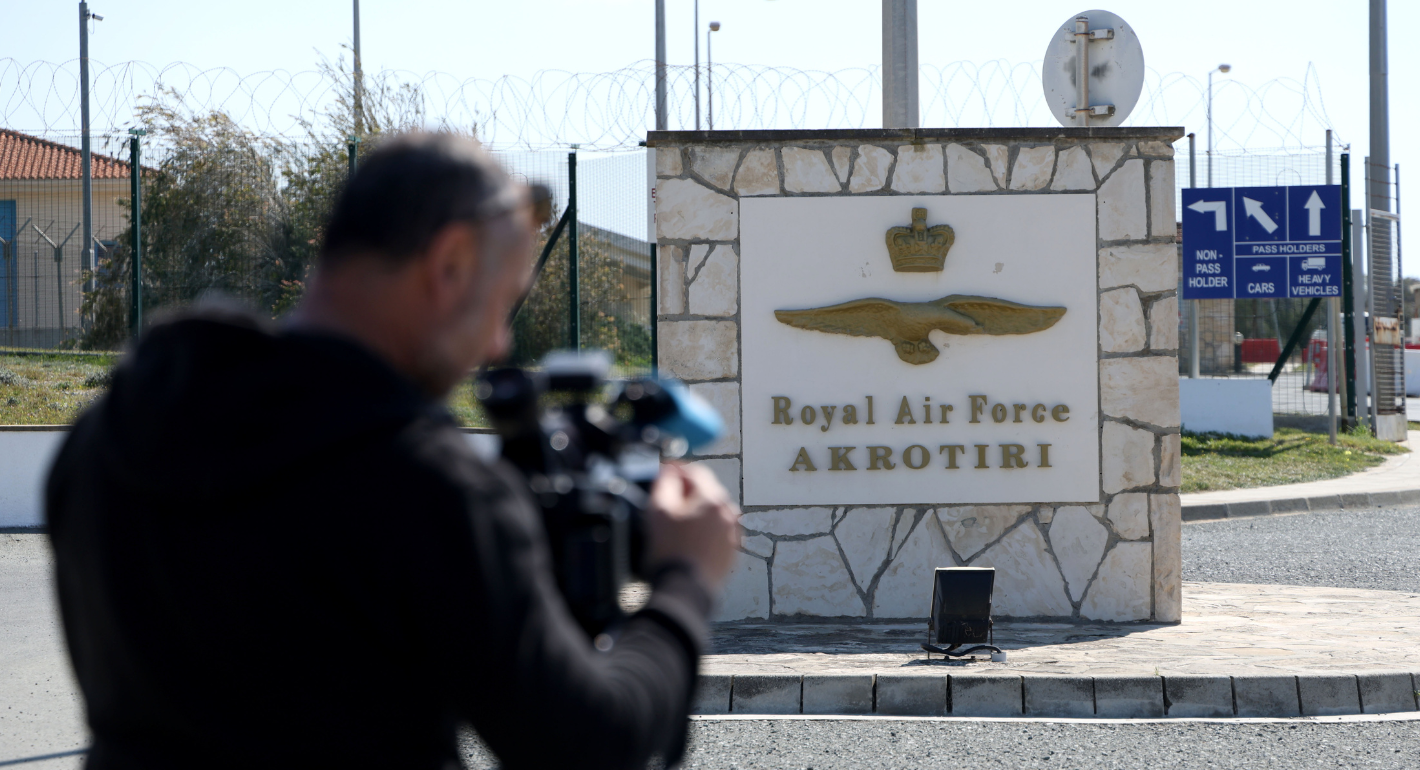
The drone strike on the British air base in Akrotiri brings Europe’s proximity to the conflict in Iran into sharp relief. In the fog of war, old tensions in the Eastern Mediterranean risk being reignited, and regional stakeholders must avoid escalation.

Marc Pierini
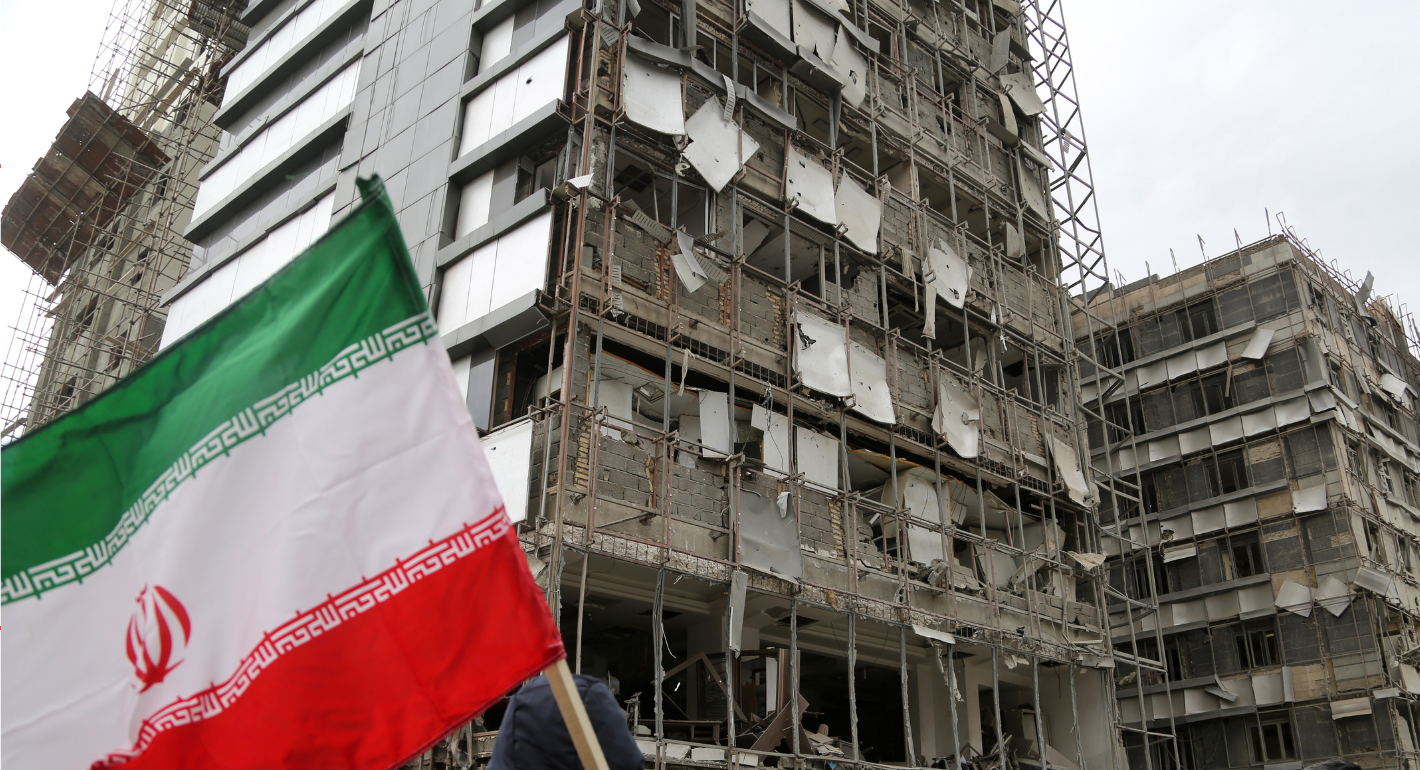
Europe’s reaction to the war in Iran has been disunited and meek, a far cry from its previously leading role in diplomacy with Tehran. To avoid being condemned to the sidelines while escalation continues, Brussels needs to stand up for international law.

Pierre Vimont
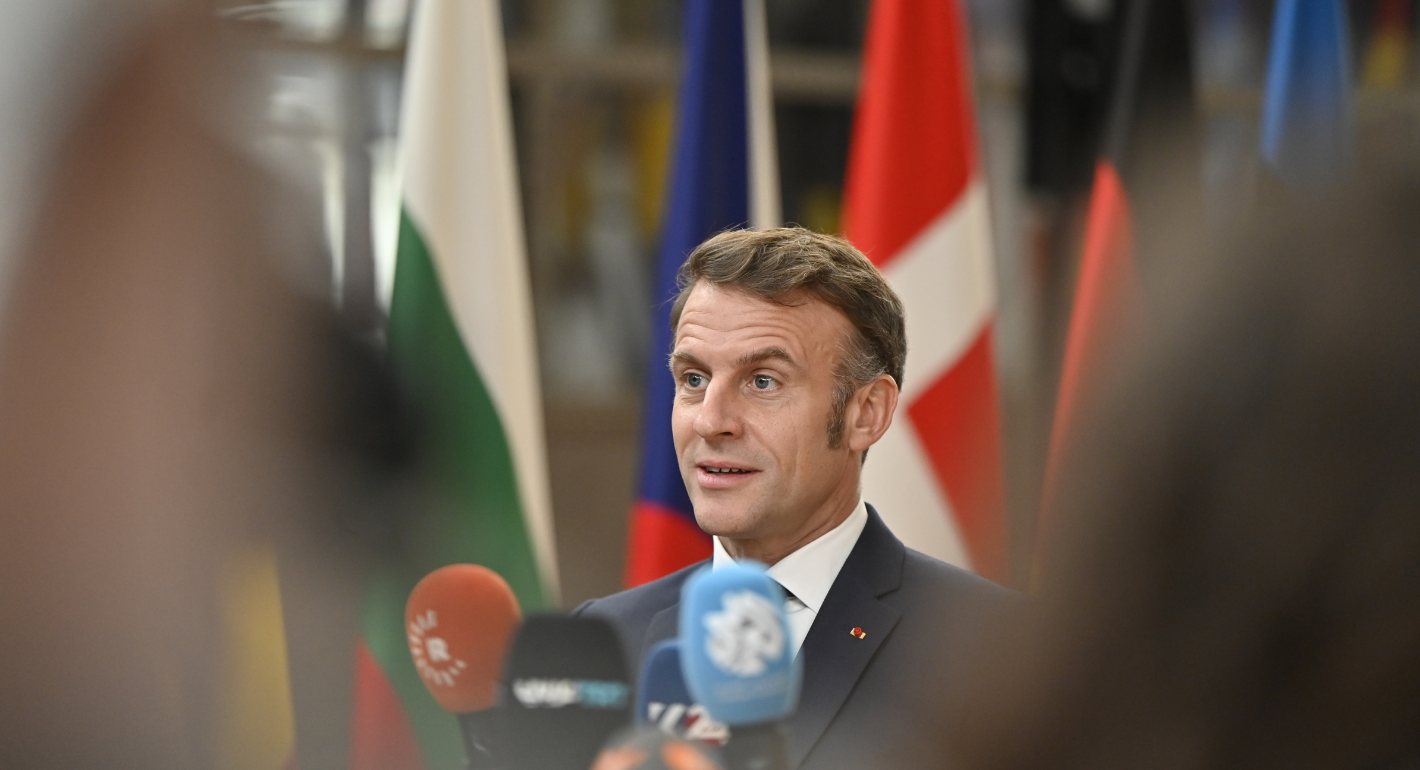
France has stopped clinging to notions of being a great power and is embracing the middle power moment. But Emmanuel Macron has his work cut out if he is to secure his country’s global standing before his term in office ends.
Rym Momtaz

Despite offering security benefits to candidates and the EU alike, the enlargement agenda appears stalled. Why is progress not being made, and is it time for Europe to rethink its approach?
Sylvie Goulard, Gerald Knaus