• Research
  • Strategic Europe
  • About
  • Experts
Carnegie Europe logoCarnegie lettermark logo
EUUkraine
  • Donate
{
  "authors": [],
  "type": "pressRelease",
  "centerAffiliationAll": "",
  "centers": [
    "Carnegie Endowment for International Peace"
  ],
  "collections": [],
  "englishNewsletterAll": "",
  "nonEnglishNewsletterAll": "",
  "primaryCenter": "Carnegie Endowment for International Peace",
  "programAffiliation": "",
  "programs": [],
  "projects": [],
  "regions": [
    "North America"
  ],
  "topics": [
    "Economy",
    "Trade"
  ]
}
REQUIRED IMAGE

REQUIRED IMAGE

Press Release

Global rebalancing is a dangerous obsession

The idea of global rebalancing—which aims to reduce trade deficits and surpluses—receives a great deal of attention and is a main agenda item at this weekend’s G20 finance ministers meeting. In a new policy brief, however, Uri Dadush writes that this focus is misguided.

Link Copied
Published on Feb 17, 2011

WASHINGTON, February 17—The idea of global rebalancing—which aims to reduce trade deficits and surpluses—receives a great deal of attention and is a main agenda item at this weekend’s G20 finance ministers meeting. In a new policy brief, however, Uri Dadush writes that this focus is misguided. Obsessing over global rebalancing stokes currency and protectionist tensions and diverts attention from what is really needed—reforms at home.

Key Conclusions:

  • Further global rebalancing is unlikely. Trade deficits and surpluses narrowed significantly during the Great Recession and with emerging markets in danger of overheating are unlikely to shrink further. The deficits and surpluses can be financed and eased over time and are largely the result of domestic forces. In many instances, further narrowing may not actually be desirable.
  • Exchange rates can’t rebalance economies on their own. While exchange rates are the main instrument governments have to directly affect external imbalances, both logic and experience indicate that they cannot correct external imbalances without simultaneous changes in underlying domestic savings and investment patterns.
  • Domestic reforms are most important. Countries should concentrate on fixing their domestic problems, for example, the large fiscal deficit in the United States and artificial impediments to growth in domestic consumption in China. Instead of focusing on trade deficits and surpluses, they should aim to expand domestic demand at the maximum sustainable rate.

"The rebalancing dispute rages on," writes Dadush. "The G20, beginning with the United States, may soon have to make a choice: deal decisively with the profound domestic vulnerabilities that the global financial crisis exposed, or put at risk the open, rules-based trading system that has underpinned postwar prosperity."

###

NOTES

Click here to read the policy brief online.

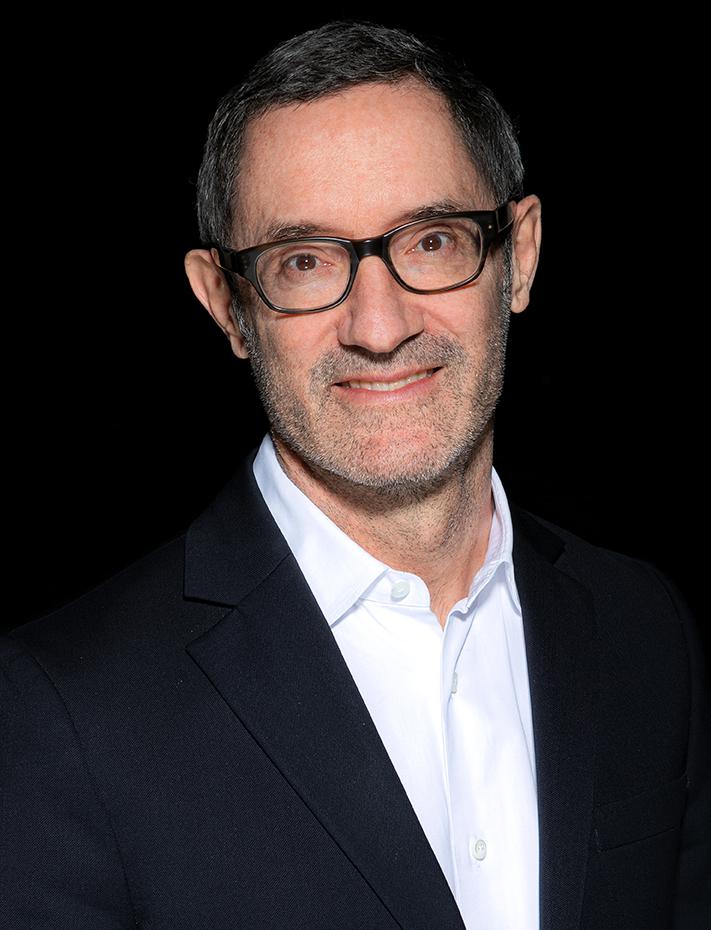
Uri Dadush is senior associate and director in Carnegie's International Economics Program. His work currently focuses on trends in the global economy, the global financial crisis, and the euro crisis. Dadush previously served as the World Bank’s director of international trade and director of economic policy. He has also served concurrently as the director of the Bank’s world economy group. Prior to joining the World Bank, he was president and CEO of the Economist Intelligence Unit and Business International.

The Carnegie International Economics Program monitors and analyzes short- and long-term trends in the global economy, including macroeconomic developments, trade, commodities, and capital flows, and draws out policy implications. The current focus of the Program is the global financial crisis and the policy issues raised. Among other research, the Program examines the ramifications of the rising weight of developing countries in the global economy.

Press Contact: Karly Schledwitz, 202-939-2233, pressoffice@ceip.org

EconomyTradeNorth America

Carnegie does not take institutional positions on public policy issues; the views represented herein are those of the author(s) and do not necessarily reflect the views of Carnegie, its staff, or its trustees.

More Work from Carnegie Europe

  • Turkey Erdogan Caucasus Central Asia
    Article
    How Turkey Can Help the Economies of the South Caucasus to Diversify

    Over the past two decades, regional collaboration in the South Caucasus has intensified. Turkey and the EU should establish a cooperation framework to accelerate economic development and diversification.

      • Feride Inan
      • Güven Sak
      • Berat Yücel

      Feride İnan, Güven Sak, Berat Yücel

  • Commentary
    Strategic Europe
    How Europe Can Survive the AI Labor Transition

    Integrating AI into the workplace will increase job insecurity, fundamentally reshaping labor markets. To anticipate and manage this transition, the EU must build public trust, provide training infrastructures, and establish social protections.

      Amanda Coakley

  • Commentary
    Strategic Europe
    Can Europe Still Matter in Syria?

    Europe’s interests in Syria extend beyond migration management, yet the EU trails behind other players in the country’s post-Assad reconstruction. To boost its influence in Damascus, the union must upgrade its commitment to ensuring regional stability.

      Bianka Speidl, Hanga Horváth-Sántha

  • Commentary
    Strategic Europe
    Taking the Pulse: Can the EU Attract Foreign Investment and Reduce Dependencies?

    EU member states clash over how to boost the union’s competitiveness: Some want to favor European industries in public procurement, while others worry this could deter foreign investment. So, can the EU simultaneously attract global capital and reduce dependencies?

      • Rym Momtaz

      Rym Momtaz, ed.

  • Commentary
    Strategic Europe
    Europolis, Where Europe Ends

    A prophetic Romanian novel about a town at the mouth of the Danube carries a warning: Europe decays when it stops looking outward. In a world of increasing insularity, the EU should heed its warning.

      Thomas de Waal

Get more news and analysis from
Carnegie Europe
Carnegie Europe logo, white
Rue du Congrès, 151000 Brussels, Belgium
  • Research
  • Strategic Europe
  • About
  • Experts
  • Projects
  • Events
  • Contact
  • Careers
  • Privacy
  • For Media
  • Gender Equality Plan
Get more news and analysis from
Carnegie Europe
© 2026 Carnegie Endowment for International Peace. All rights reserved.