

Commentary
Michael Pettis
{
  "authors": [
    "Michael Pettis"
  ],
  "type": "legacyinthemedia",
  "centerAffiliationAll": "dc",
  "centers": [
    "Carnegie Endowment for International Peace",
    "Carnegie China"
  ],
  "collections": [],
  "englishNewsletterAll": "asia",
  "nonEnglishNewsletterAll": "",
  "primaryCenter": "Carnegie China",
  "programAffiliation": "AP",
  "programs": [
    "Asia"
  ],
  "projects": [],
  "regions": [
    "East Asia",
    "China"
  ],
  "topics": [
    "Political Reform",
    "Economy",
    "Domestic Politics"
  ]
}
Source: Getty
China's leaders are engaged in a serious debate about rebalancing the Chinese economy, with reformers arguing that the growth model needs to transition away from an over reliance on investment in order to boost household consumption.
Source: Financial Times

Over the next decade as China’s economic growth outpaced consumption, household consumption declined slowly as a share of GDP, to reach a worrying 46 per cent in 2000. Such a low share left rising investment and trade surpluses as the main engines of Chinese growth. Both rose rapidly during the next decade, generating growth of more than 10 per cent annually.
In the next decade, however, thanks to the urgent need to repair China’s bankrupt banks, the divergence accelerated, and by 2005 consumption dropped to an unprecedented 40 per cent of GDP. Under Premier Wen Jiabao’s leadership Beijing resolved to rebalance the economy and increase the share of household consumption. But the low consumption share was not an accident. It is fundamental to the growth model and cannot be reversed without abandoning the model. Not surprisingly, Beijing was unwilling to do so, and household consumption declined further over the rest of the decade to an astonishing 35 per cent of GDP.
China’s breakneck economic growth was fuelled by vast transfers of household wealth, which subsidised the manufacturing and investment boom and paid for bad loans. The most important of these transfers is the very low interest rate set by the central bank, which takes at least 5-7 per cent of GDP every year from households to give to banks and borrowers. Lower household wealth, of course, means lower household consumption.
China’s investment-driven growth model is not unique. Many countries have used a version of this successful strategy, but all run into the same constraint. Rapidly expanding, politically directed investment tends to be misallocated. The losses are disguised, but not eliminated, by the huge hidden interest rate subsidies.
China is no exception. It is misallocating capital on an unsustainable scale. So now Beijing must allow households to increase their share of the vast wealth generated in recent decades so that consumption, and not more investment, can be the next great driver of growth. But here’s the catch. Rebalancing requires that China reduce investment growth. The more bad investment China piles up, the more it must transfer wealth from households to keep those investments viable. But lower investment will cause a dramatic drop in economic growth. Accelerating investment is the only way policymakers can maintain high growth rates.
This is why the debate within China has become so contentious. Reformers argue that the transition to a more sustainable growth model requires reduced investment – and slower GDP growth. Their opponents, concentrated in sectors that benefited from the growth model, do not see the link between rapid growth and low consumption. They argue for administrative steps to improve consumption without decelerating investment.
How quickly China resolves this debate is crucial. The historical precedents make it clear that once domestic imbalances are severe, the longer a country waits to adjust away from investment-driven growth, the more costly it is. But precedent also makes it clear how addictive the model can be. This is the challenge for China’s leadership. As long as investment grows quickly, it will require more subsidies from the household sector, and the household consumption share of GDP will stagnate. It is not until China makes the transition to a new growth model that rebalancing will begin.
The heated debate between the reformers, who are as unpopular as anyone who brings bad news tends to be, and those who see no reason to abandon a model that has generated such spectacular growth, has become one of the debates in the world. How quickly it is resolved will determine the pace and nature of China’s economic growth over the next several decades.

Nonresident Senior Fellow, Carnegie China
Michael Pettis is a nonresident senior fellow at the Carnegie Endowment for International Peace. An expert on China’s economy, Pettis is professor of finance at Peking University’s Guanghua School of Management, where he specializes in Chinese financial markets.
Recent Work
Michael Pettis
Michael Pettis
Carnegie does not take institutional positions on public policy issues; the views represented herein are those of the author(s) and do not necessarily reflect the views of Carnegie, its staff, or its trustees.
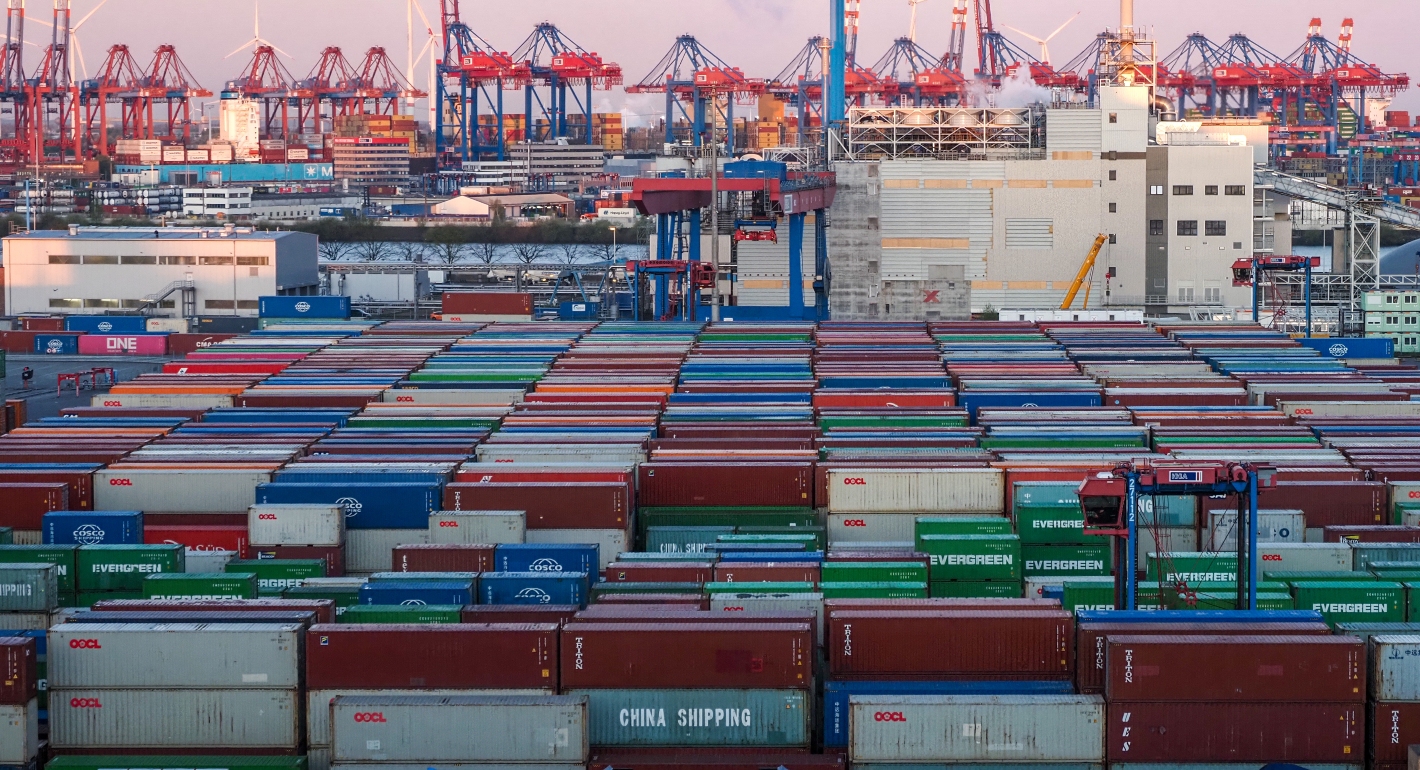
As geopolitical rivalry weaponizes global supply chains, the EU’s true vulnerability lies in emerging-risk imports. For these goods, suppliers are growing more concentrated, substitution more difficult, and political risk is looming.

Sinan Ülgen

The EU is putting together a new security strategy to meet today’s myriad challenges. But for any proposal to be effective, the union needs to grapple with its identity and ambitions.

Pierre Vimont
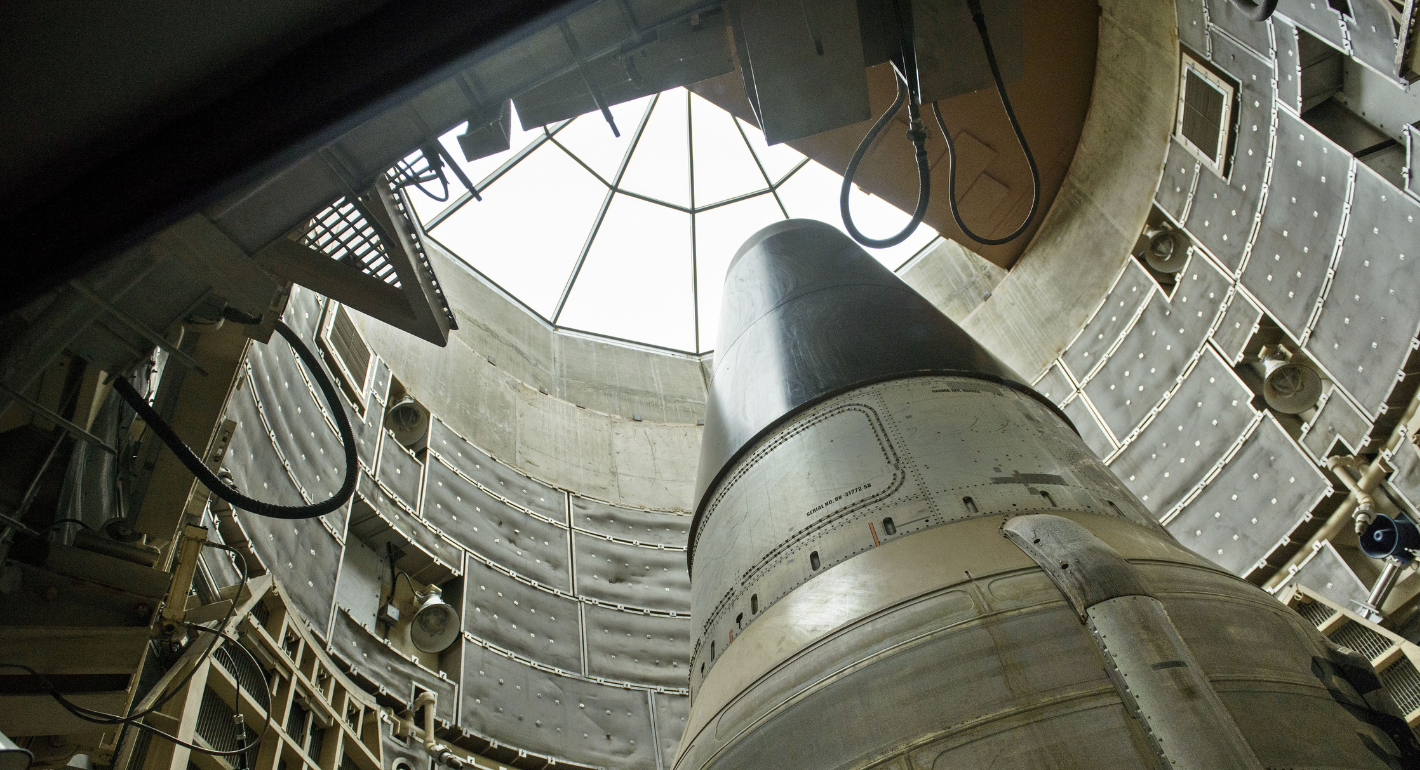
Amid uncertainty caused by the Iran war, the global drive for nonproliferation has stalled. With Europe diplomatically marginalized and countries reassessing their nuclear options, efforts to curb the spread of nuclear weapons risk becoming irrelevant.

Jane Darby Menton
Between the United States’ market-driven approach and China's state-led industrial strategy, Europe is reckoning with how it can remain competitive in the global economy. But is Europe in danger of becoming a U.S. or China colony?


Noah Barkin, Anu Bradford

Preparing candidate countries for EU membership is no longer enough. As the enlargement process becomes a reality, the union must also prepare its own societies.

Iliriana Gjoni