

Paper
Gilles Dorronsoro
{
  "authors": [
    "Gilles Dorronsoro"
  ],
  "type": "legacyinthemedia",
  "centerAffiliationAll": "dc",
  "centers": [
    "Carnegie Endowment for International Peace",
    "Carnegie Russia Eurasia Center"
  ],
  "collections": [],
  "englishNewsletterAll": "ctw",
  "nonEnglishNewsletterAll": "",
  "primaryCenter": "Carnegie Endowment for International Peace",
  "programAffiliation": "SAP",
  "programs": [
    "South Asia"
  ],
  "projects": [
    "Eurasia in Transition"
  ],
  "regions": [
    "South Asia",
    "Afghanistan",
    "Pakistan"
  ],
  "topics": [
    "Security",
    "Foreign Policy"
  ]
}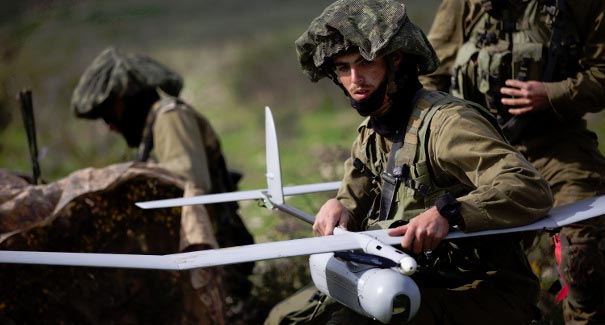
Source: Getty
While Osama bin Laden’s death will not put an end to jihadist groups, it could help facilitate a political solution in Afghanistan, offering President Obama the political capital and opportunity to begin negotiations with the Taliban.
Source: New York Times

Under pressure, al-Qaeda has not been able to carry out major operations against Western countries for the last few years. Bin Laden had mostly taken on a symbolic role and his removal doesn’t directly affect an organization that is largely decentralized. The fate of Ayman al Zawahiri, al-Qaeda’s second-in-command, remains unknown, but he will probably replace bin Laden and an internal crisis like the one that divided the Pakistani Taliban is unlikely.
Of course, the current events in the Middle East — from Yemen to Iraq — give al-Qaeda ample opportunities to recruit militants, and it is wishful thinking to believe that bin Laden’s death will cause a major shift in the perceptions of the United States. In addition, nothing indicates that other jihadist groups, for example Lashkar-e-Taiba in Pakistan, will be affected by the killing of Osama.
The real impact could be on the Afghan war. On the military side, al-Qaeda has not played an important role and one should not wait for a different strategy or a less aggressive Taliban this summer. The “surge” has failed and the momentum is definitively with the Taliban. But on the political side, the removal of bin Laden from the political equation opens a window of opportunity for the White House to start negotiations with the Taliban’s leadership.
First, after such a victory, Obama has gained a great deal of political capital—he is immune for the moment from Republican criticism and can more easily negotiate with the Taliban. Second, it will be easier for the Taliban to distance itself from al-Qaeda after bin Laden’s death. Finally, the Pakistani military are now under pressure to explain how the mastermind of the 9/11 attacks was able to stay so deep inside Pakistan near a military academy. Whatever the answer—incompetence or complicity—this gives the White House some leverage in pushing Pakistan to make positive steps.
Osama bin Laden’s death will certainly not put an end to jihadist groups, but it could help facilitate a political solution in Afghanistan. With conditions on the ground making it obvious that a military solution doesn’t make sense, this is a chance for Washington to change strategy and do the sensible thing in Afghanistan after almost ten years at war. The question becomes: will President Obama use his newly acquired political capital to make a major diplomatic opening?
Former Nonresident Scholar, South Asia Program
Dorronsoro’s research focuses on security and political development in Afghanistan. He was a professor of political science at the Sorbonne in Paris and the Institute of Political Studies of Rennes.
Recent Work
Gilles Dorronsoro
Gilles Dorronsoro
Carnegie does not take institutional positions on public policy issues; the views represented herein are those of the author(s) and do not necessarily reflect the views of Carnegie, its staff, or its trustees.
The EU’s new migration policy is not suited to today’s realities. With climate change increasingly becoming a driver of displacement, Europe needs to rethink its deterrence-focused approach.

Shana Tabak
Europe seems to have accepted its sidelining in the Middle East. The EU must reassert its support for the international rules-based order and step up engagement.

Rym Momtaz
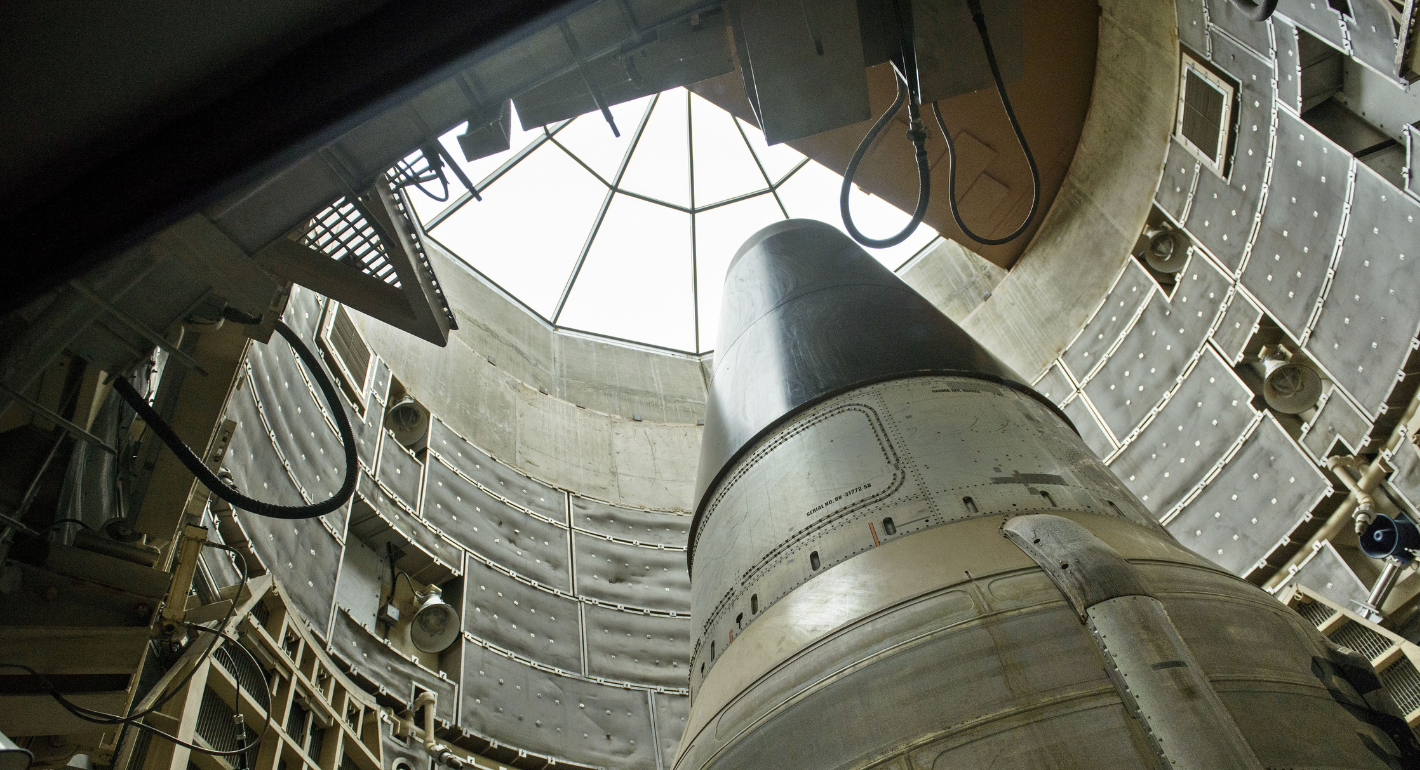
Amid uncertainty caused by the Iran war, the global drive for nonproliferation has stalled. With Europe diplomatically marginalized and countries reassessing their nuclear options, efforts to curb the spread of nuclear weapons risk becoming irrelevant.

Jane Darby Menton
Between the United States’ market-driven approach and China's state-led industrial strategy, Europe is reckoning with how it can remain competitive in the global economy. But is Europe in danger of becoming a U.S. or China colony?

Noah Barkin, Anu Bradford
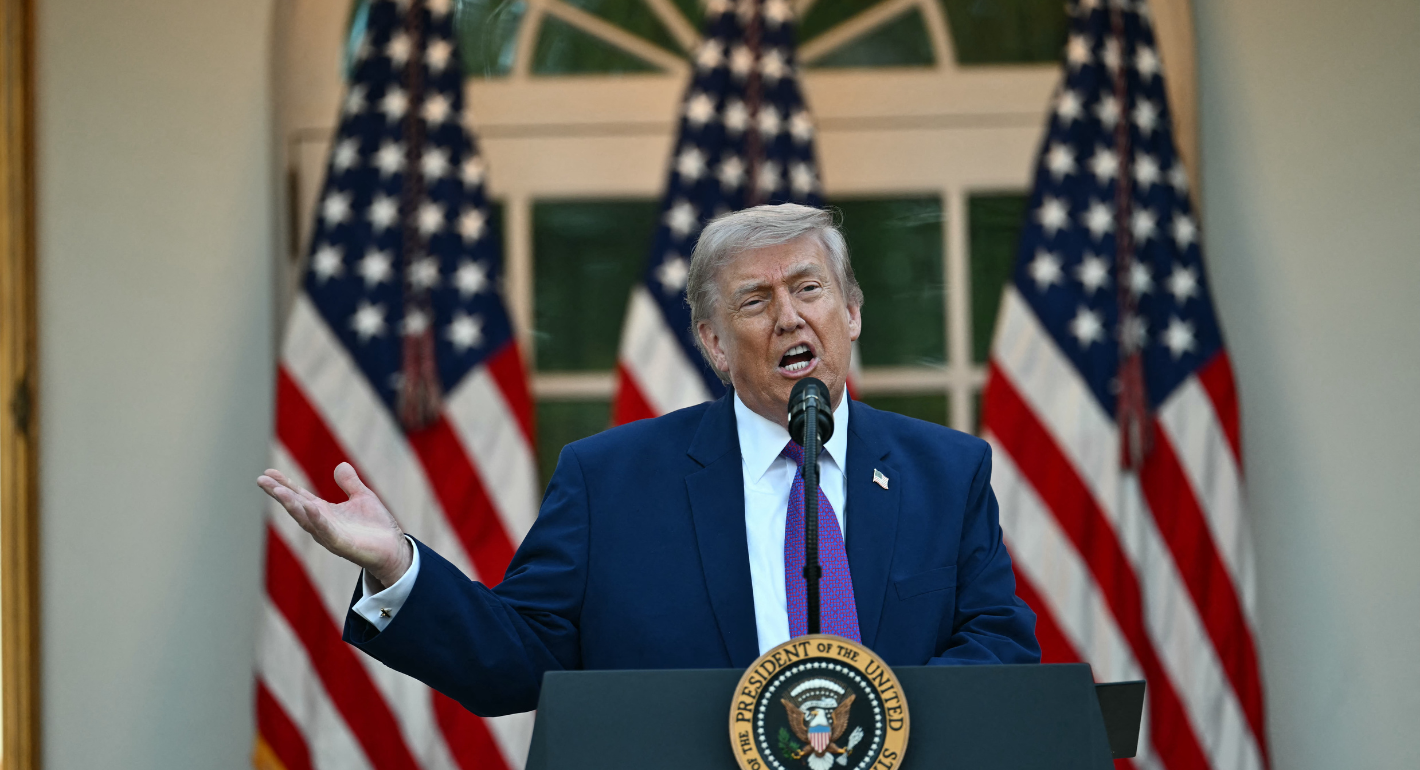
The full list of humiliations Europe has endured since Donald Trump returned to the White House makes for grim reading. But Washington’s adversarial approach to its allies undermines its own power base.
Rym Momtaz