

Article
Deborah Gordon, Stephen D. Ziman
{
  "authors": [
    "Deborah Gordon"
  ],
  "type": "legacyinthemedia",
  "centerAffiliationAll": "dc",
  "centers": [
    "Carnegie Endowment for International Peace"
  ],
  "collections": [],
  "englishNewsletterAll": "ctw",
  "nonEnglishNewsletterAll": "",
  "primaryCenter": "Carnegie Endowment for International Peace",
  "programAffiliation": "SCP",
  "programs": [
    "Sustainability, Climate, and Geopolitics"
  ],
  "projects": [],
  "regions": [
    "North America",
    "United States"
  ],
  "topics": [
    "Economy",
    "Climate Change"
  ]
}
Source: Getty
As the recent freeway closure in Los Angeles draws attention to America's reliance on the automobile, it should also prompt policymakers to consider the long-term challenge of global automobile proliferation.
Source: NPR's To the Point
Speaking on NPR's To the Point, Carnegie's Deborah Gordon explained that while the recent freeway closure in Los Angeles, popularly dubbed "carmageddon," received a great deal of media attention, the long-term challenge of automobile proliferation globally presents a far more daunting and recurring challenge. With two billion cars expected by 2020, it is incumbent upon policymakers to find innovative ways to avoid a future dominated by gridlock, pollution, and inaccessibility.

Former Director and Senior Fellow, Energy and Climate Program
Gordon was director of Carnegie’s Energy and Climate Program, where her research focuses on oil and climate change issues in North America and globally.
Recent Work
Deborah Gordon, Stephen D. Ziman
Deborah Gordon, Smriti Kumble, David Livingston
Carnegie does not take institutional positions on public policy issues; the views represented herein are those of the author(s) and do not necessarily reflect the views of Carnegie, its staff, or its trustees.
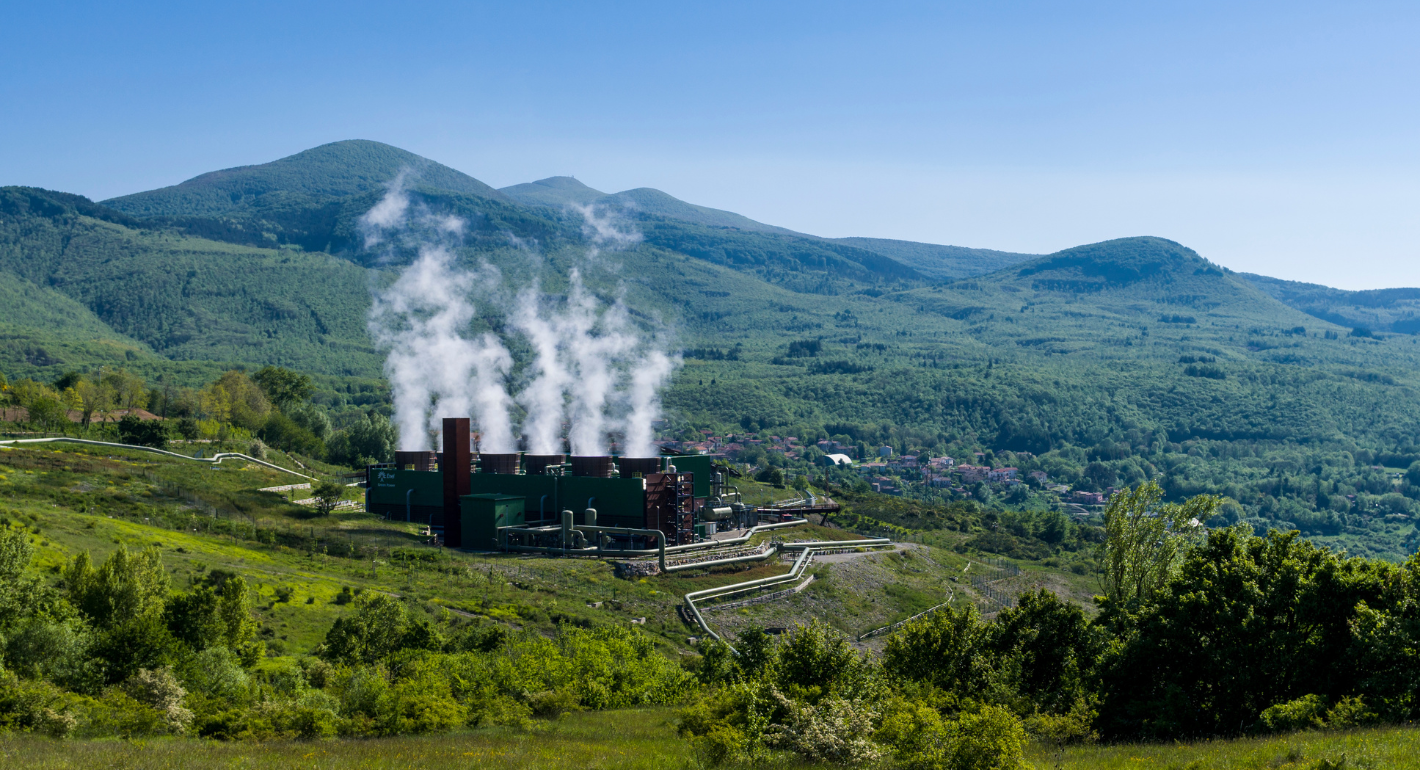
Europe’s industrial supply chains leave it vulnerable to global shocks. The EU needs a pragmatic green industrial strategy that balances durable partnerships and bolsters homegrown clean tech without sacrificing low-carbon ambition.


Milo McBride, Pauline Gerard

When the U.S.-Iran memorandum of understanding was announced, the UK, France, Germany, and Italy declared their readiness to help demine the Strait of Hormuz and lift nuclear sanctions on Tehran. But does Europe need new tools to recover a diplomatic role?

Rym Momtaz, ed.

As geopolitical rivalry weaponizes global supply chains, the EU’s true vulnerability lies in emerging-risk imports. For these goods, suppliers are growing more concentrated, substitution more difficult, and political risk is looming.

Sinan Ülgen
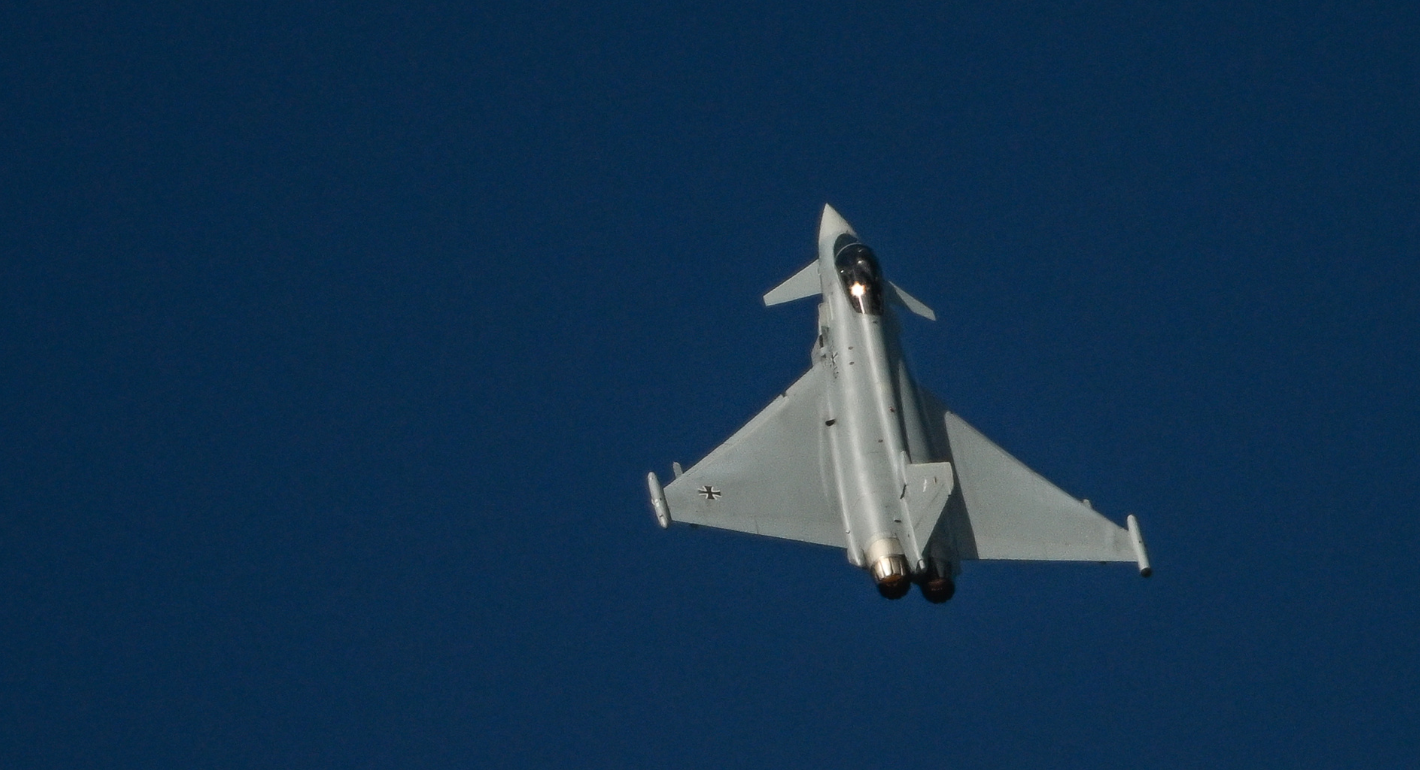
The EU is putting together a new security strategy to meet today’s myriad challenges. But for any proposal to be effective, the union needs to grapple with its identity and ambitions.

Pierre Vimont

The EU’s new migration policy is not suited to today’s realities. With climate change increasingly becoming a driver of displacement, Europe needs to rethink its deterrence-focused approach.

Shana Tabak