

Paper
Ibrahim Saif, Ahmed Ghoneim
{
  "authors": [
    "Ibrahim Saif"
  ],
  "type": "legacyinthemedia",
  "centerAffiliationAll": "",
  "centers": [
    "Carnegie Endowment for International Peace",
    "Carnegie Europe",
    "Malcolm H. Kerr Carnegie Middle East Center"
  ],
  "collections": [
    "Arab Awakening"
  ],
  "englishNewsletterAll": "",
  "nonEnglishNewsletterAll": "",
  "primaryCenter": "Malcolm H. Kerr Carnegie Middle East Center",
  "programAffiliation": "",
  "programs": [],
  "projects": [],
  "regions": [
    "Egypt",
    "Gulf",
    "Levant",
    "Maghreb",
    "Middle East",
    "North Africa"
  ],
  "topics": [
    "Economy",
    "Political Reform"
  ]
}
Source: Getty
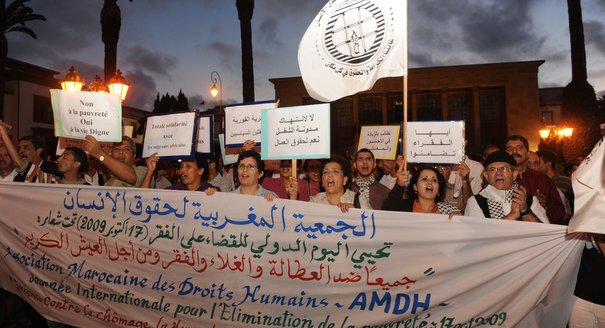
Debates within Arab countries transitioning toward democracy must take into account the critical question of taxation, which shapes the contours of the social contract between the state and all components of society.
Source: Los Angeles Times

In developed countries, taxation shapes the contours of the social contract that governs the relationship between the state on the one hand and all components of society on the other, whether individual citizens, businesses or social interest groups. As a result, it is a fundamental pillar of democracy and accountability. Taxation determines the size of state revenue, and thus its ability to spend on vital matters—that is, the basis of states’ competency, legitimacy and its ability to achieve.
In the Arab world, there are two groups of states. The first group, the Gulf states—which take in oil revenues—redistribute part of these revenues to citizens and do not impose taxes. The second group, the non-oil Arab states—which have much lower per-capita incomes, depend on foreign markets or some foreign sources of income such as aid and workers’ remittances (Tunisia, Lebanon and Jordan, for example) or a mixture of aid and rent sources, such as in Egypt, which contains natural sources and the Suez Canal.
The common denominator among the second group states is that they have not resorted to complex regimes for progressive taxation on individual incomes and corporate profits. Rather, they have primarily used indirect taxation. This approach does not greatly distinguish between the rich and poor but instead uses taxes—such as the value-added tax (VAT), which is a fixed percentage imposed on goods and services consumed inside a country irrespective of who the consumer is, custom fees on imported commodities, and additional fees sometimes imposed in a haphazard way, such as land fees, education fees, etc.—to generate state revenue.
Such indirect taxes are easy to collect and assess and do not require specialized tax staff. Furthermore, this kind of taxation, due to its wide base, normally does not worry or vex the traditional power centers in these states. In fact, the burden of such taxation on consumption favors the rich when one considers the difference between their income and consumption levels.
Indirect taxes also reduce political tensions. With direct taxes, the income tax goes right from the citizen’s pocket to the state’s treasury. The citizen therefore feels the loss of money and begins to question the legitimacy of these taxes and how they are spent.
Indirect taxes, however, do not normally generate such a response, perhaps because they are not paid at once but are linked to sporadic consumption throughout the month or year. These factors have motivated pre-revolution autocratic Arab states to implement indirect taxation while claiming their intentions of transitioning to direct taxation in the future.
More importantly, as long as sources of rent and other additional sources of income accrued directly to the state were available, they did not want to create any political opening that welcomed this taxation.
With winds of change blowing throughout the region, accompanied by talk of comprehensive political and economic reform, the lack of dialogue about how progressive taxation can open the door to political change and social justice is shocking. It is, rather, currently focused on the subjects of corruption, the privatization of public-sector enterprises, and social subsidies. Taxes—which could form the first step of the new social contract—are almost entirely absent from this discussion.
In conversations at the elite level, taxation does not receive sufficient attention. Perhaps it is because of its technical aspect or a collusion of some sort between elites and the official sectors collecting taxes. They neutralize the subject and keep it out of public dialogue. They do so because imposing direct taxes could increase accountability regarding justice in taxation and expenditure as well as the need for progressive taxation: redistributing income and improving the chances of those with limited income to benefit from taxes imposed on the rich.
One expert offered one of the best expressions on taxation in the Arab region explaining that non-oil Arab states are trying to achieve the “welfare of the Scandinavian states with African tax levels.”
Egypt took an important step in its 2011-12 budget by suggesting a capital gains tax on profits from capital operations, such as stock and real estate profits, raising taxes on the highest income bracket by 5%. This marks the founding of a new stage, perhaps one in which the government prioritizes the middle class rather than the rich.
The significant question now is how this concept of taxation as a political means can be introduced within debates in the Arab countries. What role can the international community play and how will local economic and political elites of each country address a topic that so far has been unwisely and critically ignored.
Former Senior Associate, Middle East Center
Saif is an economist specializing in the political economy of the Middle East. His research focuses on international trade and structural adjustment programs in developing countries, with emphasis on Jordan and the Middle East.
Recent Work
Ibrahim Saif, Ahmed Ghoneim
Ibrahim Saif, Muhammad Abu Rumman
Carnegie does not take institutional positions on public policy issues; the views represented herein are those of the author(s) and do not necessarily reflect the views of Carnegie, its staff, or its trustees.
Europe has an interest in supporting Armenian leader Nikol Pashinyan as he tries to make peace with neighbors and loosen ties with Russia. But it is depersonalized support in the long term, not quickfire flash, that will win the day.

Thomas de Waal
Europe has been standing by while its Southern neighborhood is being redrawn by force. To establish a path to peace between Israel and Lebanon, it’s time for Europeans to get involved with hard power.

Rym Momtaz
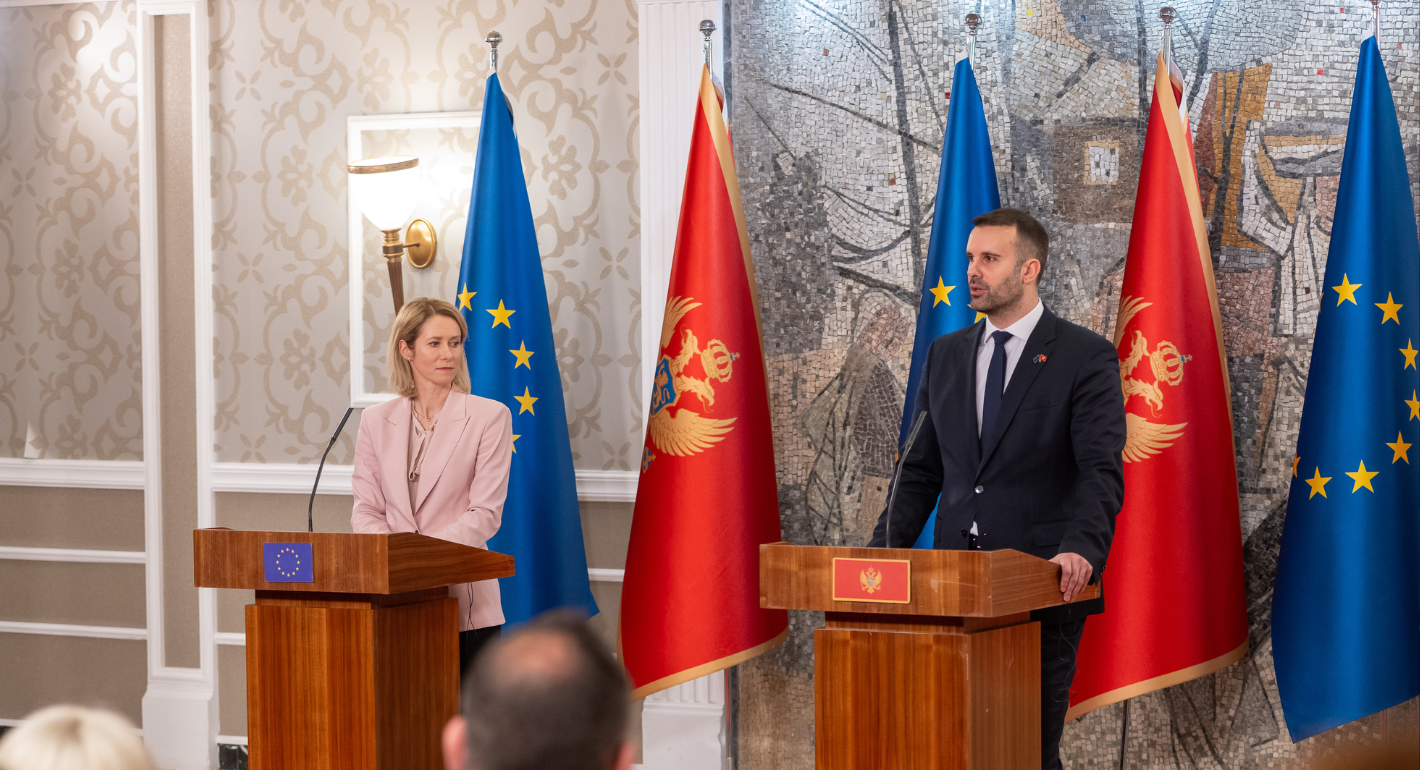
Montenegro and Albania are frontrunners for EU enlargement in the Western Balkans, but they can’t just sit back and wait. To meet their 2030 accession ambitions, they must make a strong positive case.


Dimitar Bechev, Iliriana Gjoni
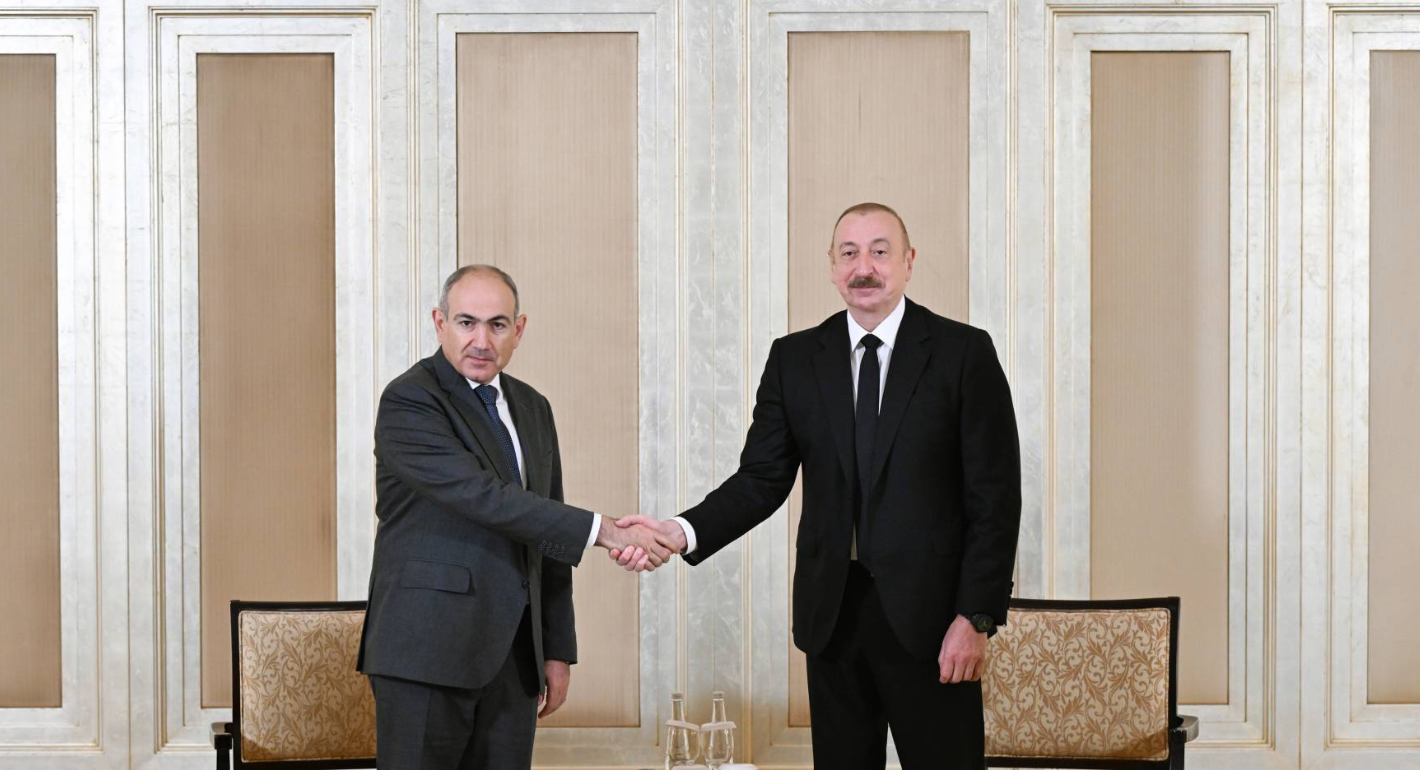
The U.S.-sponsored TRIPP deal is driving the Armenia-Azerbaijan peace process forward. But foreign and domestic hurdles remain before connectivity and economic interdependence can open up the South Caucasus.

Thomas de Waal, Areg Kochinyan, Zaur Shiriyev
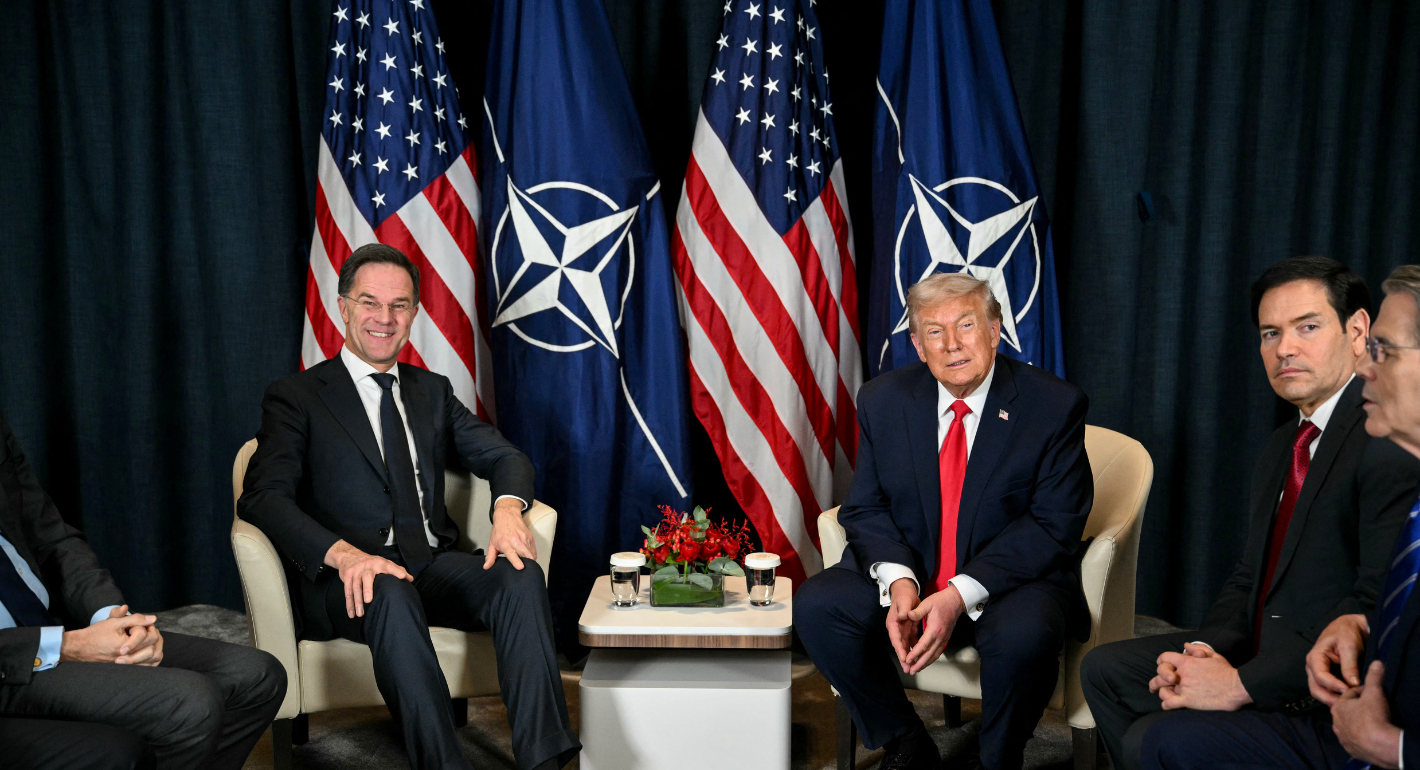
Donald Trump has demanded that European allies send ships to the Strait of Hormuz while his war of choice in Iran rages on. He has constantly berated NATO while the alliance’s secretary-general has emphatically supported him.
Rym Momtaz, ed.