

Other
- +18
James M. Acton, Saskia Brechenmacher, Cecily Brewer, …
{
  "authors": [
    "James M. Acton"
  ],
  "type": "legacyinthemedia",
  "centerAffiliationAll": "dc",
  "centers": [
    "Carnegie Endowment for International Peace"
  ],
  "collections": [
    "U.S. Nuclear Policy"
  ],
  "englishNewsletterAll": "ctw",
  "nonEnglishNewsletterAll": "",
  "primaryCenter": "Carnegie Endowment for International Peace",
  "programAffiliation": "NPP",
  "programs": [
    "Nuclear Policy"
  ],
  "projects": [],
  "regions": [
    "North America",
    "United States"
  ],
  "topics": [
    "Nuclear Policy",
    "Nuclear Energy"
  ]
}
Source: Getty
The recent 5.8-magnitude earthquake had more of an impact on a Virginia nuclear plant than first thought. For the first time in American history, an earthquake has shifted the casts that hold spent nuclear fuel.
Source: CNN
BLITZER: The 5.8-magnitude earthquake last week had more of an impact on a Virginia nuclear plant than we first thought. Our Brian Todd has been investigating the situation for us at the plant since the quake hit. Brian, what are you finding out?
BRIAN TODD: Wolf, for the first time in American history, an earthquake has actually shifted those massive casts that hold spent nuclear fuel. These things weigh 115 tons each and hold at least 15 metric tons of spent fuel. This information coming out even though officials at the plant knew about it shortly after the quake.
TODD: East Coast's biggest earthquake in decades had this effect on a school at the epicenter. Now it turns out just a few miles away in central Virginia, huge containers holding spent nuclear fuel rods, each of them 16 feet high weighing 115 tons, holding at least 15 metric tons of spent fuel, shifted during the earthquake, something plant officials never said at the time.
An official with Dominion Virginia Power, which owns the North Anna nuclear power station, says 25 of the 27 vertical casts moved between one inch and four inches. The officials says none of the casts were damaged and no radiation leaked out. But anti-nuclear activists are alarmed.
KEVIN KAMPS, ANTI-NUCLEAR ACTIVIST: Very concerned because this material is ultra-hazardous inside. This is high-level radioactive waste. If you lose radiation shielding, you can deliver a fatal dose in a few minutes' time to a person at close range.
TODD: Also according to Virginia Dominion Power, horizontal bunkers next to the vertical casts also holding spent fuel rods sustained what an official called cosmetic damage, concrete coming loose on their surfaces.
I asked nuclear expert James Acton for perspective on all of it. How dangerous is this?
JAMES ACTON, ASSOCIATE, CARNEGIE ENDOWMENT FOR INTERNATIONAL PEACE: Not terribly, I think, is the short answer to that.
Any time something slightly unexpected happens with dry casts, then it is a cause for some concern. And it has to be investigated to see whether there is a systemic problem here. But I think the safety risk here was absolutely tiny.
TODD: All right. But they shifted four inches. What if one of them started wobbling, hit another one, and then you have got the bowling pin effect of them falling down? Isn't that a real danger?
ACTON: Well, had the shaking been large enough, then that would have been a concern. But if you think about this in terms of your refrigerator at home, when your refrigerator is on and the motor is going, actually it's quite easy to push the refrigerator even though there is absolutely no chance of the refrigerator tipping over.
We were at North Anna the day of the earthquake and all day the next day. We kept asking about damage to the plant, were told it was very minimal. We were never told that the spent fuel casts had shifted, even though an official there says they knew about that early on.
TODD: Should they have told the public sooner about the movement of the casts?
ACTON: It doesn't help the nuclear industry if there is any hint of them covering anything up. So I think it would have been better had this information come out earlier.
TODD: But James Acton reiterates the safety risks with the shifting casts was -- quote -- "minuscule."
Now, when I asked an official with Dominion Virginia Power why they didn't tell the public sooner about the issue with the casts, he said -- quote -- "We had a lot going on. There was no indication of any problem, and there isn't any problem" -- Wolf.
BLITZER: And, Brian, there are now new questions about whether this plant was actually designed to withstand an earthquake.
TODD: That's right. An official with Dominion Virginia Power says last week the company notified the Nuclear Regulatory Commission that the earthquake may have shaken the plant more than it was designed to handle.
He says the company is analyzing the seismic features, the ground motion of the earthquake, and then will determine whether the ground motion exceeded the plant's design.
BLITZER: Brian Todd reporting for us, thanks very much.
Here on the East Coast, safety nets are going up along the ceiling of the Washington National Cathedral, a new precaution after the building was damaged by the recent earthquake. The cathedral was open to reporters today for the first time since the earthquake.
It will stay closed for repairs for another week and then reopen in time for President Obama to speak there on the 10th anniversary of 9/11.

Jessica T. Mathews Chair, Co-director, Nuclear Policy Program
Acton holds the Jessica T. Mathews Chair and is co-director of the Nuclear Policy Program at the Carnegie Endowment for International Peace.
Recent Work
James M. Acton, Saskia Brechenmacher, Cecily Brewer, …
James M. Acton
Carnegie does not take institutional positions on public policy issues; the views represented herein are those of the author(s) and do not necessarily reflect the views of Carnegie, its staff, or its trustees.
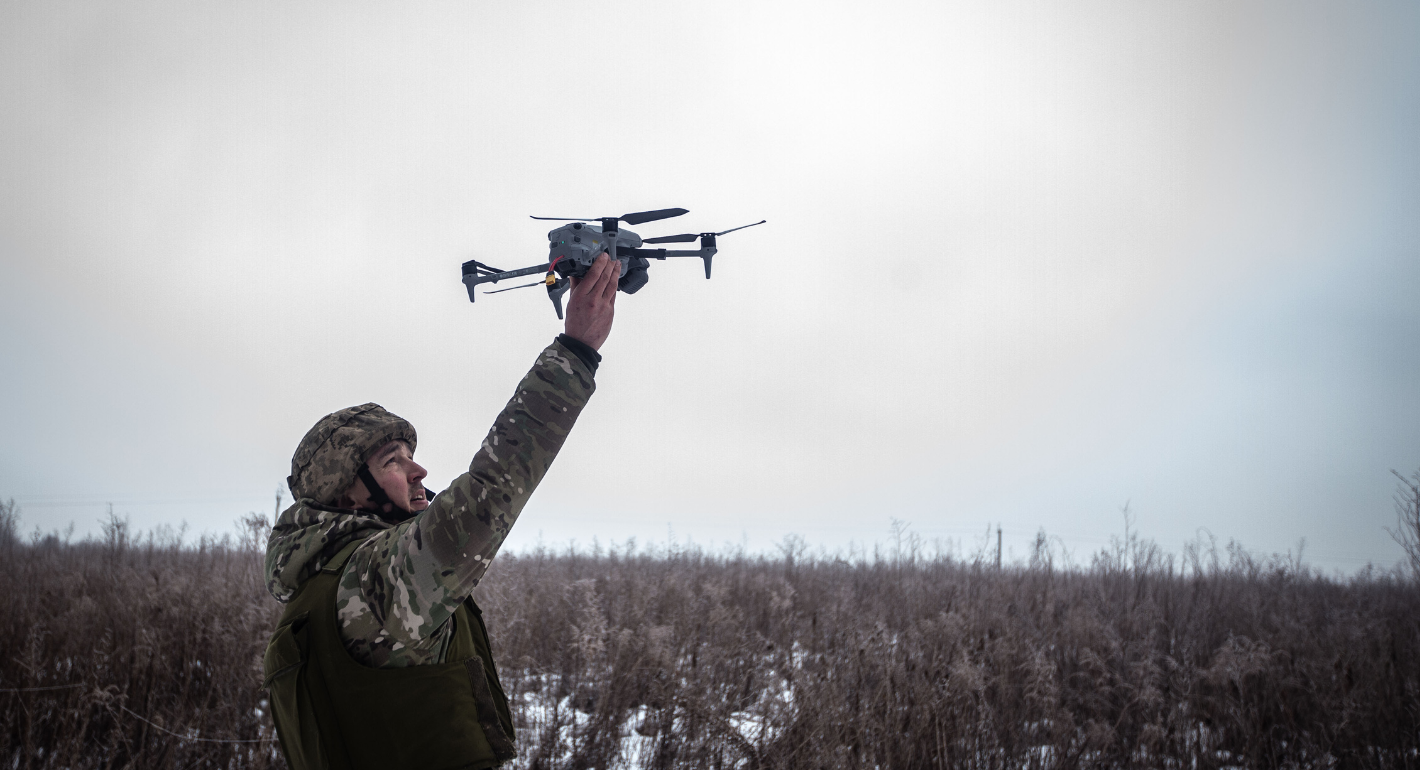
In Ukraine, Gaza, and Iran, AI warfare has come to dominate, with barely any oversight or accountability. Europe must lead the charge on the responsible use of new military technologies.

Raluca Csernatoni
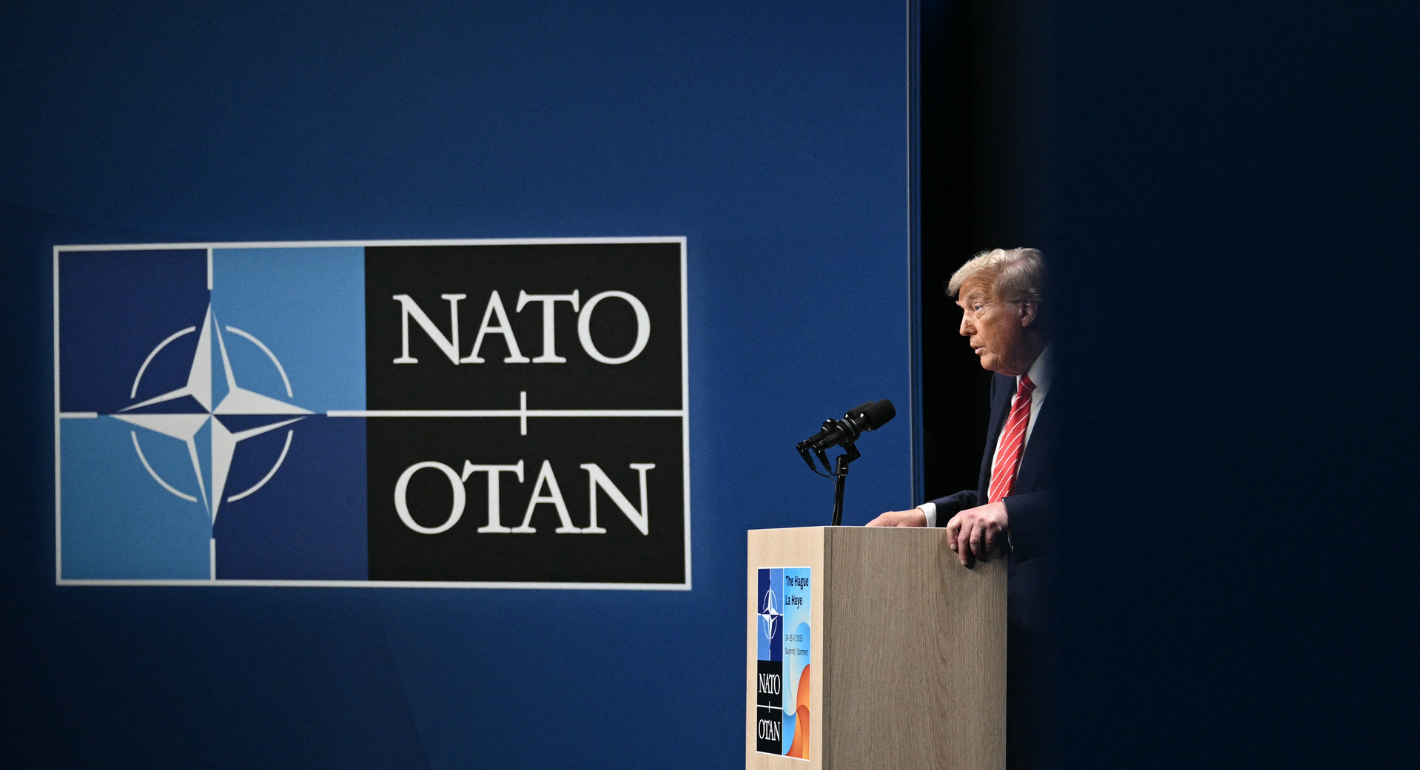
Donald Trump has repeatedly bashed NATO and European allies, threatening to annex Canada and Greenland and deploring their lack of enthusiasm for his war of choice in Iran. Is this latest round of abuse the final straw?

Rym Momtaz, ed.
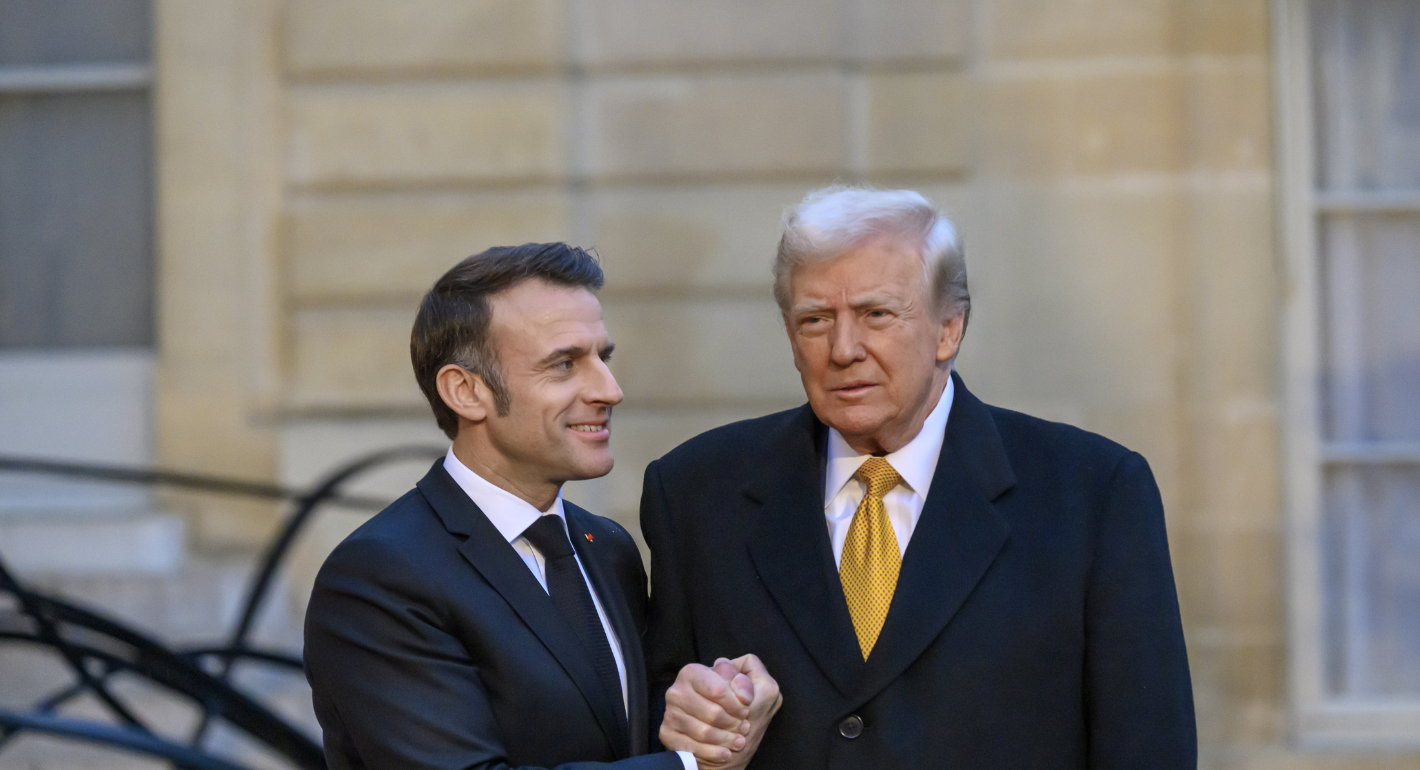
Donald Trump’s repudiation of NATO goes against the Make America Great Again vision of a U.S.-centered foreign policy. If the goal is to preserve the alliance by boosting Europe’s commitments, leaning into France’s vision is the most America First way forward.
Rym Momtaz
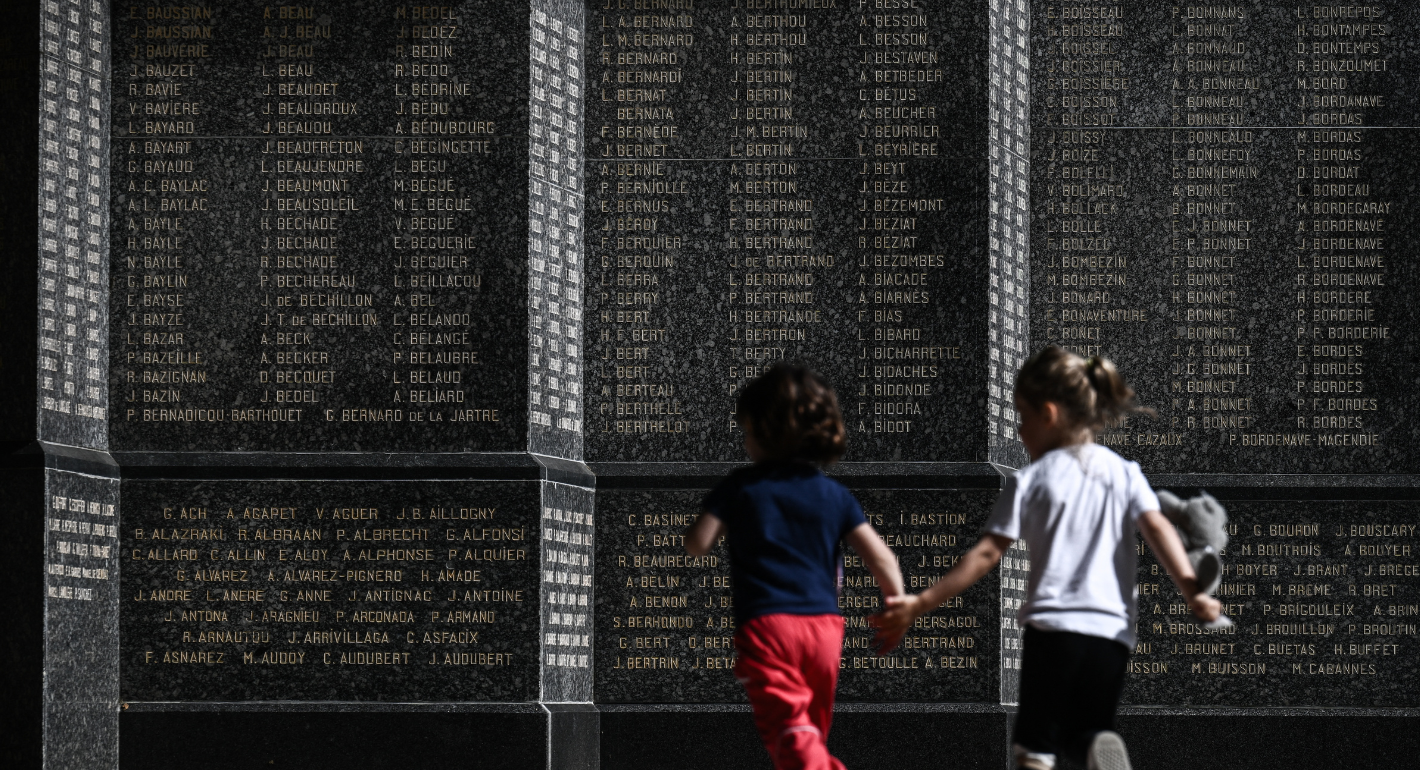
The wars in Ukraine and the Middle East are existential threats to Europe as a peace project. Leaders and citizens alike must reaffirm their solidarity to face up to today’s multifaceted challenges.

Marc Pierini
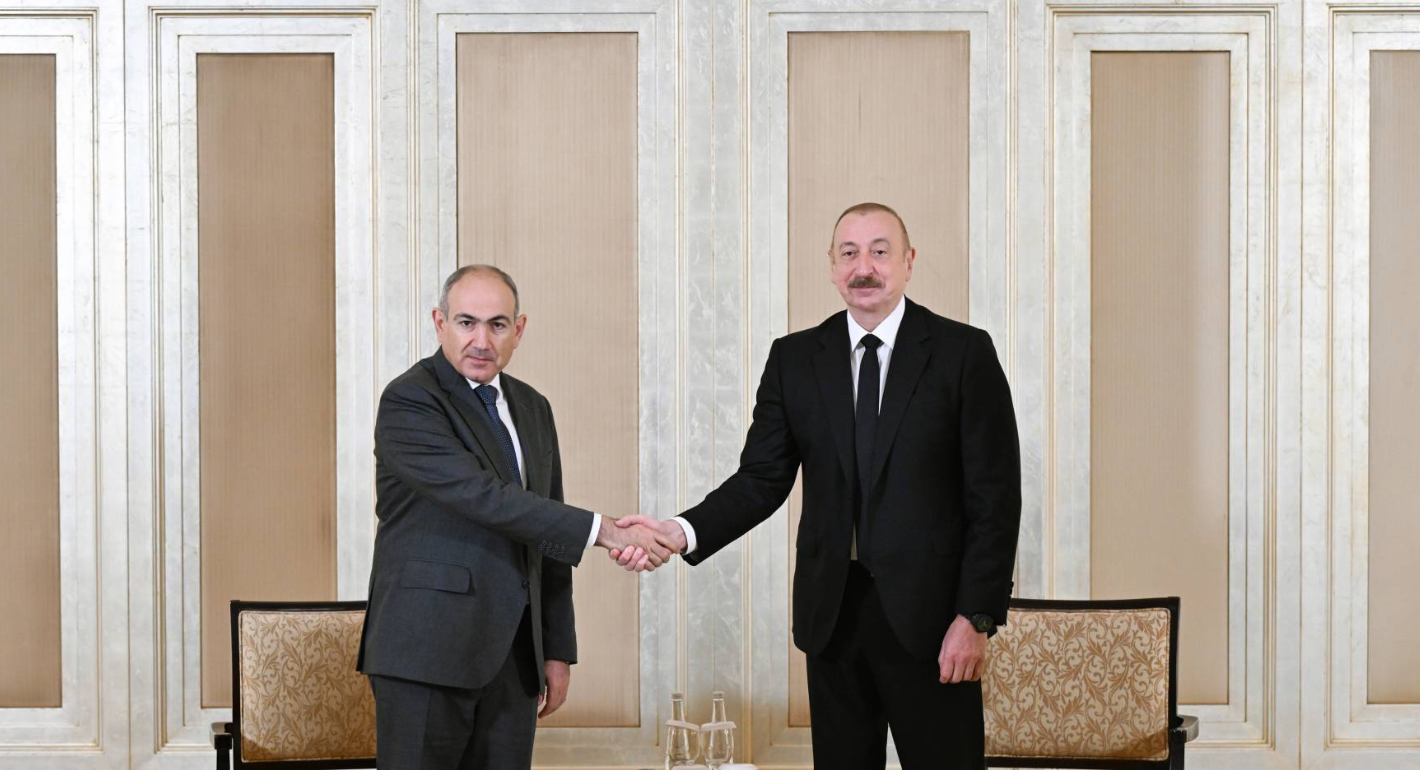
The U.S.-sponsored TRIPP deal is driving the Armenia-Azerbaijan peace process forward. But foreign and domestic hurdles remain before connectivity and economic interdependence can open up the South Caucasus.


Thomas de Waal, Areg Kochinyan, Zaur Shiriyev