

Paper
Lora Saalman
{
  "authors": [
    "Lora Saalman"
  ],
  "type": "legacyinthemedia",
  "centerAffiliationAll": "",
  "centers": [
    "Carnegie Endowment for International Peace",
    "Carnegie China"
  ],
  "collections": [
    "U.S.-China Relations"
  ],
  "englishNewsletterAll": "",
  "nonEnglishNewsletterAll": "",
  "primaryCenter": "Carnegie Endowment for International Peace",
  "programAffiliation": "",
  "programs": [],
  "projects": [],
  "regions": [],
  "topics": [
    "Security",
    "Arms Control"
  ]
}
Source: Getty
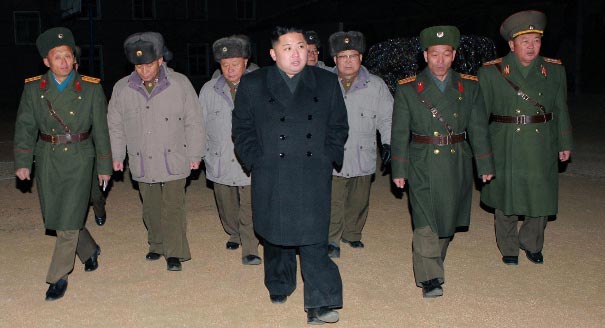
As the United States moves forward into a new round of Six Party Talks on North Korea's nuclear program, it is likely to place an emphasis on caution.
Source: CNTV
Carnegie’s Lora Saalman sat down with CNTV to discuss the latest round of Six Party talks taking place in Beijing. This is the first time that American negotiators will sit down and talk to the North Korean leadership since the death of Kim Jong Il.
Saalman explained that the U.S. negotiators will go into these talks with an emphasis on caution. Although this time there is a new leader, Kim Jung Un is likely still surrounded by the same coterie of people so it is doubtful that there will be any real changes in policy. Indeed, since Kim Jung Un’s legitimacy has not yet been fully established domestically, it is probable that the regime will “take a stronger stance and make more harsh pronouncements,” Saalman said, since the nuclear program has been a big part of the incumbent regime’s legitimacy.
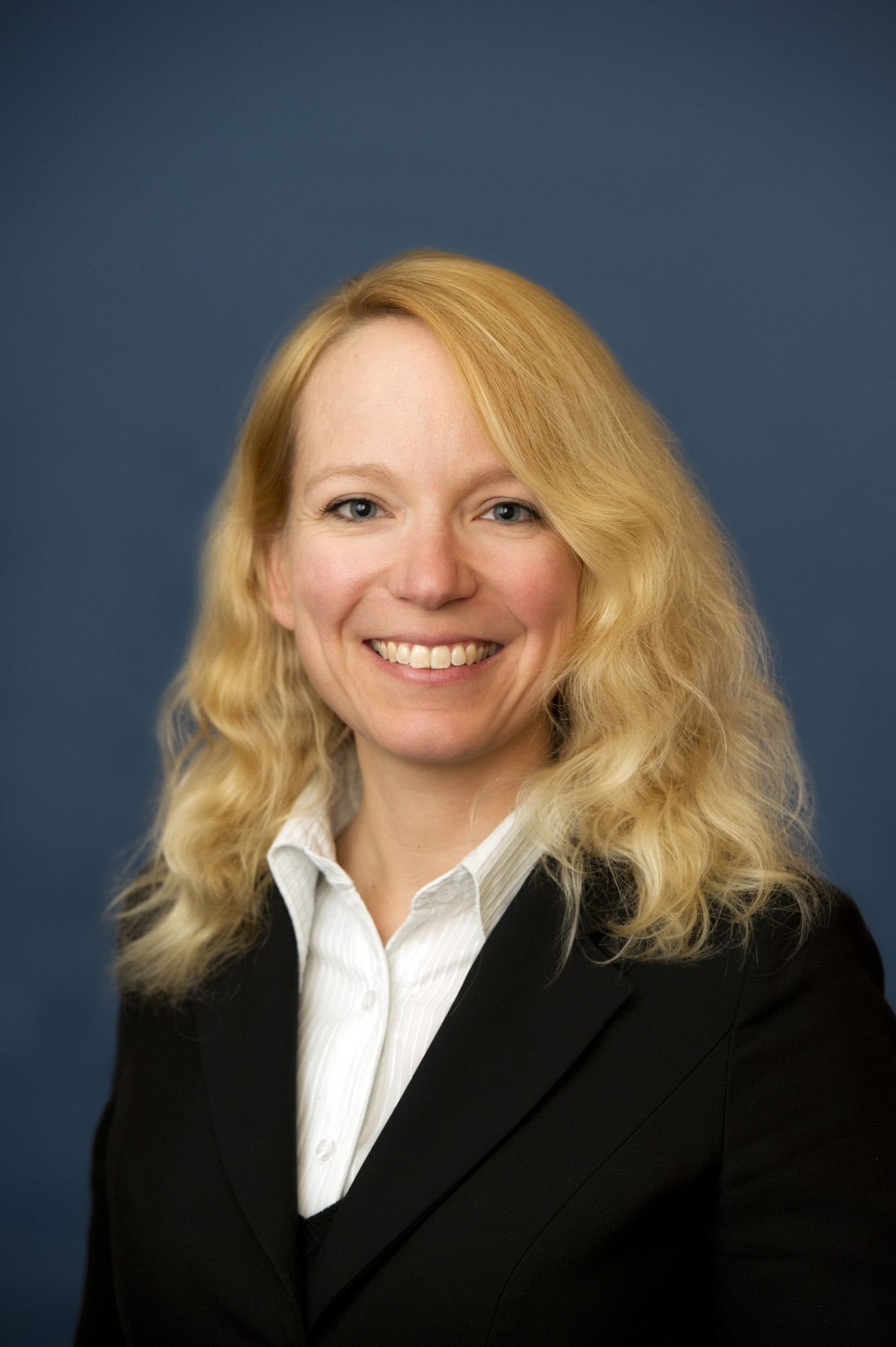
Former Nonresident Associate, Nuclear Policy Program
Saalman was a nonresident associate in the Nuclear Policy Program at the Carnegie Endowment for International Peace. Her research focuses on China’s nuclear and strategic policies toward India, Russia, and arms control.
Recent Work
Lora Saalman
Lora Saalman
Carnegie does not take institutional positions on public policy issues; the views represented herein are those of the author(s) and do not necessarily reflect the views of Carnegie, its staff, or its trustees.
Following Ursula von der Leyen’s gaffe equating Turkey to Russia and China, relations with Ankara risk deteriorating even further. Without better, more consistent diplomatic messaging, how can the EU pretend to be a geopolitical power?

Sinan Ülgen
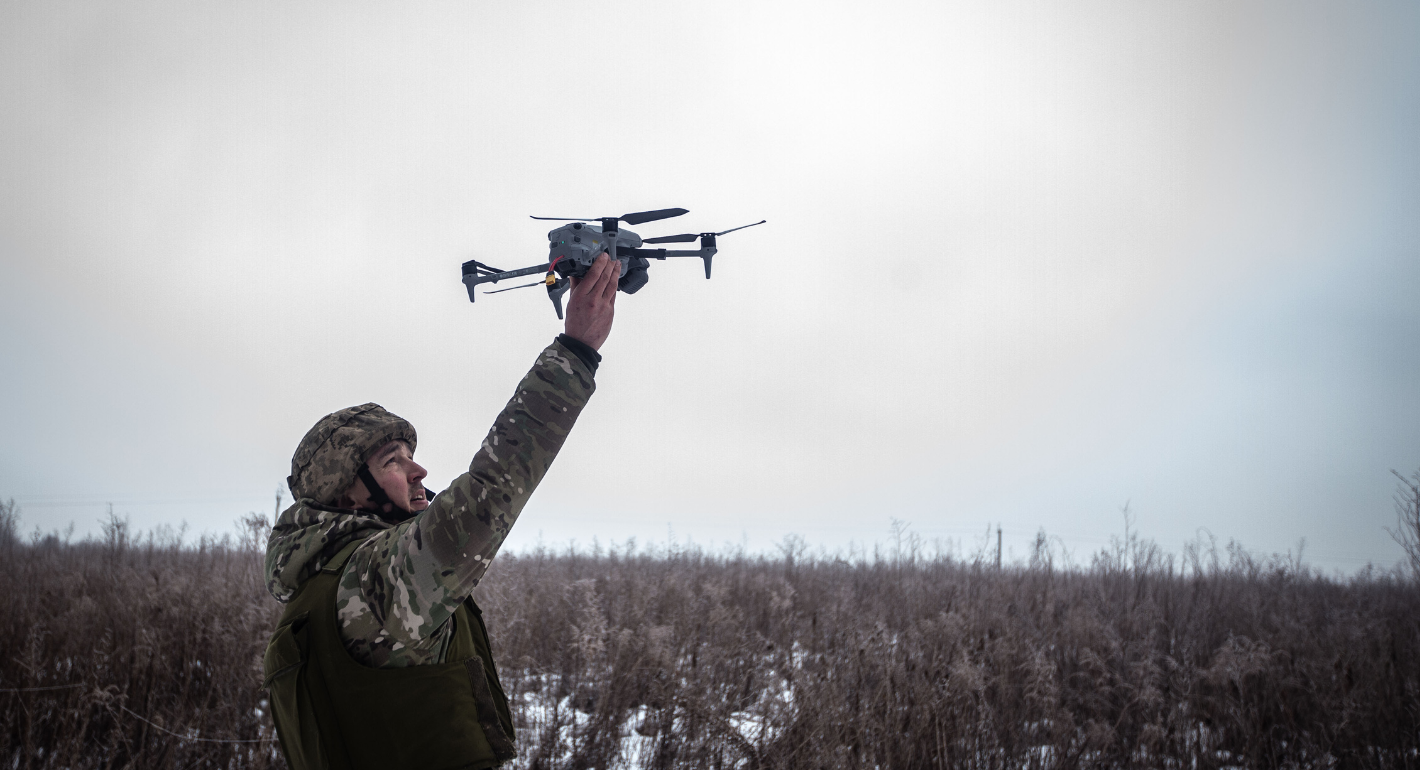
In Ukraine, Gaza, and Iran, AI warfare has come to dominate, with barely any oversight or accountability. Europe must lead the charge on the responsible use of new military technologies.

Raluca Csernatoni
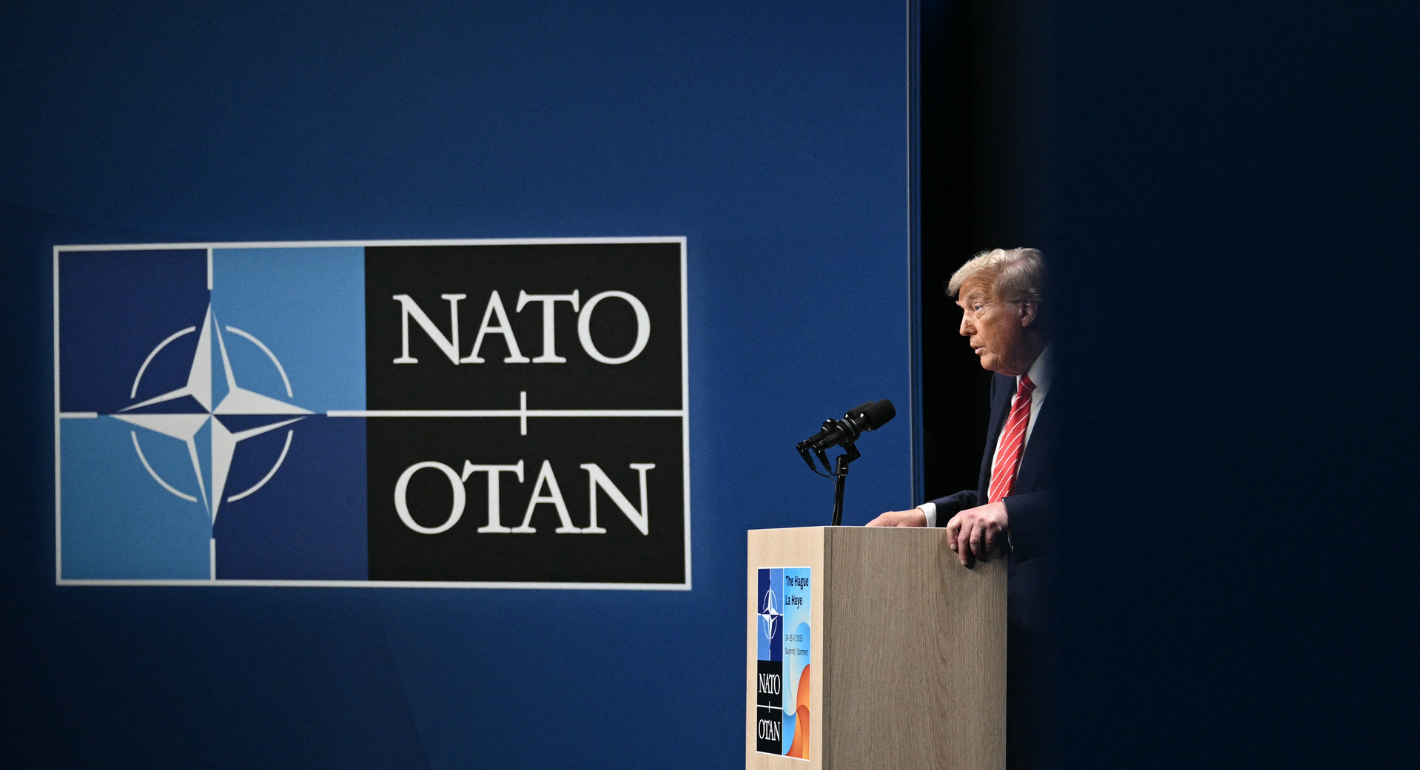
Donald Trump has repeatedly bashed NATO and European allies, threatening to annex Canada and Greenland and deploring their lack of enthusiasm for his war of choice in Iran. Is this latest round of abuse the final straw?

Rym Momtaz, ed.

Economic growth is at the heart of a dilemma between planetary and international security.
Olivia Lazard
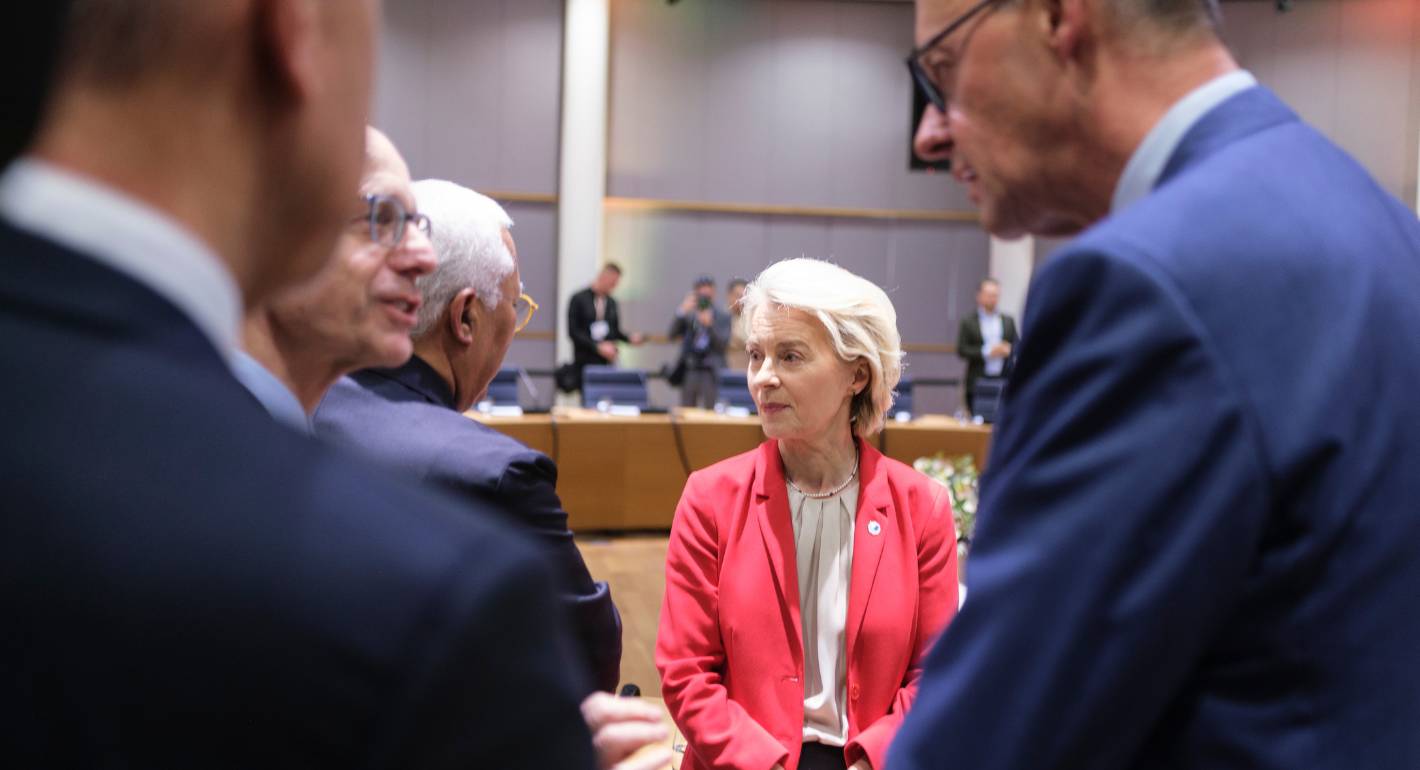
The war in Iran proves the United States is now a destabilizing actor for Europe and the Arab Gulf. From protect their economies and energy supplies to safeguarding their territorial integrity, both regions have much to gain from forming a new kind of partnership together.
Rym Momtaz