

Paper
Matthew Rojansky
{
  "authors": [
    "Matthew Rojansky"
  ],
  "type": "legacyinthemedia",
  "centerAffiliationAll": "dc",
  "centers": [
    "Carnegie Endowment for International Peace"
  ],
  "collections": [],
  "englishNewsletterAll": "ctw",
  "nonEnglishNewsletterAll": "",
  "primaryCenter": "Carnegie Endowment for International Peace",
  "programAffiliation": "russia",
  "programs": [
    "Russia and Eurasia"
  ],
  "projects": [],
  "regions": [
    "North America",
    "United States",
    "Middle East",
    "Syria",
    "Caucasus",
    "Russia"
  ],
  "topics": [
    "Foreign Policy"
  ]
}
Source: Getty
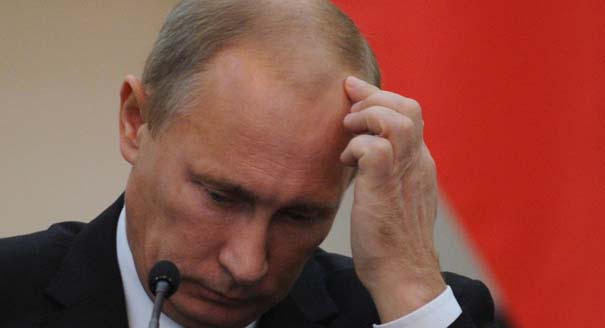
As Obama and Putin prepare to meet at the G-20 summit in Mexico, the Syrian crisis is at the top of the U.S.-Russia agenda.
Source: Fox News
In an interview on Fox News' “Happening Now,” Carnegie’s Matthew Rojansky commented on the crisis in Syria and its implications for U.S.-Russia relations. As Obama and Putin prepare to meet on the sidelines of the G-20 meeting in Mexico, Obama “gets to talk directly to the boss,” Rojansky said. Although the United States and Russia have been “cooperating pretty effectively behind the scenes for the last several years,” both presidents now have “some damage control to do.”
Russian political leaders continue to oppose intervention in Syria because they “reject the Libya precedent” and want to “portray themselves as having an independent foreign policy,” Rojansky added. Russia has also concluded a number of arms sales and energy contracts with the Assad regime. So, in the end, “if he [Assad] goes, the Russians don’t get paid,” Rojansky concluded.
This interview originally appeared on Fox News' Happening Now.
Former Deputy Director, Russia and Eurasia Program
Rojansky, formerly executive director of the Partnership for a Secure America, is an expert on U.S. and Russian national security and nuclear-weapon policies.
Recent Work
Matthew Rojansky
Matthew Rojansky
Carnegie does not take institutional positions on public policy issues; the views represented herein are those of the author(s) and do not necessarily reflect the views of Carnegie, its staff, or its trustees.

Trump is distracted and Ukraine wants Europe to step up. The continent’s leaders must find their voice and assert it in talks with Russia.

Alissa de Carbonnel

Mounting economic strain and battlefield losses will not necessarily make the Kremlin less dangerous. They could instead push Moscow toward a more aggressive hybrid campaign designed to test NATO’s Eastern flank, exploit allied hesitation, and fracture European resolve.

Maksym Beznosiuk
Over the past ten years, NATO has held almost as many summits as it did during the entirety of the Cold War. Are they still useful, or is it time to stop holding annual meetings?

Rym Momtaz, ed.
Nearly a year and a half after Europeans leaned into sucking up to Trump, the strategy has produced some benefits when it comes to Ukraine.
Rym Momtaz
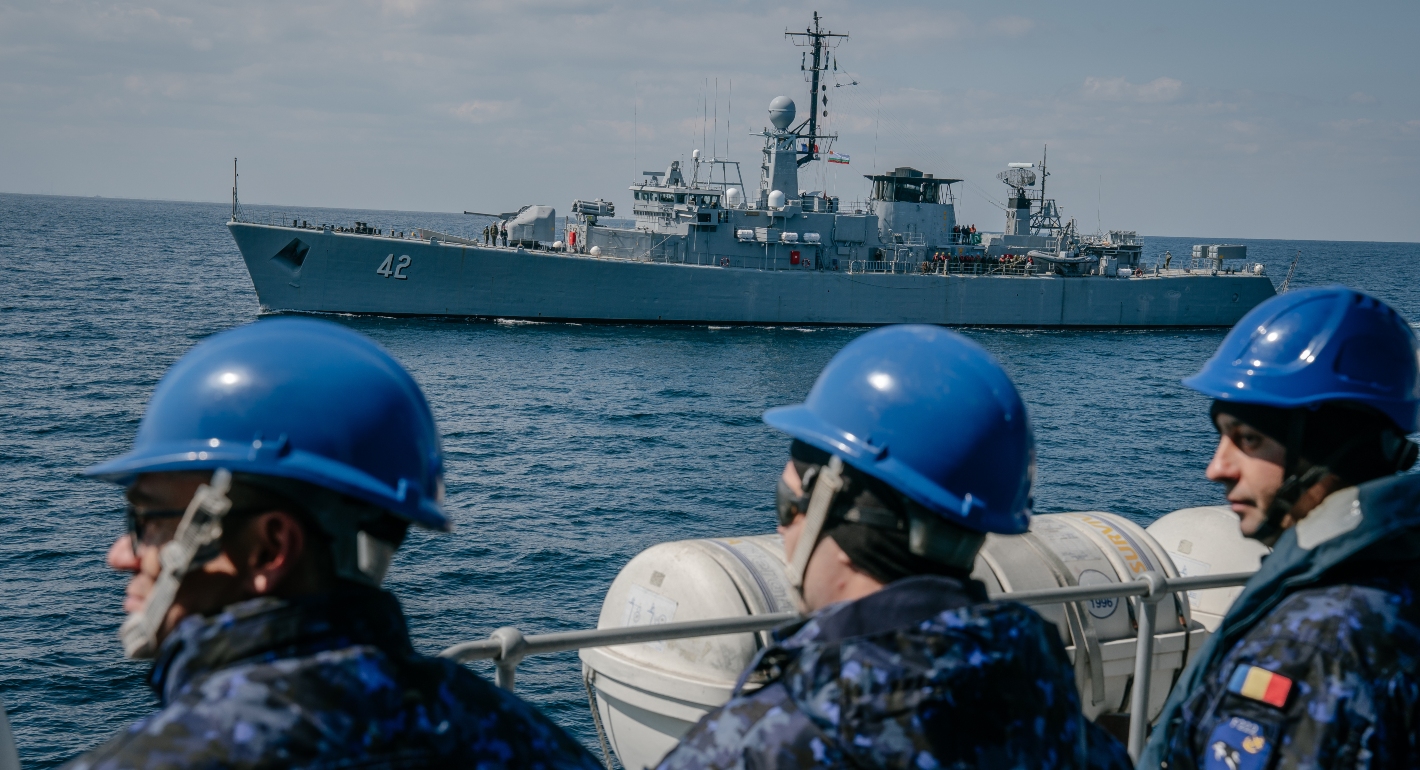
As Russia's war on Ukraine drags on, NATO is expanding its footprint in the Black Sea. Turkey, Romania, and Bulgaria are upgrading their fleets and deepening trilateral cooperation.

Dimitar Bechev