

Commentary
Judy Dempsey
{
  "authors": [
    "Judy Dempsey"
  ],
  "type": "legacyinthemedia",
  "centerAffiliationAll": "",
  "centers": [
    "Carnegie Endowment for International Peace",
    "Carnegie Europe"
  ],
  "collections": [
    "Transatlantic Cooperation"
  ],
  "englishNewsletterAll": "",
  "nonEnglishNewsletterAll": "",
  "primaryCenter": "Carnegie Europe",
  "programAffiliation": "",
  "programs": [],
  "projects": [],
  "regions": [
    "Europe",
    "North America"
  ],
  "topics": [
    "Foreign Policy"
  ]
}
Source: Getty
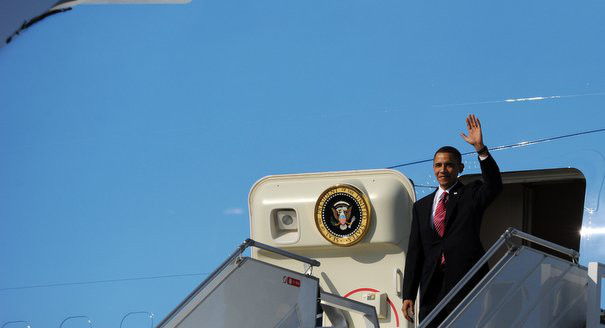
Europeans prefer Barack Obama to Mitt Romney, but, whoever wins in November, America is turning its gaze eastward.
Source: New York Times

As I write in my latest Page Two column: Romney’s ideas and policies have raised hackles in many European capitals. “Romney in the White House would be bad news for Europe,” one high-ranking European diplomat told me.
The Europeans support the Democrats, mostly for cultural and historical reasons. The Democrats are mostly secular in outlook and believe the state has much more of a role to play in providing some basic services than the Republicans.
That is why Europeans found it difficult to understand why the Republicans were so against Mr. Obama’s plans for mandatory health insurance.Europeans also find it very difficult to relate to the growing role of religion among American conservatives. They have not forgotten how former president George W. Bush justified the war in Iraq as a war against evil. They also see how the Christian right exerts huge influence when it comes to Israel.
But for all the differences, the Europeans may discover after next November that the Democrats and Republicans have a few things in common.
Both worry about China, and so will shift U.S. foreign policy towards Asia.
Both are no longer willing to foot the bill for European security and NATO’s inefficiencies.
And whatever Republicans might say, there is no longer the appetite or the money for any more big military campaigns.
The Europeans have yet to take stock of such shifts in the transatlantic relationship.

Nonresident Senior Fellow, Carnegie Europe
Dempsey is a nonresident senior fellow at Carnegie Europe
Recent Work
Judy Dempsey
Judy Dempsey
Carnegie does not take institutional positions on public policy issues; the views represented herein are those of the author(s) and do not necessarily reflect the views of Carnegie, its staff, or its trustees.
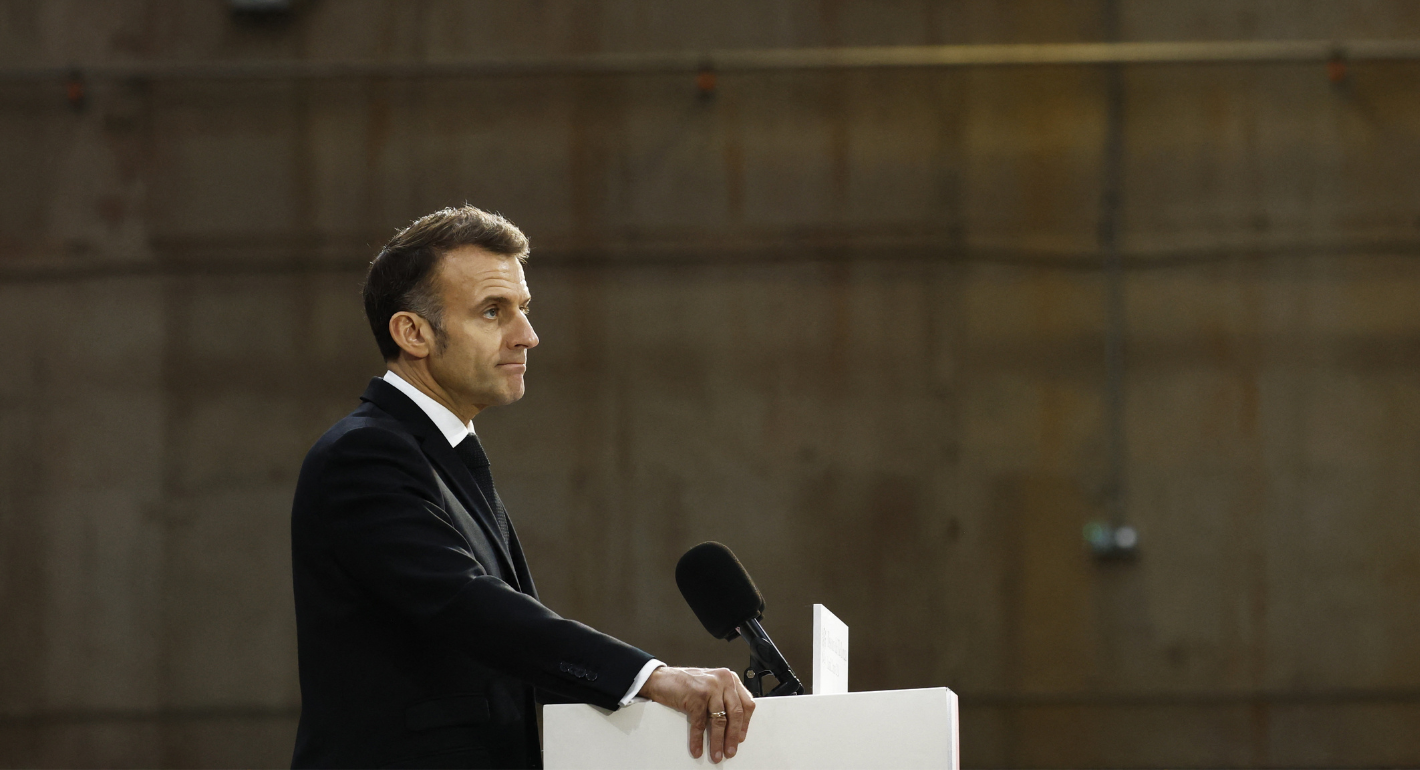
French President Emmanuel Macron has unveiled his country’s new nuclear doctrine. Are the changes he has made enough to reassure France’s European partners in the current geopolitical context?

Rym Momtaz, ed.
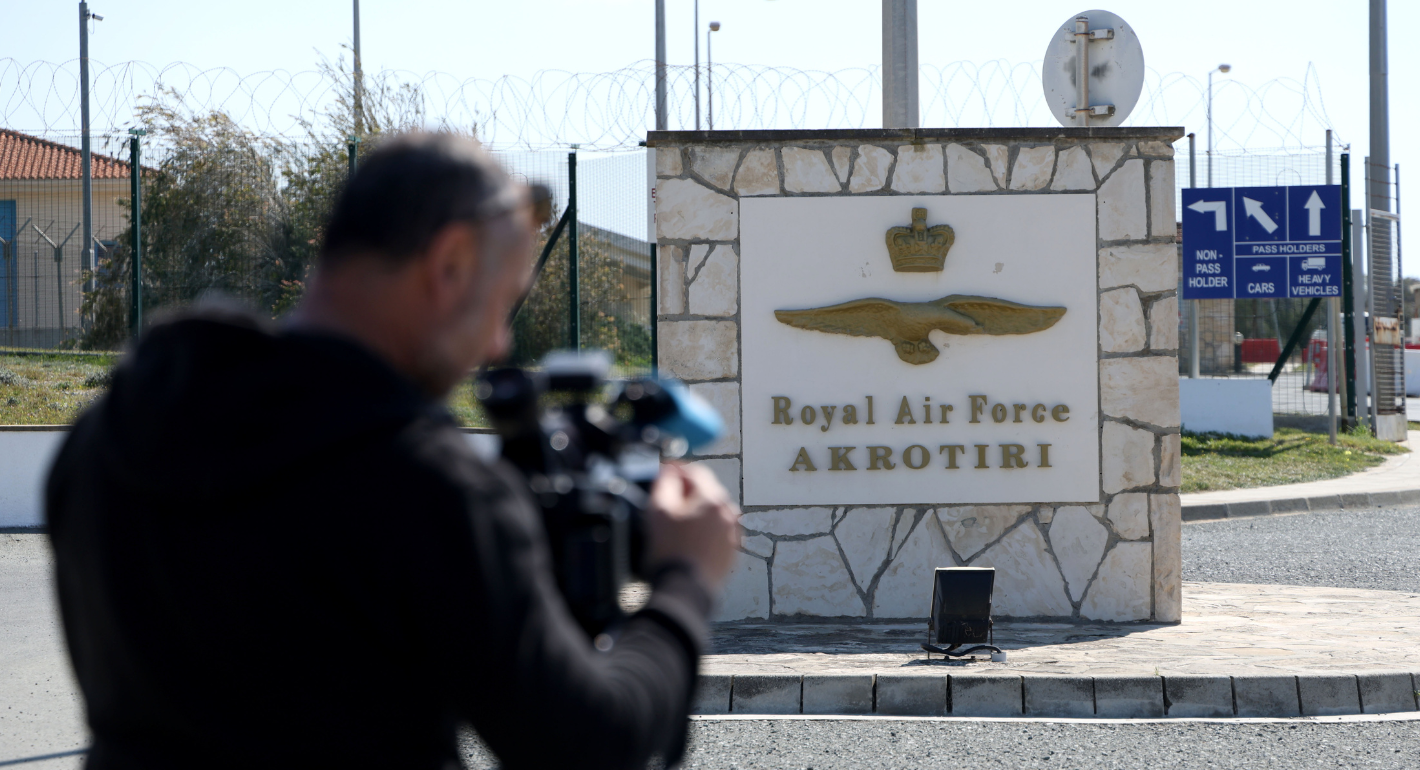
The drone strike on the British air base in Akrotiri brings Europe’s proximity to the conflict in Iran into sharp relief. In the fog of war, old tensions in the Eastern Mediterranean risk being reignited, and regional stakeholders must avoid escalation.

Marc Pierini
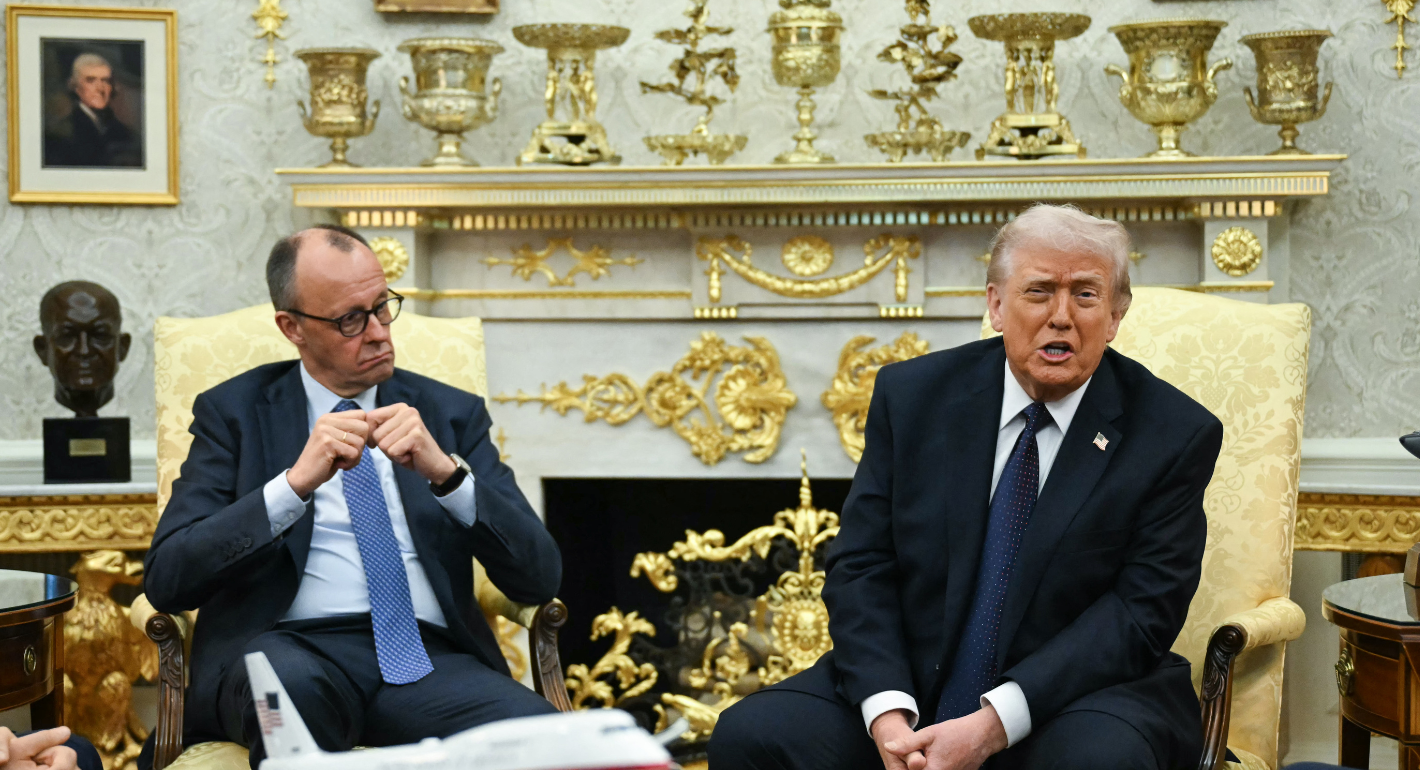
European reactions to the war in Iran have lost sight of wider political dynamics. The EU must position itself for the next phase of the crisis without giving up on its principles.

Richard Youngs
For years, the United States anchored global cyber diplomacy. As Washington rethinks its leadership role, the launch of the UN’s Cyber Global Mechanism may test how allies adjust their engagement.


Patryk Pawlak, Chris Painter
Europe isn’t as weak in the new geopolitics of power as many would believe. But to leverage its assets and claim a sphere of influence, Brussels must stop undercutting itself.

Dimitar Bechev