

In The Media
Shahram Chubin
{
  "authors": [
    "Shahram Chubin"
  ],
  "type": "legacyinthemedia",
  "centerAffiliationAll": "",
  "centers": [
    "Carnegie Endowment for International Peace",
    "Carnegie Europe"
  ],
  "collections": [],
  "englishNewsletterAll": "",
  "nonEnglishNewsletterAll": "",
  "primaryCenter": "Carnegie Endowment for International Peace",
  "programAffiliation": "",
  "programs": [],
  "projects": [],
  "regions": [
    "Middle East"
  ],
  "topics": []
}
Source: Getty
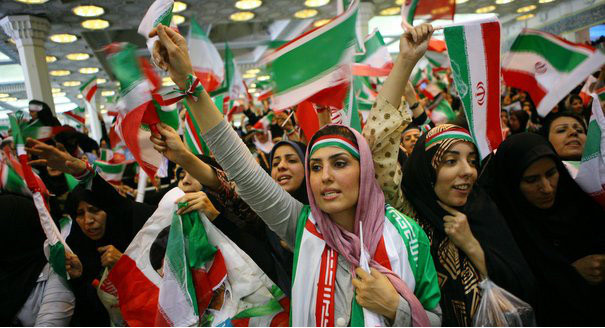
Since the start of the Arab Awakening, Tehran has confronted a less tractable regional environment, with allies weakened and adversaries emboldened.
Source: Gulf Research Center

Middle East politics are now increasingly national and local, resistant to transnational and trans-regional appeals to ‘resistance’ and to external influence.
How has Iran reacted to the tightening of the noose of international sanctions and the adverse trends noted in the region: the increased sectarian cleavage which is not in Iran’s favor; the new-found unity and determination of the GCC to confront Iran,if necessary; the defection of Hamas from the ‘resistance front’, the erosion of Iran’s regional appeal; and the weakening if not actual reversal of Assad’s Syria? In theory, Iran has three alternative responses:
In practice, Iran has done a little of all three, using nuclear negotiations to suggest at flexibility and seeking to divide the P5+1, with some receptivity in Russia and China. Iran has taken to selling its oil privately (i.e., through traders) rather than through governments. Nonetheless, sales have dipped and prices have been discounted, so the cost of sanctions is being felt.
Iran has often threatened desperate action if cornered, quoting the proposition that “either all are safe or no one is” an adage it sought to operationalize during the ‘tanker war’ with Iraq, in the 1980s. That episode ended badly for Iran, despite selective memory. As we have seen, Iran is already “pushing back” regionally in Yemen, Syria and possibly Iraq as well as in its ‘shadow war’ with Israel. It may continue to do this but is unlikely to “lash out”, as this would invite responses from US forces positioned nearby and at an all-time peak.
Finally, there is the domestic front where Iran calls sanctions a blessing and a test of the revolution’s principles, especially steadfastness. It will make sure that despite inflation, its core constituency is not adversely affected and will try and blame the discomfort on outside forces, while appealing for internal unity rather than factional rivalry or self-criticism.
Former Nonresident Senior Fellow, Nuclear Policy Program
Chubin, who is based in Geneva, focuses his research on nonproliferation, terrorism, and Middle East security issues. He was director of studies at the Geneva Centre for Security Policy, Switzerland, from 1996 to 2009.
Recent Work
Shahram Chubin
Shahram Chubin
Carnegie does not take institutional positions on public policy issues; the views represented herein are those of the author(s) and do not necessarily reflect the views of Carnegie, its staff, or its trustees.
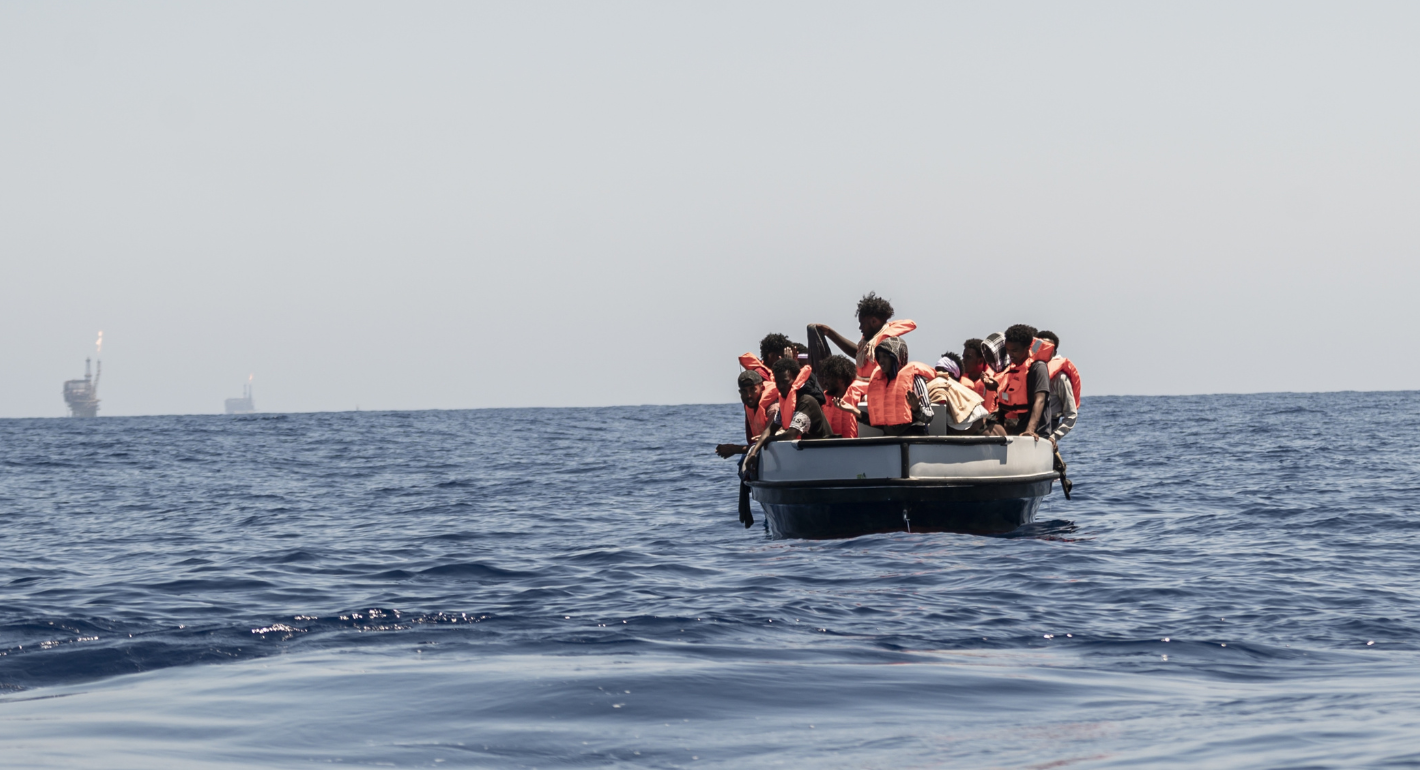
The EU’s new migration policy is not suited to today’s realities. With climate change increasingly becoming a driver of displacement, Europe needs to rethink its deterrence-focused approach.

Shana Tabak
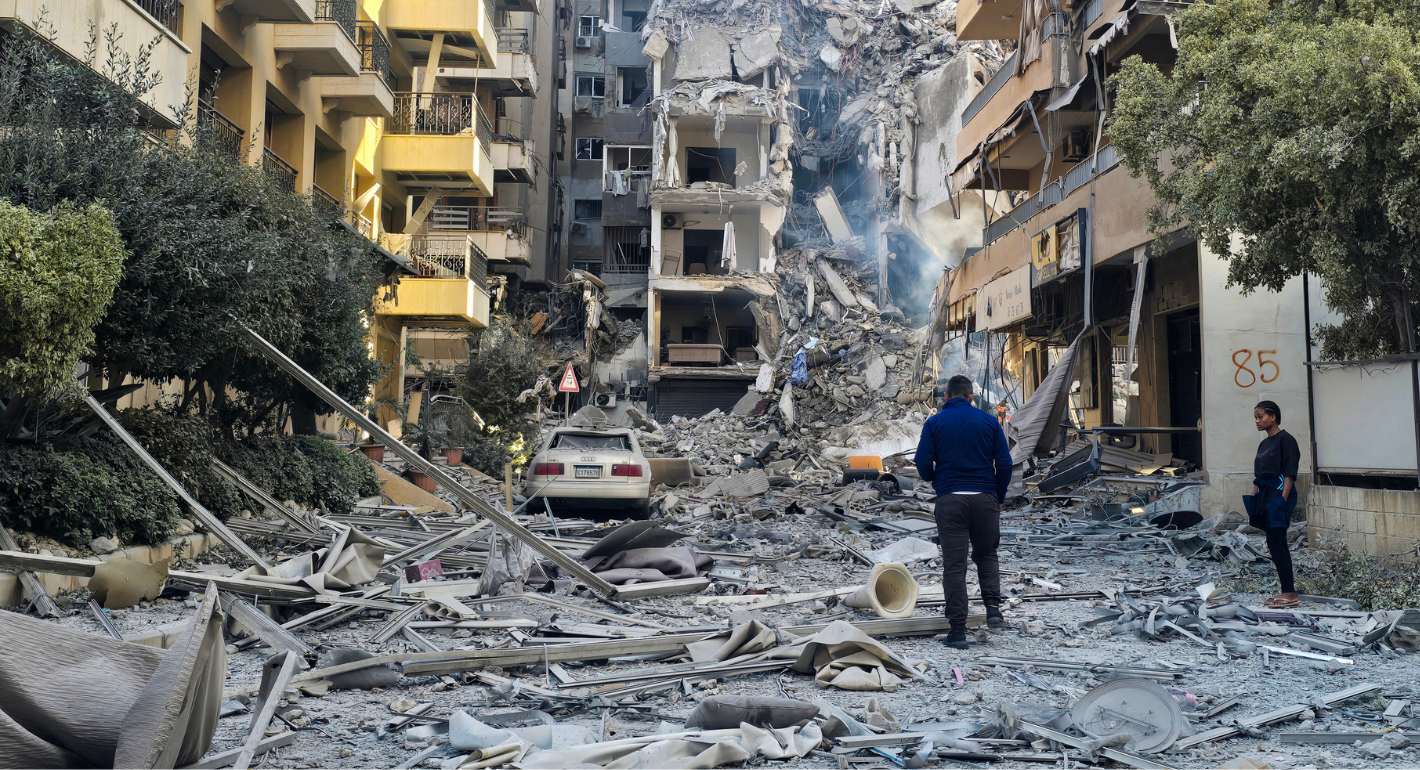
Europe seems to have accepted its sidelining in the Middle East. The EU must reassert its support for the international rules-based order and step up engagement.

Rym Momtaz
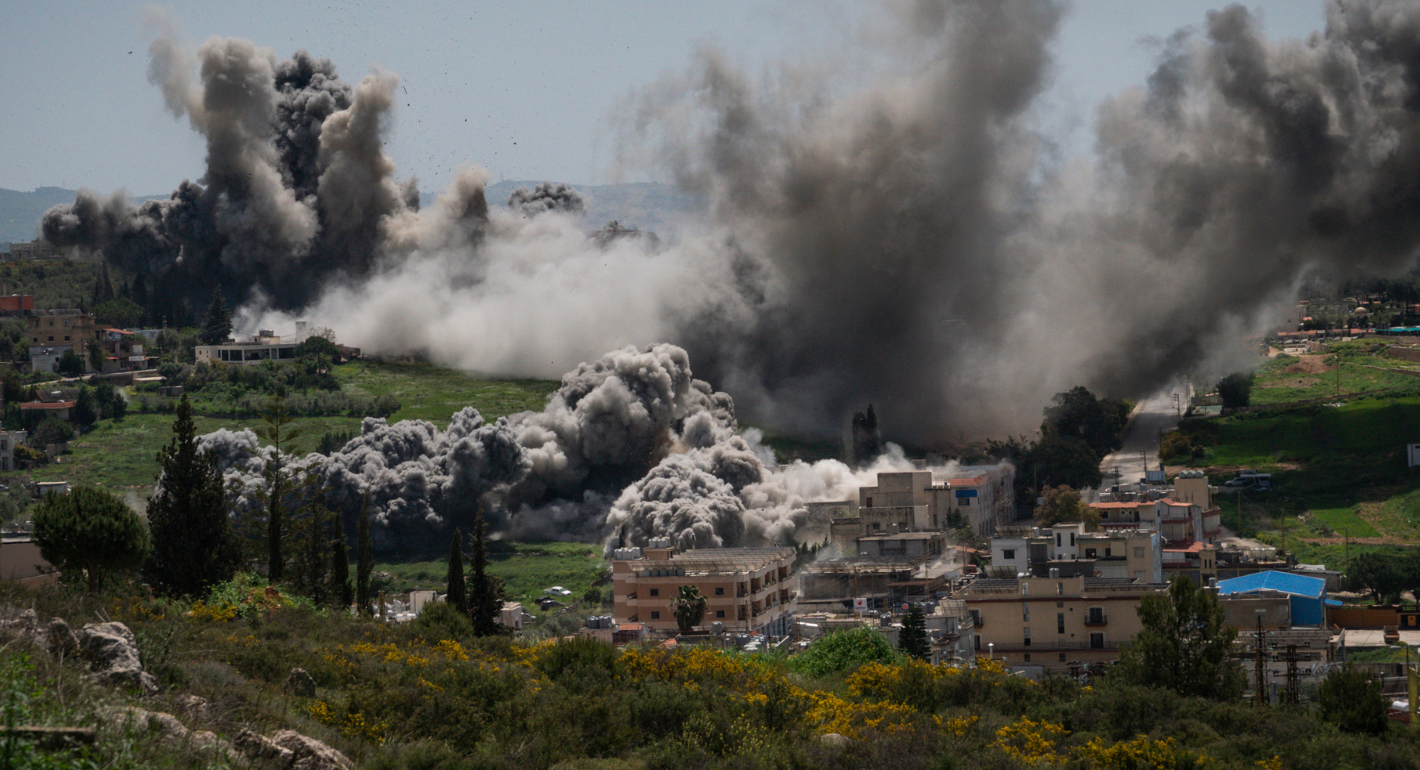
Europe has been standing by while its Southern neighborhood is being redrawn by force. To establish a path to peace between Israel and Lebanon, it’s time for Europeans to get involved with hard power.
Rym Momtaz
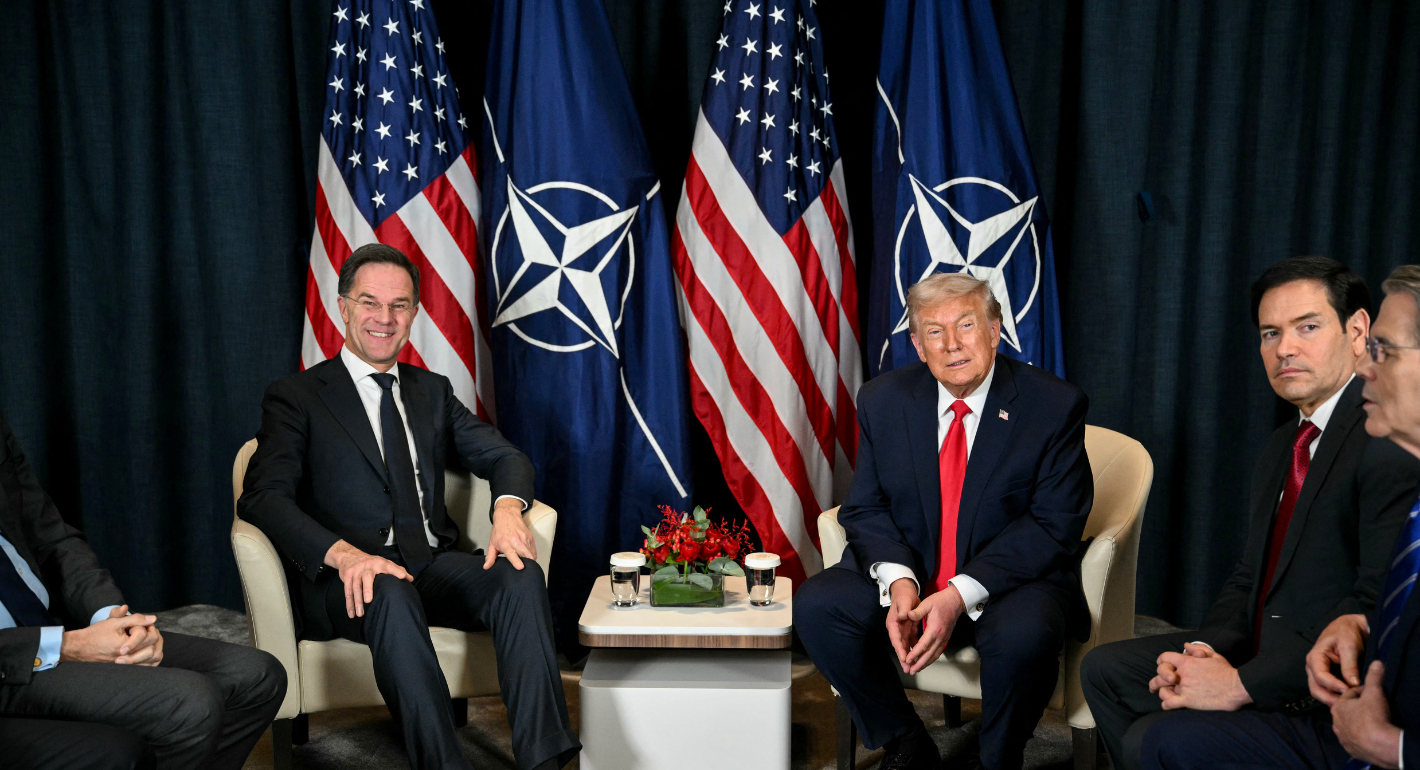
Donald Trump has demanded that European allies send ships to the Strait of Hormuz while his war of choice in Iran rages on. He has constantly berated NATO while the alliance’s secretary-general has emphatically supported him.
Rym Momtaz, ed.
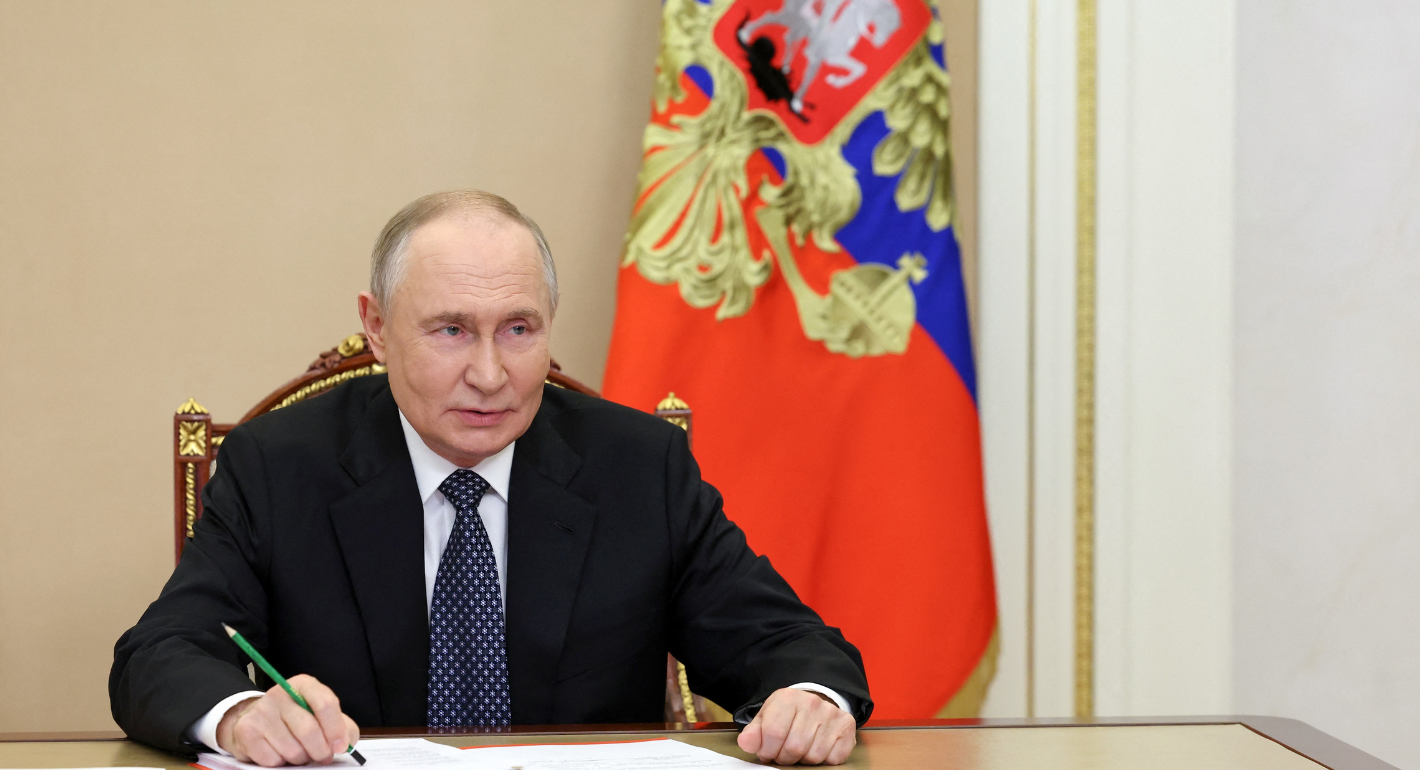
The war in Ukraine is costing Russia its leverage overseas. Across the South Caucasus and Middle East, this presents an opportunity for Europe to pick up the pieces and claim its own sphere of influence.

William Dixon, Maksym Beznosiuk