

Research
- +10
Rosa Balfour, Frances Z. Brown, Yasmine Farouk, …
{
  "authors": [
    "Moisés Naím"
  ],
  "type": "legacyinthemedia",
  "centerAffiliationAll": "",
  "centers": [
    "Carnegie Endowment for International Peace"
  ],
  "collections": [],
  "englishNewsletterAll": "",
  "nonEnglishNewsletterAll": "",
  "primaryCenter": "Carnegie Endowment for International Peace",
  "programAffiliation": "",
  "programs": [],
  "projects": [],
  "regions": [
    "North America",
    "South America"
  ],
  "topics": [
    "Economy",
    "Security"
  ]
}
Source: Getty
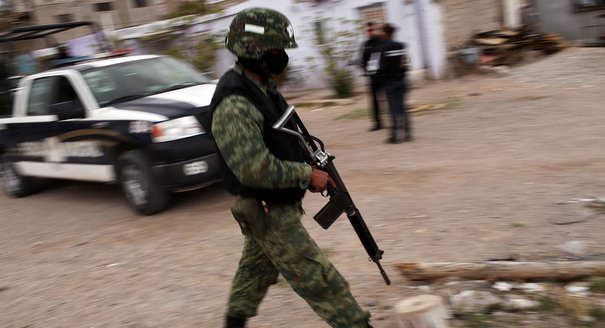
Latin American governments and institutions need to take action to end the region’s peaceful coexistence with violent crime.
Source: El País

This, however, does not happen in the most murderous region of the world: Latin America. There most people seem resigned to coexisting with murder: too many groups and too many leaders have lost the ability to imagine a reality where homicide is not part of daily life. Some 42 percent of the murders in the world happen in Latin America, though only eight percent of humanity lives there. The homicide rate in the US is five times lower than Latin America’s average.
The war in Afghanistan has claimed a total 3,238 allied lives. This is about the number of murders in Brazil every month. Last month’s conflict between Palestinians and Israelis produced approximately the same number of fatalities as a “hot” weekend in Caracas. The probability of being shot dead as you walk on any street in Baghdad is lower than that of dying on any street in Guatemala. Worldwide, the murder rates have declined slightly, or not risen much. But in Latin America they are soaring. El Salvador, Guatemala and Honduras have the highest homicides rates in the world, closely followed by those of other countries in the region. In 2011 in Brazil, 112 people per day were killed; in Mexico, 71 per day.
What explains Latin Americans’ propensity to murder? The reasons offered by the experts are many and varied. Also unsatisfactory. Poverty is frequently mentioned. But on this basis, China ought to have more murders than Brazil. Others put it down to democracy, and the fact that authoritarian governments can repress crime with more impunity. But India, the world’s largest democracy and also one of the poorest, has a homicide rate comparatively lower than those of the poorest democracies in Latin America. Drug consumption and trafficking are also pointed to as reasons for the high Latin American murder rate. But no country consumes more drugs than the United States. And as far as drug trafficking is concerned, Morocco is to Europe what Mexico is to the United States: a poor country that sells drugs to its rich neighbor. Yet, the homicide rate in Morocco is far lower than in Mexico.
This does not mean that drugs, poverty, or the inefficiency and corruption of the police, the judiciary and the prisons are not important factors. The World Bank has found that economic inequality, easy access to firearms, alcohol, the proliferation of gangs, low levels of incarceration and very small police forces are also part of the explanation.
One good wish for 2013 is that Latin Americans decide to end the peaceful coexistence with murder. There is no reason to live this way. And we can, and must, do something to better understand what is going on, and launch an offensive against high homicide rates that engages as many groups and institutions as possible and that is sustained over time until murder rates are brought down. No priority is more urgent, and surely, more complex and difficult to attain. This is not just a job for governments and politicians. The Church, labor unions, business., schools and universities, the media, singers and artists — in short, the whole range of institutions and groups — could mobilize and commit themselves to reduce (by a third, a half?) the number of homicides in the next (three, five?) years. Perhaps this is a naïve hope. But more naïve, is to just watch as the killings go on.

Distinguished Fellow
Moisés Naím is a distinguished fellow at the Carnegie Endowment for International Peace, a best-selling author, and an internationally syndicated columnist.
Recent Work



Rosa Balfour, Frances Z. Brown, Yasmine Farouk, …
Moisés Naím
Carnegie does not take institutional positions on public policy issues; the views represented herein are those of the author(s) and do not necessarily reflect the views of Carnegie, its staff, or its trustees.

Following Ursula von der Leyen’s gaffe equating Turkey to Russia and China, relations with Ankara risk deteriorating even further. Without better, more consistent diplomatic messaging, how can the EU pretend to be a geopolitical power?

Sinan Ülgen
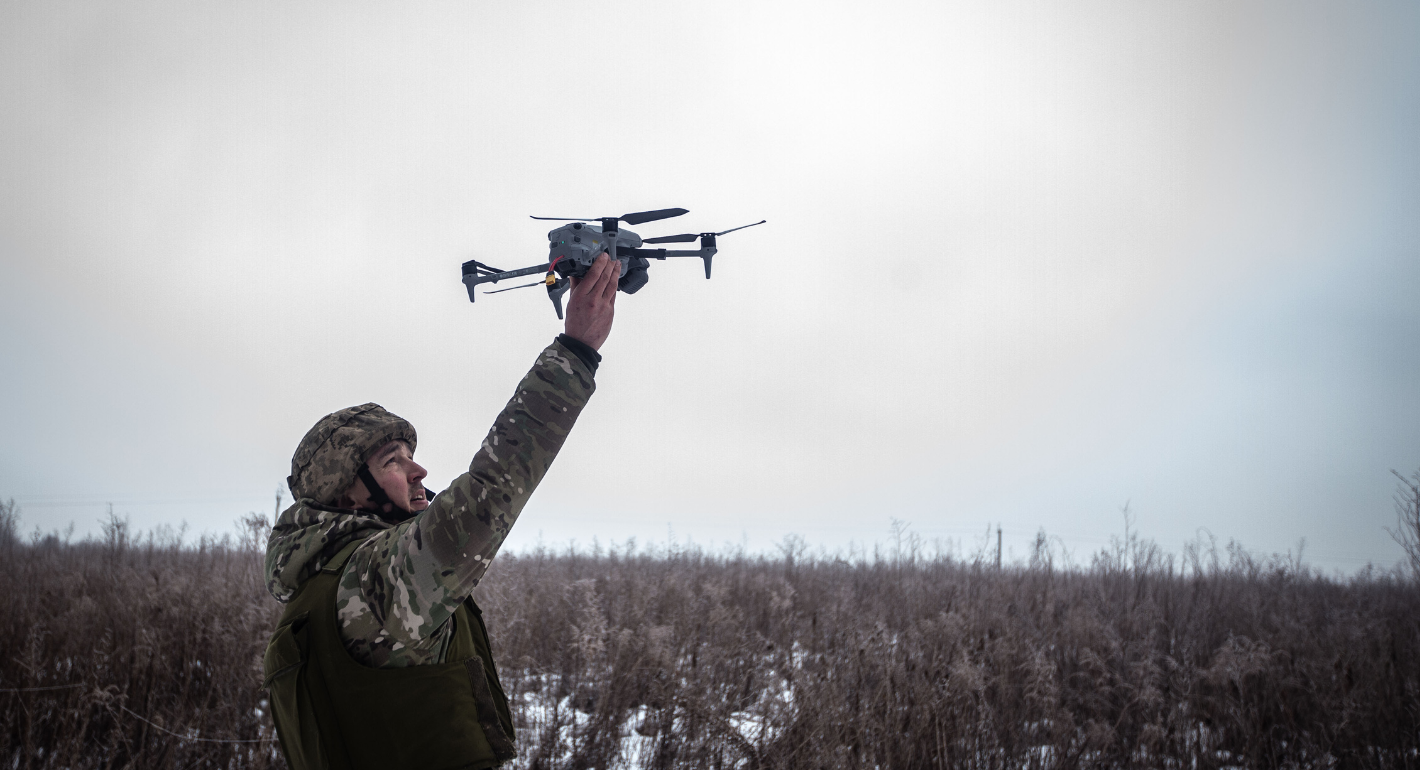
In Ukraine, Gaza, and Iran, AI warfare has come to dominate, with barely any oversight or accountability. Europe must lead the charge on the responsible use of new military technologies.

Raluca Csernatoni
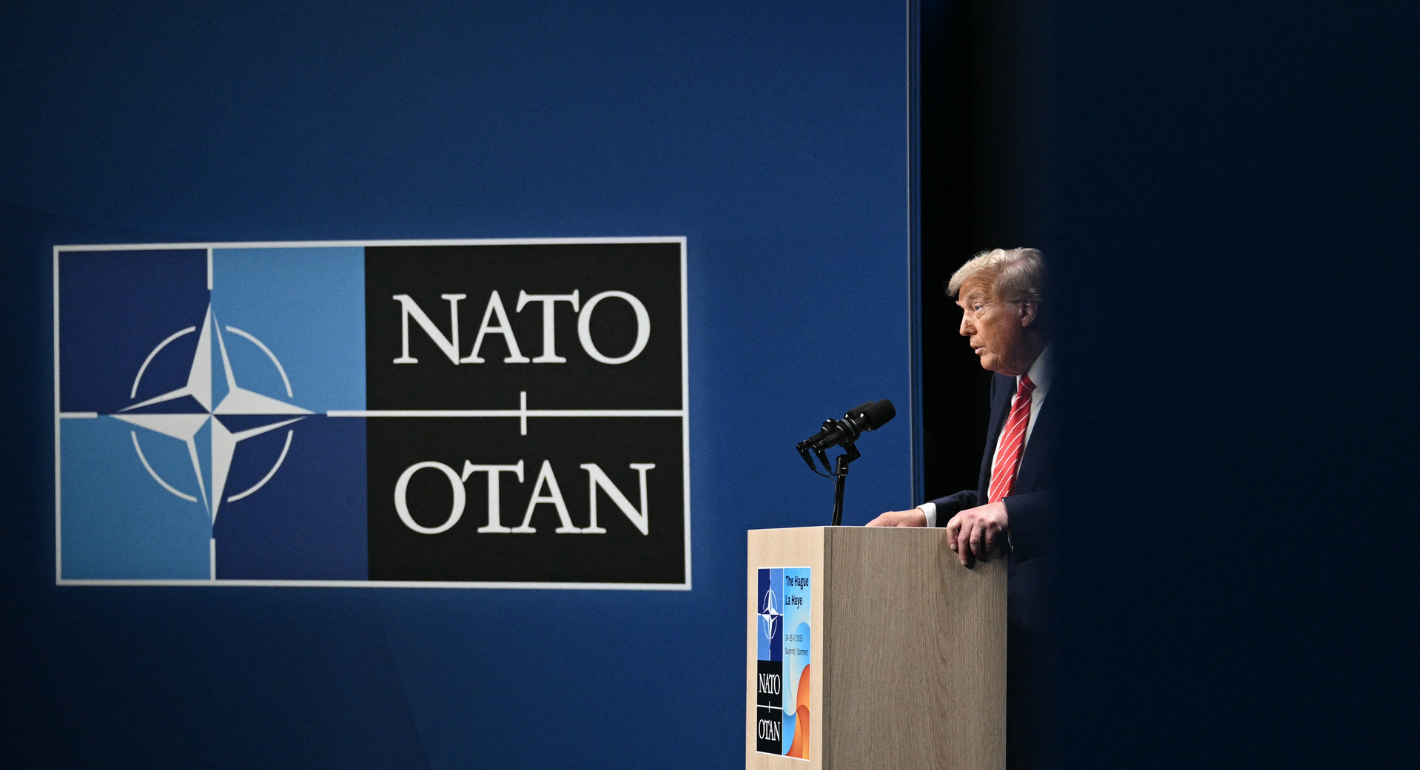
Donald Trump has repeatedly bashed NATO and European allies, threatening to annex Canada and Greenland and deploring their lack of enthusiasm for his war of choice in Iran. Is this latest round of abuse the final straw?

Rym Momtaz, ed.

The U.S.-sponsored TRIPP deal is driving the Armenia-Azerbaijan peace process forward. But foreign and domestic hurdles remain before connectivity and economic interdependence can open up the South Caucasus.



Thomas de Waal, Areg Kochinyan, Zaur Shiriyev

Economic growth is at the heart of a dilemma between planetary and international security.

Olivia Lazard