

Research
- +10
Rosa Balfour, Frances Z. Brown, Yasmine Farouk, …
{
  "authors": [
    "Moisés Naím"
  ],
  "type": "legacyinthemedia",
  "centerAffiliationAll": "",
  "centers": [
    "Carnegie Endowment for International Peace"
  ],
  "collections": [],
  "englishNewsletterAll": "",
  "nonEnglishNewsletterAll": "",
  "primaryCenter": "Carnegie Endowment for International Peace",
  "programAffiliation": "",
  "programs": [],
  "projects": [],
  "regions": [
    "North America"
  ],
  "topics": [
    "Political Reform",
    "Economy",
    "Global Governance"
  ]
}
Source: Getty
The decline of political and corporate power has been observed over the last two decades. Although there is much to celebrate, there is also cause for concern over the ability to push through an agenda and make decisions in a timely manner.
Source: MSNBC Morning Joe
Speaking on MSNBC's Morning Joe, Carnegie's Moisés Naím discussed the decline of political power around the world, as well as the decline of corporate power structures. Naím cited the monopoly once held by Kodak over the film and photography industries. Kodak has now filed for bankruptcy, while a small app of only 13 employees, known as Instagram, recently sold for a billion dollars. The probability of a company at the top of its sector falling out of this category has doubled over the last 20 years. Companies which responded correctly, such as IBM, have succeeded by adapting and developing a peripheral view while specializing in their field. Without this adaptation, Naím argues that tunnel vision will lead competition and competitors from the most improbable and unexpected places to take away customers.
This shift provides reasons for optimism, Naím explained: there is more competition, tyrants and monopolies are struggling to maintain their power, while new opportunities are available for voters, consumers, and activists. However, there is a downside. These changes can produce gridlock in governments and an inability to make decisions in a timely manner. New, small actors are entering the conversation, sitting at the table, and wanting to shape the outcomes. At times they are undermining initiatives, with no single actor holding enough power to push through an agenda. This is creating a detrimental state of fragile democracies, Naím concluded.

Distinguished Fellow
Moisés Naím is a distinguished fellow at the Carnegie Endowment for International Peace, a best-selling author, and an internationally syndicated columnist.
Recent Work



Rosa Balfour, Frances Z. Brown, Yasmine Farouk, …
Moisés Naím
Carnegie does not take institutional positions on public policy issues; the views represented herein are those of the author(s) and do not necessarily reflect the views of Carnegie, its staff, or its trustees.

As the EU confronts profound challenges, several leaders have called for fundamental reform to the union’s model—but only modest, superficial changes have resulted. What if Europe really could be reimagined from zero today: What should such a redesigned European order look like?

Richard Youngs, ed.
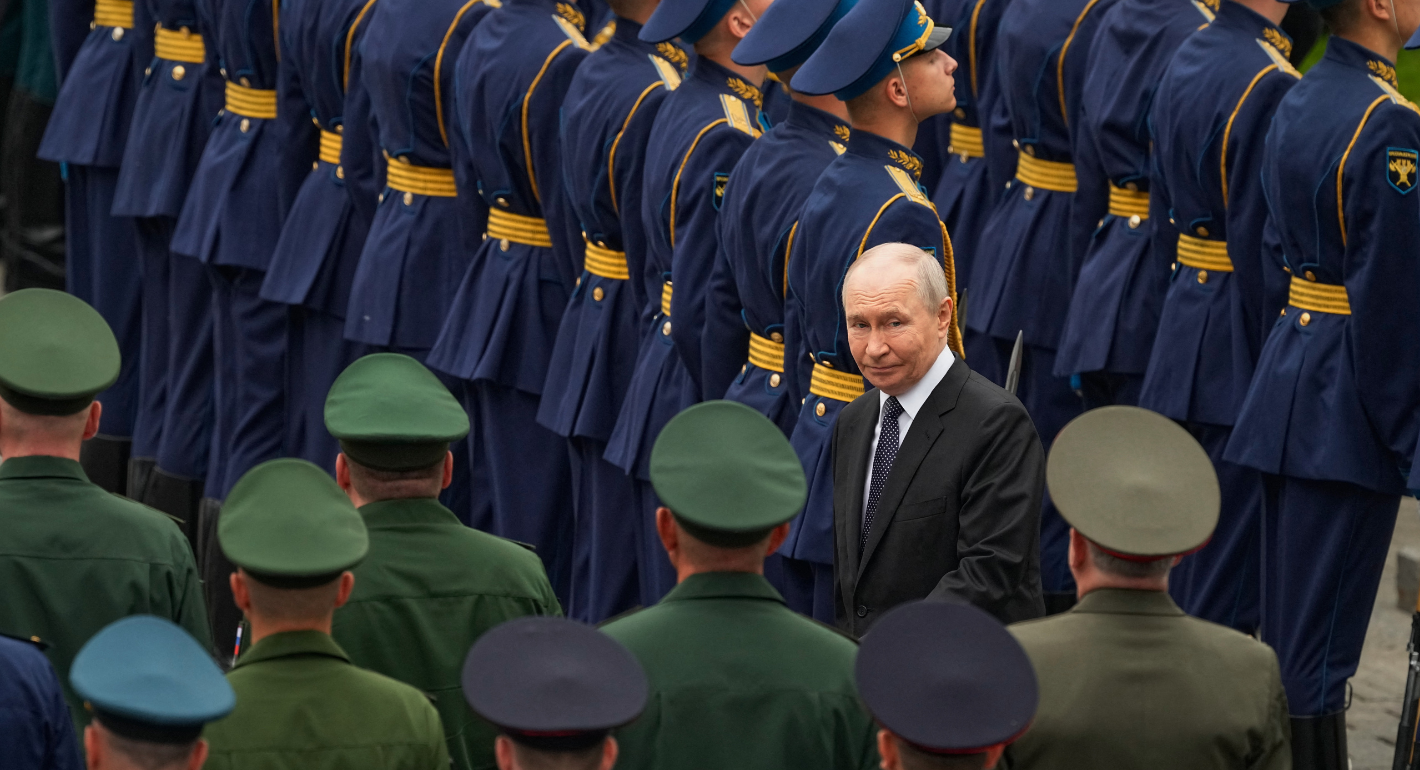
While Russia is not ready to sue for peace on Europe’s terms, it could still either seek a ceasefire in Ukraine or try escalation. Brussels needs to prepare for both and prioritize that preparation over normative discussions.
Kadri Liik

As geopolitical rivalry weaponizes global supply chains, the EU’s true vulnerability lies in emerging-risk imports. For these goods, suppliers are growing more concentrated, substitution more difficult, and political risk is looming.

Sinan Ülgen

The EU is putting together a new security strategy to meet today’s myriad challenges. But for any proposal to be effective, the union needs to grapple with its identity and ambitions.

Pierre Vimont
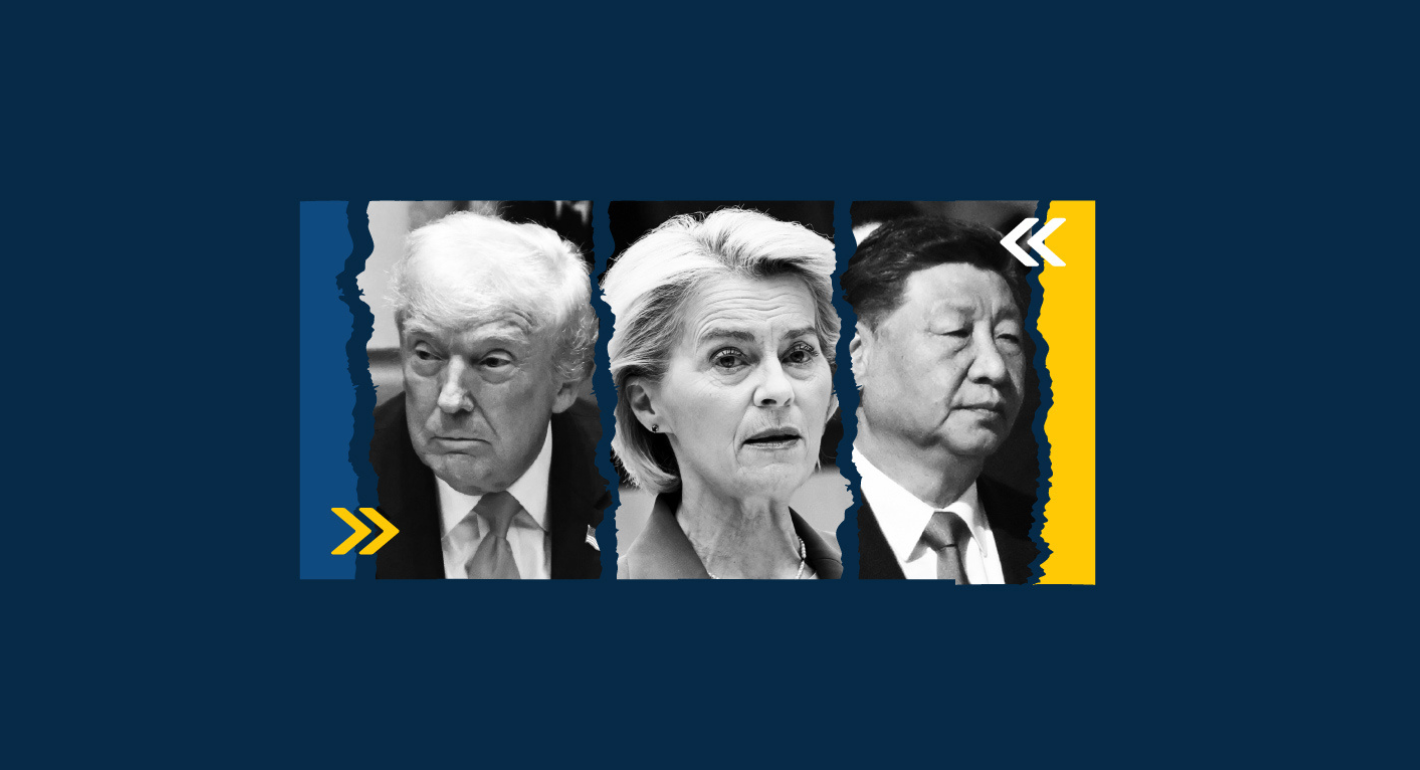
Between the United States’ market-driven approach and China's state-led industrial strategy, Europe is reckoning with how it can remain competitive in the global economy. But is Europe in danger of becoming a U.S. or China colony?
Noah Barkin, Anu Bradford