

Q&A
Matt Ferchen
{
  "authors": [
    "Matt Ferchen"
  ],
  "type": "legacyinthemedia",
  "centerAffiliationAll": "",
  "centers": [
    "Carnegie Endowment for International Peace",
    "Carnegie China"
  ],
  "collections": [
    "China and the Developing World",
    "China’s Foreign Relations"
  ],
  "englishNewsletterAll": "",
  "nonEnglishNewsletterAll": "",
  "primaryCenter": "Carnegie China",
  "programAffiliation": "",
  "programs": [],
  "projects": [],
  "regions": [
    "North America",
    "South America",
    "East Asia",
    "China"
  ],
  "topics": [
    "Economy"
  ]
}
Source: Getty
China’s business and trade links to Venezuela play a far more prominent role in shaping and defining the bilateral relationship than political or diplomatic ties.
Source: Voice of Russia
Speaking to Voice of Russia, Carnegie’s Matt Ferchen explained China’s interests in Venezuela and how Chinese-Venezuelan ties will be affected after the death of Hugo Chavez. While Chinese business and political leaders are certainly anxious about the political situation that may emerge and the direction that the new leadership might take the country, the level of Chinese investment in Venezuela means that China would be happy with any Venezuelan leader who continues to encourage China’s investment and is a reliable and predictable partner, Ferchen said.
Although China and Venezuela have close business and trade ties, foreign policy and political relations are marginal, Ferchen added. Venezuela hopes that closer political ties and ideological support from China would follow closer business ties were not met. Instead, asserted Ferchen, Chinese State Owned Enterprises and banks played a far bigger role in forging the bilateral relationship, often acting independently of the government and Ministry of Foreign Affairs.

Former Nonresident Scholar, Carnegie-Tsinghua Center for Global Policy
Ferchen specializes in China’s political-economic relations with emerging economies. At the Carnegie–Tsinghua Center for Global Policy, he ran a program on China’s economic and political relations with the developing world, including Latin America.
Recent Work
Matt Ferchen
Matt Ferchen, Anarkalee Perera
Carnegie does not take institutional positions on public policy issues; the views represented herein are those of the author(s) and do not necessarily reflect the views of Carnegie, its staff, or its trustees.
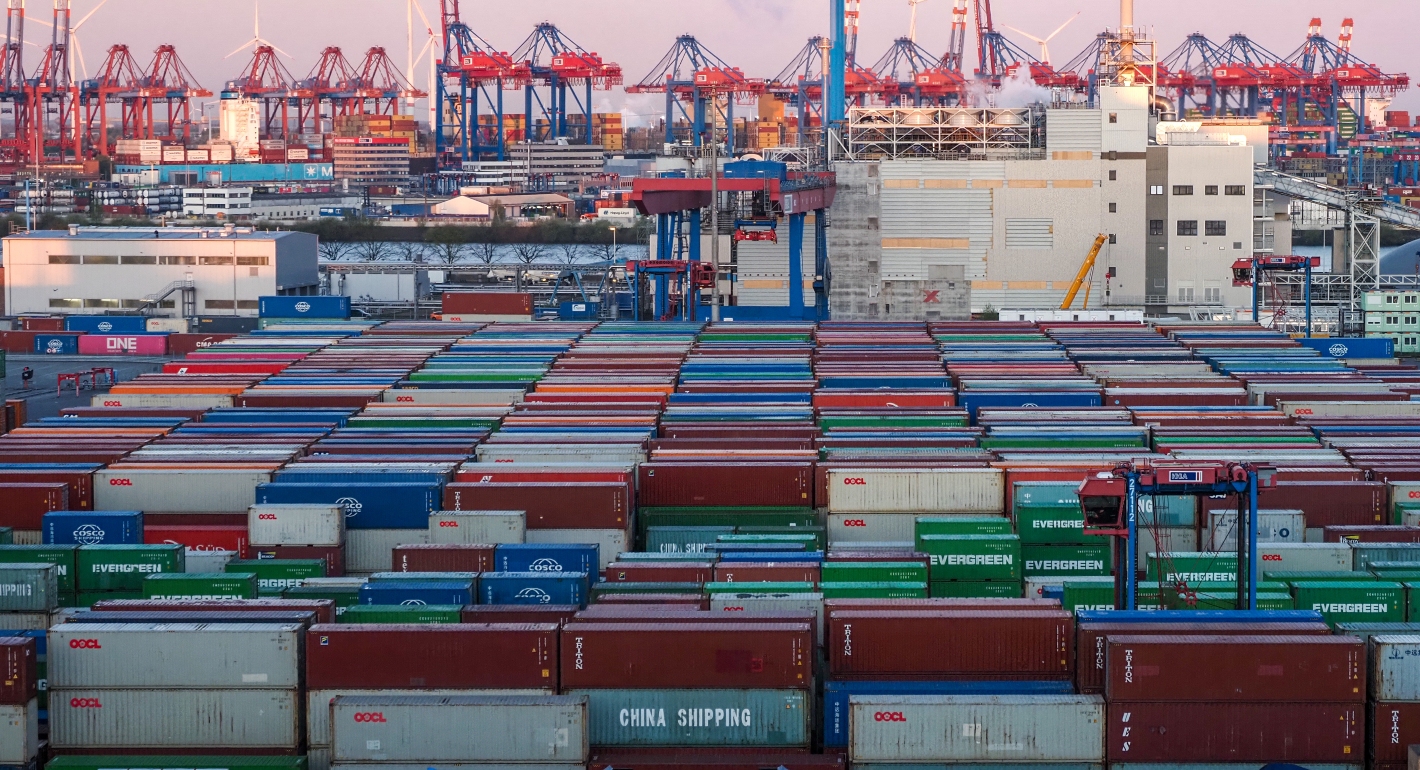
As geopolitical rivalry weaponizes global supply chains, the EU’s true vulnerability lies in emerging-risk imports. For these goods, suppliers are growing more concentrated, substitution more difficult, and political risk is looming.

Sinan Ülgen

The EU is putting together a new security strategy to meet today’s myriad challenges. But for any proposal to be effective, the union needs to grapple with its identity and ambitions.

Pierre Vimont
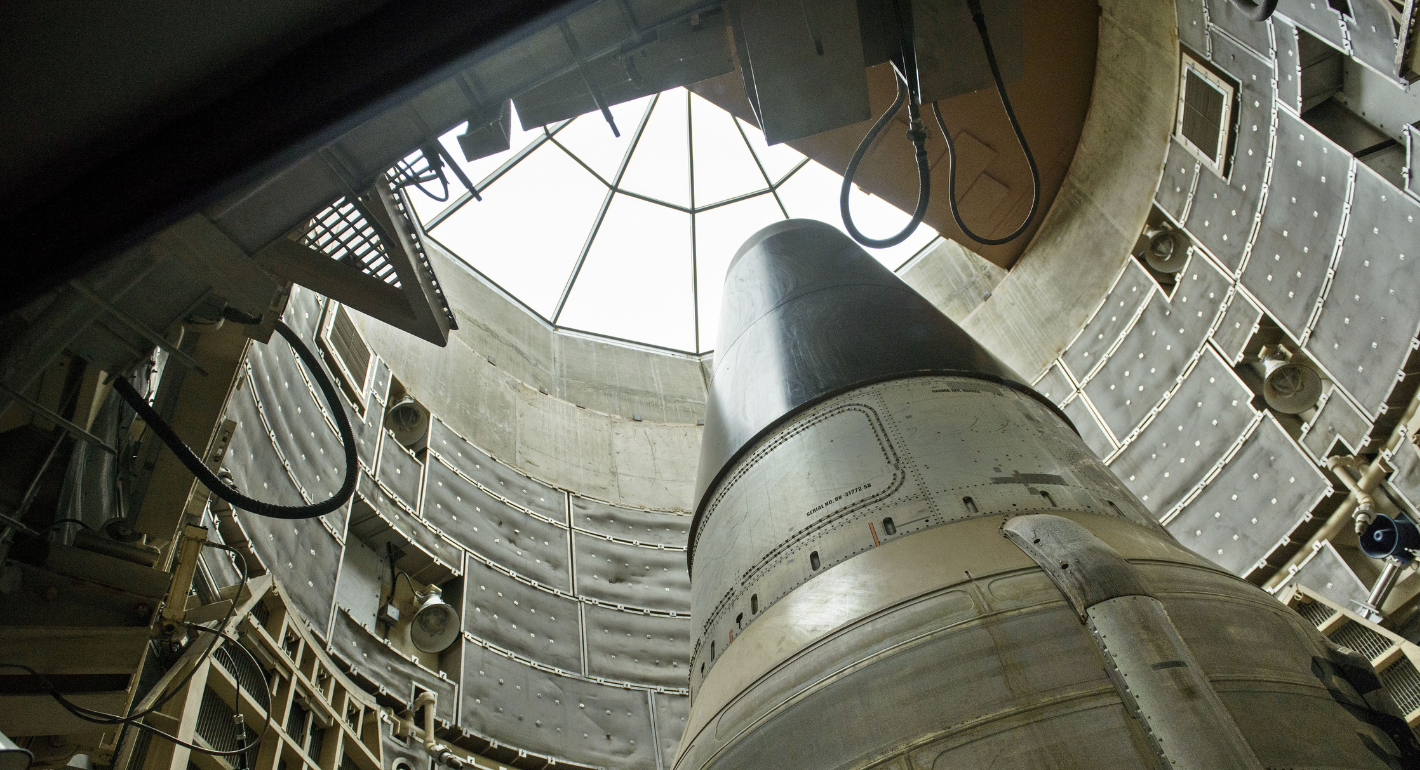
Amid uncertainty caused by the Iran war, the global drive for nonproliferation has stalled. With Europe diplomatically marginalized and countries reassessing their nuclear options, efforts to curb the spread of nuclear weapons risk becoming irrelevant.

Jane Darby Menton
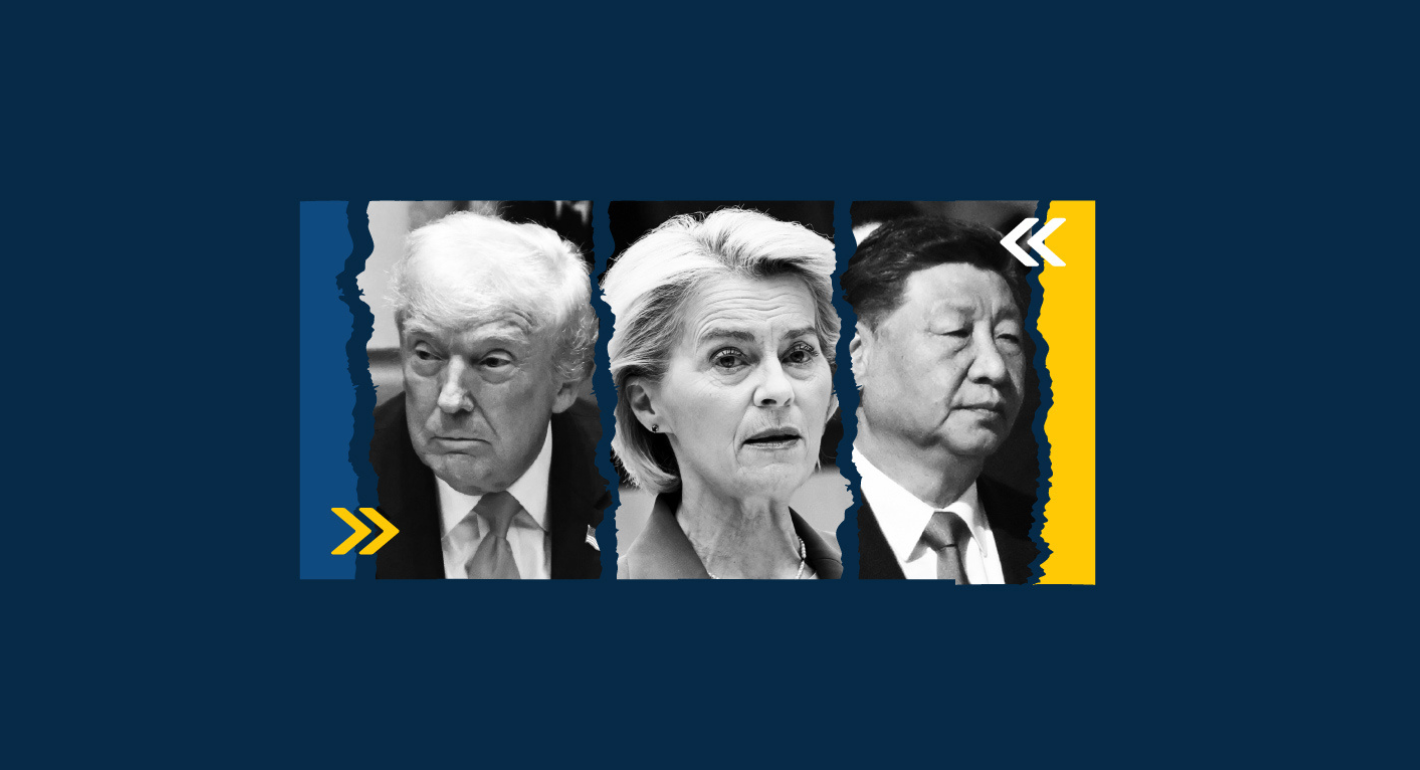
Between the United States’ market-driven approach and China's state-led industrial strategy, Europe is reckoning with how it can remain competitive in the global economy. But is Europe in danger of becoming a U.S. or China colony?
Noah Barkin, Anu Bradford
The U.S.-sponsored TRIPP deal is driving the Armenia-Azerbaijan peace process forward. But foreign and domestic hurdles remain before connectivity and economic interdependence can open up the South Caucasus.



Thomas de Waal, Areg Kochinyan, Zaur Shiriyev