

In The Media
Petr Topychkanov
{
  "authors": [
    "Petr Topychkanov"
  ],
  "type": "legacyinthemedia",
  "centerAffiliationAll": "",
  "centers": [
    "Carnegie Endowment for International Peace",
    "Carnegie Russia Eurasia Center"
  ],
  "collections": [],
  "englishNewsletterAll": "",
  "nonEnglishNewsletterAll": "",
  "primaryCenter": "Carnegie Russia Eurasia Center",
  "programAffiliation": "",
  "programs": [],
  "projects": [
    "Eurasia in Transition"
  ],
  "regions": [
    "South Asia",
    "Pakistan"
  ],
  "topics": [
    "Political Reform",
    "Military"
  ]
}
Source: Getty
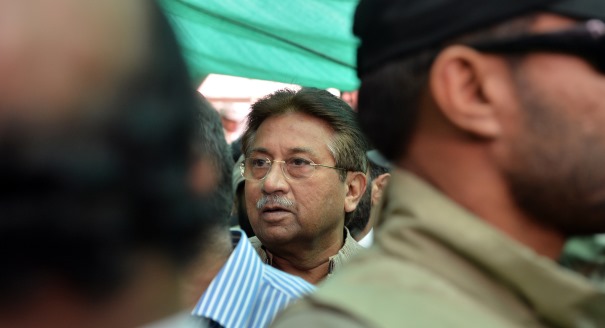
The arrest of Pervez Musharraf is a momentous event for Pakistan, since his conviction would deprive the country’s military establishment of impunity it has long enjoyed.
Source: Voice of Russia's Morning Show
After returning from a four-year exile, Pervez Musharraf is in custody. Carnegie Moscow Center’s Petr Topychkanov spoke about reasons for Musharraf’s return to Pakistan after four years of exile and his recent arrest with Voice of Russia’s Ric Young.Regarding Musharraf’s reasons to return and participate in elections, Topychkanov noted that the former Pakistani president and top commander hoped for the support of the military establishment and military-owned businesses. However, while in exile he was unable to accurately gauge the changes in the Pakistan’s political environment , Topychkanov said. Musharraf thus made a mistake deciding to return to the country, where he actually had no support whatsoever.
According to Topychkanov, the arrest of Musharraf is a momentous event for Pakistan since his conviction would deprive the country’s military establishment of the legal impunity it has been enjoying for a long time.
Topychkanov admitted that there is no doubt the judges will try to bring all the possible charges against Musharraf, including the assassination of Benazir Bhutto. However, it is hard to predict whether he will be imprisoned since he will try to reach some sort of agreement with Pakistani judges and current politicians, Topychkanov concluded.
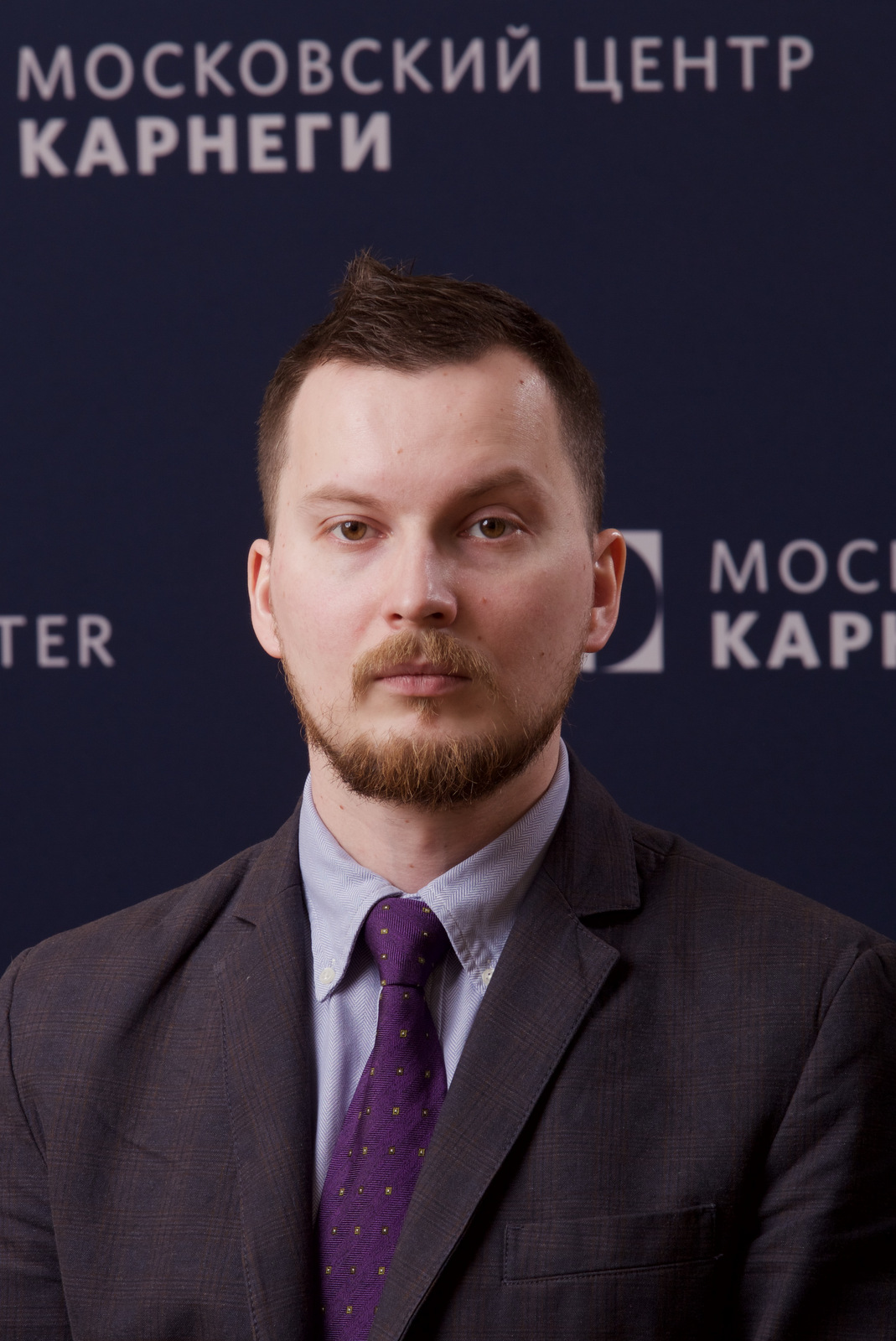
Former Fellow, Nonproliferation Program, Moscow Center
Topychkanov was a fellow in the Carnegie Moscow Center’s Nonproliferation Program.
Recent Work
Petr Topychkanov
Petr Topychkanov
Carnegie does not take institutional positions on public policy issues; the views represented herein are those of the author(s) and do not necessarily reflect the views of Carnegie, its staff, or its trustees.
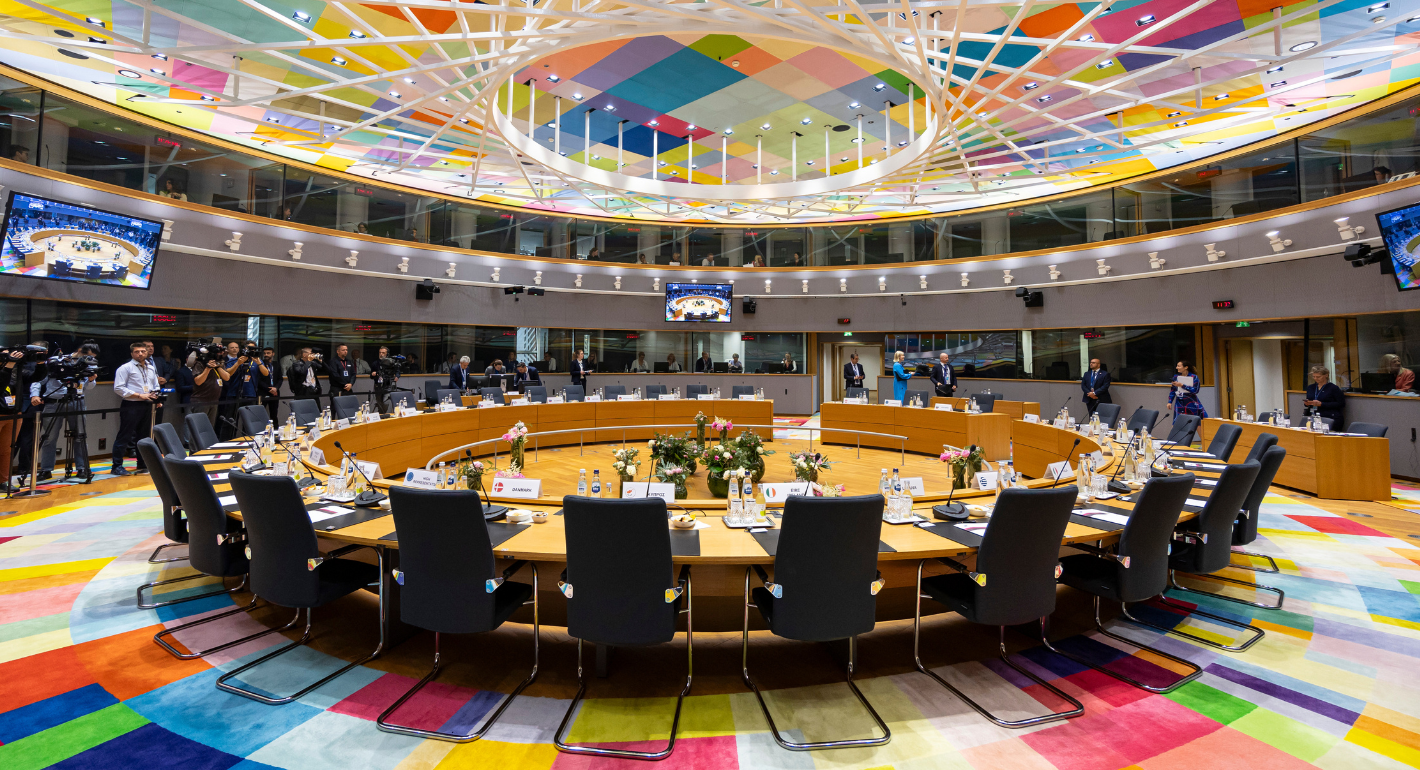
Countries face several hurdles in joining the EU, including the final stage of ratifying their accession treaties. Procedural reforms and substantive adjustments could help move the process forward.

Stefan Lehne
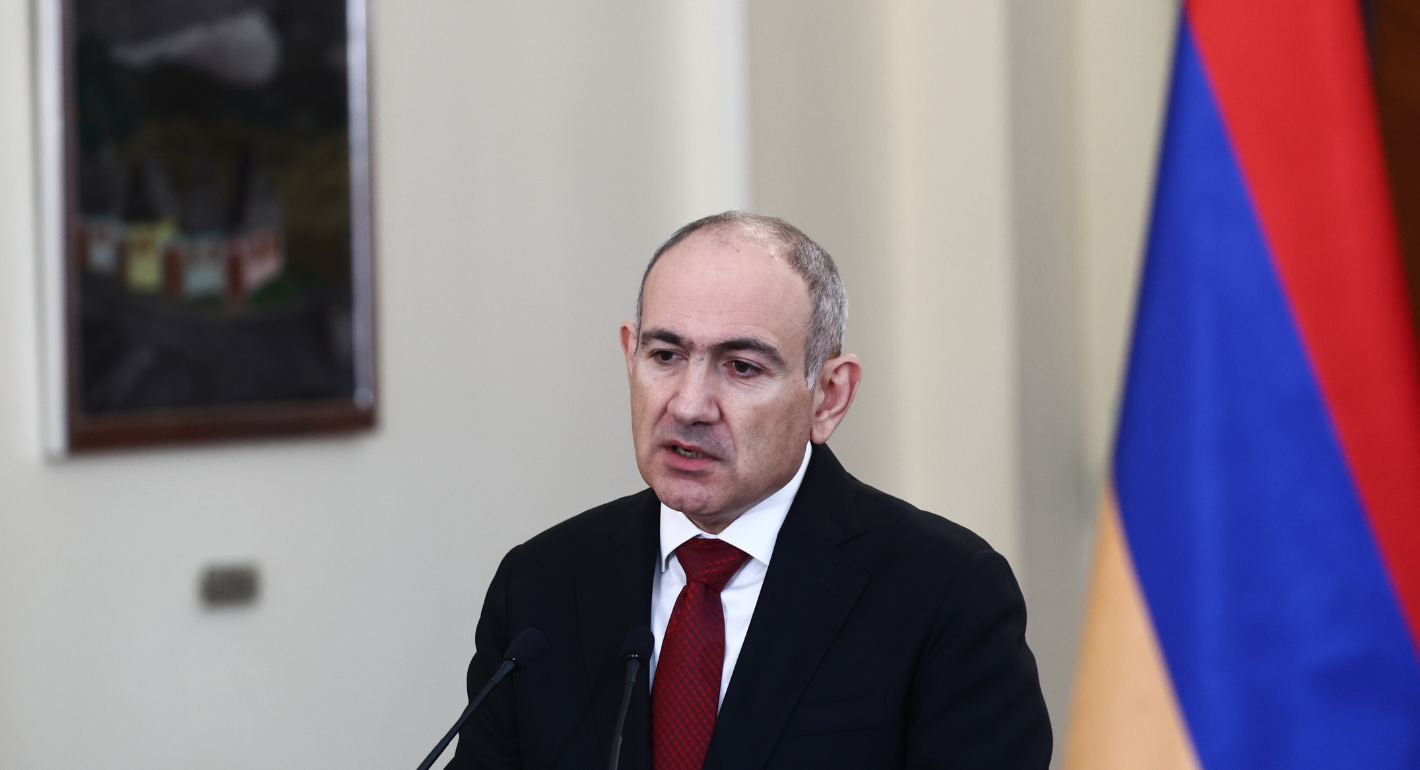
Europe has an interest in supporting Armenian leader Nikol Pashinyan as he tries to make peace with neighbors and loosen ties with Russia. But it is depersonalized support in the long term, not quickfire flash, that will win the day.

Thomas de Waal
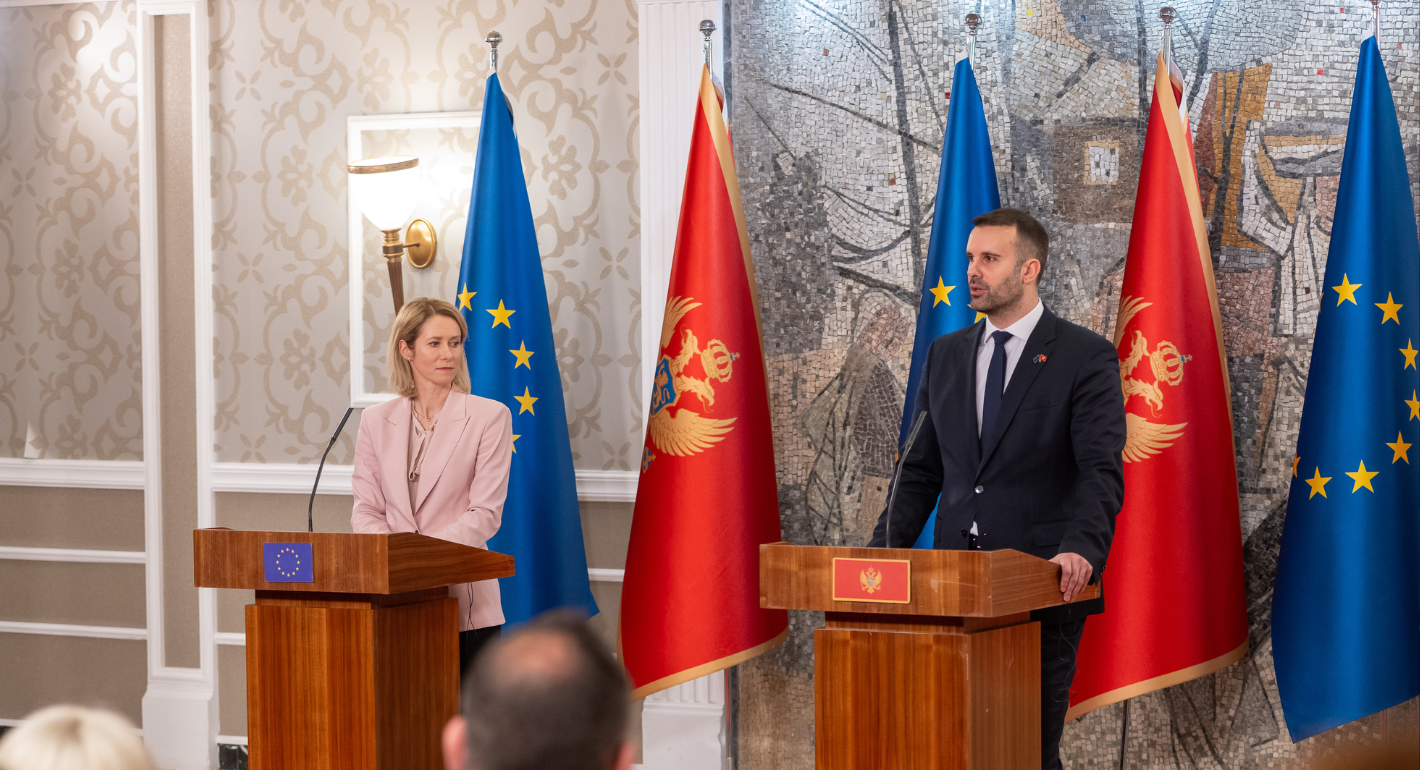
Montenegro and Albania are frontrunners for EU enlargement in the Western Balkans, but they can’t just sit back and wait. To meet their 2030 accession ambitions, they must make a strong positive case.


Dimitar Bechev, Iliriana Gjoni
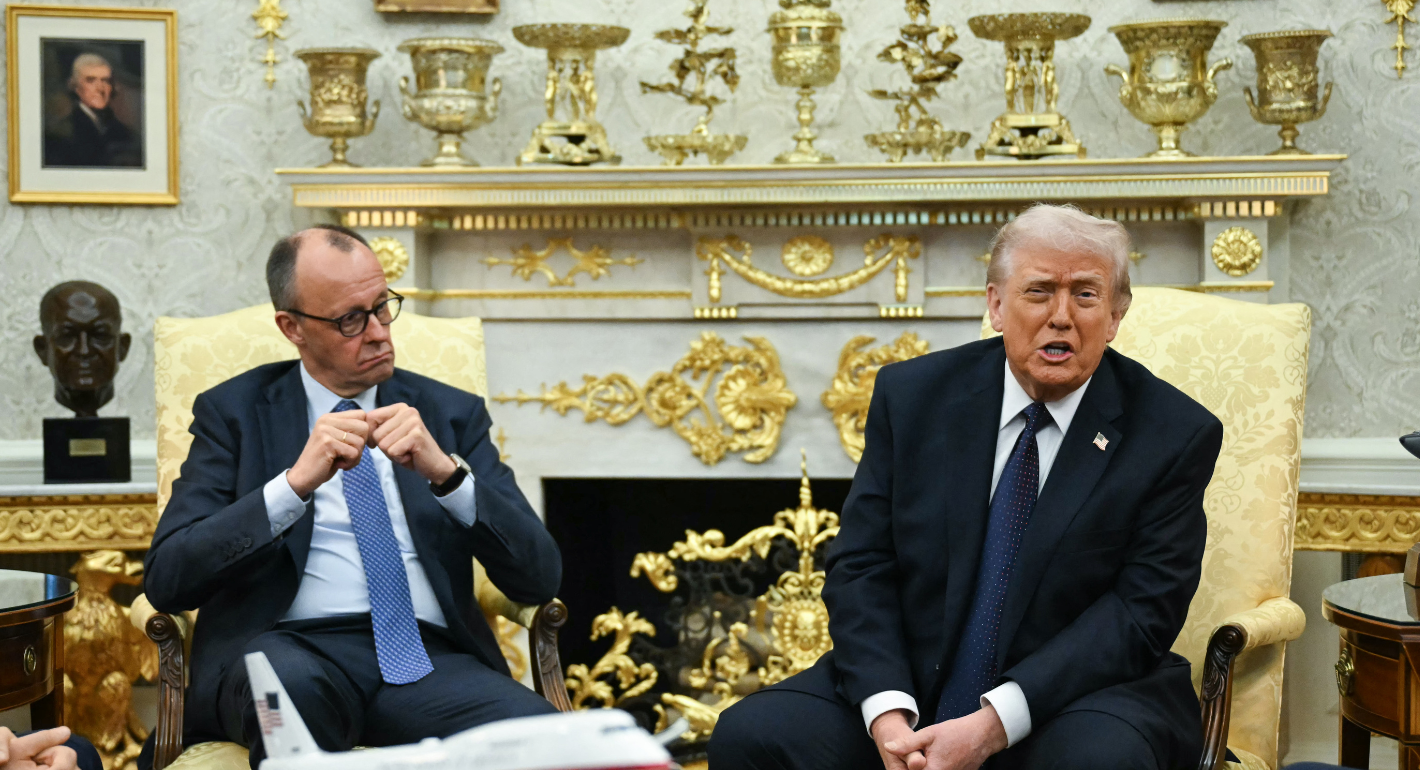
European reactions to the war in Iran have lost sight of wider political dynamics. The EU must position itself for the next phase of the crisis without giving up on its principles.

Richard Youngs
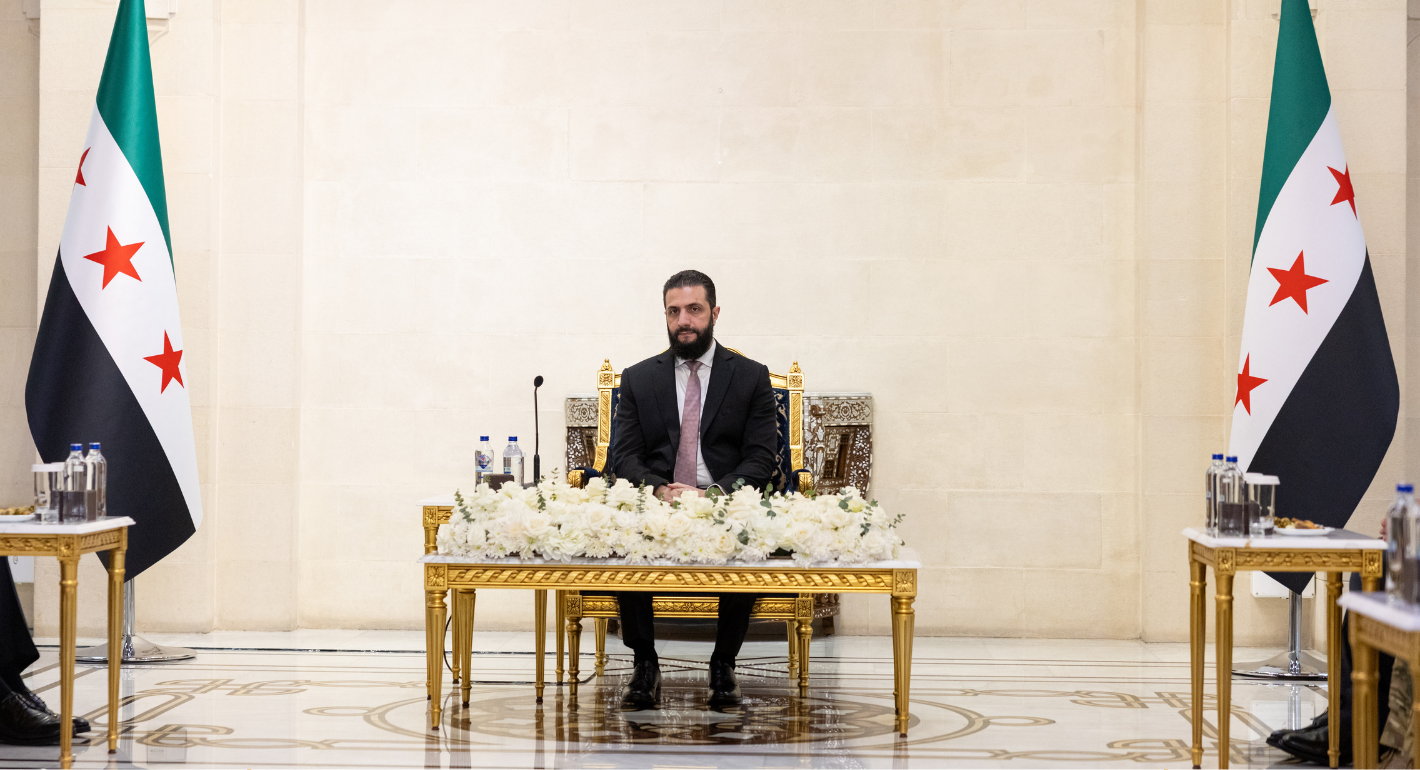
Europe’s interests in Syria extend beyond migration management, yet the EU trails behind other players in the country’s post-Assad reconstruction. To boost its influence in Damascus, the union must upgrade its commitment to ensuring regional stability.

Bianka Speidl, Hanga Horváth-Sántha