

Research
- +10
Rosa Balfour, Frances Z. Brown, Yasmine Farouk, …
{
  "authors": [
    "Moisés Naím"
  ],
  "type": "legacyinthemedia",
  "centerAffiliationAll": "",
  "centers": [
    "Carnegie Endowment for International Peace"
  ],
  "collections": [],
  "englishNewsletterAll": "",
  "nonEnglishNewsletterAll": "",
  "primaryCenter": "Carnegie Endowment for International Peace",
  "programAffiliation": "",
  "programs": [],
  "projects": [],
  "regions": [
    "North America"
  ],
  "topics": [
    "Political Reform",
    "Global Governance",
    "Religion"
  ]
}
Source: Getty
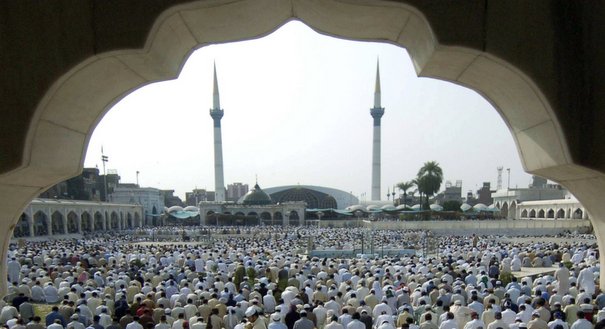
There are a number of obstacles facing major established religious institutions in today’s globalized world, where the number of smaller religious affiliations has proliferated.
Source: VOA Press Conference
Speaking to Voice of America, Carnegie's Moises Naím discussed the fascinating trends overcoming religions in today's global society. Established religious institutions, which once had strong followings in countries across the world, are losing their market share, Naím explained. For instance, the 1970 census in Brazil showed 90 percent of the population identifying as Catholic. In 2010, this figure dropped to 65 percent. The same trend is occurring in Guatemala, the Philippines, and Nigeria. On the reverse end, Naím added, some religious sectors are growing. The Pentecostal church has seen a surge, as it has been competing effectively in attracting people that come from families with traditional roots in one of the more common institutionalized religions.
Islam, like Christianity, is also seeing a revolution; it is observing hyper-fragmentation, Naím argued.. Unlike the centralized hierarchy in Catholicism, there is no central power or order that established a homogenous doctrine and rules for the religious following, Naím concluded.

Distinguished Fellow
Moisés Naím is a distinguished fellow at the Carnegie Endowment for International Peace, a best-selling author, and an internationally syndicated columnist.
Recent Work



Rosa Balfour, Frances Z. Brown, Yasmine Farouk, …
Moisés Naím
Carnegie does not take institutional positions on public policy issues; the views represented herein are those of the author(s) and do not necessarily reflect the views of Carnegie, its staff, or its trustees.
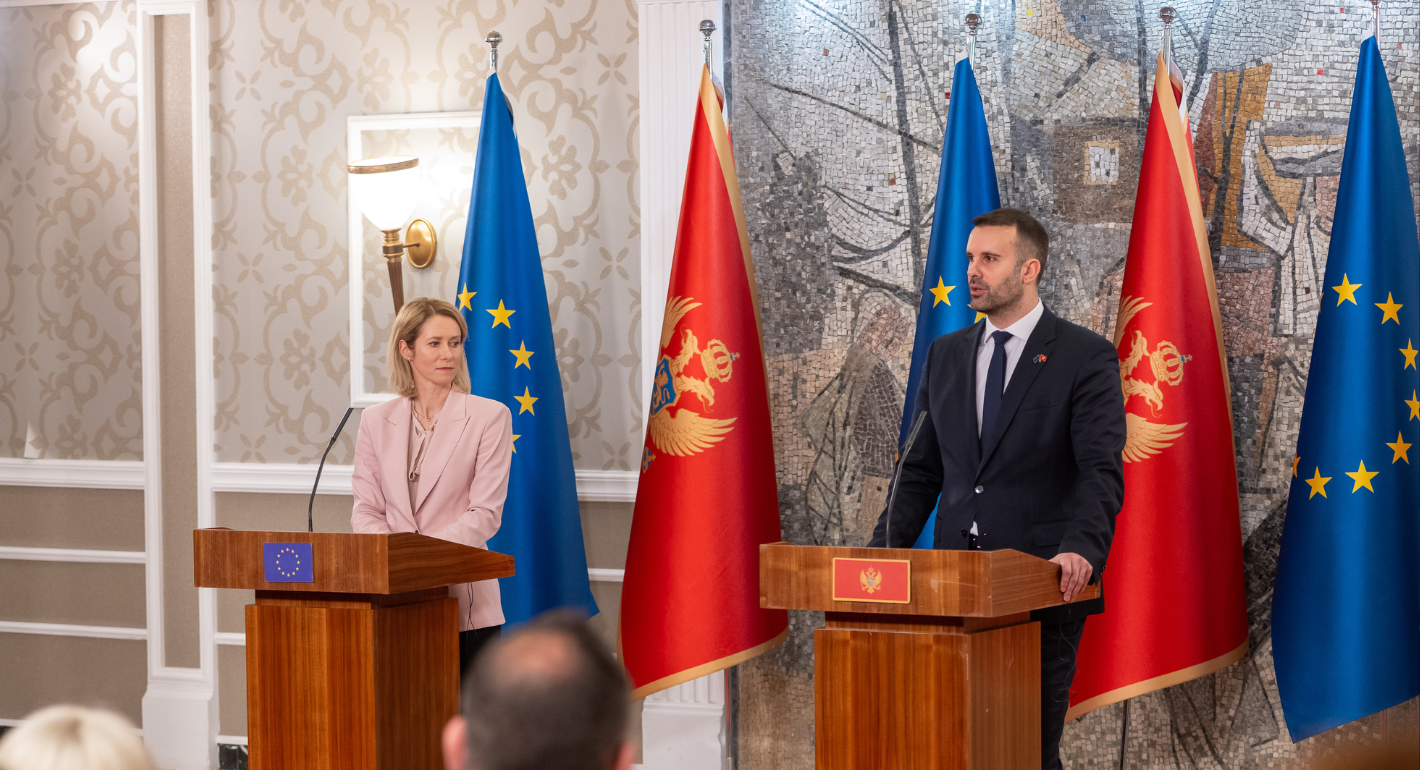
Montenegro and Albania are frontrunners for EU enlargement in the Western Balkans, but they can’t just sit back and wait. To meet their 2030 accession ambitions, they must make a strong positive case.


Dimitar Bechev, Iliriana Gjoni
European reactions to the war in Iran have lost sight of wider political dynamics. The EU must position itself for the next phase of the crisis without giving up on its principles.

Richard Youngs
For years, the United States anchored global cyber diplomacy. As Washington rethinks its leadership role, the launch of the UN’s Cyber Global Mechanism may test how allies adjust their engagement.
Patryk Pawlak, Chris Painter
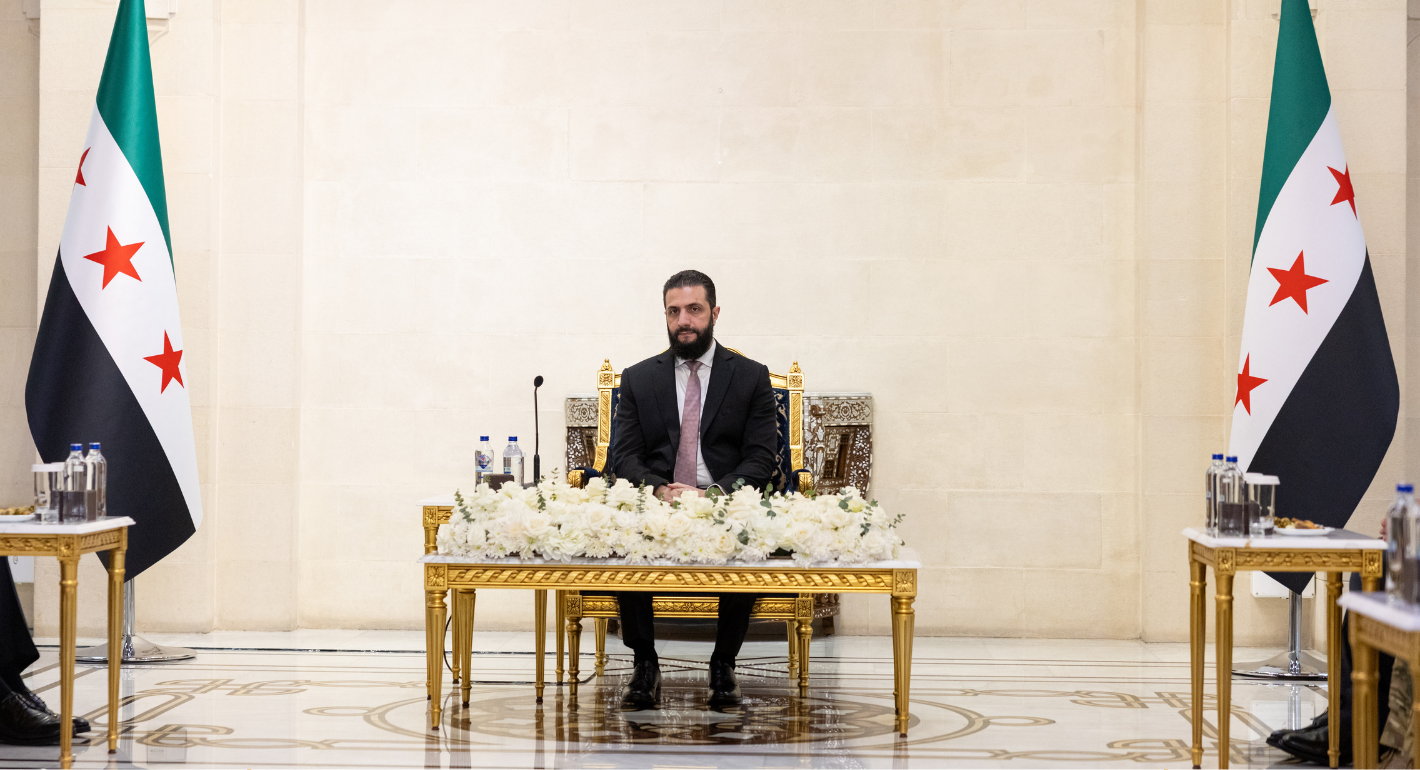
Europe’s interests in Syria extend beyond migration management, yet the EU trails behind other players in the country’s post-Assad reconstruction. To boost its influence in Damascus, the union must upgrade its commitment to ensuring regional stability.

Bianka Speidl, Hanga Horváth-Sántha
Europe’s policy of subservience to the Trump administration has failed. For Washington to take the EU seriously, its leaders now need to combine engagement with robust pushback.

Stefan Lehne