

Commentary
Bayram Balci
{
  "authors": [
    "Bayram Balci"
  ],
  "type": "legacyinthemedia",
  "centerAffiliationAll": "dc",
  "centers": [
    "Carnegie Endowment for International Peace",
    "Malcolm H. Kerr Carnegie Middle East Center"
  ],
  "collections": [],
  "englishNewsletterAll": "menaTransitions",
  "nonEnglishNewsletterAll": "",
  "primaryCenter": "Carnegie Endowment for International Peace",
  "programAffiliation": "MEP",
  "programs": [
    "Middle East"
  ],
  "projects": [],
  "regions": [
    "Middle East",
    "Türkiye",
    "Levant",
    "Syria"
  ],
  "topics": [
    "Political Reform",
    "Security",
    "Civil Society"
  ]
}
Source: Getty
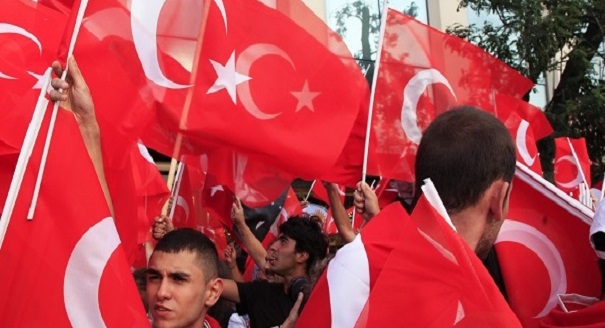
The recent Gezi Park protests in Turkey, combined with the effects of the Syria crisis, should make accelerating the peace process with the Kurdistan Workers’ Party (PKK) an important priority for the Turkish government.
Source: World Politics Review
The Gezi Park protests in Istanbul’s Taksim Square, which shook Turkey at the end of May, represent a turning point in Turkey’s contemporary political history. Although their main target was Prime Minister Recep Tayyip Erdogan and his style of government, the protests, in combination with developments in Syria’s civil war, will have significant consequences for the ongoing peace process with the Kurdistan Workers’ Party (PKK). At the same time, the need to effectively address the Kurdish issue could accelerate recent shifts in Turkey’s stance on the Syrian crisis.
Though the Turkish-PKK peace process currently appears deadlocked due to natural mistrust between the two sides, Erdogan’s political weakness as a result of the protests will make him more likely to continue pursuing the negotiations, even as Turkey’s new domestic political situation may improve the chances of reaching a deal with the Kurds. As for Turkish engagement in Syria, the direct impact of the Gezi protests per se is limited, as Ankara had already started to revise its Syria policy before the protests started. But the complex regional dynamics of Kurdish nationalism are likely to drive further shifts in Ankara’s approach to the crisis, which will in turn have important implications for the Turkey-PKK peace process.
When the Gezi protests started, and even after they became nationwide protests against the Erdogan government, Abdullah Ocalan, the imprisoned leader of the PKK, was cautious and strategic in defining the group’s official position: Kurds supported protesters’ calls for more liberty and justice but would not actually participate in the demonstrations. The reason for this was simple. An experienced politician, Ocalan did not want to jeopardize the nascent peace process, which if successful would result in the Turkish government’s granting political and cultural rights to Kurds in exchange for the withdrawal of the PKK’s guerilla forces from Turkey.As events have shown, this was not at all a bad strategy. Two months after the protests began, Erdogan still has firm control over the government, but his prestige and popularity have been damaged. This has created several incentives for Erdogan’s government to continue dealing with the Kurds, who have emerged over the past decade as a political force in Turkey and across the Middle East.
The first is that, in Turkey’s new political environment, Erdogan now knows he can be challenged—something that did not appear possible before the Gezi Park crisis because of the weakness of the Turkish political opposition. But since the protests, Erdogan has faced a reinvigorated opposition armed with previously unseen power. Erdogan, in other words, is no longer the unchallenged sultan of Turkey.
Meanwhile, Turkey’s Kurds have proved themselves to be extremely politically determined, well-organized and unified under Ocalan’s strict control. Most importantly, the PKK is showing a maturity it lacked in the past: Since Ocalan declared a cease-fire in March, Kurdish guerrillas have not staged any attacks except to sabotage new military outposts the government wants to build in the Kurdish regions. Moreover, the PKK and its affiliate urban organization, the Union of Kurdistan Committees (KCK), have repeatedly exhibited their force and determination to achieve a political solution for their cause, if at times in counterintuitive ways. For example, the PKK recently formed an illegal police force—part of a strategy of creating underground proto-state structures to prepare the Kurdish regions for greater autonomy under an eventual peace deal.
But domestic politics is not the only factor working in the Kurds’ favor as they seek a political solution in Turkey. The evolution of the situation in Syria is another headache for Erdogan, who sooner or later will realize that he must change his attitude toward that country’s Kurds as well. When the Syria crisis started in March 2011, Syria’s Kurds initially adopted a murky position. Then in July 2012, without any combat, they took control of several cities in the north, where Kurds are in the majority. Last week, Syria’s Kurds defeated jihadist groups affiliated with al-Qaida who wanted to impose a rigorous Islamic regime on the local population. At present, Kurds have de facto control in a region of Syria bordering Turkey. All along, Turkey watched developments with alarm: The Kurdish Democratic Union Party (PYD), which governs the region, is affiliated with the PKK and has clearly expressed its intention to form an autonomous zone in Syria comparable to Iraqi Kurdistan, a move that Ankara adamantly opposes.
Nevertheless, it is now clear that Turkey’s Syria policy, in which Erdogan previously sought Syrian President Bashar al-Assad’s overthrow by military means, had become counterproductive with regard to the Kurdish issue, as it contributed to bringing Syrian Kurds into the fray. Turkey’s stance had already started to shift two weeks before the Gezi Park demonstrations began, when Erdogan visited the United States. After his discussions with U.S. President Barack Obama, Erdogan moderated his tone, while reducing Turkish support to armed Syrian opposition groups. Last week, when the PYD and jihadists fought each other near Turkey’s border, the Turkish government remained neutral. A further indication of the shift in Turkey’s approach to Syria’s Kurds, and to the Syria conflict in general, was the July 25 visit to Istanbul of Salih Muslim, the leader of the PYD. Considered a terrorist by Ankara until recently, Muslim was reported to have meetings scheduled with Turkish security and political officials. That the ostensibly private visit was publicized is an indication of the importance of the discussions to Ankara.
Despite appearances, the Gezi Park demonstrations have not complicated the peace process between Turks and Kurds; the protests have actually made it more urgent for the Turkish government to continue and accelerate the process. Indeed, Erdogan’s political future depends on the negotiations’ success. To achieve his goals, including changing the constitution to create a more powerful presidential system, he will need new political capital and new allies. Perhaps he can find these allies among the Kurdish political forces, which, though once his enemies, could now help him win future political victories. If Erdogan wants to reconquer his old charisma and prestige, he has to deal with the Kurds. The Gezi Park protests in Istanbul’s Taksim Square, which shook Turkey at the end of May, represent a turning point in Turkey’s contemporary political history. Although their main target was Prime Minister Recep Tayyip Erdogan and his style of government, the protests, in combination with developments in Syria’s civil war, will have significant consequences for the ongoing peace process with the Kurdistan Workers’ Party (PKK). At the same time, the need to effectively address the Kurdish issue could accelerate recent shifts in Turkey’s stance on the Syrian crisis.
Though the Turkish-PKK peace process currently appears deadlocked due to natural mistrust between the two sides, Erdogan’s political weakness as a result of the protests will make him more likely to continue pursuing the negotiations, even as Turkey’s new domestic political situation may improve the chances of reaching a deal with the Kurds. As for Turkish engagement in Syria, the direct impact of the Gezi protests per se is limited, as Ankara had already started to revise its Syria policy before the protests started. But the complex regional dynamics of Kurdish nationalism are likely to drive further shifts in Ankara’s approach to the crisis, which will in turn have important implications for the Turkey-PKK peace process.
When the Gezi protests started, and even after they became nationwide protests against the Erdogan government, Abdullah Ocalan, the imprisoned leader of the PKK, was cautious and strategic in defining the group’s official position: Kurds supported protesters’ calls for more liberty and justice but would not actually participate in the demonstrations. The reason for this was simple. An experienced politician, Ocalan did not want to jeopardize the nascent peace process, which if successful would result in the Turkish government’s granting political and cultural rights to Kurds in exchange for the withdrawal of the PKK’s guerilla forces from Turkey.
As events have shown, this was not at all a bad strategy. Two months after the protests began, Erdogan still has firm control over the government, but his prestige and popularity have been damaged. This has created several incentives for Erdogan’s government to continue dealing with the Kurds, who have emerged over the past decade as a political force in Turkey and across the Middle East.
The first is that, in Turkey’s new political environment, Erdogan now knows he can be challenged—something that did not appear possible before the Gezi Park crisis because of the weakness of the Turkish political opposition. But since the protests, Erdogan has faced a reinvigorated opposition armed with previously unseen power. Erdogan, in other words, is no longer the unchallenged sultan of Turkey.
Meanwhile, Turkey’s Kurds have proved themselves to be extremely politically determined, well-organized and unified under Ocalan’s strict control. Most importantly, the PKK is showing a maturity it lacked in the past: Since Ocalan declared a cease-fire in March, Kurdish guerrillas have not staged any attacks except to sabotage new military outposts the government wants to build in the Kurdish regions. Moreover, the PKK and its affiliate urban organization, the Union of Kurdistan Committees (KCK), have repeatedly exhibited their force and determination to achieve a political solution for their cause, if at times in counterintuitive ways. For example, the PKK recently formed an illegal police force—part of a strategy of creating underground proto-state structures to prepare the Kurdish regions for greater autonomy under an eventual peace deal.
But domestic politics is not the only factor working in the Kurds’ favor as they seek a political solution in Turkey. The evolution of the situation in Syria is another headache for Erdogan, who sooner or later will realize that he must change his attitude toward that country’s Kurds as well. When the Syria crisis started in March 2011, Syria’s Kurds initially adopted a murky position. Then in July 2012, without any combat, they took control of several cities in the north, where Kurds are in the majority. Last week, Syria’s Kurds defeated jihadist groups affiliated with al-Qaida who wanted to impose a rigorous Islamic regime on the local population. At present, Kurds have de facto control in a region of Syria bordering Turkey. All along, Turkey watched developments with alarm: The Kurdish Democratic Union Party (PYD), which governs the region, is affiliated with the PKK and has clearly expressed its intention to form an autonomous zone in Syria comparable to Iraqi Kurdistan, a move that Ankara adamantly opposes.
Nevertheless, it is now clear that Turkey’s Syria policy, in which Erdogan previously sought Syrian President Bashar al-Assad’s overthrow by military means, had become counterproductive with regard to the Kurdish issue, as it contributed to bringing Syrian Kurds into the fray. Turkey’s stance had already started to shift two weeks before the Gezi Park demonstrations began, when Erdogan visited the United States. After his discussions with U.S. President Barack Obama, Erdogan moderated his tone, while reducing Turkish support to armed Syrian opposition groups. Last week, when the PYD and jihadists fought each other near Turkey’s border, the Turkish government remained neutral. A further indication of the shift in Turkey’s approach to Syria’s Kurds, and to the Syria conflict in general, was the July 25 visit to Istanbul of Salih Muslim, the leader of the PYD. Considered a terrorist by Ankara until recently, Muslim was reported to have meetings scheduled with Turkish security and political officials. That the ostensibly private visit was publicized is an indication of the importance of the discussions to Ankara.
Despite appearances, the Gezi Park demonstrations have not complicated the peace process between Turks and Kurds; the protests have actually made it more urgent for the Turkish government to continue and accelerate the process. Indeed, Erdogan’s political future depends on the negotiations’ success. To achieve his goals, including changing the constitution to create a more powerful presidential system, he will need new political capital and new allies. Perhaps he can find these allies among the Kurdish political forces, which, though once his enemies, could now help him win future political victories. If Erdogan wants to reconquer his old charisma and prestige, he has to deal with the Kurds.
Former Nonresident Scholar, Russia and Eurasia Program
Balci was a nonresident scholar in Carnegie’s Russia and Eurasia Program, where his research focuses on Turkey and Turkish foreign policy in Central Asia and the Caucasus.
Recent Work
Bayram Balci
Bayram Balci, Daniyar Kosnazarov
Carnegie does not take institutional positions on public policy issues; the views represented herein are those of the author(s) and do not necessarily reflect the views of Carnegie, its staff, or its trustees.

Mounting economic strain and battlefield losses will not necessarily make the Kremlin less dangerous. They could instead push Moscow toward a more aggressive hybrid campaign designed to test NATO’s Eastern flank, exploit allied hesitation, and fracture European resolve.

Maksym Beznosiuk

Over the past ten years, NATO has held almost as many summits as it did during the entirety of the Cold War. Are they still useful, or is it time to stop holding annual meetings?

Rym Momtaz, ed.

As the EU confronts profound challenges, several leaders have called for fundamental reform to the union’s model—but only modest, superficial changes have resulted. What if Europe really could be reimagined from zero today: What should such a redesigned European order look like?

Richard Youngs, ed.
As Russia's war on Ukraine drags on, NATO is expanding its footprint in the Black Sea. Turkey, Romania, and Bulgaria are upgrading their fleets and deepening trilateral cooperation.

Dimitar Bechev
For ninety years, Turkey has been positioned as the principal gatekeeper of Black Sea security. As a result, European and NATO efforts to support Ukraine will require closer engagement with Ankara.

Thomas de Waal