

Commentary
Trump is distracted and Ukraine wants Europe to step up. The continent’s leaders must find their voice and assert it in talks with Russia.
Alissa de Carbonnel
{
  "authors": [
    "Rachel Kleinfeld",
    "Michael Breen",
    "Doug Wilson"
  ],
  "type": "legacyinthemedia",
  "centerAffiliationAll": "dc",
  "centers": [
    "Carnegie Endowment for International Peace"
  ],
  "collections": [],
  "englishNewsletterAll": "democracy",
  "nonEnglishNewsletterAll": "",
  "primaryCenter": "Carnegie Endowment for International Peace",
  "programAffiliation": "DCG",
  "programs": [
    "Democracy, Conflict, and Governance"
  ],
  "projects": [],
  "regions": [
    "North America",
    "United States"
  ],
  "topics": [
    "Democracy"
  ]
}
Source: Getty
In a world of no good options and no risk-free alternatives, the greatest risk and the worst risk is to deny the president, as commander-in-chief, the discretion to use military tools.
Source: Defense One
We lead the Truman National Security Project, where we focus on identifying, training and supporting a new generation of American leaders who want to develop strong, smart and principled national security policies. Our alumni and grassroots networks across the country include many outstanding young men and women who have served their country on the battlefields of Iraq and Afghanistan over the past ten years. Our members, reflecting the American public at large, hold conflicting views about the risks and merits of limited and targeted U.S. military strikes to prevent the Assad regime’s further use of chemical weapons in Syria. The three of us do not pretend to speak for them. But we feel strongly about some basics that need to be reinforced and not lost in the white noise in this debate.
We believe it is a mistake to make President Obama the issue. He is on record that not all wars are America’s wars. He has brought American troops home from Iraq and is in the process of doing so in Afghanistan. His presidency to date has been marked by the most significant military-intelligence cooperation in our history; by the use of advanced technology instead of U.S. troops to effectively address direct threats to our national security; and by renewed efforts to act in concert with international partners wherever possible in dealing with global challenges to the safety and security of all our citizens.We cannot pretend away, diminish or dispute the veracity of what we have seen take place in Syria on August 21. Americans live in a world of mass and instantaneous international communication, where the magnitude of the horrors of a chemical attack that a dictator has perpetrated upon his own people can be transmitted via a thousand different public sources and verified by new intelligence technologies -- tools that did not exist to bring us face-to-face with the horrors of genocide in Rwanda two decades ago. The word “unacceptable”, without making tangible the meaning, the consequences and the accountability that comes with it, remains just a word.
There are many lessons to be learned after more than ten years on the battlefields of nations shaped by histories, cultures, traditions and internal religious conflicts vastly different than ours. One lesson is the law of unintended consequences: the introduction of American troops to achieve short-term military solutions can often lead instead to longer conflict, further destabilization, high cost in American blood and treasure and unsatisfying results. A second is that we can no longer ask our public to pay for, or our young men and women to die for, commitments with no discernible end and no defined, realistic metrics for success. A third is that those standing by to fill a power vacuum created by our actions could be more dangerous to our regional and global interests as those whom they would replace.
The United States needs to heed and apply these lessons. We can’t hide from the valid “what next?” questions now being asked by skeptics, military and non-military alike, regarding military strikes proposed as limited. These questions deserve answers. But we believe there is a difference between “fighting the last war” and being trapped from acting when we need to act and leading when we need to lead. America still has an indispensable leadership role to play. That role does not come with risk-free options. But it does come with a range of tools -- military, economic, intelligence, diplomatic, technological, and humanitarian -- to help us exercise our leadership.
We believe those tools can and should be used in tandem to achieve realistic goals and apply the appropriate lessons learned over the past decade: degrade and deter Bashar al-Assad’s ability to use chemical weapons again; put nations on notice that there is an accountability and a tangible price to pay for using such weapons; prevent the introduction of U.S. troops into a conflict they cannot solve; make clear that al-Qaeda leadership and terrorist threats to U.S. national security will be dealt with directly and forcefully, including ways that have proven effective from Yemen to Abbottabad; and work with partners wherever and whenever we can to strengthen alternatives to al-Qaeda and provide humanitarian assistance to the victims of conflict.
In a world of no good options and no risk-free alternatives, we believe the greatest risk and the worst risk is to deny the president, as commander-in-chief, the discretion to use military tools, the need for which in this case he has presented clear evidence and which we believe are now the key to the successful use of the other national security tools at America’s disposal. We believe the Russian proposal to put all chemical weapons under international supervision, and ultimately destroy them, results from and reinforces the importance of having that discretion.
On Sunday’s This Week program, Rep. Adam Kinzinger -- a young Republican congressman and Iraq vet from Illinois -- said this debate is a debate about America’s role in the world now and in the years to come. We agree with Rep. Kinzinger when he says that, despite the widespread public skepticism and confusion of the moment, “the history books will say ‘this was a redefining moment.' ” He is right. They will look back to see if we reaffirmed our resolve to exercise strong, smart and principled world leadership -- understanding when and how to use all of the national security tools at our disposal -- or whether we became Gulliver in Lilliput.
Rachel Kleinfeld is co-founder of the Truman National Security Project and a senior associate at the Carnegie Endowment for International Peace. Michael Breen is executive director of the Truman National Security Project and served in Iraq and Afghanistan. Doug Wilson is senior fellow and chairman of the Board of Advisors of the Truman National Security Project and former assistant secretary of defense for public affairs.
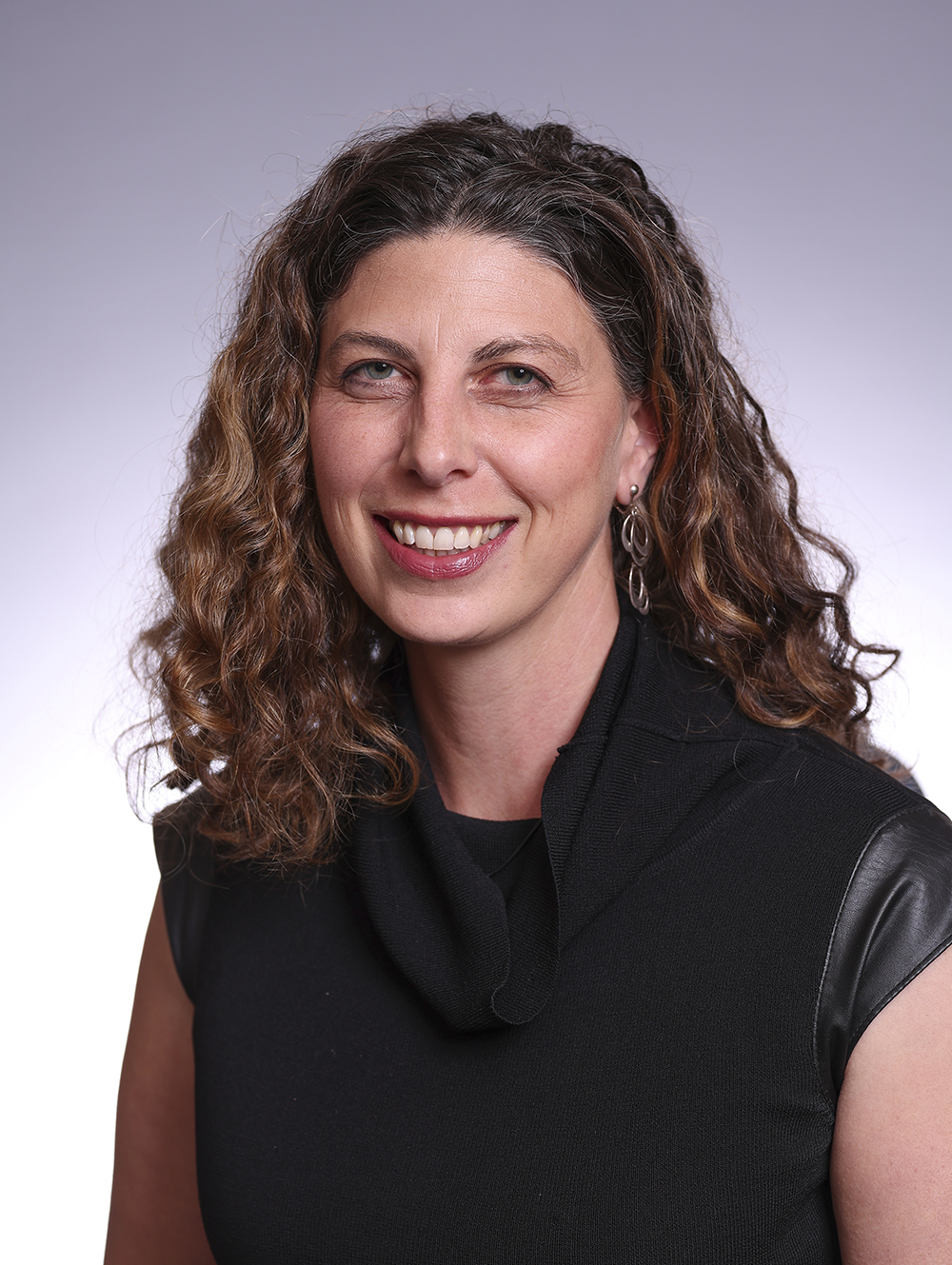
Senior Fellow, Democracy, Conflict, and Governance Program
Rachel Kleinfeld is a senior fellow in Carnegie’s Democracy, Conflict, and Governance Program, where she focuses on issues of rule of law, security, and governance in democracies experiencing polarization, violence, and other governance problems.
Michael Breen
Doug Wilson
Carnegie does not take institutional positions on public policy issues; the views represented herein are those of the author(s) and do not necessarily reflect the views of Carnegie, its staff, or its trustees.

Trump is distracted and Ukraine wants Europe to step up. The continent’s leaders must find their voice and assert it in talks with Russia.

Alissa de Carbonnel

Over the past ten years, NATO has held almost as many summits as it did during the entirety of the Cold War. Are they still useful, or is it time to stop holding annual meetings?

Rym Momtaz, ed.

As the EU confronts profound challenges, several leaders have called for fundamental reform to the union’s model—but only modest, superficial changes have resulted. What if Europe really could be reimagined from zero today: What should such a redesigned European order look like?

Richard Youngs, ed.
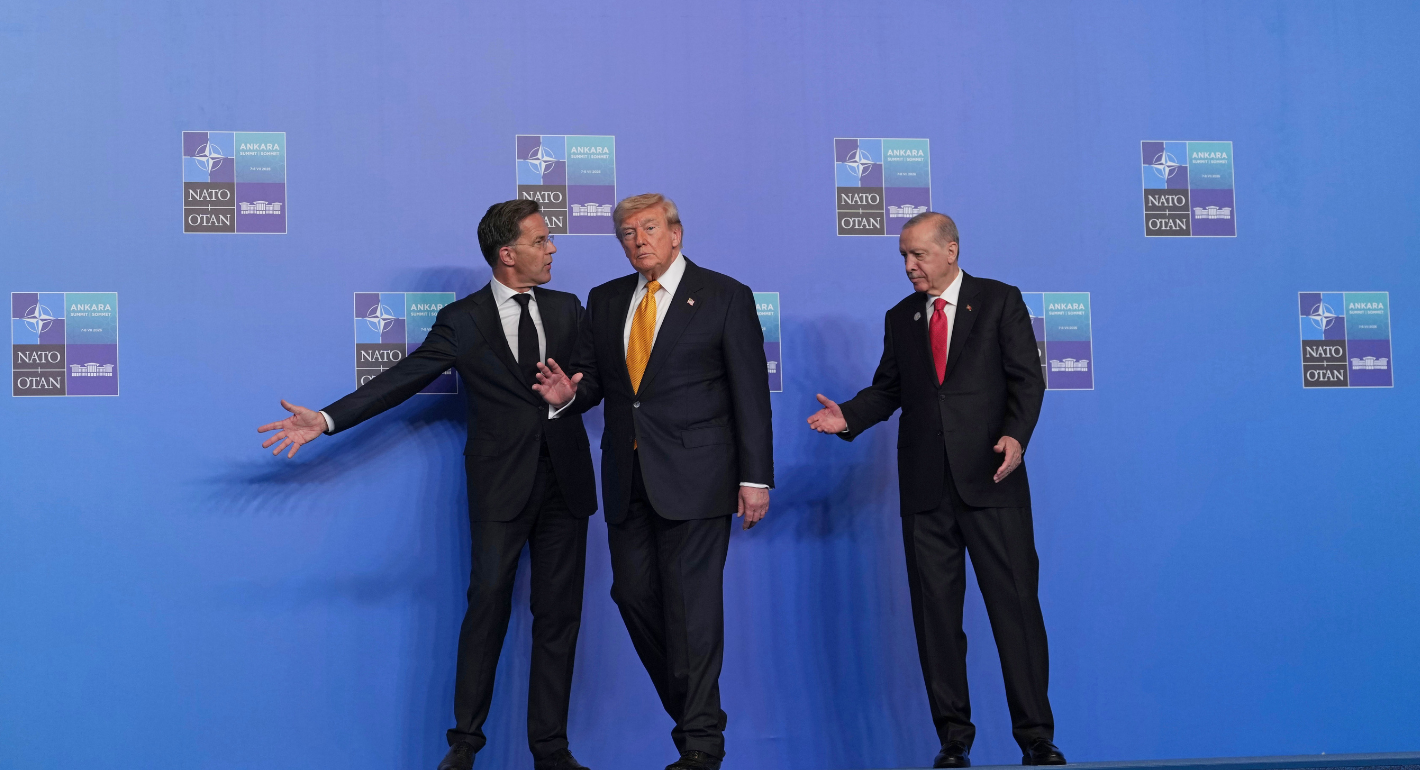
Nearly a year and a half after Europeans leaned into sucking up to Trump, the strategy has produced some benefits when it comes to Ukraine.
Rym Momtaz
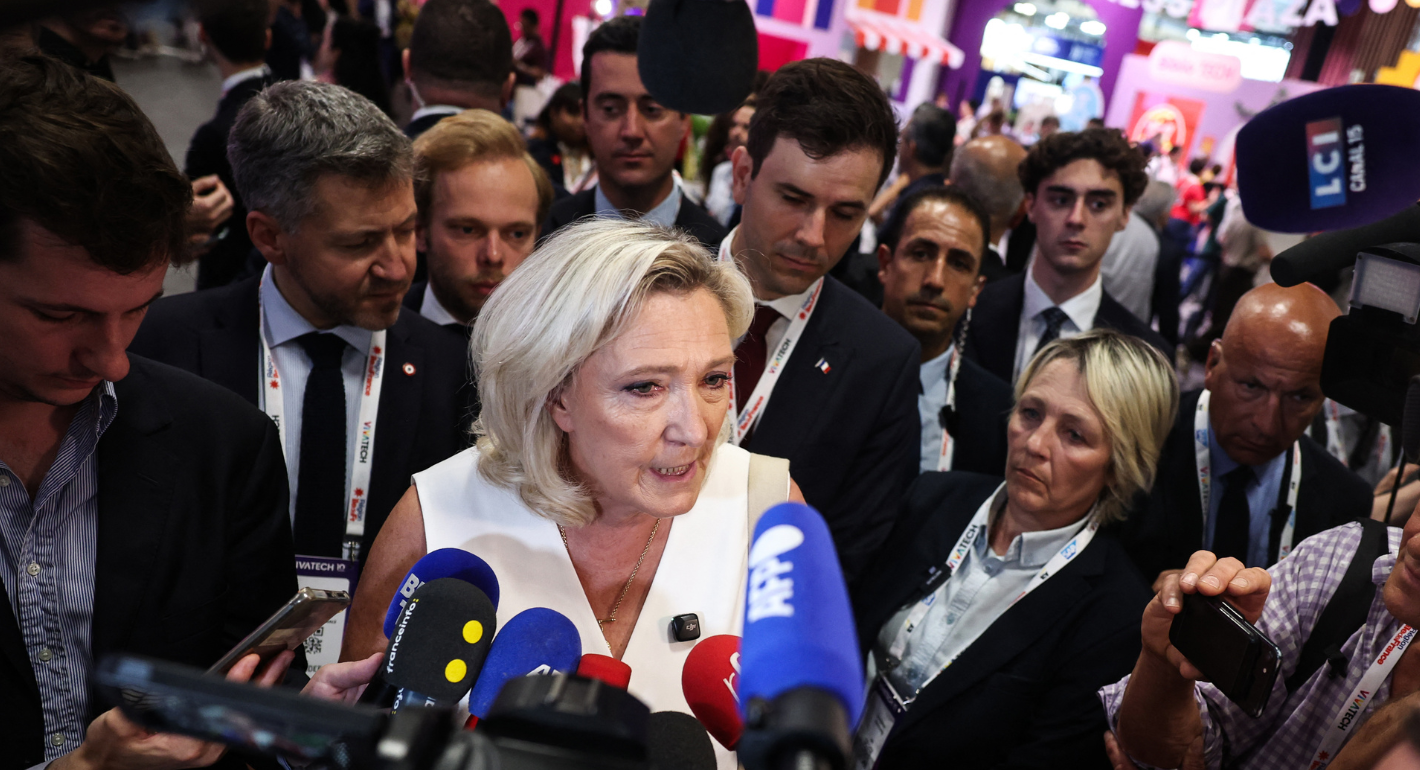
Far-right leader Marine Le Pen can—and will—run in France’s next presidential election. What does the outcome of her appeal against a 2025 embezzlement conviction mean for the country’s political future?
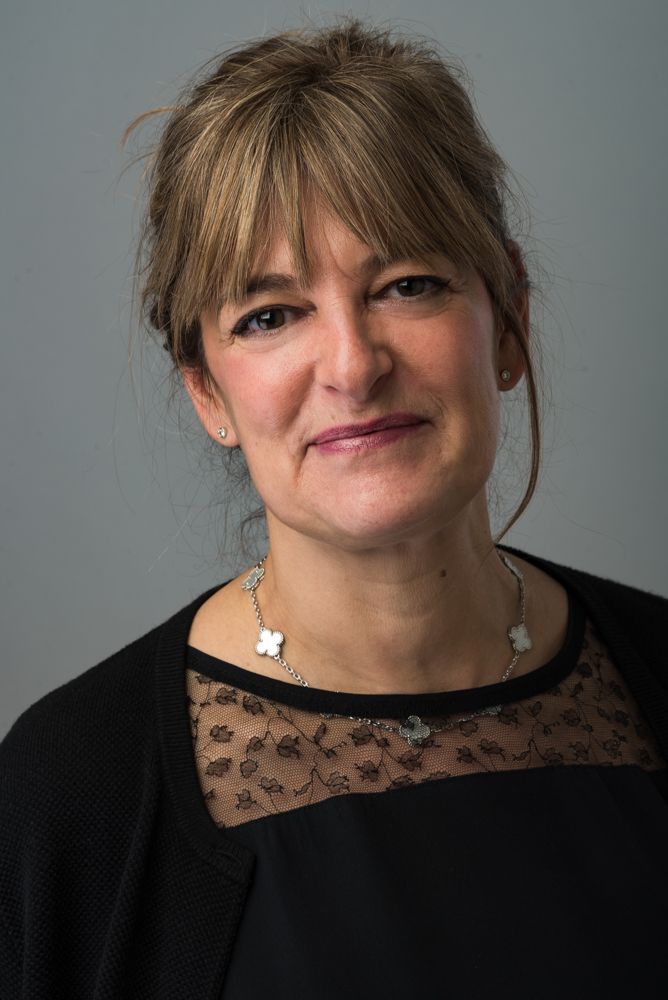
Catherine Fieschi