

Commentary
The EU can impose sanctions but struggles to enforce them without the United States. With Washington increasingly disinterested in backing European interests, the bloc must now fend for itself.
Nicu Popescu, Tiago Antunes
{
  "authors": [
    "Ivan Vejvoda"
  ],
  "type": "commentary",
  "blog": "Strategic Europe",
  "centerAffiliationAll": "",
  "centers": [
    "Carnegie Endowment for International Peace",
    "Carnegie Europe"
  ],
  "englishNewsletterAll": "",
  "nonEnglishNewsletterAll": "",
  "primaryCenter": "Carnegie Europe",
  "programAffiliation": "",
  "regions": [
    "Europe",
    "Western Balkans"
  ],
  "topics": [
    "EU",
    "Democracy",
    "EU Enlargement"
  ]
}
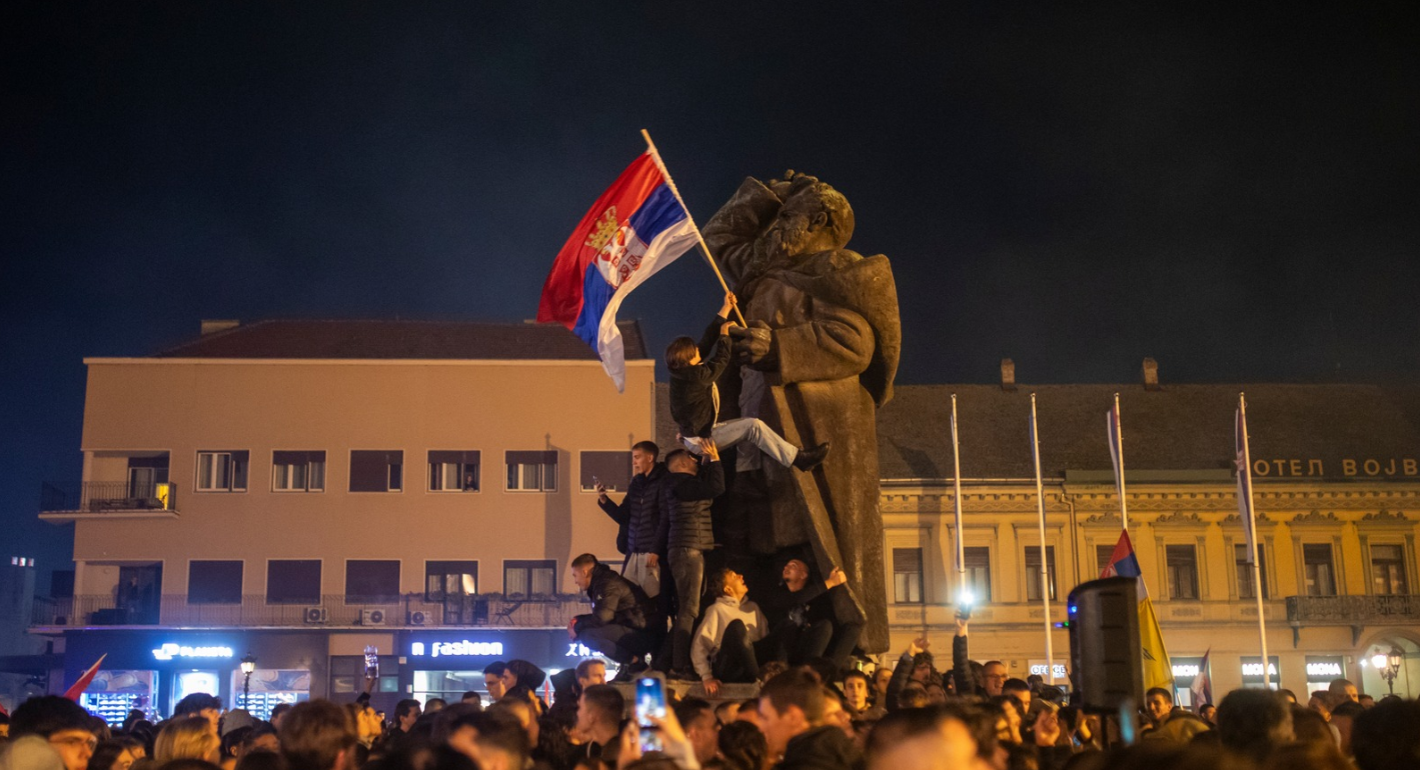
Source: Getty
Excitement is in the air following Aleksandar Vučić’s defeat in Serbia. To build a truly democratic state, the movement that unseated the former president must learn from the mistakes of the past.
Freedom, liberty, and relief were the most oft-spoken words as Serbians celebrated the landslide victory of the Student List over former president Aleksandar Vučić’s ruling coalition.
The sense of liberation was palpable following the snap election of October 25, 2026. Over the last fourteen years, the country’s constitution was usurped, the separation of powers was annulled, and checks and balances were destroyed. Power was concentrated in the hands of one person, the media was put to heel, and corruption flourished—the moment had come to say enough is enough.
The grassroots movement that defeated Vučić and his Serbian Progressive Party lasted for a full two years. It never relented, never lost momentum, and became more structured and organized as the months went by. It arose in response to the collapse of a canopy in a recently-renovated railway station in the city of Novi Sad on November 1, 2024, which killed sixteen people. Students rose to protest what they saw as the egregious unchecked corruption that culminated in the tragedy and to demand full accountability and responsibility. They organized rallies bringing together 200,000 people. It thus turned into a full-blown movement.
What outraged people immensely was that the key initial demand for transparency about the station renovation process was never met. Two years later, no one has been sentenced, despite a damning independent report alleging a chain of malpractice and corruption leading all the way up to the president’s office.
People lived for years in a captured state where they witnessed corruption, nepotism, and clientelism every day. At one extreme, parents could not enroll their child in a kindergarten because they were not members of the ruling party, while at the other, a construction mafia was laundering enormous amounts of money.
The student uprising liberated broader Serbian society of its fears to speak up. For the first time, the protest movement encompassed all of Serbia, marching throughout the country. Notably, students cycled to Strasbourg and ran a relay race to Brussels, clearly indicating where they saw the country’s current and future attachment.
So, why were there no European flags at the rallies? Very simply, protestors witnessed European leaders coming to Serbia to support the government, never publicly raising questions about the visible democratic backsliding. The decision was simple: We’ll put our house in order, we’ll bring back the rule of law and democracy, and we’ll eradicate corruption—we need no outside help. And they strictly kept to that decision. It was only in the spring of 2025 that a first public signal was sent by European Commissioner for Enlargement Marta Kos, namely that the EU shared the students’ demands.
Why was this peaceful overthrow possible? I would call it the Europe effect: People simply demand a level of decency and civility in their daily life. They are resilient and can live in an uncivil, corrupt, patronage-based society for a time. But then a limit is reached and something triggers an awakening, a demand for justice and freedom. In Serbia, the Novi Sad tragedy triggered a movement and firm belief that the regime could be defeated, even under unfree and unfair electoral conditions.
The student-civic movement emphatically insisted that elections were the sole path forward.
Very many foreign and domestic observers were skeptical about this experiment in direct deliberative democracy. Without leaders, the movement horizontally organized itself in often-lengthy plenary sessions. It was imaginative, innovative, and unique in its search for a future path out of autocracy. Respectful of differences in opinion, parliamentary in its deliberations, and thorough in its extensive vetting procedure, the movement presented a list of 250 candidates.
This was something unique. A bottom-up democratic experiment that has now produced a remarkable electoral result. It will be the object of extensive future studies.
The decisive defeat suffered by former Hungarian prime minister Viktor Orbán, a close ally of Vučić, was a key moment. Serbians witnessed that it was possible to bring down a strongman, spin doctor, and authoritarian leader. It encouraged them to keep going, giving them a clear example of the possibility of defeating an elected authoritarian regime. The peaceful and swift transition of power in Budapest was another encouraging signal. It meant that if their victory in Serbia was convincing enough, it could happen there as well. And it did: With a more than 10 percent difference in the vote tallies, Vučić conceded in the same way as his Hungarian ally.
It is thus my view that in this part of Europe, these types of regimes have an expiry date. Slobodan Milošević lasted twelve years in power after the fall of communism, Viktor Orbán lasted sixteen, and Aleksandar Vučić fourteen.
What was proven in Serbia is that bottom-up regime change is possible. Seeing the inevitability of a landslide victory for the Student List, the former president conceded defeat, something that many thought Vučić would—perhaps even violently—resist.
This generation of students was born when their parents electorally defeated Milošević and began the arduous path toward consolidated democracy. After initial moves in that direction, the Serbian Progressive Party came to power in 2012. In the years since, it reversed course and we were again in an autocratic captured state. This new generation is fully aware of the flaws and failures of that first attempt at democratic consolidation and is now ready for a new beginning: a democratic and European Serbia.
The country will need support and solidarity from the EU and key member states. As soon as a new government is in office and starts robustly reinstating the rule of law, human rights, true media freedoms, and fundamental values, European leaders should make good on their pledge of support and reengage Serbia in the enlargement process. The Student List has clearly outlined its priority: putting our house in democratic and constitutional order. Brussels would do well to continue the enlargement dynamic, because positive dynamics are contagious.
Subscribe to Strategic Europe, delivered every Tuesday and Thursday!
Ivan Vejvoda
Co-Founder, Europe’s Futures Initiative
Ivan Vajvoda is co-founder of the Europe’s Futures Initiative.
Carnegie does not take institutional positions on public policy issues; the views represented herein are those of the author(s) and do not necessarily reflect the views of Carnegie, its staff, or its trustees.
The EU can impose sanctions but struggles to enforce them without the United States. With Washington increasingly disinterested in backing European interests, the bloc must now fend for itself.
Nicu Popescu, Tiago Antunes
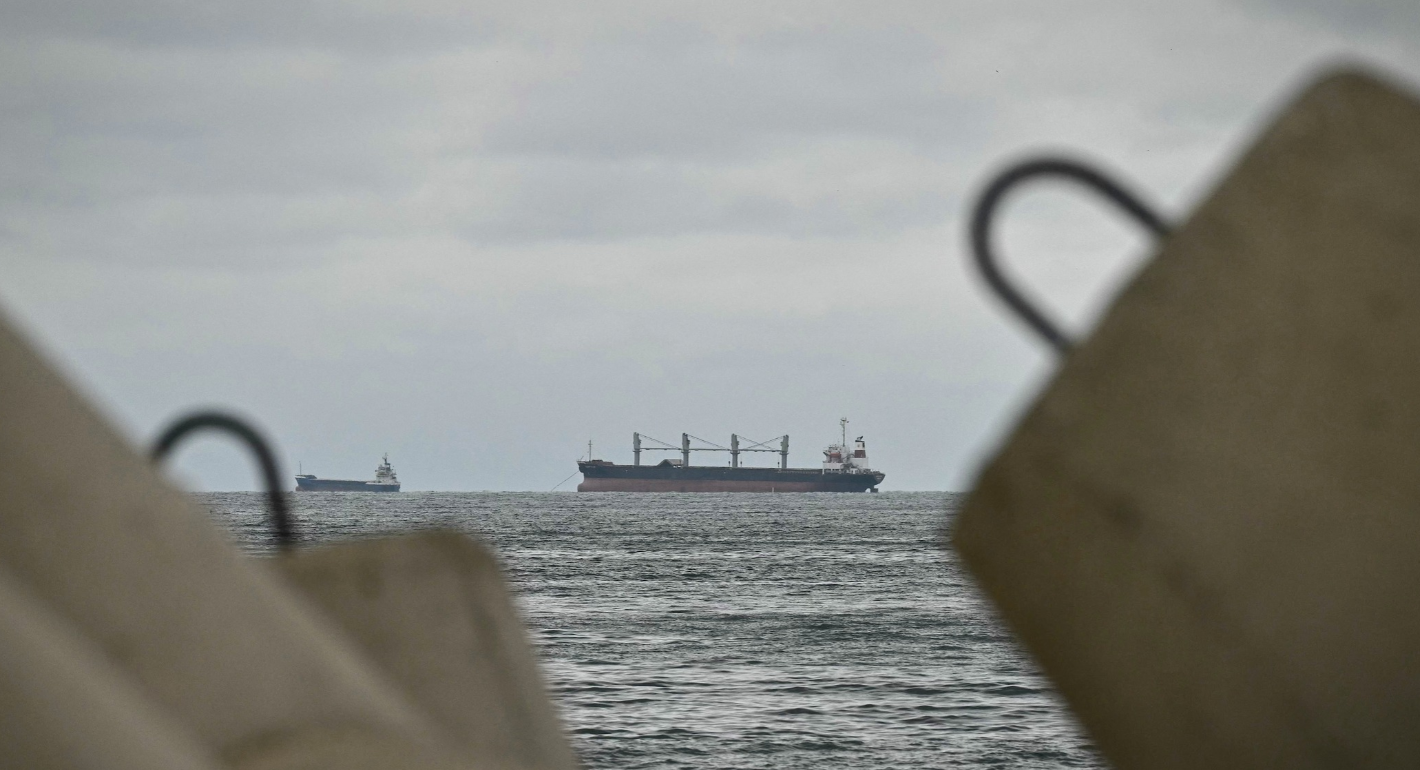
Russia is testing the waters of NATO’s mutual defense clause. What do strikes in Romanian territorial waters mean for the alliance’s posture toward Moscow?

Dimitar Bechev
With its public finances in shambles, the far right polling at 35 percent ahead of the 2027 presidential election, and a growing protest movement, is France’s crisis a threat to the EU’s geopolitical awakening?
Rym Momtaz, ed.
Ahead of a tough winter for Ukraine, Donald Trump’s swing back toward Russia bodes ill. But instead of panicking, Kyiv’s European allies are focusing on action.
Rym Momtaz
While the EU and European governments are embracing the much-lauded middle-power moment, this entails three difficult conundrums.
Richard Youngs