

Q&A
Stephen Tankel
{
  "authors": [
    "Stephen Tankel"
  ],
  "type": "other",
  "centerAffiliationAll": "dc",
  "centers": [
    "Carnegie Endowment for International Peace"
  ],
  "collections": [],
  "englishNewsletterAll": "ctw",
  "nonEnglishNewsletterAll": "",
  "primaryCenter": "Carnegie Endowment for International Peace",
  "programAffiliation": "SAP",
  "programs": [
    "South Asia"
  ],
  "projects": [],
  "regions": [
    "South Asia",
    "Pakistan"
  ],
  "topics": [
    "Security",
    "Military",
    "Foreign Policy"
  ]
}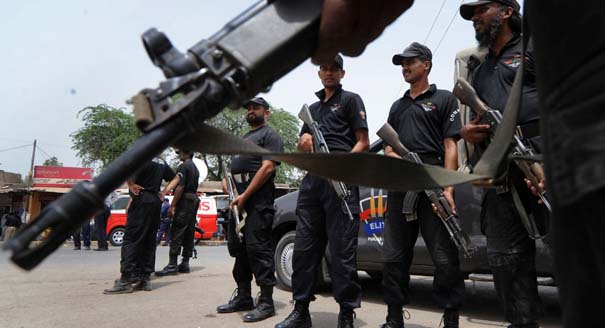
Source: Getty
Pakistan will continue to find it difficult to counter militancy more vigorously in its territory, and U.S. officials urging the country to make greater efforts should fully understand the obstacles.
Source: United States Institute of Peace
Pakistan will continue to find it difficult to counter militancy more vigorously in its territory, and U.S. officials urging the country to make greater efforts should fully understand the obstacles. One is the Pakistan security establishment’s penchant for supporting militant groups it believes might have strategic uses while ignoring those it believes have no strategic value. But there are other obstacles, including lack of funding, bureaucratic barriers, and public opinion.This report, sponsored by the U.S. Institute of Peace, examines several underexplored barriers to dismantling Pakistan’s miltant infrastructure as a way to inform the understandable, but thus far ineffectual, calls for the country to do more against militancy. It is based on interviews conducted in Pakistan and Washington, DC, as well as on primary and secondary source material collected via field and desk-based research.
The full text of this report is available at the United States Institute of Peace.
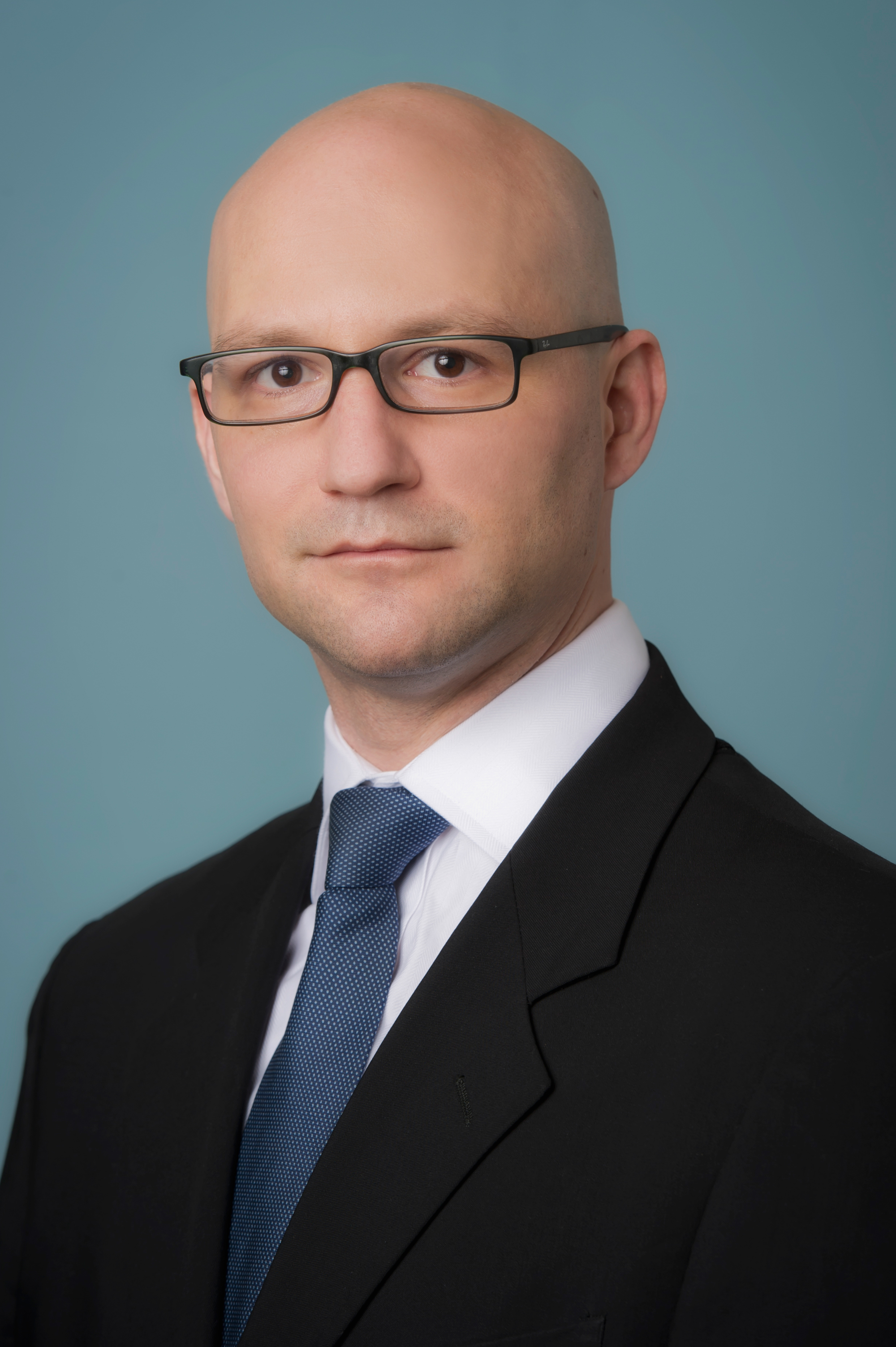
Former Nonresident Scholar, South Asia Program
Tankel was a nonresident scholar at the Carnegie Endowment, where his research focuses on insurgency, terrorism, and the evolution of nonstate armed groups.
Recent Work
Stephen Tankel
Stephen Tankel
Carnegie does not take institutional positions on public policy issues; the views represented herein are those of the author(s) and do not necessarily reflect the views of Carnegie, its staff, or its trustees.

As we close out another season of Strategic Europe, it is worth taking stock of the deep shifts underway.

Rym Momtaz
The EU had to compromise to adopt a twenty-first sanctions package against Russia, exposing growing cracks in the union’s resolve. Is this latest, weaker round worth it to keep pressure on Moscow?
Rym Momtaz, ed.

Trump is distracted and Ukraine wants Europe to step up. The continent’s leaders must find their voice and assert it in talks with Russia.

Alissa de Carbonnel

Mounting economic strain and battlefield losses will not necessarily make the Kremlin less dangerous. They could instead push Moscow toward a more aggressive hybrid campaign designed to test NATO’s Eastern flank, exploit allied hesitation, and fracture European resolve.

Maksym Beznosiuk

Over the past ten years, NATO has held almost as many summits as it did during the entirety of the Cold War. Are they still useful, or is it time to stop holding annual meetings?
Rym Momtaz, ed.