

Article
Thomas de Waal
{
  "authors": [
    "Thomas de Waal"
  ],
  "type": "commentary",
  "centerAffiliationAll": "",
  "centers": [
    "Carnegie Endowment for International Peace",
    "Carnegie Europe",
    "Carnegie Russia Eurasia Center"
  ],
  "collections": [],
  "englishNewsletterAll": "",
  "nonEnglishNewsletterAll": "",
  "primaryCenter": "Carnegie Europe",
  "programAffiliation": "",
  "programs": [],
  "projects": [],
  "regions": [
    "Caucasus",
    "Azerbaijan"
  ],
  "topics": [
    "Political Reform"
  ]
}
Source: Getty
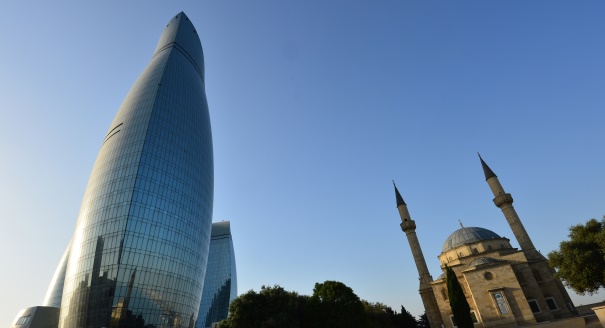
Everyone actually knows the result of Azerbaijan’s presidential election—that President Ilham Aliyev will be elected for a third term. But today’s vote is most important as a test on the state of the country’s opposition.
Azerbaijan votes today in a curious election.
It is one of those post-Soviet elections where, despite a lot of polling-day fury and a multiplicity of candidates, everyone actually knows the result in advance—that President Ilham Aliyev will be elected for a third term.
So the day after will be more important. In a sense today’s vote is most important as a test on the state of the country’s opposition.
Azerbaijan’s opposition has been pretty hopeless for two decades. Its two main parties, the Popular Front of Azerbaijan and Musavat, shared power and governed the country briefly before President Abulfaz Elchibey’s rule collapsed in 1993. Since then, they have lived off nostalgia for this glorious moment in their past, squabbled amongst themselves, and for the most part failed to adapt to Azerbaijan’s dramatic rise as an oil and gas power. As a rule, their positions on the Karabakh conflict with Armenia have been even more hardline than those of the government.
This time for once the opposition in the shape of the newly-formed National Council of Democratic Forces has a single unified candidate, the historian Jamil Hasanli. By all reports, Hasanli has been quite effective, using whatever chances he can to ram home a message about government corruption.
Those chances are still limited. The opposition has been excluded from holding public meetings in central Baku for many years. The media is heavily weighted toward the government and independent outlets such as Radio Liberty’s Azerbaijani Service come under pressure. Many leading opposition figures have been put in jail this year, including Ilgar Mammadov, a presidential candidate.
You could say that the election has come a year or so too early for the opposition. There is certainly discontent in Azerbaijani society, chiefly over corruption and the massive inequalities of wealth in society. But it is not strongly focused and President Ilham Aliyev appears to have retained his popularity with much of the public.
In that sense, the Azerbaijani opposition’s aim is not to win the poll but to put on a show of strength. Although it cannot win the vote, it will hope to stage enough of a protest afterwards to make a noise.
Which leads to another question for the day after: will that noise be heard? Or to put it another way, can President Aliyev learn to live with an opposition?

Senior Fellow, Carnegie Europe
Thomas de Waal is a senior fellow at Carnegie Europe, specializing in Eastern Europe and the Caucasus.
Recent Work
Thomas de Waal
Thomas de Waal
Carnegie does not take institutional positions on public policy issues; the views represented herein are those of the author(s) and do not necessarily reflect the views of Carnegie, its staff, or its trustees.

As the EU confronts profound challenges, several leaders have called for fundamental reform to the union’s model—but only modest, superficial changes have resulted. What if Europe really could be reimagined from zero today: What should such a redesigned European order look like?

Richard Youngs, ed.
Preparing candidate countries for EU membership is no longer enough. As the enlargement process becomes a reality, the union must also prepare its own societies.

Iliriana Gjoni
Countries face several hurdles in joining the EU, including the final stage of ratifying their accession treaties. Procedural reforms and substantive adjustments could help move the process forward.

Stefan Lehne
Europe has an interest in supporting Armenian leader Nikol Pashinyan as he tries to make peace with neighbors and loosen ties with Russia. But it is depersonalized support in the long term, not quickfire flash, that will win the day.
Thomas de Waal
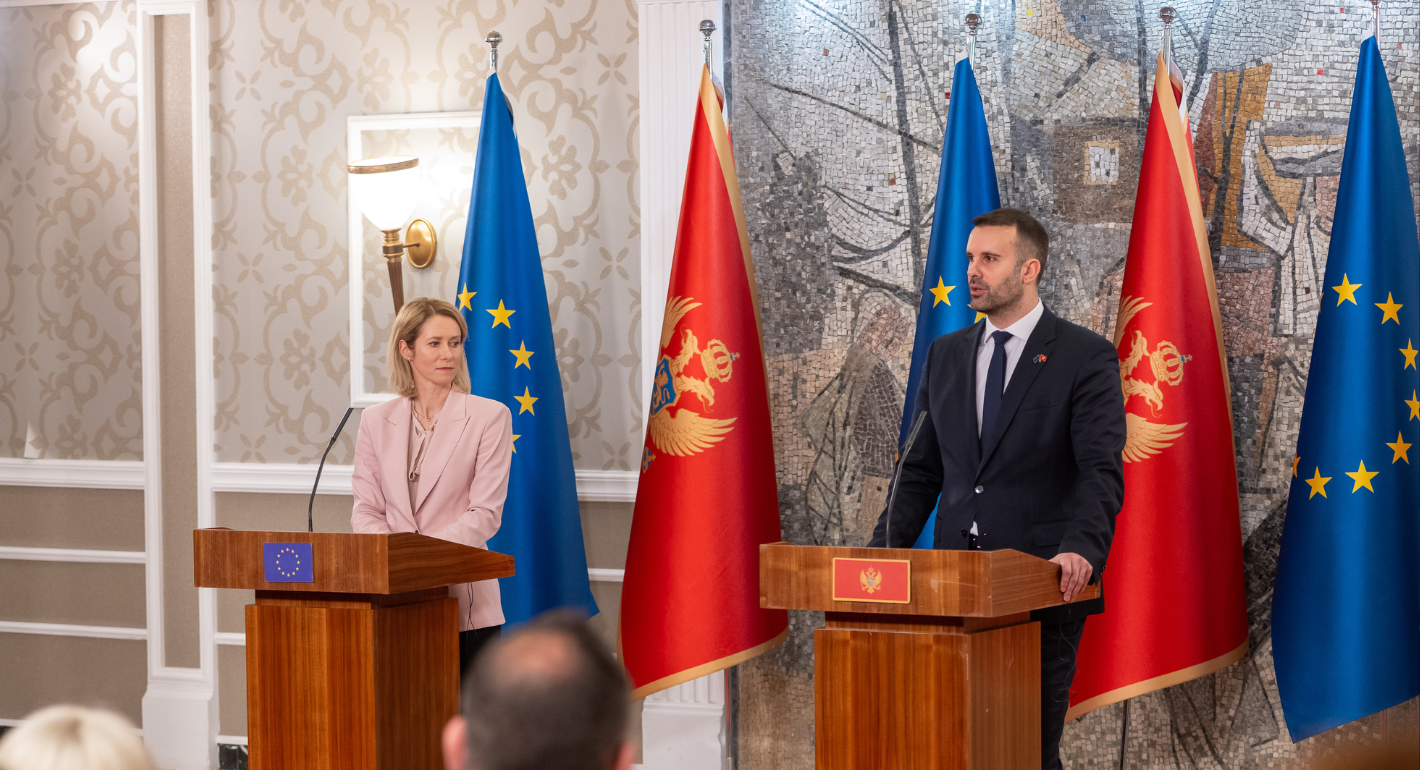
Montenegro and Albania are frontrunners for EU enlargement in the Western Balkans, but they can’t just sit back and wait. To meet their 2030 accession ambitions, they must make a strong positive case.

Dimitar Bechev, Iliriana Gjoni