

Commentary
Closer EU-UK ties could help address urgent European concerns. But is the EU ready for rapprochement with the United Kingdom?
Rym Momtaz, ed.
{
  "authors": [],
  "type": "other",
  "centerAffiliationAll": "dc",
  "centers": [
    "Carnegie Endowment for International Peace",
    "Malcolm H. Kerr Carnegie Middle East Center"
  ],
  "collections": [
    "Arab Awakening"
  ],
  "englishNewsletterAll": "menaTransitions",
  "nonEnglishNewsletterAll": "",
  "primaryCenter": "Carnegie Endowment for International Peace",
  "programAffiliation": "MEP",
  "programs": [
    "Middle East"
  ],
  "projects": [],
  "regions": [
    "Middle East",
    "Bahrain",
    "Saudi Arabia",
    "Gulf"
  ],
  "topics": [
    "Political Reform",
    "Democracy",
    "Foreign Policy"
  ]
}
Source: Getty
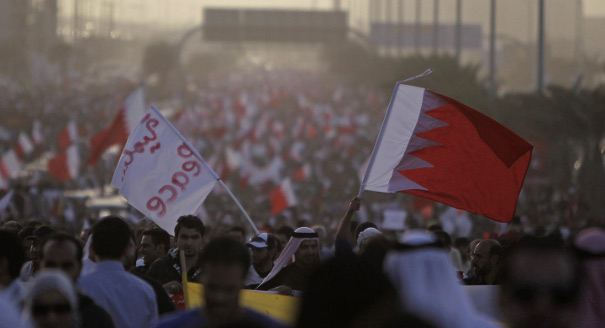
Reform and stability can co-exist, and the United States must demonstrate the leadership needed to realize that model in the Gulf and help end the political crisis and the violence that afflict Bahrain.
Dear President Obama,
We are writing to encourage you to discuss the crisis in Bahrain with your counterparts in Saudi Arabia during your upcoming visit to the Kingdom. Saudi Arabia has significant influence in Bahrain through its strong political, economic, and social ties with the Bahrainis. Real and lasting stability in Bahrain can only be achieved through genuine reform, and we call on you to urge the Saudi leadership to play a more constructive role in this regard.
As Deputy Secretary of State William Burns recently noted, when the United States and the Gulf “work in concert, we can help shape outcomes that not only advance reform, but also advance stability.” You have a key opportunity to achieve this goal in Bahrain.
As the situation in Bahrain continues to deteriorate, addressing this issue must be an urgent priority. The State Department recently assessed the Bahraini government’s progress in implementing the recommendations of the 2011 Bahrain Independent Commission of Inquiry (BICI), and found that only five of its 26 recommendations were fully implemented. The assessment also recognized the Government’s failure to investigate claims of torture and cases that resulted in death, to ensure that individuals are no longer charged or detained for exercising their right to free speech, or to foster an environment that promotes dialogue.
Efforts last year to negotiate a political solution collapsed after the process failed to deliver any real progress, key opposition figures were arrested, and human rights violations continued. As you said in 2011, “The only way forward is for the government and opposition to engage in a dialogue, and you can’t have a real dialogue when parts of the peaceful opposition are in jail. The government must create the conditions for dialogue, and the opposition must participate to forge a just future for all Bahrainis.” That was true then, and remains true today.
The Crown Prince and opposition political societies in Bahrain have recently announced the launch of a new phase in negotiations aimed at revitalizing a process to find a political solution to the country’s crisis. The people of Bahrain have made it clear that their legitimate, democratic demands for reform will not go away, and must be addressed with solutions. As two of Bahrain’s most influential allies, the United States and Saudi Arabia possess a special obligation to pursue stability in the country by promoting reform that meets these demands. The Bahraini ruling family would be greatly affected by hearing from the King and other Saudi royals that compromise, not repression, is the only path to stability.
We urge you to discuss Bahrain during your upcoming visit to Saudi Arabia, and seek to enlist the Saudis in an approach that can end the political crisis and the violence that afflict Bahrain. Reform and stability can co-exist, and the United States must demonstrate the leadership needed to realize that model in the Gulf.
Sincerely,
Christophe Deloire
Reporters Without Borders
Stephen McInerney
Project on Middle East Democracy
Elliott Abrams
Council on Foreign Relations
Michele Dunne
Carnegie Endowment for International Peace
Michael Rubin
American Enterprise Institute
Husain Abdulla
Americans for Democracy and Human Rights in Bahrain
Matthew Duss
Center for American Progress
Stephen Grand
The Brookings Institution
Emile Nakhleh
University of New Mexico
Brian Dooley
Human Rights First
Shawna Bader-Blau
Solidarity Center
Jennifer L. Windsor
Georgetown University
Frederic Wehrey
Carnegie Endowment for International Peace
Toby C. Jones
Rutgers University
Cathy Feingold
AFL-CIO
James T. Kolbe
German Marshall Fund
Donna McKay
Physicians for Human Rights
Anne Marlowe
Hudson Institute
Robert Naiman
Just Foreign Policy
David Andrew
Weinberg Foundation for Defense of Democracies
Sarah Chayes
Carnegie Endowment for International Peace
Jon Rainwater
Peace Action West
Larry Diamond
Stanford University
Joshua Muravchik
Johns Hopkins University
Christopher J. Griffin
Foreign Policy Initiative
Lisa Schirch
Alliance for Peacebuilding
Charles Dunne
Freedom House
*This letter reflects the views of the individual signatories; institutional affiliations are listed for the purpose of identification only.
Carnegie does not take institutional positions on public policy issues; the views represented herein are those of the author(s) and do not necessarily reflect the views of Carnegie, its staff, or its trustees.
Closer EU-UK ties could help address urgent European concerns. But is the EU ready for rapprochement with the United Kingdom?

Rym Momtaz, ed.
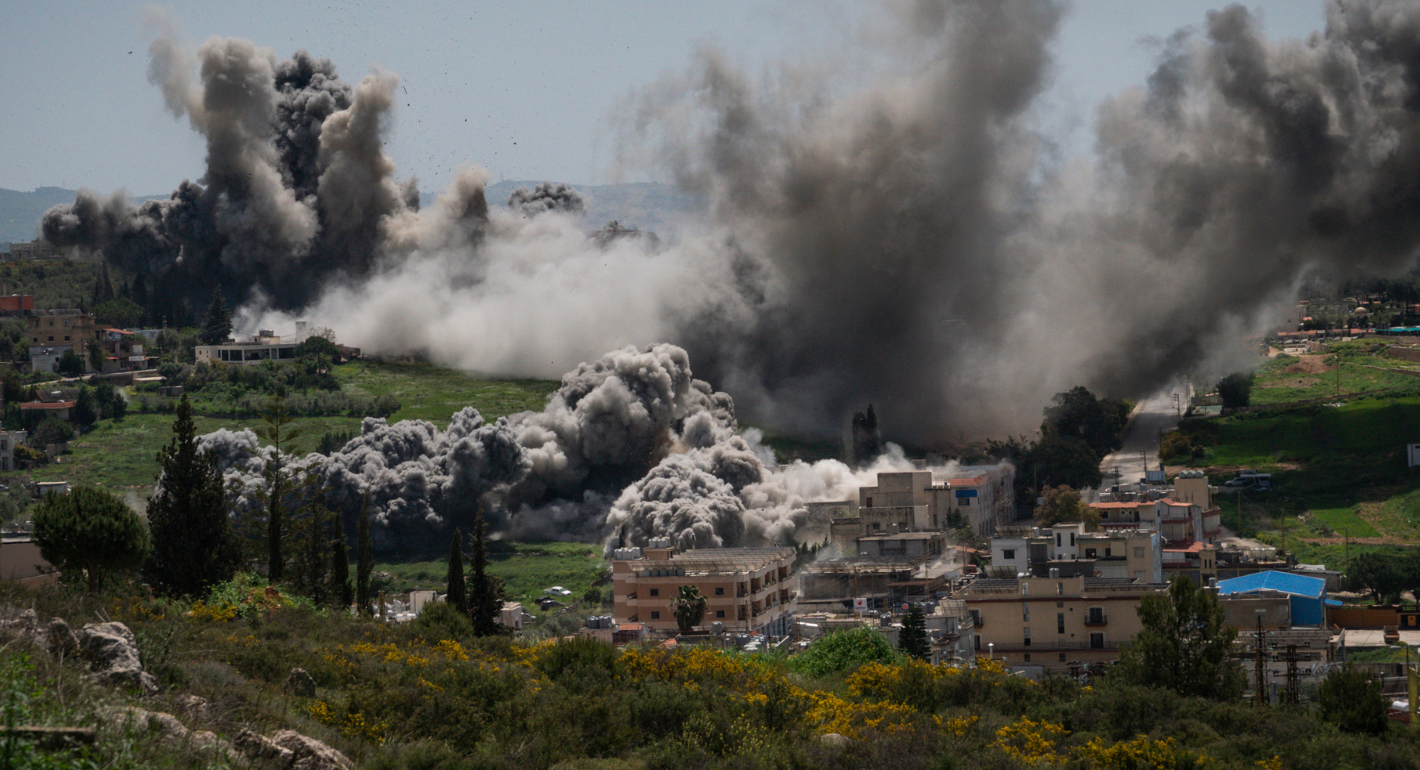
Europe has been standing by while its Southern neighborhood is being redrawn by force. To establish a path to peace between Israel and Lebanon, it’s time for Europeans to get involved with hard power.
Rym Momtaz
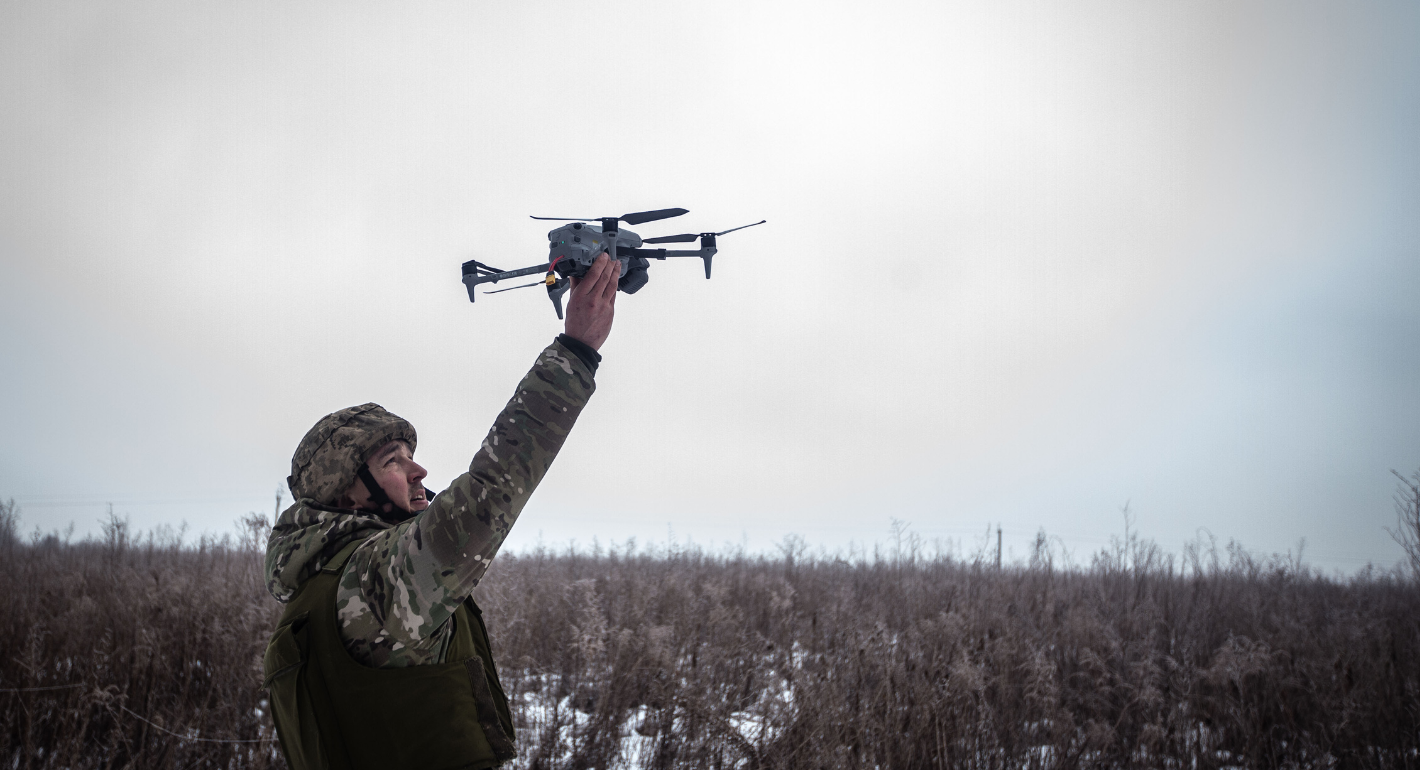
In Ukraine, Gaza, and Iran, AI warfare has come to dominate, with barely any oversight or accountability. Europe must lead the charge on the responsible use of new military technologies.

Raluca Csernatoni

Montenegro and Albania are frontrunners for EU enlargement in the Western Balkans, but they can’t just sit back and wait. To meet their 2030 accession ambitions, they must make a strong positive case.


Dimitar Bechev, Iliriana Gjoni
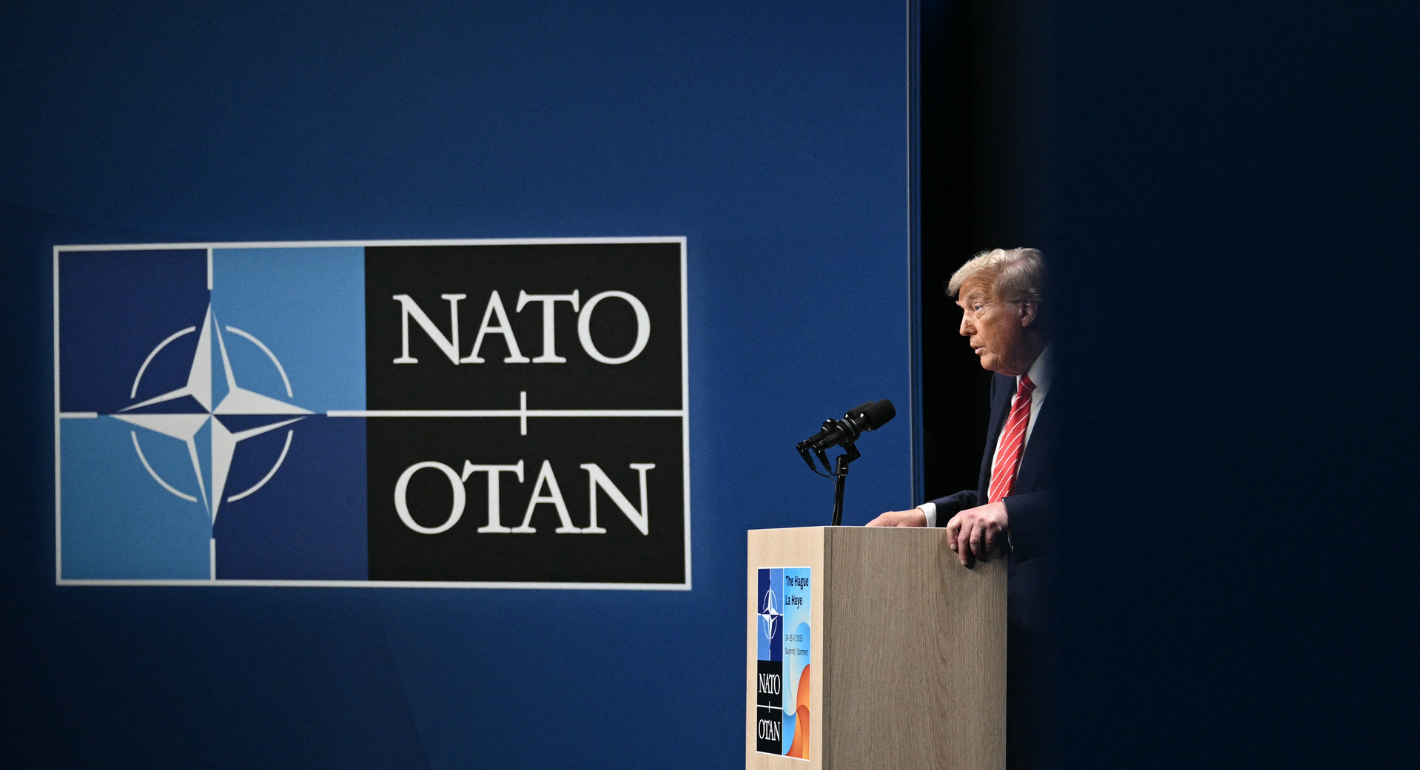
Donald Trump has repeatedly bashed NATO and European allies, threatening to annex Canada and Greenland and deploring their lack of enthusiasm for his war of choice in Iran. Is this latest round of abuse the final straw?
Rym Momtaz, ed.