

Other
- +18
James M. Acton, Saskia Brechenmacher, Cecily Brewer, …
{
  "authors": [
    "Eugene Rumer"
  ],
  "type": "legacyinthemedia",
  "centerAffiliationAll": "dc",
  "centers": [
    "Carnegie Endowment for International Peace"
  ],
  "collections": [],
  "englishNewsletterAll": "",
  "nonEnglishNewsletterAll": "",
  "primaryCenter": "Carnegie Endowment for International Peace",
  "programAffiliation": "russia",
  "programs": [
    "Russia and Eurasia"
  ],
  "projects": [],
  "regions": [
    "Russia",
    "Eastern Europe",
    "Ukraine"
  ],
  "topics": [
    "Security",
    "Foreign Policy"
  ]
}
Source: Getty
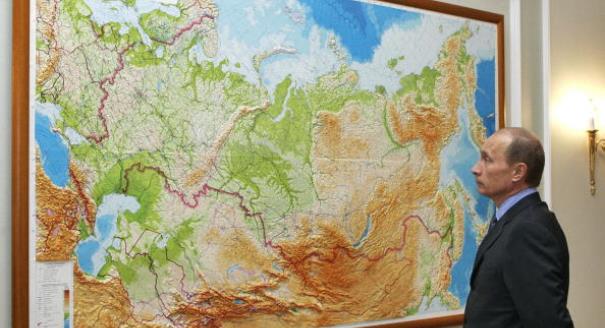
The Ukraine crisis has reached a new phase that could lead to outright conflict between Ukraine and Russia. However, it is not clear what Russia’s strategy is in Ukraine and what it hopes to achieve.
Source: Bloomberg TV
Speaking on Bloomberg TV, Carnegie’s Eugene Rumer said that the Ukraine crisis has entered a new phase that could potentially lead to outright military conflict between Ukraine and Russia. However, he added, it is unclear what Russia’s political strategy is and what it hopes to achieve by destabilizing the new government in Kiev. Rumer stated that, regardless of Vladimir Putin’s goal, its actions against Ukraine will be detrimental to Russia in the longer term, as Moscow will eventually have to deal with Kiev in some form or another. In the near future, the United States will probably impose more economic sanctions on Russia, and this could do significant damage to the Russian economy. But sanctions are unlikely to dractically alter Russia’s actions, as the Russian leadership now sees the Ukraine crisis as an existential issue, Rumer concluded.
Director and Senior Fellow, Russia and Eurasia Program
Rumer, a former national intelligence officer for Russia and Eurasia at the U.S. National Intelligence Council, is a senior fellow and the director of Carnegie’s Russia and Eurasia Program.
Recent Work



James M. Acton, Saskia Brechenmacher, Cecily Brewer, …

Nate Reynolds, Eugene Rumer
Carnegie does not take institutional positions on public policy issues; the views represented herein are those of the author(s) and do not necessarily reflect the views of Carnegie, its staff, or its trustees.

Europe’s reaction to the war in Iran has been disunited and meek, a far cry from its previously leading role in diplomacy with Tehran. To avoid being condemned to the sidelines while escalation continues, Brussels needs to stand up for international law.

Pierre Vimont
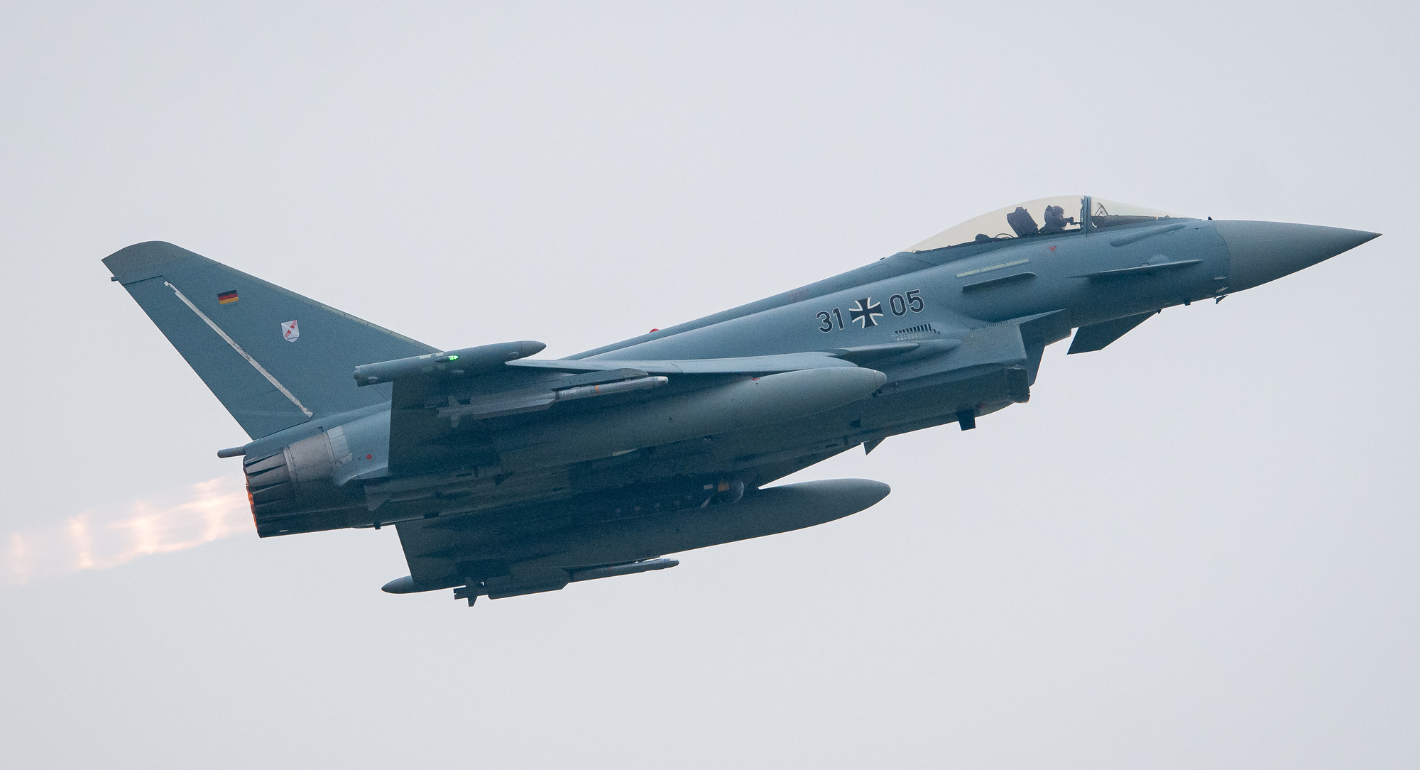
France and Germany’s failure to agree on the Future Combat Air System (FCAS) raises questions about European defense. Amid industrial rivalries and competing strategic cultures, what does the future of European military industrial projects look like?

Rym Momtaz, ed.
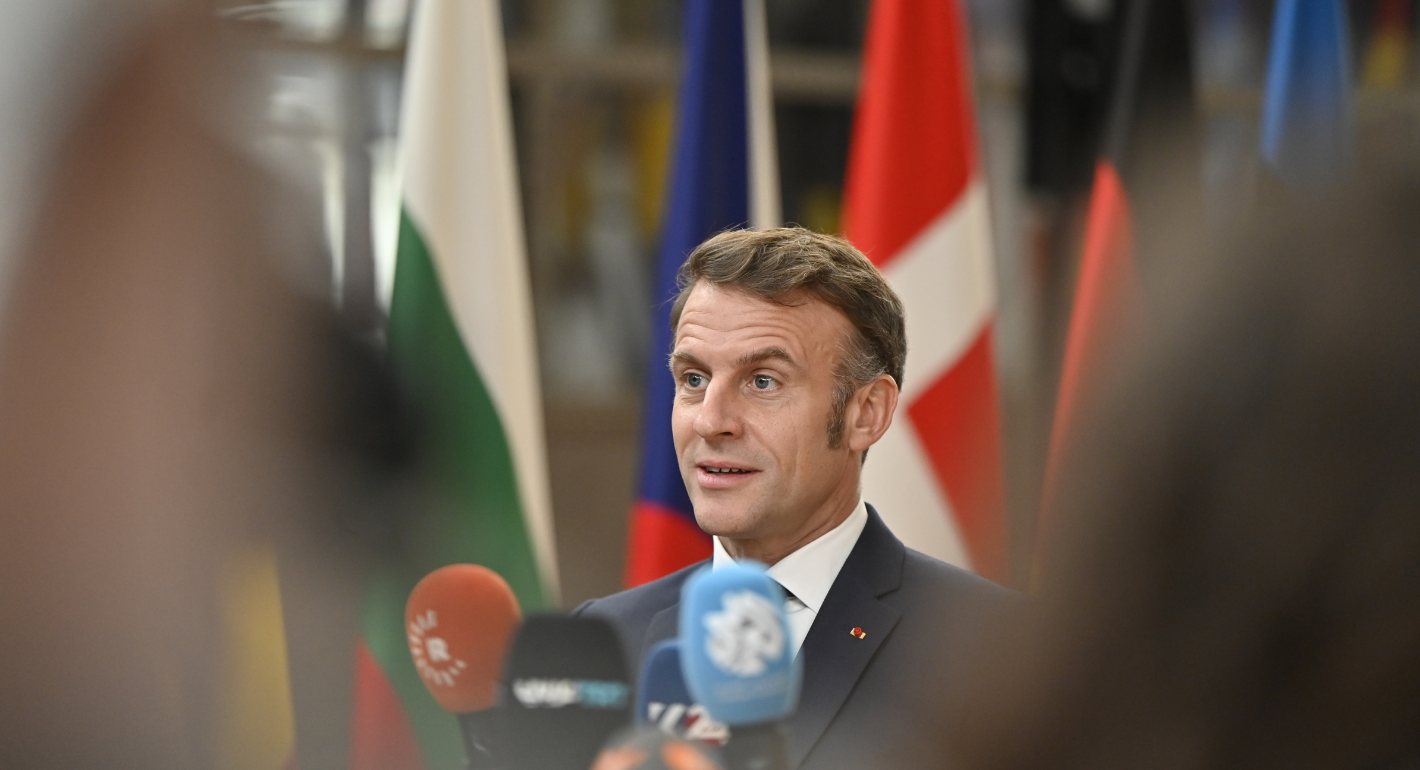
France has stopped clinging to notions of being a great power and is embracing the middle power moment. But Emmanuel Macron has his work cut out if he is to secure his country’s global standing before his term in office ends.
Rym Momtaz

Despite offering security benefits to candidates and the EU alike, the enlargement agenda appears stalled. Why is progress not being made, and is it time for Europe to rethink its approach?
Sylvie Goulard, Gerald Knaus
Over the past two decades, regional collaboration in the South Caucasus has intensified. Turkey and the EU should establish a cooperation framework to accelerate economic development and diversification.



Feride İnan, Güven Sak, Berat Yücel