

Commentary
European reactions to the war in Iran have lost sight of wider political dynamics. The EU must position itself for the next phase of the crisis without giving up on its principles.
Richard Youngs
{
  "authors": [
    "Alexey Arbatov"
  ],
  "type": "commentary",
  "centerAffiliationAll": "",
  "centers": [
    "Carnegie Endowment for International Peace",
    "Carnegie Russia Eurasia Center"
  ],
  "collections": [],
  "englishNewsletterAll": "",
  "nonEnglishNewsletterAll": "",
  "primaryCenter": "Carnegie Russia Eurasia Center",
  "programAffiliation": "",
  "programs": [],
  "projects": [],
  "regions": [
    "North America",
    "United States",
    "Russia"
  ],
  "topics": [
    "Security",
    "Military",
    "Nuclear Policy",
    "Arms Control",
    "Economy"
  ]
}
Source: Getty
Those fearing a repeat of the Cold War should understand that the current situation may be worse than the Cold War in some respects.
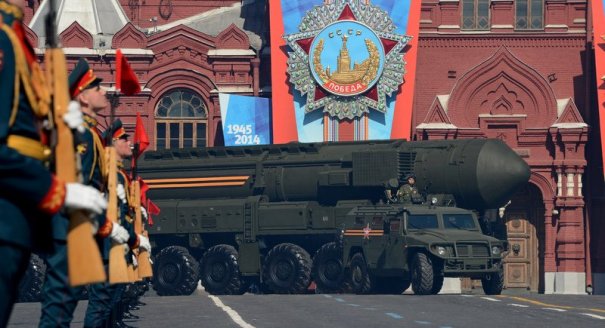
The Ukrainian drama has elevated tensions to levels that seemed unfathomable just a short while ago. For the first time since the early 1980s, scenarios involving an armed conflict between Russia and NATO have again become political reality. We have witnessed a new military build-up along Russia-NATO borders and regular shows of force, including through flights of strategic bombers and rocket launches. Allusions to the use of nuclear weapons have even been heard in some government leaders’ public pronouncements. In August 2014, at the height of the Ukraine crisis, the Russian president said in an interview, “Our partners, regardless of the situations in their countries, should always keep in mind that Russia is not to be messed with. I want to remind you that Russia is one of the largest nuclear powers. This is a reality, not just words; moreover, we are strengthening our nuclear deterrence forces.”
Starting in the summer of 2013 and ultimately with the onset of the Ukraine crisis, the U.S. president discarded the idea of nuclear disarmament and took the issue of the next START treaty off the table. High-ranking U.S. administration officials started talking of the need to prepare for an armed conflict with the modernized Russian Army.
In this context, we should remember the extreme caution exercised by the Soviet and American leaders after the 1962 Cuban crisis with respect to any words—let alone actions—pertaining to nuclear weapons. In global politics, particularly when it comes to nuclear issues, words are deeds. The current generation of leaders does not have the benefit of decades of Cold-War “corporate experience” dealing with dangerous crises exacerbated by the threat of a nuclear war. As for today’s novice strategists and theorists, they go on inventing “original” ideas, not even realizing that these ideas have in fact been discussed for decades and rejected for their foolishness and dangerousness.
It is, therefore, encouraging that the new version of the Military Doctrine of the Russian Federation has preserved the old, quite restrained wording on hypothetical circumstances for the use of nuclear weapons. “The Russian Federation reserves the right to use nuclear weapons in response to the use of nuclear and other types of weapons of mass destruction against it and (or) its allies, and also in the event of aggression against the Russian Federation involving the use of conventional weapons when the very existence of the state is under threat.” It comes as no surprise that this concept generated sharp criticism on the part of the radical advocates of nuclear weapons’ use, who even called the new doctrine “slopwork.”
Among the important new additions to the doctrine is the mention of “strategic … non-nuclear deterrence, including the prevention of military conflicts,” which can also be found in the U.S. military doctrine but makes its first appearance on a list of peacetime objectives of the Russian Armed Forces. However, the doctrine does not clearly describe the ways and means of this deterrence.
On the whole, we may conclude that there have been no changes to nuclear weapons’ role in Russia’s officially declared military policy that it addresses to adversaries, allies and the military establishment. Just like in other countries, Russia’s practical operational planning is classified, but numerous official statements, as well as a massive modernization to its nuclear forces—even against the backdrop of economic crisis and a sequestered budget—suggest an apparent increase in the significance of this type of weapon for the country’s defense.
In this light, those fearing a repeat of the Cold War should understand that the current situation may be worse than the Cold War in some respects. First, since the politicians of that time acquired their experience in the course of dangerous crises, this experience eventually allowed them to avert nuclear catastrophe. Current leaders, on the other hand, will have to gain this experience from scratch. Time will tell how successful they will be at avoiding catastrophe.
Furthermore, the new round of international tensions has revived the likelihood of an armed conflict (as well as of nuclear escalation) between Russia and NATO, but the issue of nuclear arms reduction as a way to prevent the threat has failed to gain much traction with the leading global powers, in sharp contrast to the second phase of the Cold War in the 1970s and 1980s.
The peaceful resolution of the Ukraine crisis could potentially create a more favorable political climate for nuclear arms control. However, a favorable climate alone will not solve other intrinsic and long-term problems of strategic and technological change in this field. These problems will require specific solutions based on a new understanding of strategic stability and of the role, problems, methods, and priorities of nuclear arms reduction and non-proliferation. The world expert community should get a head start working on these issues and hope for good will on the part of politicians.
Alexey Arbatov
Alexey Arbatov is the head of the Center for International Security at the Primakov National Research Institute of World Economy and International Relations.
Carnegie does not take institutional positions on public policy issues; the views represented herein are those of the author(s) and do not necessarily reflect the views of Carnegie, its staff, or its trustees.
European reactions to the war in Iran have lost sight of wider political dynamics. The EU must position itself for the next phase of the crisis without giving up on its principles.

Richard Youngs
For years, the United States anchored global cyber diplomacy. As Washington rethinks its leadership role, the launch of the UN’s Cyber Global Mechanism may test how allies adjust their engagement.

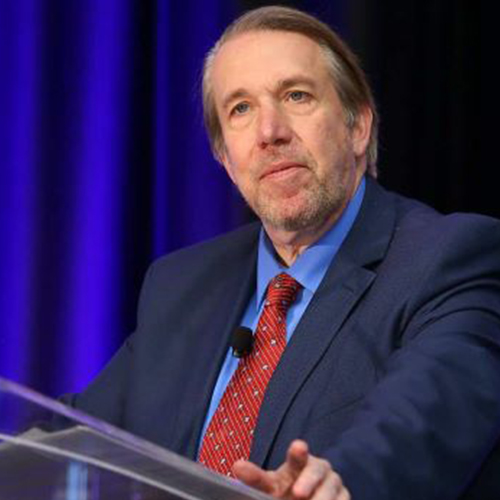
Patryk Pawlak, Chris Painter
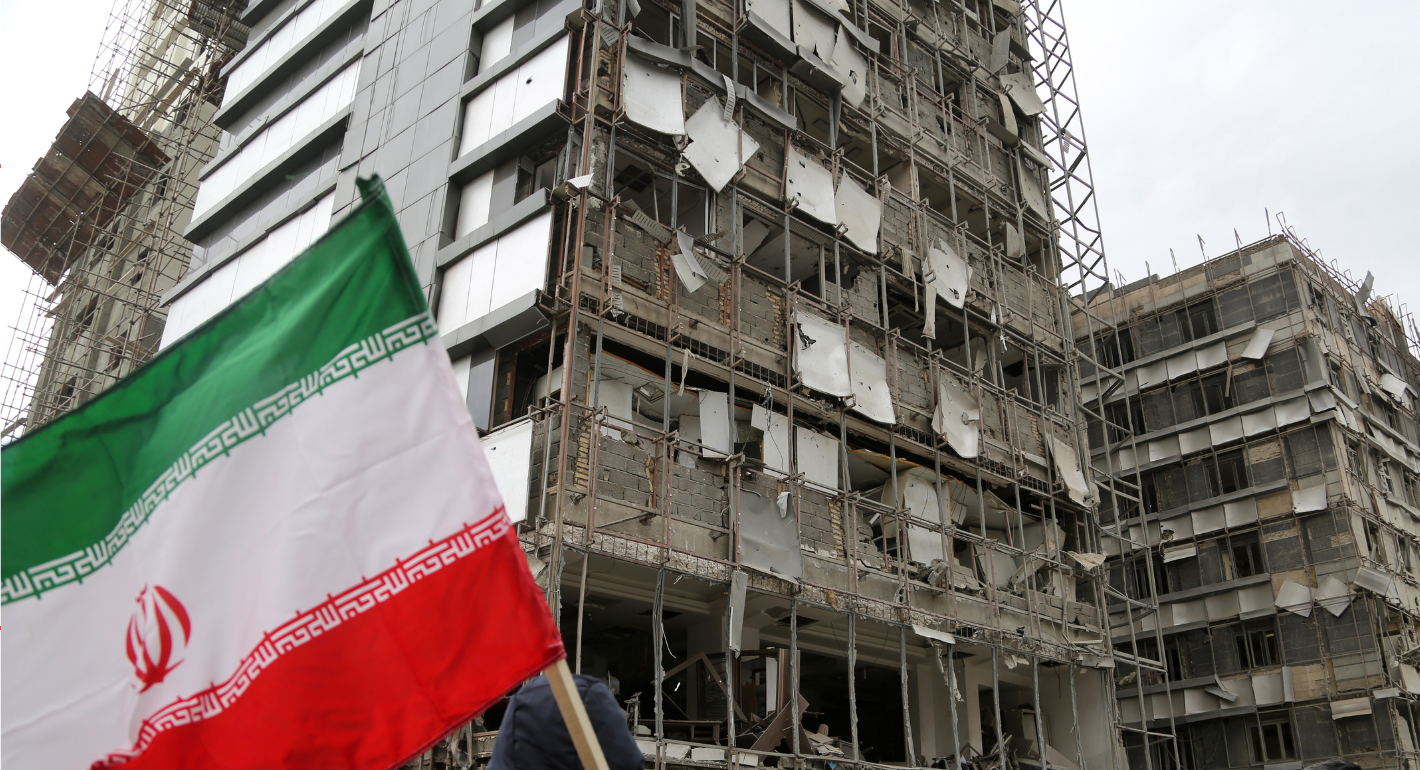
Europe’s reaction to the war in Iran has been disunited and meek, a far cry from its previously leading role in diplomacy with Tehran. To avoid being condemned to the sidelines while escalation continues, Brussels needs to stand up for international law.

Pierre Vimont
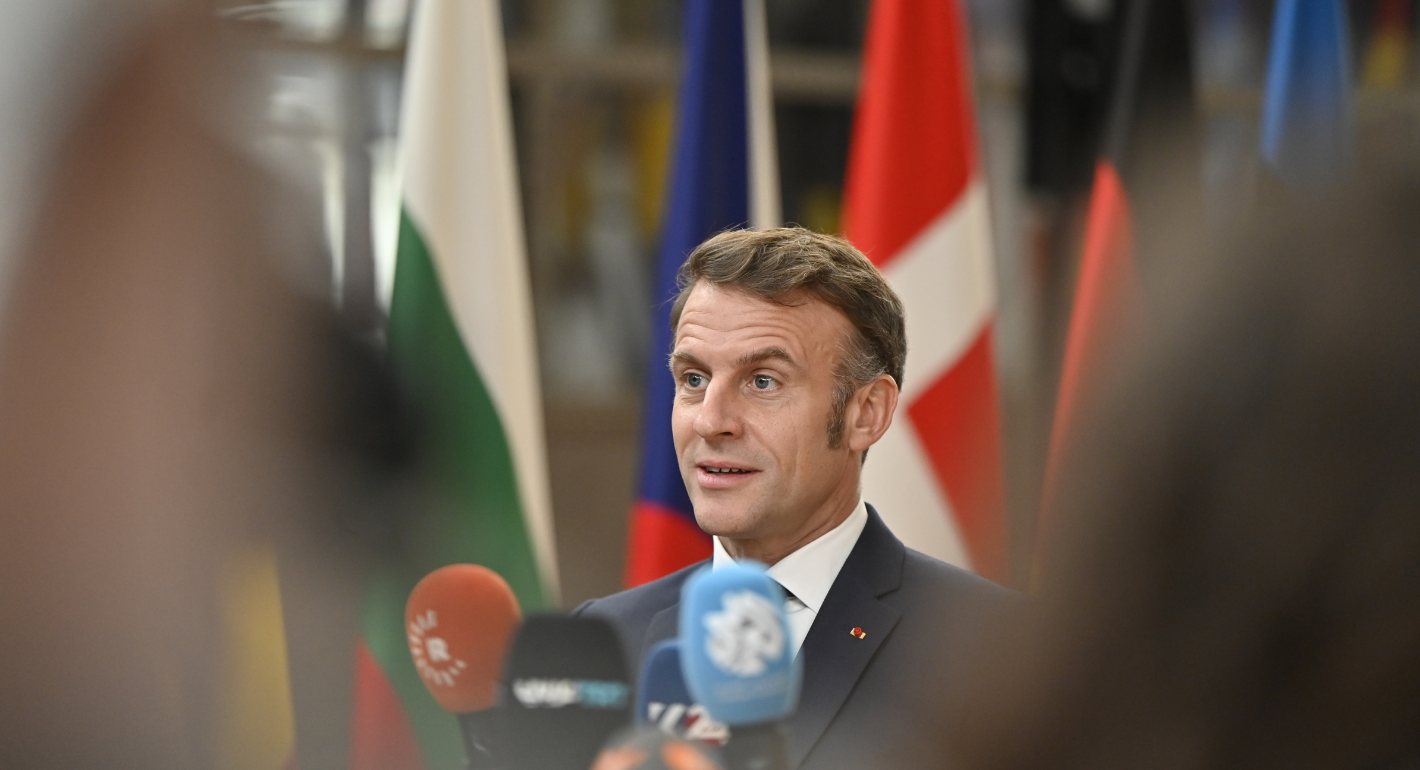
France has stopped clinging to notions of being a great power and is embracing the middle power moment. But Emmanuel Macron has his work cut out if he is to secure his country’s global standing before his term in office ends.

Rym Momtaz

Despite offering security benefits to candidates and the EU alike, the enlargement agenda appears stalled. Why is progress not being made, and is it time for Europe to rethink its approach?
Sylvie Goulard, Gerald Knaus