

In The Media
Lina Khatib
{
  "authors": [
    "Lina Khatib"
  ],
  "type": "legacyinthemedia",
  "centerAffiliationAll": "dc",
  "centers": [
    "Carnegie Endowment for International Peace",
    "Malcolm H. Kerr Carnegie Middle East Center"
  ],
  "collections": [],
  "englishNewsletterAll": "menaTransitions",
  "nonEnglishNewsletterAll": "",
  "primaryCenter": "Malcolm H. Kerr Carnegie Middle East Center",
  "programAffiliation": "MEP",
  "programs": [
    "Middle East"
  ],
  "projects": [],
  "regions": [
    "Iran",
    "Gulf",
    "Saudi Arabia",
    "Yemen",
    "Middle East"
  ],
  "topics": [
    "Political Reform",
    "Security",
    "Foreign Policy"
  ]
}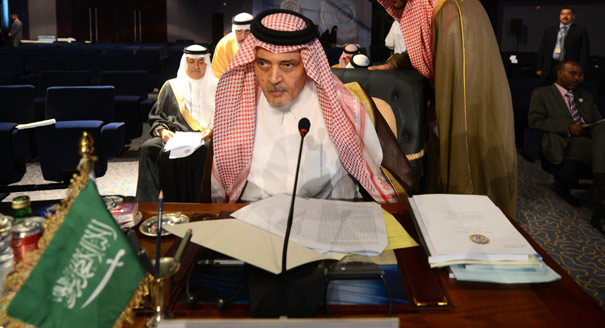
Source: Getty
Saudi Arabia is using the war against the Houthis to consolidate Saudi influence and control over Yemen, including the Port of Aden.
Source: KPFK Background Briefing with Ian Masters
“Saudi Arabia is finally being decisive about Yemen and using this war against the Houthis to consolidate Saudi influence and control over Yemen, including the Port of Aden,” said Carnegie’s Lina Khatib during an interview with KPFK’s Background Briefing with Ian Masters.
Khatib also spoke about a possible hidden motive behind Saudi intervention in Yemen that might result in a military occupation of the south of the country to secure the port of Aden and its oil terminals. Saudi oil could then be piped directly to Asian customers from terminals on the Indian Ocean, thus bypassing the Gulf and the Iranian-dominated Straights of Hormuz.
This interview was originally broadcast by KPFK Background Briefing with Ian Masters.
Former Director, Middle East Center
Khatib was director of the Carnegie Middle East Center in Beirut. Previously, she was the co-founding head of the Program on Arab Reform and Democracy at Stanford University’s Center on Democracy, Development, and the Rule of Law.
Recent Work
Lina Khatib
Lina Khatib
Carnegie does not take institutional positions on public policy issues; the views represented herein are those of the author(s) and do not necessarily reflect the views of Carnegie, its staff, or its trustees.
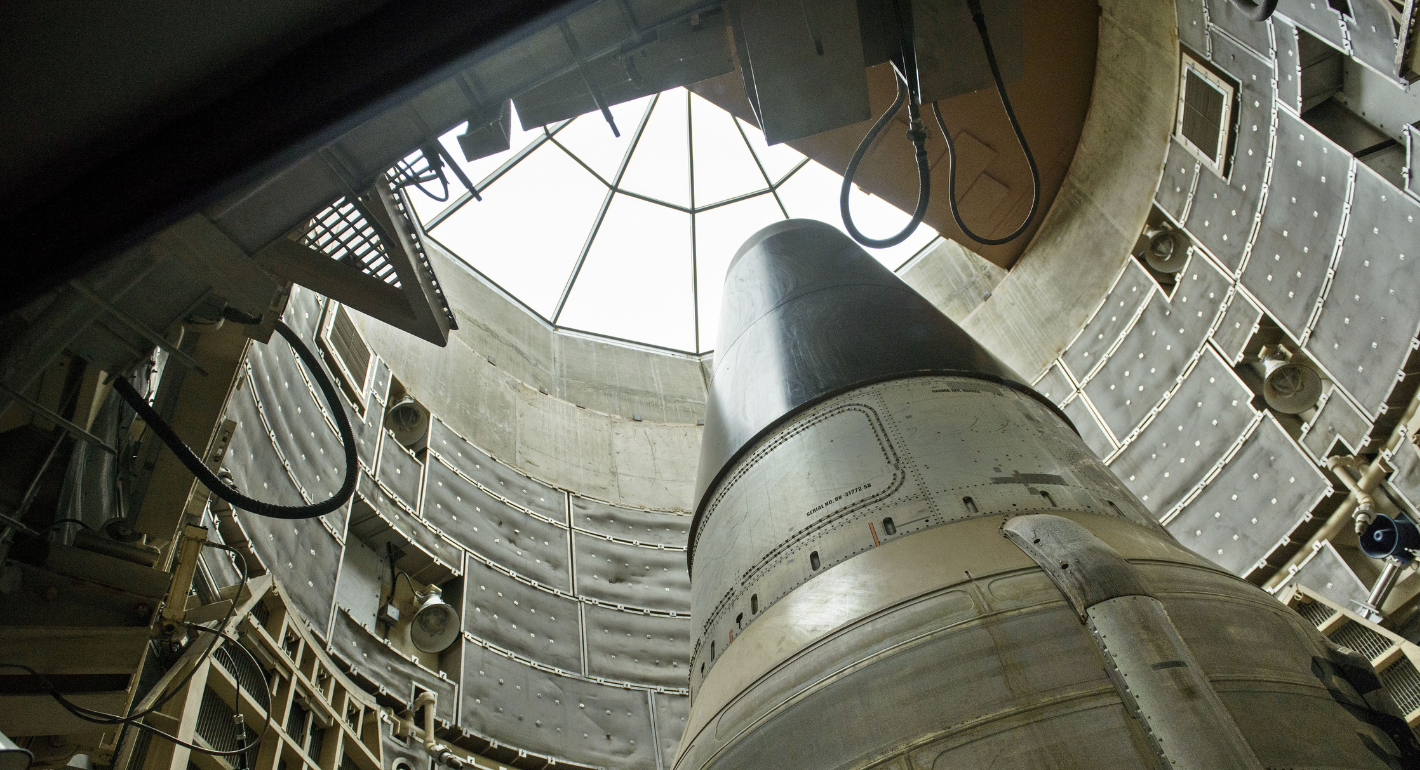
Amid uncertainty caused by the Iran war, the global drive for nonproliferation has stalled. With Europe diplomatically marginalized and countries reassessing their nuclear options, efforts to curb the spread of nuclear weapons risk becoming irrelevant.

Jane Darby Menton
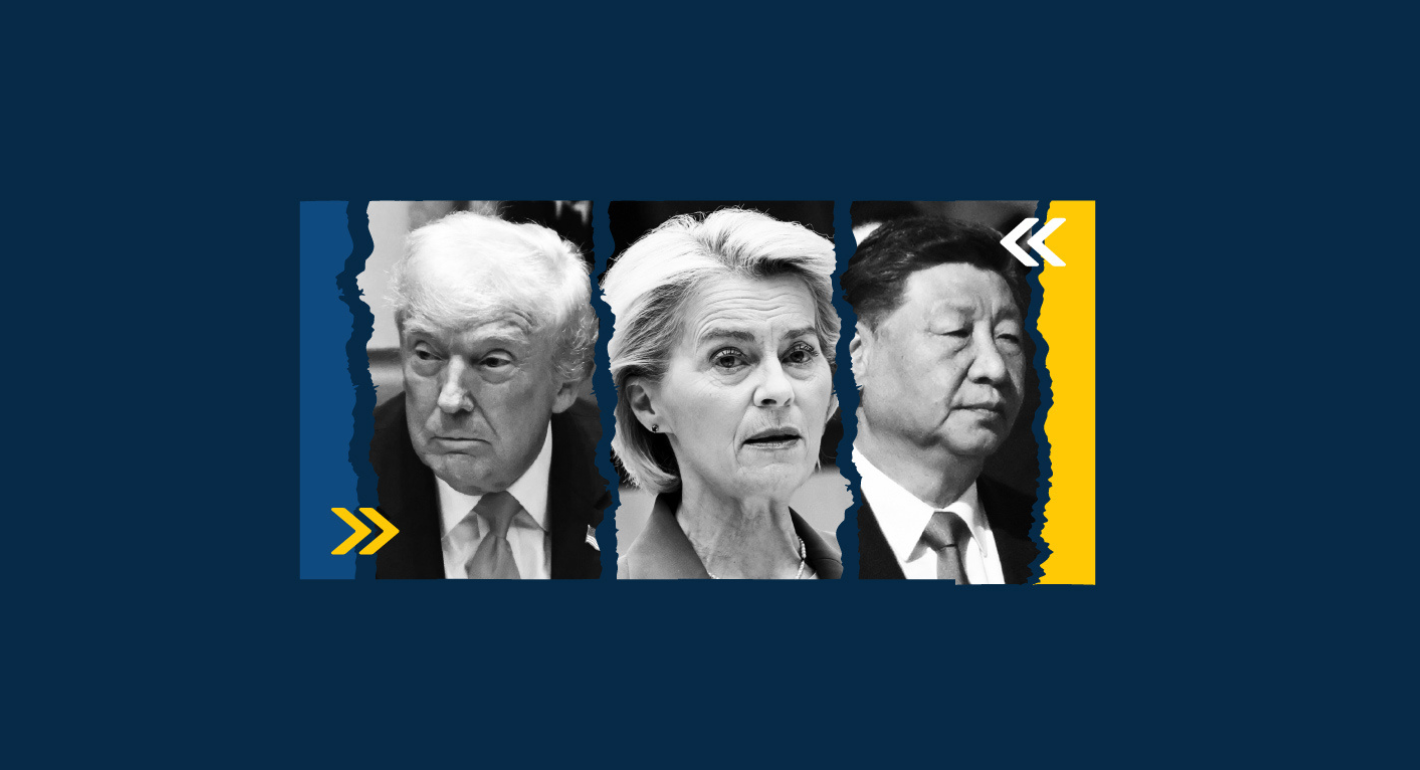
Between the United States’ market-driven approach and China's state-led industrial strategy, Europe is reckoning with how it can remain competitive in the global economy. But is Europe in danger of becoming a U.S. or China colony?

Noah Barkin, Anu Bradford

Preparing candidate countries for EU membership is no longer enough. As the enlargement process becomes a reality, the union must also prepare its own societies.

Iliriana Gjoni
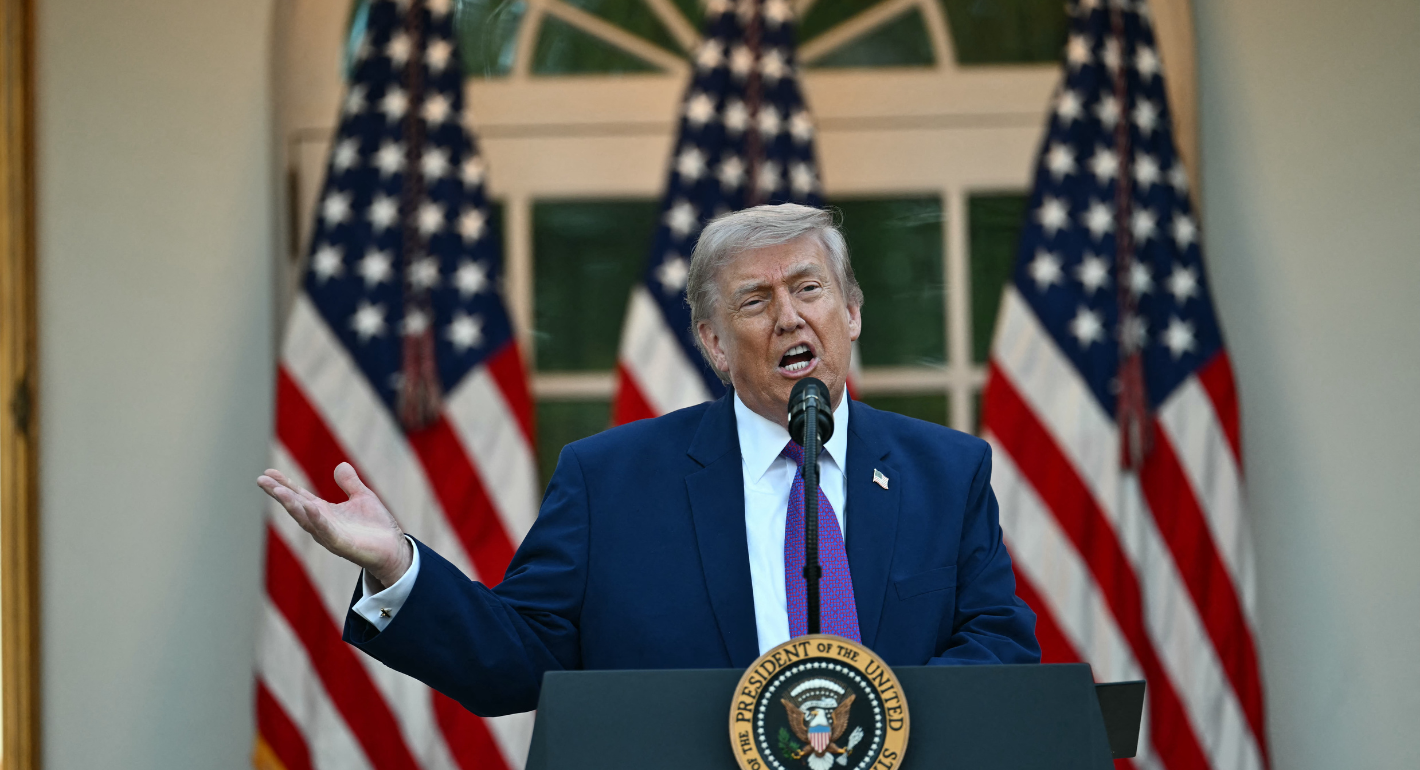
The full list of humiliations Europe has endured since Donald Trump returned to the White House makes for grim reading. But Washington’s adversarial approach to its allies undermines its own power base.

Rym Momtaz
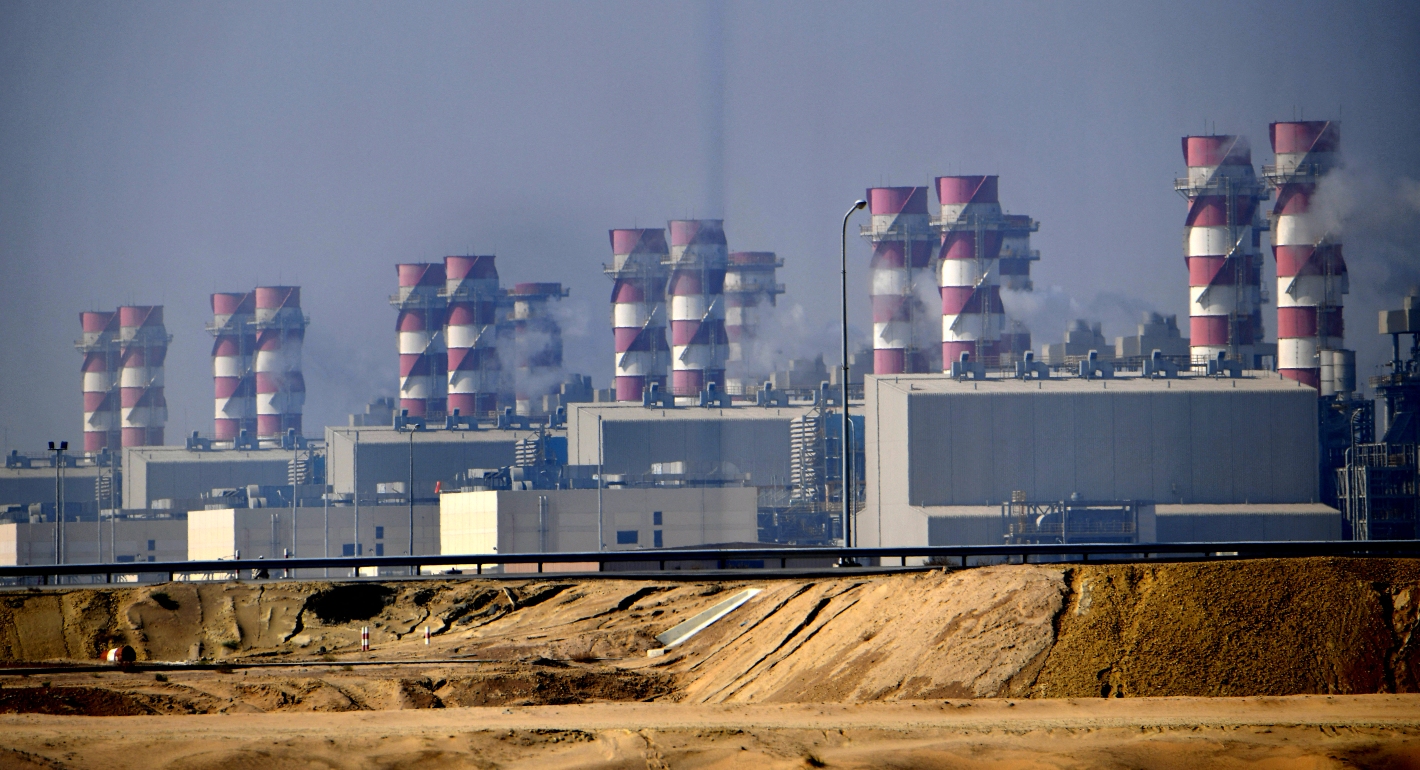
The U.S.-Iran war has crossed a dangerous threshold: water infrastructure in the Gulf is now a target. Ecological statecraft is no longer peripheral to security, it's part of its foundations.


Olivia Lazard, Ali Bin Shahid