

Book
Europe is facing rising populism internally as well as external pressures from Russia, China, Turkey, and the United States.
Dimitar Bechev
{
  "authors": [
    "Alexey Malashenko",
    "Ulrich Speck"
  ],
  "type": "commentary",
  "centerAffiliationAll": "",
  "centers": [
    "Carnegie Endowment for International Peace",
    "Carnegie Russia Eurasia Center"
  ],
  "collections": [
    "Inside Russia"
  ],
  "englishNewsletterAll": "",
  "nonEnglishNewsletterAll": "",
  "primaryCenter": "Carnegie Russia Eurasia Center",
  "programAffiliation": "",
  "programs": [],
  "projects": [],
  "regions": [
    "Russia"
  ],
  "topics": [
    "Political Reform"
  ]
}
Source: Getty
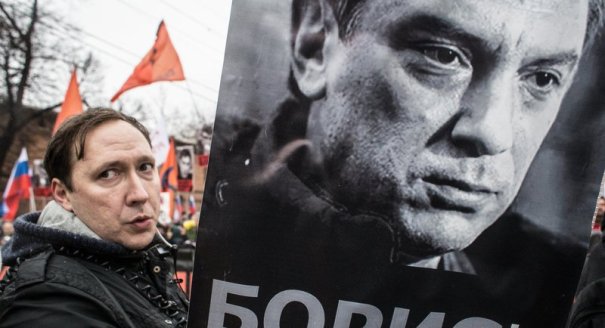
In the wake of the murder of one of Russia’s most fervent opposition leaders, Boris Nemtsov, Russia remains less in a state of shock than in a state of confusion about what this means for the country’s future. Eurasia Outlook asked Carnegie’s experts to share their thoughts on how the event will change political life in Russia.
In the wake of the murder of one of Russia’s most fervent opposition leaders, Boris Nemtsov, Russia remains less in a state of shock than in a state of confusion about what this means for the country’s future. Eurasia Outlook asked Carnegie’s experts to share their thoughts on how the event will change political life in Russia.
Politicians and ideologues are passionately expressing their views on who killed one of the most prominent, non-system opposition activists, Boris Nemtsov, and why. Though they try to conceal their bewilderment at what has transpired. Several theories are circulating. Vladimir Putin and many others say that the murder was a provocation; some even see a hand of Western special services behind it. There are also those who claim the murder resulted from a routine argument…
But in another few days a different question will emerge. People will ask how Nemtsov’s death will impact the general situation in Russia, particularly as it relates to the opposition movement. As cynical as it might seem, this question, however tacitly, is already present in the minds of politicians.
It is disconcerting to hear that this murder is described as a “provocation,” but the opinion that it is unquestionably a political killing does not sound foolproof either. All this provides fertile ground for any suspicions, including the ones implicating Nemtsov’s associates—especially in light of the fact that the regime would not really have much to gain from his death.
Nemtsov’s disappearance will not affect the big politics. As one expert has already noted, the president did not consider the late Nemtsov to be his enemy but rather “some dot somewhere in the background.” On the other hand, this death will really upset the Russian propagandists who made the colorful opposition leader one of their favorite targets. As a matter of fact, I am sure that the TV spin doctors will now zero in on the theory of “internal squabbles” within the ranks of the non-system opposition.
As for the opposition itself, it is unlikely to be substantially restructured. It will remain as incoherent as before and will pose no threat to the regime. Apparently, Nemtsov was its only charismatic member. At the very least, he got recognized and would have certainly accomplished more under a different, more normal political system.
The killing of Boris Nemtsov will make it almost impossible for Russia to return to the path of Europeanization under the current government. Even if Putin made a U-turn in Ukraine, which is highly improbable, the murder of a prominent opposition leader in one of most surveilled places in the world—the area immediately surrounding Kremlin—pushes EU-Europe and Russia further apart.
Whatever the circumstances of the killing were, most Western governments and publics will conclude that the Russian government must have either had a hand in it or at least contributed to it by creating an atmosphere of hatred and witch-hunting. The small amount of trust that remained after the attack on Ukraine has now been destroyed. For most Europeans, Putin’s Russia is not going to be a partner anymore; EU-Europe and Russia are drifting further apart.
In the past, the prospect of Europeanization limited the Kremlin’s political options what Berlin or Paris or London have thought was important to the Russian government. If this limitation is now gone, the Russian government may act with less restraint in the future in both foreign and domestic affairs. Instead of moving closer to liberal democracy, as the advocates of Europeanization had hoped, the Kremlin may choose to continue to march in the opposite direction.
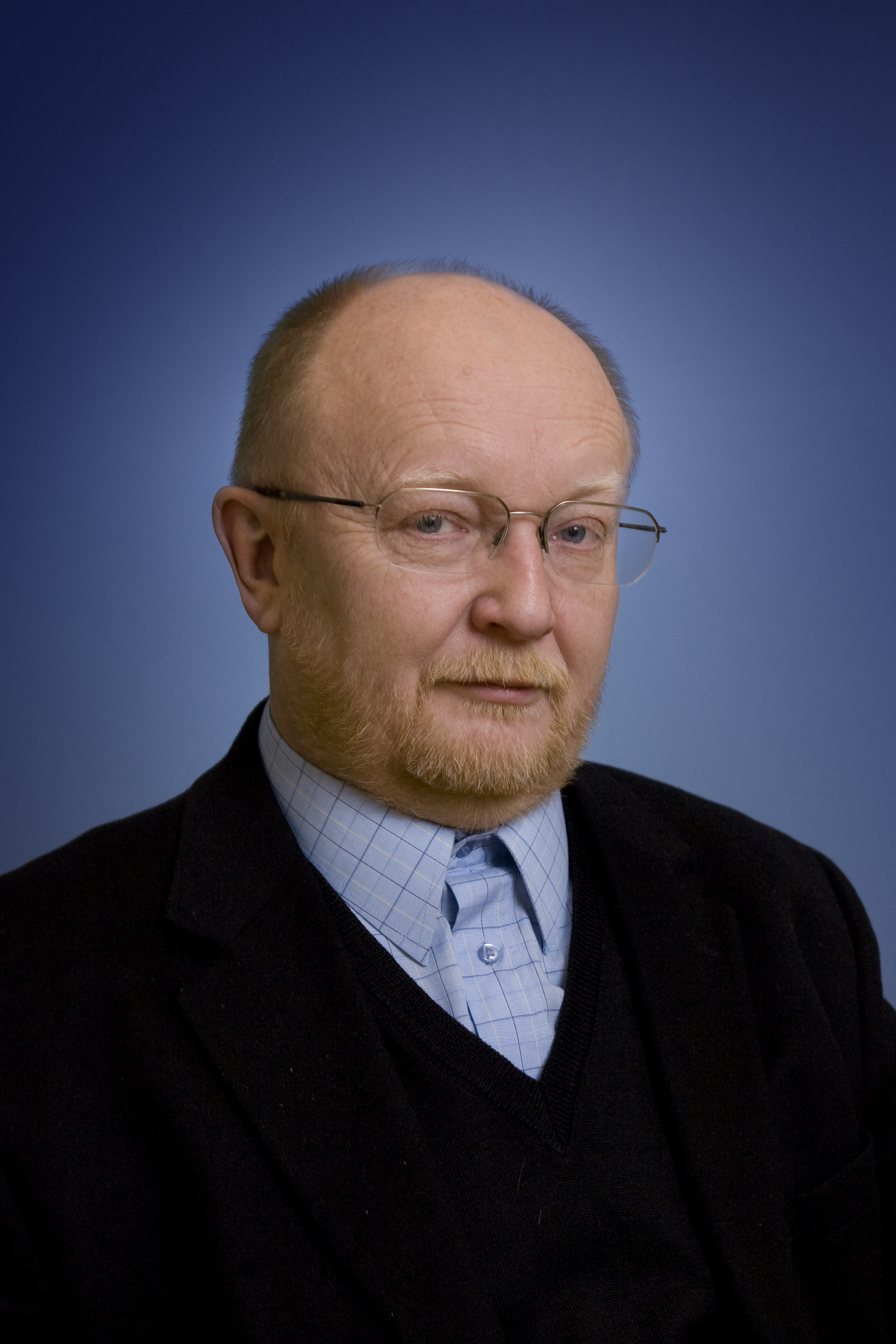
Former Scholar in Residence, Religion, Society, and Security Program
Malashenko is a former chair of the Carnegie Moscow Center’s Religion, Society, and Security Program.
Ulrich Speck
Former Visiting Scholar, Carnegie Europe
Speck was a visiting scholar at Carnegie Europe in Brussels, where his research focuses on the European Union’s foreign policy and Europe’s strategic role in a changing global environment.
Carnegie does not take institutional positions on public policy issues; the views represented herein are those of the author(s) and do not necessarily reflect the views of Carnegie, its staff, or its trustees.

Europe is facing rising populism internally as well as external pressures from Russia, China, Turkey, and the United States.

Dimitar Bechev

A notable degree of participative democracy has firmly arrived in Europe. But to have more far-reaching impact, democratic deliberation needs to move into a radically new phase.

Richard Youngs

Before the next wave of EU enlargement takes place, the union needs to grapple with thorny questions of how power is distributed among its members.


Emil Sondaj Hansen, Ditte Brasso Sørensen

A summer of escalation in the Black Sea has hurt Ukraine economically and is exacerbating world food security. A truce is needed—as is a broader reframing of Europe’s Ukraine strategy.

Thomas de Waal

European Commission President Ursula von der Leyen is about to give her annual address on the state of the EU. Here’s what she won’t—but should—say.

Rym Momtaz