

Paper
Christopher S. Chivvis, Rohan Mukherjee, Milan Vaishnav
{
  "authors": [
    "Milan Vaishnav"
  ],
  "type": "other",
  "centerAffiliationAll": "dc",
  "centers": [
    "Carnegie Endowment for International Peace"
  ],
  "collections": [],
  "englishNewsletterAll": "ctw",
  "nonEnglishNewsletterAll": "",
  "primaryCenter": "Carnegie Endowment for International Peace",
  "programAffiliation": "SAP",
  "programs": [
    "South Asia"
  ],
  "projects": [],
  "regions": [
    "South Asia",
    "India"
  ],
  "topics": [
    "Political Reform",
    "Civil Society"
  ]
}
Source: Getty
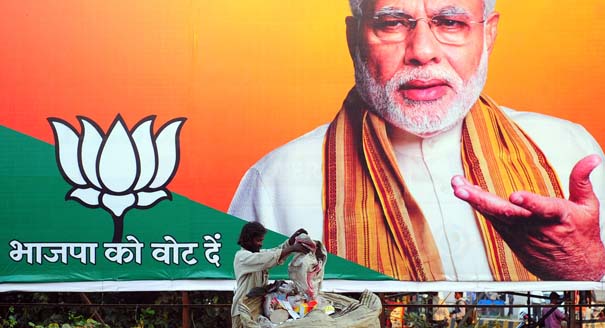
There are three clear lessons that can be drawn from India’s 2014 election.
Source: IDFC
Milan Vaishnav spoke about the 2014 Indian elections at the IDFC Institute in New Delhi. The talk brings together a few of Dr. Vaishnav's current research projects to address whether the recent election was truly a "game changer." He began by laying out the facts of the election, including that it was the largest election in human history and that it is the first time a party other than the Indian National Congress has won such a resounding mandate in India. He noted, optimistically, that while the election was polarized along religious lines, Narendra Modi won in large part due to his successful record as Chief Minister of Gujarat, suggesting that the Indian electorate is rewarding competent governance in a way it has not in the past. In other areas, though, such as the presence of political dynasties in the legislature and the electoral success of criminals, this election was an example of continuity rather than change.Vaishnav pointed to three key takeaways from this election. First, the BJP has supplanted the Congress as the dominant pole around which Indian politics revolves. Second, though identity politics are still important, they are not sufficient to win; politicians must combine identity-based appeals with strong records on economic and governance issues if they are to succeed. Third, though voters may be shifting their preferences and regional parties are proliferating, the nature of the candidates themselves has not changed much.

Director and Senior Fellow, South Asia Program
Milan Vaishnav is a senior fellow and director of the South Asia Program and the host of the Grand Tamasha podcast at the Carnegie Endowment for International Peace. His primary research focus is the political economy of India, and he examines issues such as corruption and governance, state capacity, federalism, and electoral behavior. He also conducts research on the Indian diaspora.
Recent Work
Christopher S. Chivvis, Rohan Mukherjee, Milan Vaishnav



Sophia Besch, Eric Ciaramella, Steve Feldstein, …
Carnegie does not take institutional positions on public policy issues; the views represented herein are those of the author(s) and do not necessarily reflect the views of Carnegie, its staff, or its trustees.

Radical-right parties are expected to do well in upcoming elections in four of the EU's biggest member states. If successful, they could prevent the union from addressing key challenges ahead.

Stefan Lehne

In supporting Europe’s far-right, MAGA and Russia both want the same thing: a weaker EU. Europe must defend itself without abandoning the openness these forces exploit.

Armida van Rij

As the EU confronts profound challenges, several leaders have called for fundamental reform to the union’s model—but only modest, superficial changes have resulted. What if Europe really could be reimagined from zero today: What should such a redesigned European order look like?

Richard Youngs, ed.
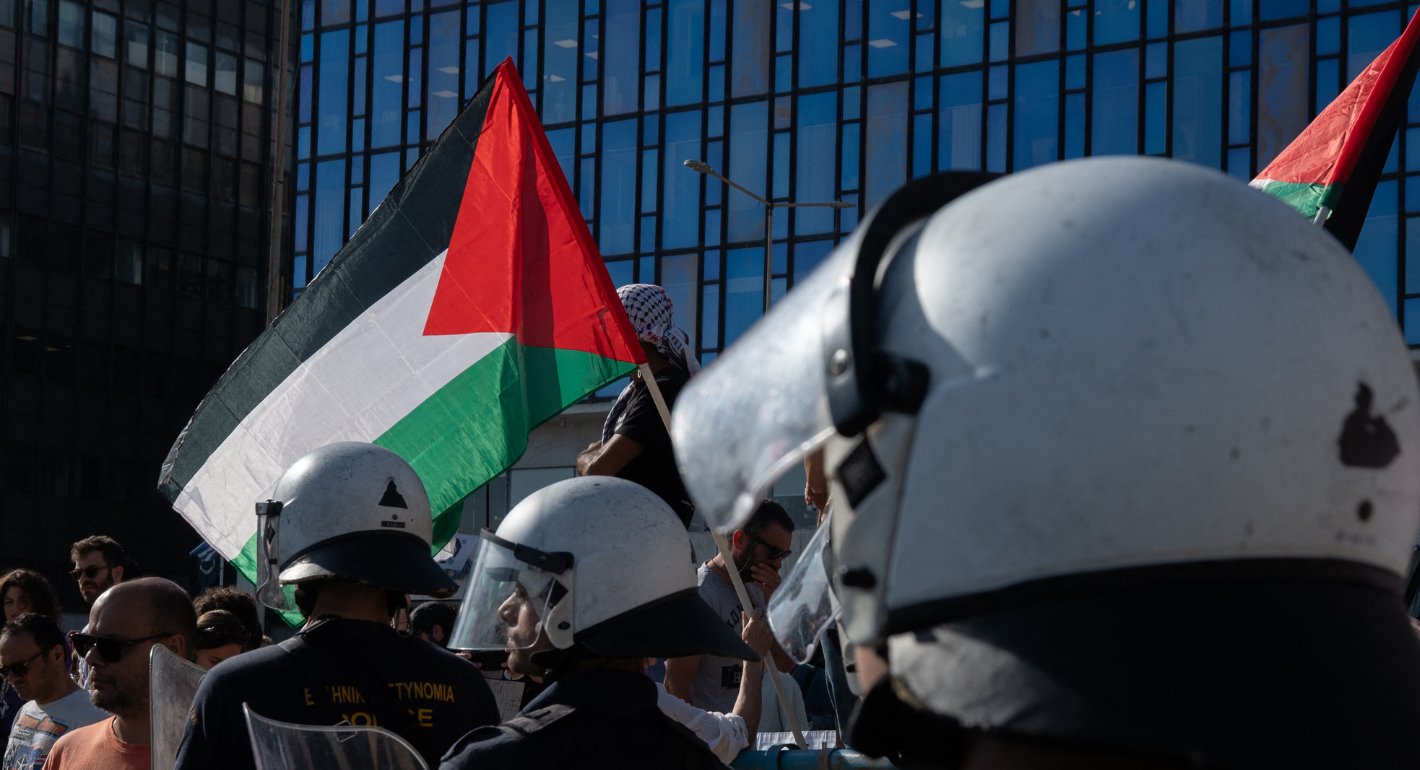
The battle over free speech has taken center stage since U.S. Vice President JD Vance accused Europe of censorship. From travel bans to social media regulation, especially around the Israel-Palestine conflict, are liberal democratic governments weaponizing free speech?

Rym Momtaz, ed.
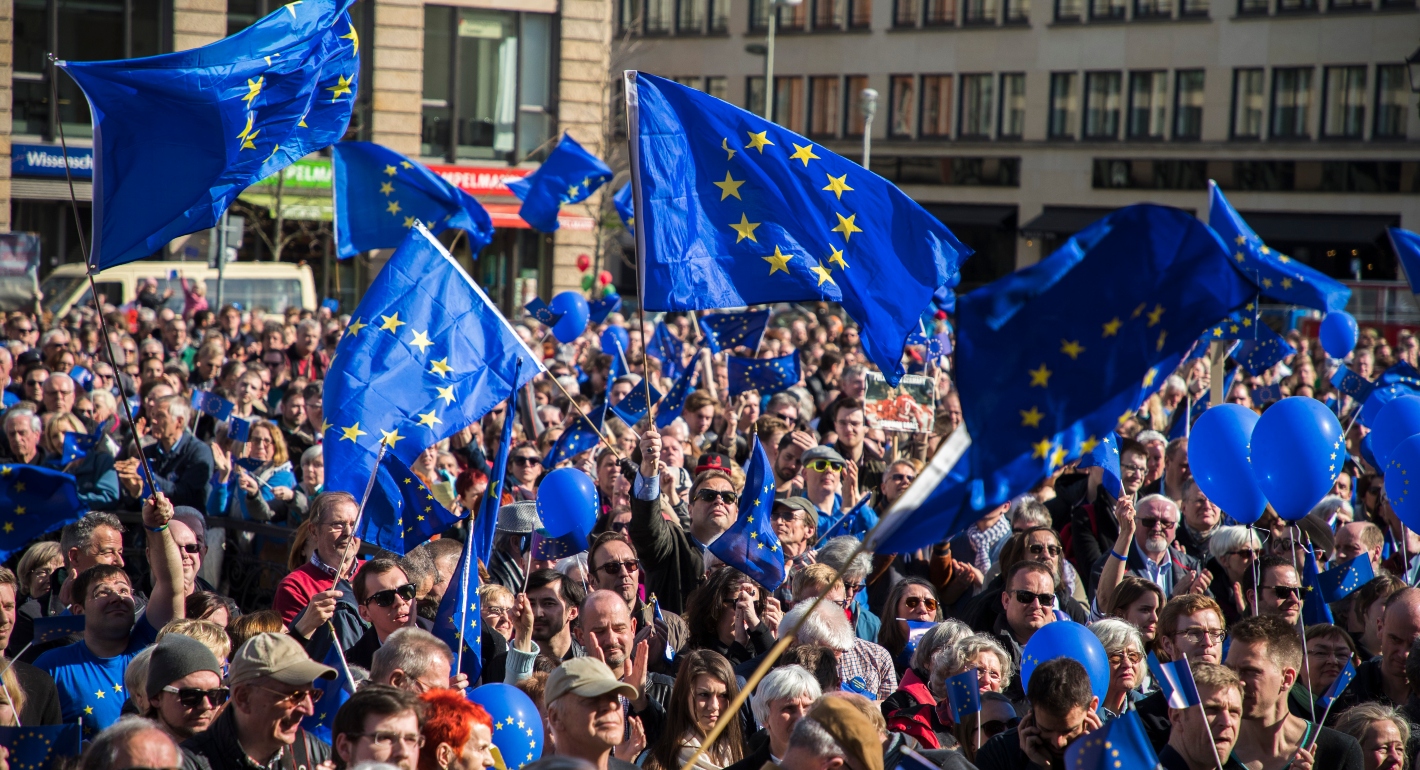
Preparing candidate countries for EU membership is no longer enough. As the enlargement process becomes a reality, the union must also prepare its own societies.

Iliriana Gjoni