

Commentary
Marc Lynch
{
  "authors": [
    "Marc Lynch"
  ],
  "type": "other",
  "centerAffiliationAll": "dc",
  "centers": [
    "Carnegie Endowment for International Peace"
  ],
  "collections": [
    "Arab Awakening"
  ],
  "englishNewsletterAll": "menaTransitions",
  "nonEnglishNewsletterAll": "",
  "primaryCenter": "Carnegie Endowment for International Peace",
  "programAffiliation": "MEP",
  "programs": [
    "Middle East"
  ],
  "projects": [],
  "regions": [
    "Middle East",
    "North Africa"
  ],
  "topics": [
    "Political Reform",
    "Democracy"
  ]
}
Source: Getty
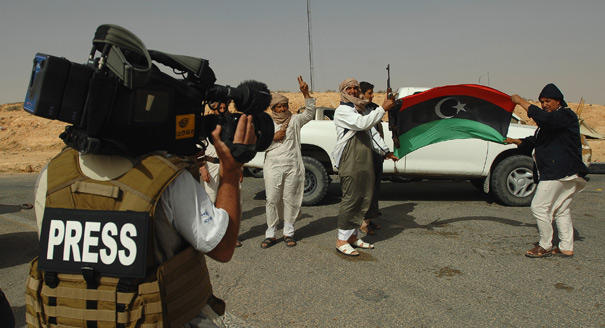
New media played a vital role in the 2011 political uprisings in the Middle East but also contributed to the failure of those uprisings.
Source: Journal of Democracy
The Arab uprisings of 2011 erupted in a region shaped by a decade and a half of revolutionary transformations in the world of Arab media. This revolution was driven by satellite television, local radio, semi-independent press outlets, and the Internet. These new media played a vital role in the 2011 political uprisings. The new media brought critical news and opinion to a broad public, gave voice to the voiceless, built ties between activists and ordinary citizens, and linked local protests into a powerful master narrative of regional uprising.The political uprisings affected the media landscape directly, enabling the rapid launching of dozens of new independent television stations, newspapers, and websites. Within a few years, however, most of the attempted democratic transitions had failed—and the media had surely had something to do with it. Media organs that had proved crucial to the uprisings degenerated with dismaying rapidity into highly partisan platforms serving state authorities or political factions. Why did the media both drive the wave of uprisings that rocked the Arab world in 2011 and contribute to the failure of those uprisings to consolidate democratic institutions?...
Former Nonresident Senior Fellow, Middle East Program
Marc Lynch was a nonresident senior fellow in Carnegie’s Middle East Program where his work focuses on the politics of the Arab world.
Recent Work
Marc Lynch
Marc Lynch
Carnegie does not take institutional positions on public policy issues; the views represented herein are those of the author(s) and do not necessarily reflect the views of Carnegie, its staff, or its trustees.
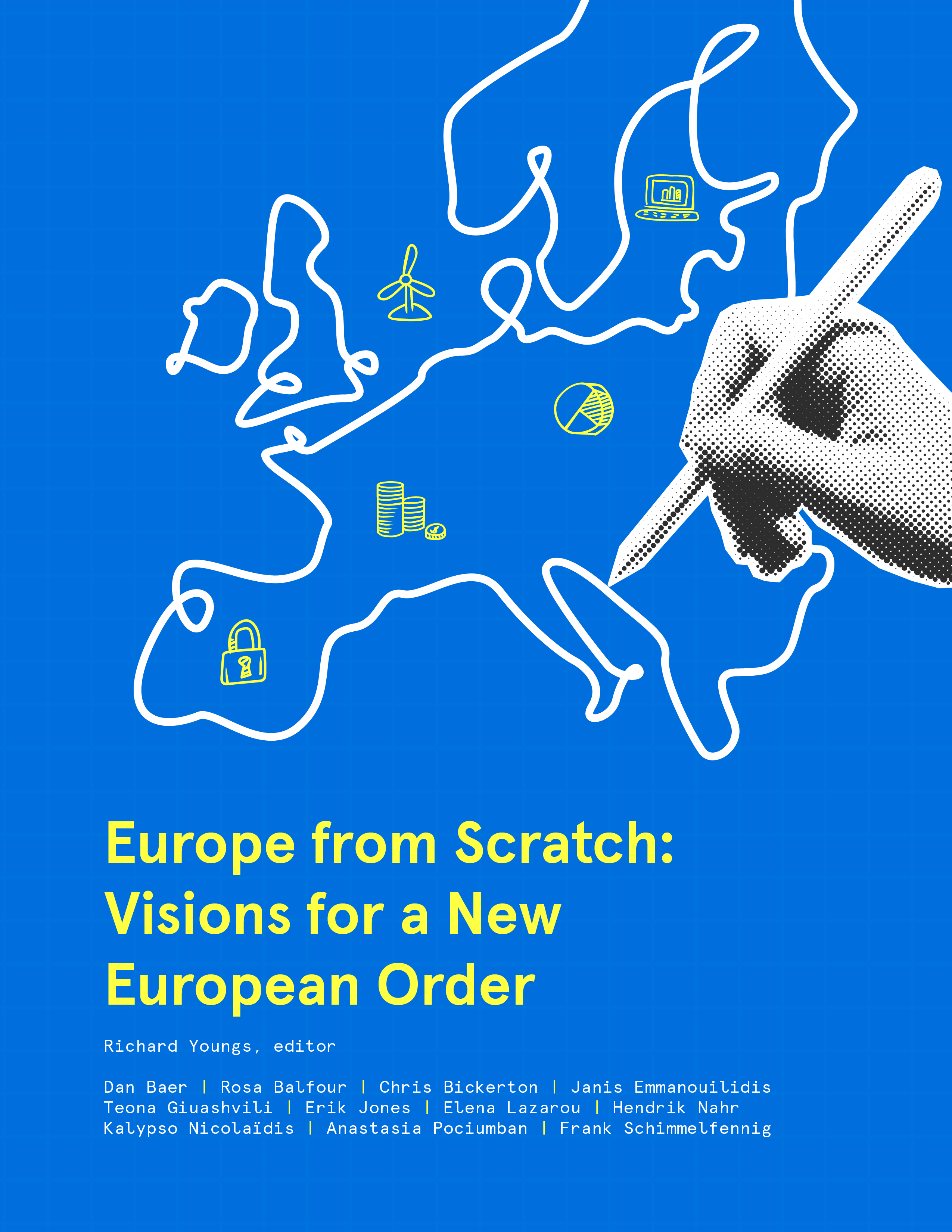
As the EU confronts profound challenges, several leaders have called for fundamental reform to the union’s model—but only modest, superficial changes have resulted. What if Europe really could be reimagined from zero today: What should such a redesigned European order look like?

Richard Youngs, ed.
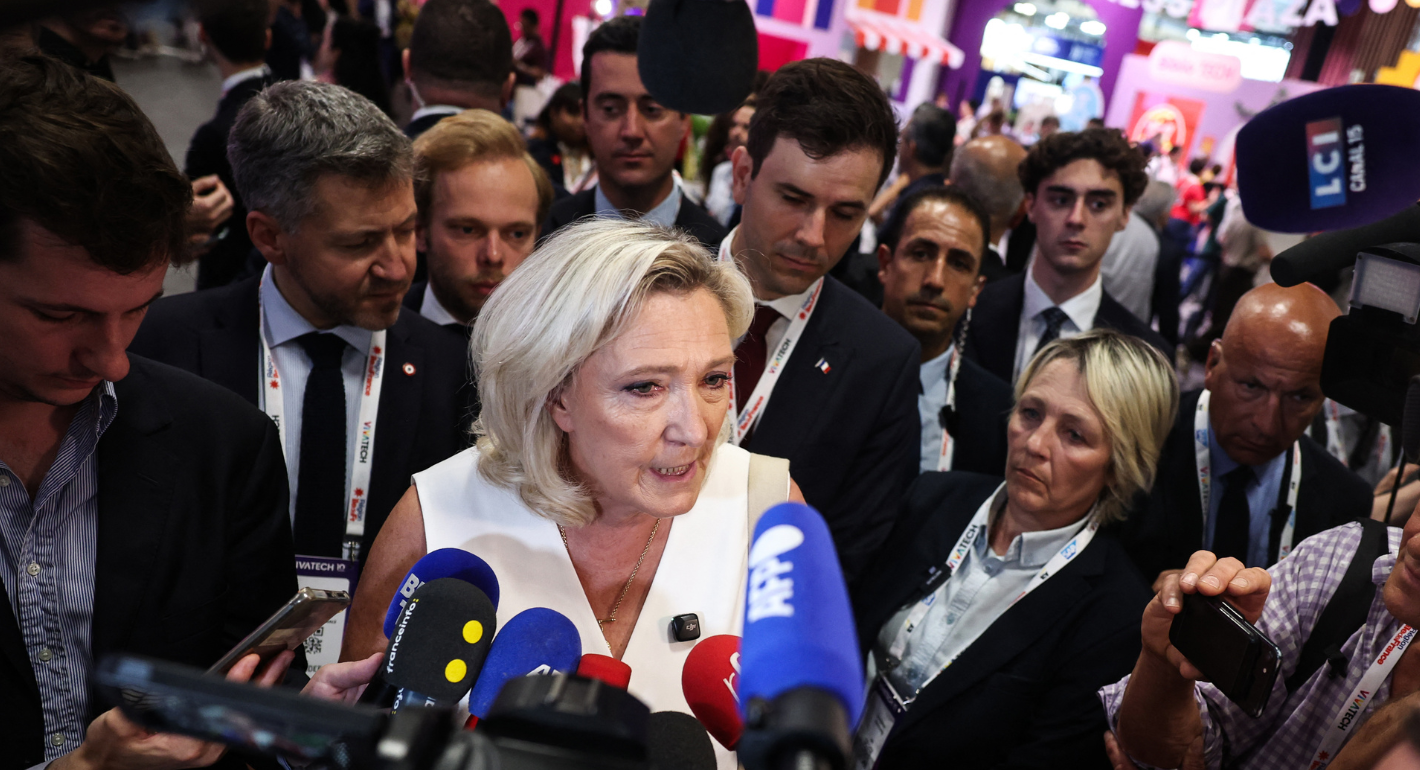
Far-right leader Marine Le Pen can—and will—run in France’s next presidential election. What does the outcome of her appeal against a 2025 embezzlement conviction mean for the country’s political future?
Catherine Fieschi
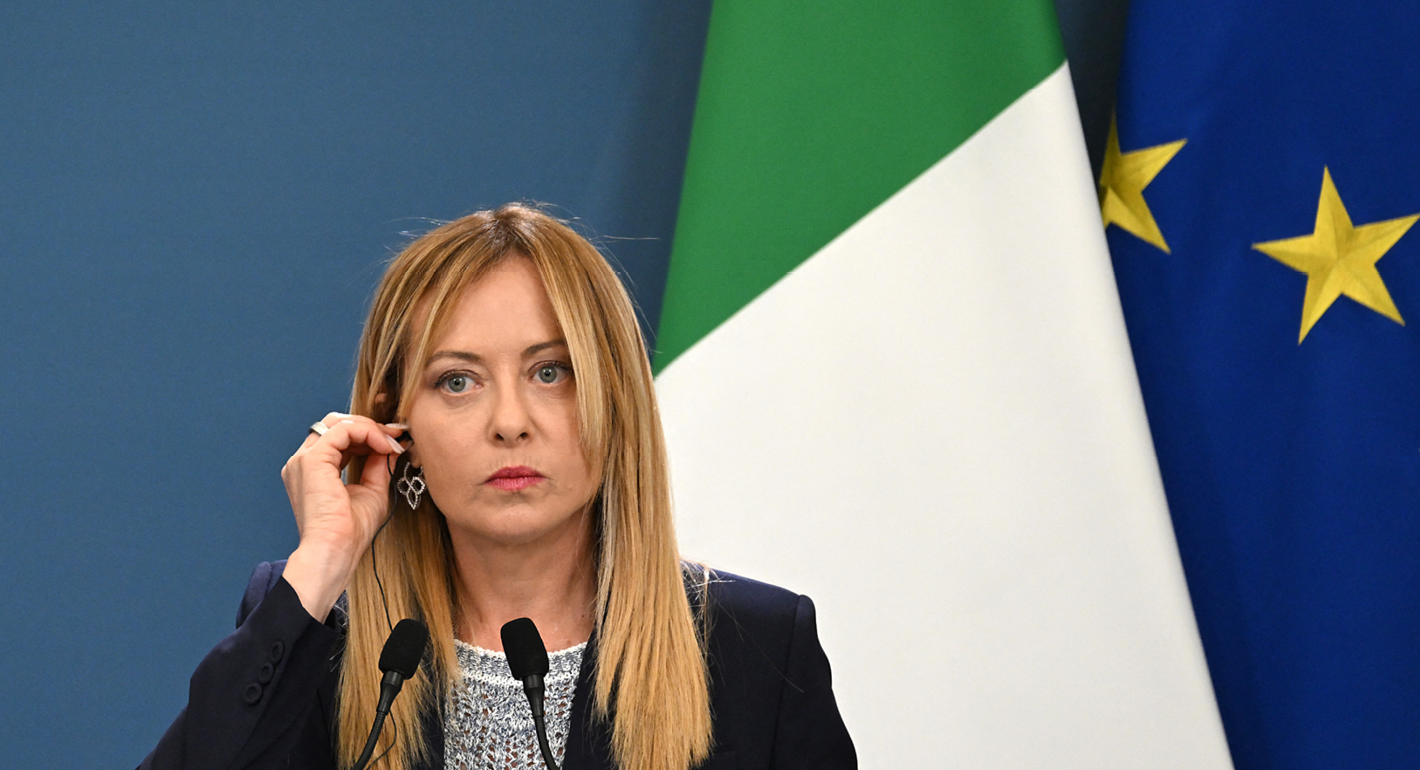
When Giorgia Meloni very publicly rebuked Donald Trump’s disparaging remarks about her, it surprised many who saw her as a European extension of Trumpism. Is the spat a sign of trouble in the radical right’s transatlantic axis?

Rym Momtaz, ed.
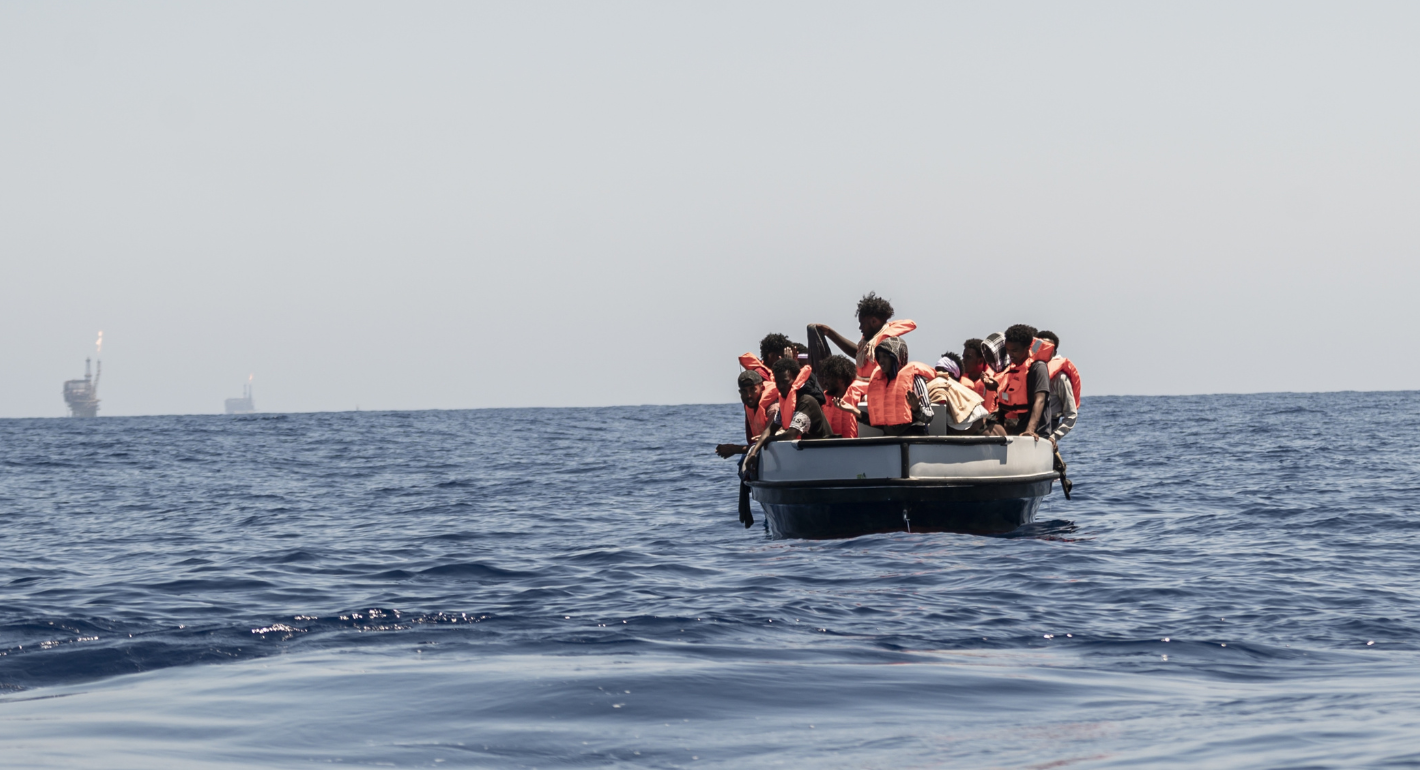
The EU’s new migration policy is not suited to today’s realities. With climate change increasingly becoming a driver of displacement, Europe needs to rethink its deterrence-focused approach.

Shana Tabak
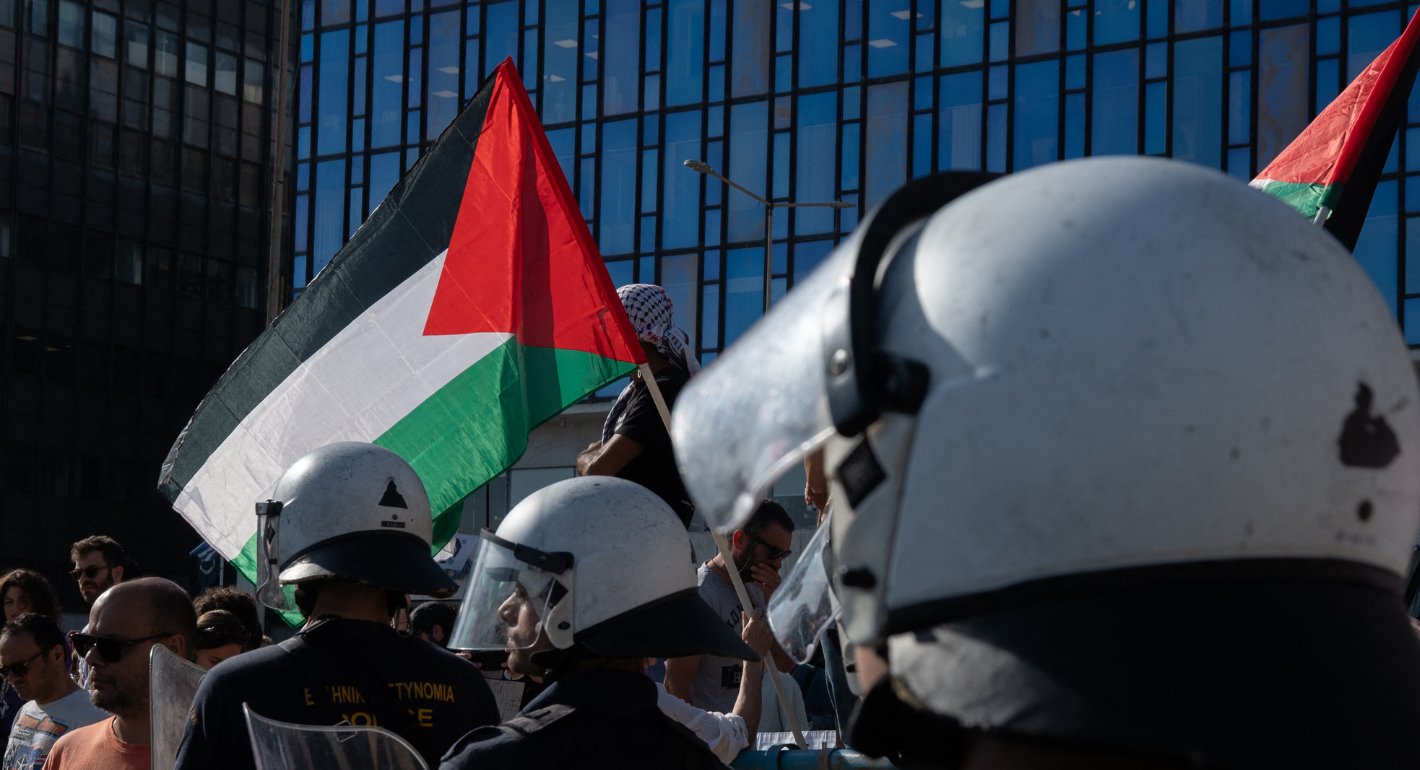
The battle over free speech has taken center stage since U.S. Vice President JD Vance accused Europe of censorship. From travel bans to social media regulation, especially around the Israel-Palestine conflict, are liberal democratic governments weaponizing free speech?
Rym Momtaz, ed.