
• Research
  • Strategic Europe
  • About
  • Experts
Carnegie Europe logoCarnegie lettermark logo
EUUkraine
  • Donate
{
  "authors": [
    "Joseph Bahout",
    "Steven Cook",
    "Shadi Hamid",
    "Rachel Havrelock",
    "Emad Shahin",
    "Galip Dalay"
  ],
  "type": "other",
  "centerAffiliationAll": "dc",
  "centers": [
    "Carnegie Endowment for International Peace"
  ],
  "collections": [
    "Arab Awakening"
  ],
  "englishNewsletterAll": "menaTransitions",
  "nonEnglishNewsletterAll": "",
  "primaryCenter": "Carnegie Endowment for International Peace",
  "programAffiliation": "MEP",
  "programs": [
    "Middle East"
  ],
  "projects": [],
  "regions": [
    "Middle East",
    "Israel",
    "North Africa",
    "Iraq",
    "Lebanon",
    "Jordan",
    "Palestine",
    "Syria"
  ],
  "topics": [
    "Political Reform"
  ]
}

Source: Getty

Other

Sykes-Picot at 100

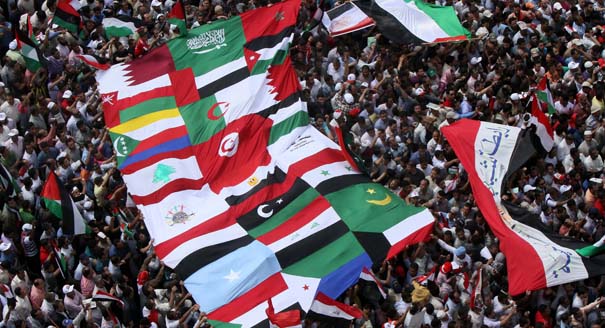
One hundred years after the division of the Middle East, the effects of the Sykes-Picot agreement are still playing out across the region.

Link Copied
By Joseph Bahout, Steven Cook, Shadi Hamid, Rachel Havrelock, Emad Shahin, Galip Dalay
Published on Jun 3, 2016

Source: Foreign Affairs

The Sykes-Picot agreement that divided the Middle East one hundred years ago has profoundly impacted the political history and trajectory of the modern Middle East. Speaking with Foreign Affairs, Carnegie's Joseph Bahout assessed the consequences of this historic agreement. 

This event was originally posted at Foreign Affairs. 

About the Authors

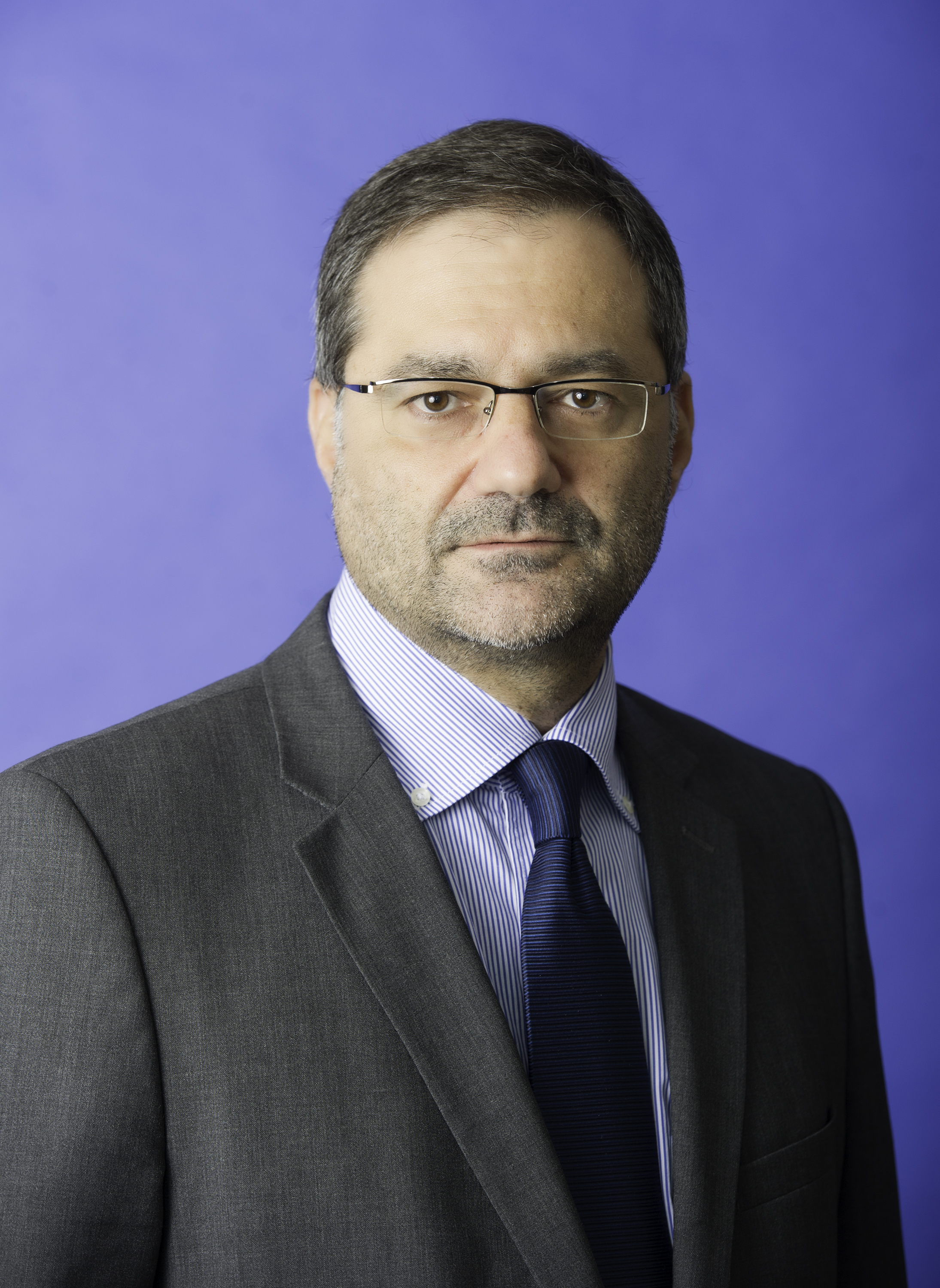
Joseph Bahout

Former Nonresident Fellow, Middle East Program

Joseph Bahout was a nonresident fellow in Carnegie’s Middle East Program. His research focuses on political developments in Lebanon and Syria, regional spillover from the Syrian crisis, and identity politics across the region.

Steven Cook

Shadi Hamid

Shadi Hamid is a senior fellow in the Project on U.S. Relations with the Islamic World in the Center for Middle East Policy. He served as director of research at the Brookings Doha Center until January 2014.

Rachel Havrelock

Emad Shahin

Galip Dalay

Authors

Joseph Bahout
Former Nonresident Fellow, Middle East Program
Joseph Bahout
Steven Cook
Shadi Hamid

Shadi Hamid is a senior fellow in the Project on U.S. Relations with the Islamic World in the Center for Middle East Policy. He served as director of research at the Brookings Doha Center until January 2014.

Rachel Havrelock
Emad Shahin
Galip Dalay
Political ReformMiddle EastIsraelNorth AfricaIraqLebanonJordanPalestineSyria

Carnegie does not take institutional positions on public policy issues; the views represented herein are those of the author(s) and do not necessarily reflect the views of Carnegie, its staff, or its trustees.

More Work from Carnegie Europe

  • Commentary
    Strategic Europe
    Taking the Pulse: Is it NATO’s Job to Support Trump’s War of Choice?

    Donald Trump has demanded that European allies send ships to the Strait of Hormuz while his war of choice in Iran rages on. He has constantly berated NATO while the alliance’s secretary-general has emphatically supported him.

      • Rym Momtaz

      Rym Momtaz, ed.

  • Commentary
    Strategic Europe
    Russia’s Imperial Retreat Is Europe’s Strategic Opportunity

    The war in Ukraine is costing Russia its leverage overseas. Across the South Caucasus and Middle East, this presents an opportunity for Europe to pick up the pieces and claim its own sphere of influence.

      William Dixon, Maksym Beznosiuk

  • Commentary
    Strategic Europe
    Europe and the Arab Gulf Must Come Together

    The war in Iran proves the United States is now a destabilizing actor for Europe and the Arab Gulf. From protect their economies and energy supplies to safeguarding their territorial integrity, both regions have much to gain from forming a new kind of partnership together.

      • Rym Momtaz

      Rym Momtaz

  • Commentary
    The Iran War’s Dangerous Fallout for Europe

    The drone strike on the British air base in Akrotiri brings Europe’s proximity to the conflict in Iran into sharp relief. In the fog of war, old tensions in the Eastern Mediterranean risk being reignited, and regional stakeholders must avoid escalation.

      Marc Pierini

  • Commentary
    Strategic Europe
    The EU Needs a Third Way in Iran

    European reactions to the war in Iran have lost sight of wider political dynamics. The EU must position itself for the next phase of the crisis without giving up on its principles.

      Richard Youngs

Get more news and analysis from
Carnegie Europe
Carnegie Europe logo, white
Rue du Congrès, 151000 Brussels, Belgium
  • Research
  • Strategic Europe
  • About
  • Experts
  • Projects
  • Events
  • Contact
  • Careers
  • Privacy
  • For Media
  • Gender Equality Plan
Get more news and analysis from
Carnegie Europe
© 2026 Carnegie Endowment for International Peace. All rights reserved.