

Paper
Ashley J. Tellis
{
  "authors": [
    "Ashley J. Tellis"
  ],
  "type": "other",
  "centerAffiliationAll": "dc",
  "centers": [
    "Carnegie Endowment for International Peace"
  ],
  "collections": [],
  "englishNewsletterAll": "ctw",
  "nonEnglishNewsletterAll": "",
  "primaryCenter": "Carnegie Endowment for International Peace",
  "programAffiliation": "SAP",
  "programs": [
    "South Asia"
  ],
  "projects": [],
  "regions": [
    "North America",
    "United States",
    "South Asia",
    "India",
    "Pakistan"
  ],
  "topics": [
    "Political Reform",
    "Economy",
    "Trade",
    "Foreign Policy"
  ]
}
Source: Getty
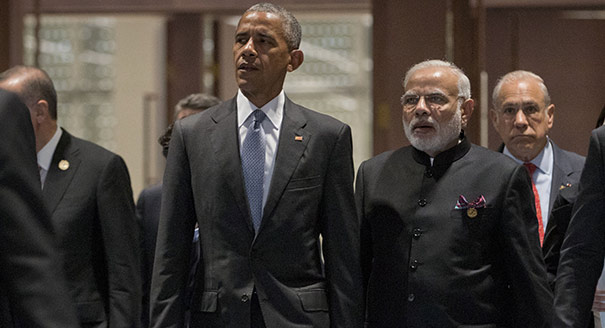
U.S.-India relations have been advanced by both the Bush and Obama presidencies. However, there needs to be a stronger economic foundation for the strategic partnership.
Source: Livemint
New Delhi: As US President Barack Obama nears the end of his two-term presidency in January, there is much scrutiny of his eight years in office. In India, the assessment is likely to go over how Obama steered ties with India vis-à-vis the record of his predecessor, George W. Bush, during whose presidency India and the US signed the historic nuclear deal.
In an interview, Ashley J. Tellis, senior associate at the Washington-based Carnegie Endowment for International Peace think tank speaks about the trajectory of India-US ties in the past decade. Edited excerpts:
They are obviously two different legacies. President George W. Bush was a wartime president whose activism really emerged in the aftermath of 9/11. Bush’s legacy, therefore, is defined largely by the costly wars that came out of 9/11—Afghanistan and Iraq—although he did manage to advance some elements of his domestic agenda despite the adverse circumstances.
President Barack Obama’s legacy in contrast will be defined by his exertions in putting the pieces back together in the aftermath of the burdensome wars and economic crises that he inherited. When viewed comparatively, both presidencies represent exaggerated responses in different directions: President Bush presided over a hyperactive foreign policy driven by the exigencies of national security. President Obama has overseen a very conscious attempt at international restraint, which also aims at rebuilding the United States after a decade of wars.
I think Obama’s legacy in India-US relations is a fitting continuation of Bush’s biggest strategic achievement: the transformation of India-US ties. And I disagree that there have not been further breakthroughs under Obama. The endorsement of India’s membership of the UN Security Council, the conclusion of the nuclear fuel reprocessing agreement, the remarkable expansion of defence cooperation—all these count as consequential accomplishments in my book. Do they equal the nuclear deal? Of course not. But nothing ever could. The nuclear reconciliation was a once-in-a-lifetime breakthrough. Don’t look too hard for repeat performances.
The US recognizes the current political realities in India. I believe, however, that if India wants to have a vibrant nuclear industry and a vibrant nuclear energy sector, the government will have to amend the current liability law—when the electoral and political circumstances permit—not as a favour to the United States but in order to protect its own domestic nuclear industry and suppliers.
That is moving along quite well. When Prime Minister Modi came to Washington (in 2016), we reached an information sharing agreement which allows the Indian Navy to start consider design consulting agreements with American firms. That is a big step forward because the Indian Navy hopes to work with US companies that have experience in building large-deck carriers. Assuming this ends well, Indian and American naval designers could begin to work together on both the current carrier under construction and future vessels. Thus, the first steps are underway and that is a real sign of success.
To my mind, this is the biggest weakness in the bilateral relationship today. If you don’t have a strong economic foundation to back up the strategic partnership, it becomes like a one-legged ladder. And that is not good for either country. We need to get to the point where both nations feel that their prosperity is dependent on their ties with the other. The economic dimension thus becomes the second leg—it complements the strategic leg—for building the ladder that takes us into the future.
The big decisions here really have to be made on the Indian side because the difficulties on trade arise largely from the fact that India has not made up its mind about the role of trade in its own growth strategy.
Despite improvements after the reforms, India is still not comfortable with the idea of an externally fully open economy. If India makes the right decisions towards that end, many of the problems in the India-US trade relationship will work themselves out. India obviously is still uncomfortable with the idea of external openness because it is afraid that it will not be competitive enough. But if India is to be able to sustain high economic growth, then it must move towards greater trade liberalization. The internal liberalization that is already underway must be complemented by external liberalization. And that it is one of the big reforms that I would like to see happen.
In the past, the US was reticent about deeply engaging India because of the fear of upsetting Pakistan. This has changed completely. Today, the US has strong interests in common with India. And Pakistan has not yet made the contributions that Washington had hoped for in Afghanistan. Pakistan remains, in different ways, a common challenge for both the US and India.
But neither country has found good, let alone, synchronized solutions to this challenge. Obviously, the US cannot break ties with Pakistan because it is an important ally in counterterrorism operations, but the exaggerated hopes that Washington once had of inducing a “strategic shift” in Pakistan’s geopolitical calculus vis-à-vis India and Afghanistan; those hopes have all but died.
Hopefully, the US will not ever enjoy a Trump presidency, but in any case, it is simply impossible to predict what a President Trump would mean for US-India relations or for that matter any other issue. Trump is incredibly erratic in the way he approaches the world and that seems to be his distinctive personality trait. He is not particularly well-informed about policy issues nor does he care to learn about them. He is not prepared for the responsibilities of the presidency and he does not care to understand the complexities of policymaking—US-India issues are probably the lowest on his list.
So, there is no way anyone can even speculate; there is simply no basis for speculation. With respect to Hillary Clinton; she has a long history of involvement with India going back to her husband’s presidency. When she was secretary of state, she was deeply involved in India issues, she took a personal interest in India, and was determined to build on Bush’s previous successes. Unfortunately for her, those efforts did not go very far because of the pathologies on the Indian side.
It coincided with the (Congress-led United Progressive Alliance) UPA-2, which was a very sorry period in India-US relations. Notwithstanding her efforts, we did not make much progress. But she sees PM Modi as a refreshing change. And if she becomes president, I think she will want to use every opportunity to run with the possibilities offered by Modi’s own enthusiasm for a closer relationship—we will be able to sustain and expand the gains made in the Obama years.
Former Senior Fellow
Ashley J. Tellis was a senior fellow at the Carnegie Endowment for International Peace.
Recent Work
Ashley J. Tellis
Ashley J. Tellis
Carnegie does not take institutional positions on public policy issues; the views represented herein are those of the author(s) and do not necessarily reflect the views of Carnegie, its staff, or its trustees.
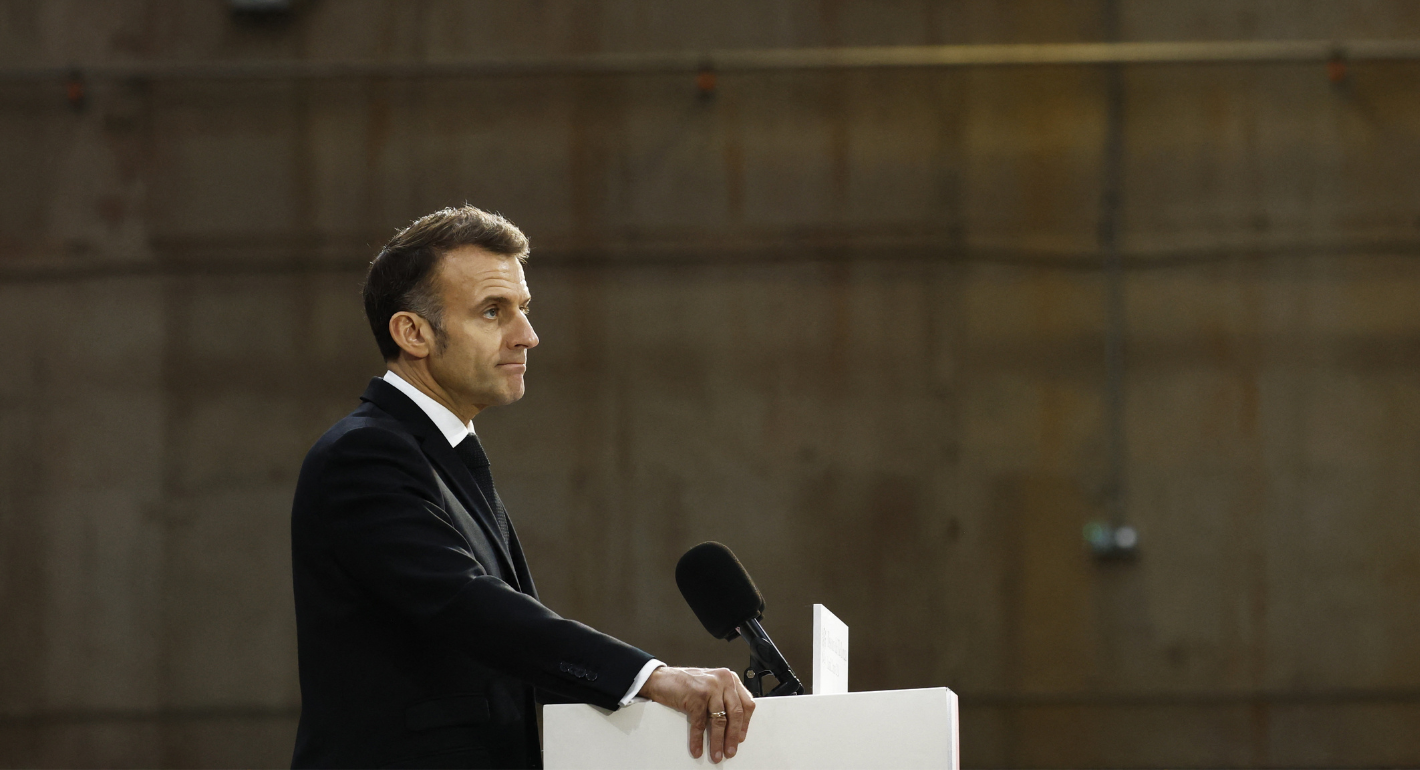
French President Emmanuel Macron has unveiled his country’s new nuclear doctrine. Are the changes he has made enough to reassure France’s European partners in the current geopolitical context?

Rym Momtaz, ed.
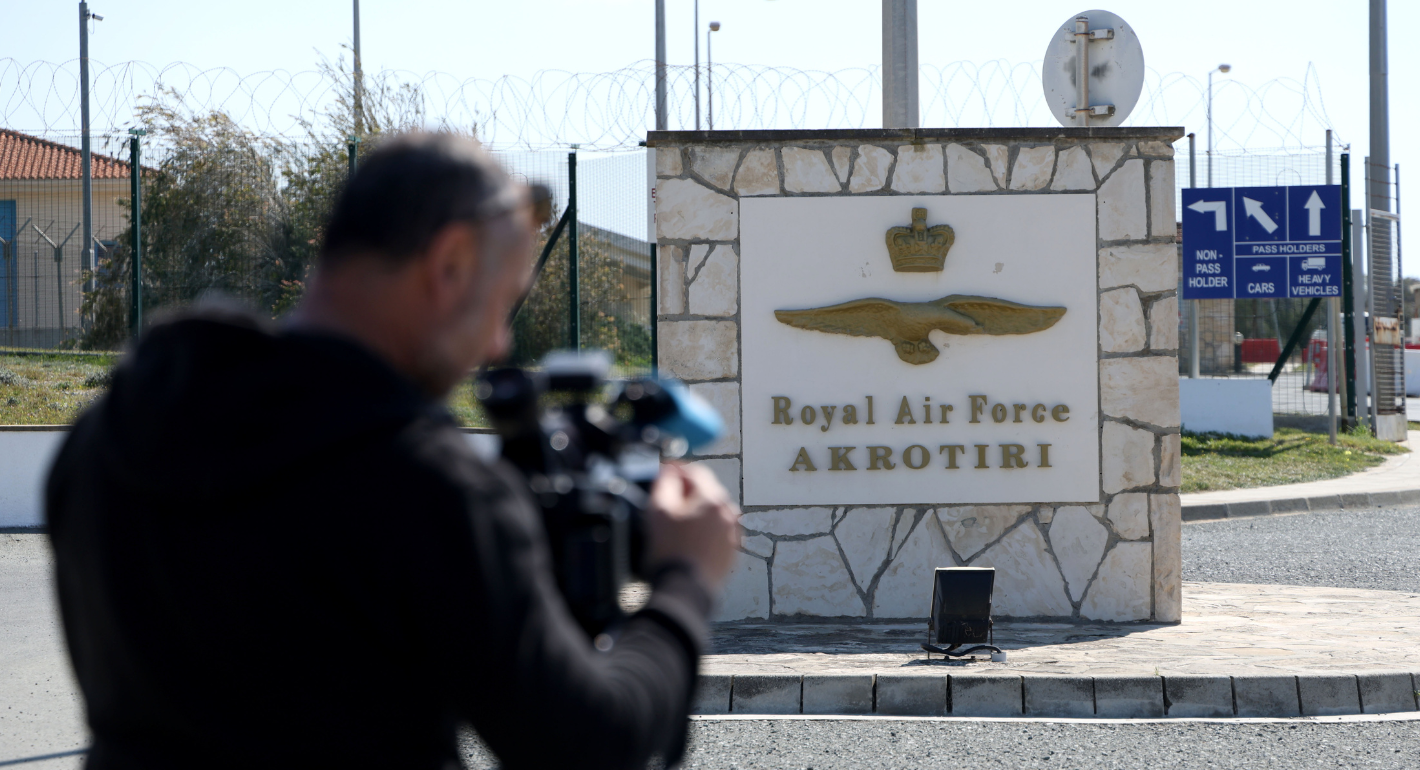
The drone strike on the British air base in Akrotiri brings Europe’s proximity to the conflict in Iran into sharp relief. In the fog of war, old tensions in the Eastern Mediterranean risk being reignited, and regional stakeholders must avoid escalation.

Marc Pierini
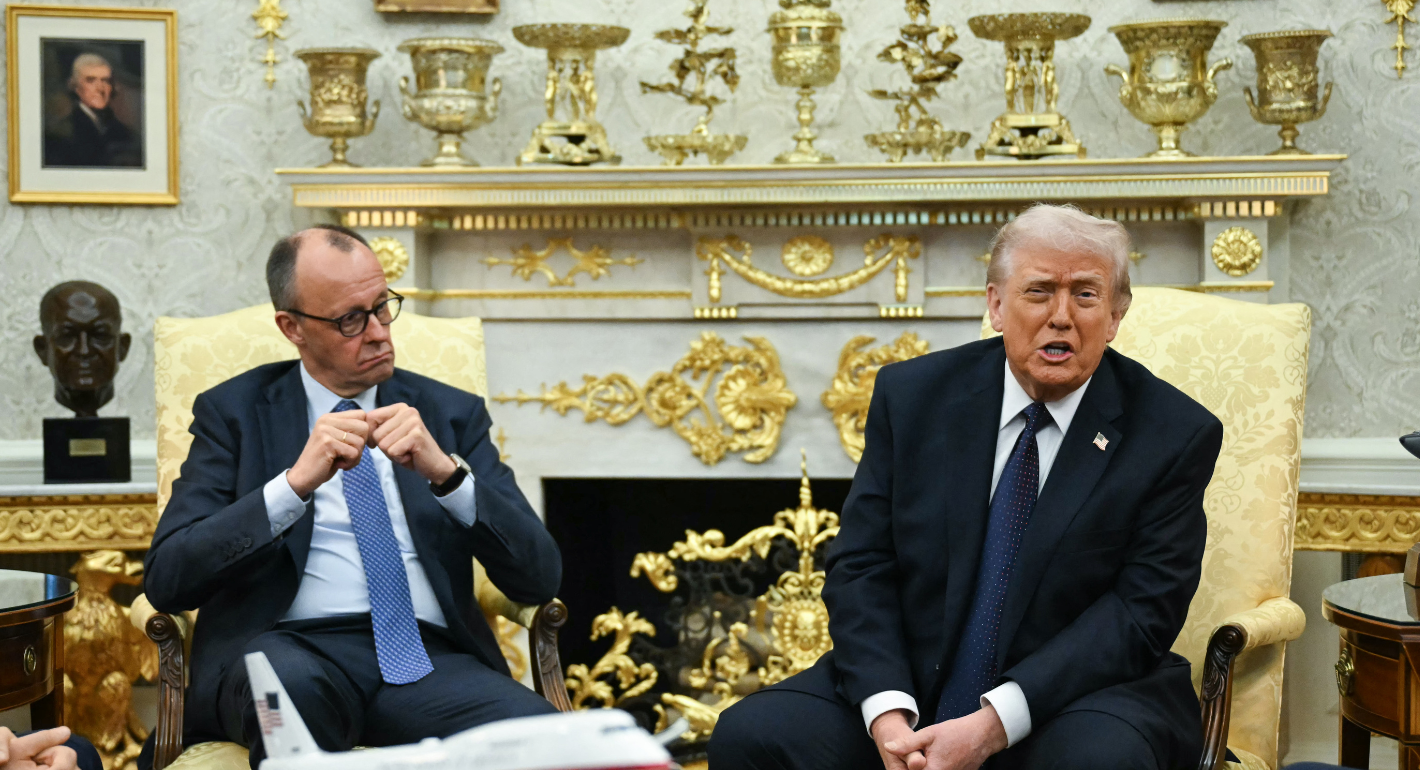
European reactions to the war in Iran have lost sight of wider political dynamics. The EU must position itself for the next phase of the crisis without giving up on its principles.

Richard Youngs
For years, the United States anchored global cyber diplomacy. As Washington rethinks its leadership role, the launch of the UN’s Cyber Global Mechanism may test how allies adjust their engagement.

Patryk Pawlak, Chris Painter
Europe isn’t as weak in the new geopolitics of power as many would believe. But to leverage its assets and claim a sphere of influence, Brussels must stop undercutting itself.

Dimitar Bechev