

Commentary
Europe seems to have accepted its sidelining in the Middle East. The EU must reassert its support for the international rules-based order and step up engagement.
Rym Momtaz
{
  "authors": [
    "Constantino Xavier",
    "Vassilis Ntousas"
  ],
  "type": "other",
  "centerAffiliationAll": "dc",
  "centers": [
    "Carnegie Endowment for International Peace",
    "Carnegie Europe",
    "Carnegie India"
  ],
  "collections": [],
  "englishNewsletterAll": "ctw",
  "nonEnglishNewsletterAll": "",
  "primaryCenter": "Carnegie India",
  "programAffiliation": "SAP",
  "programs": [
    "South Asia",
    "Europe"
  ],
  "projects": [],
  "regions": [
    "South Asia",
    "India",
    "Western Europe",
    "Asia",
    "Iran"
  ],
  "topics": [
    "Foreign Policy"
  ]
}
Source: Getty
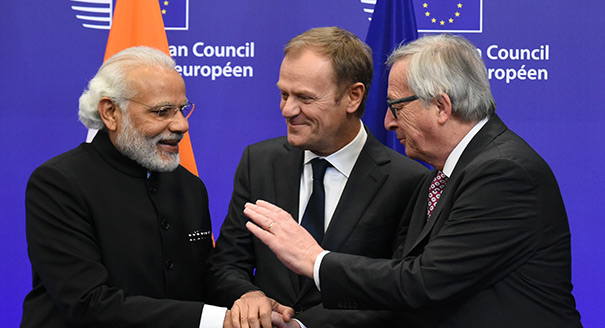
The European Union and India have developed a mature strategic partnership over the years, but the relationship now faces several challenges as Brussels begins to looks inwards and New Delhi to the United States and also eastwards.
Source: Foundation for European Progressive Studies
The European Union and India have developed a mature strategic partnership over the years, but the relationship now faces several challenges as Brussels begins to looks inwards and New Delhi to the United States and also eastwards. This paper argues that despite and also because of such challenges, this is the right moment for greater security engagement between the EU and India. The economic track is being revived, as negotiations continue towards a free trade agreement. Cultural and scientific exchanges have also flourished in recent years. It is now time to move the partnership into greater dialogue, coordination and cooperation in the security sphere.
This policy brief was originally published by the Foundation for European Progressive Studies.
Former Fellow, Carnegie India
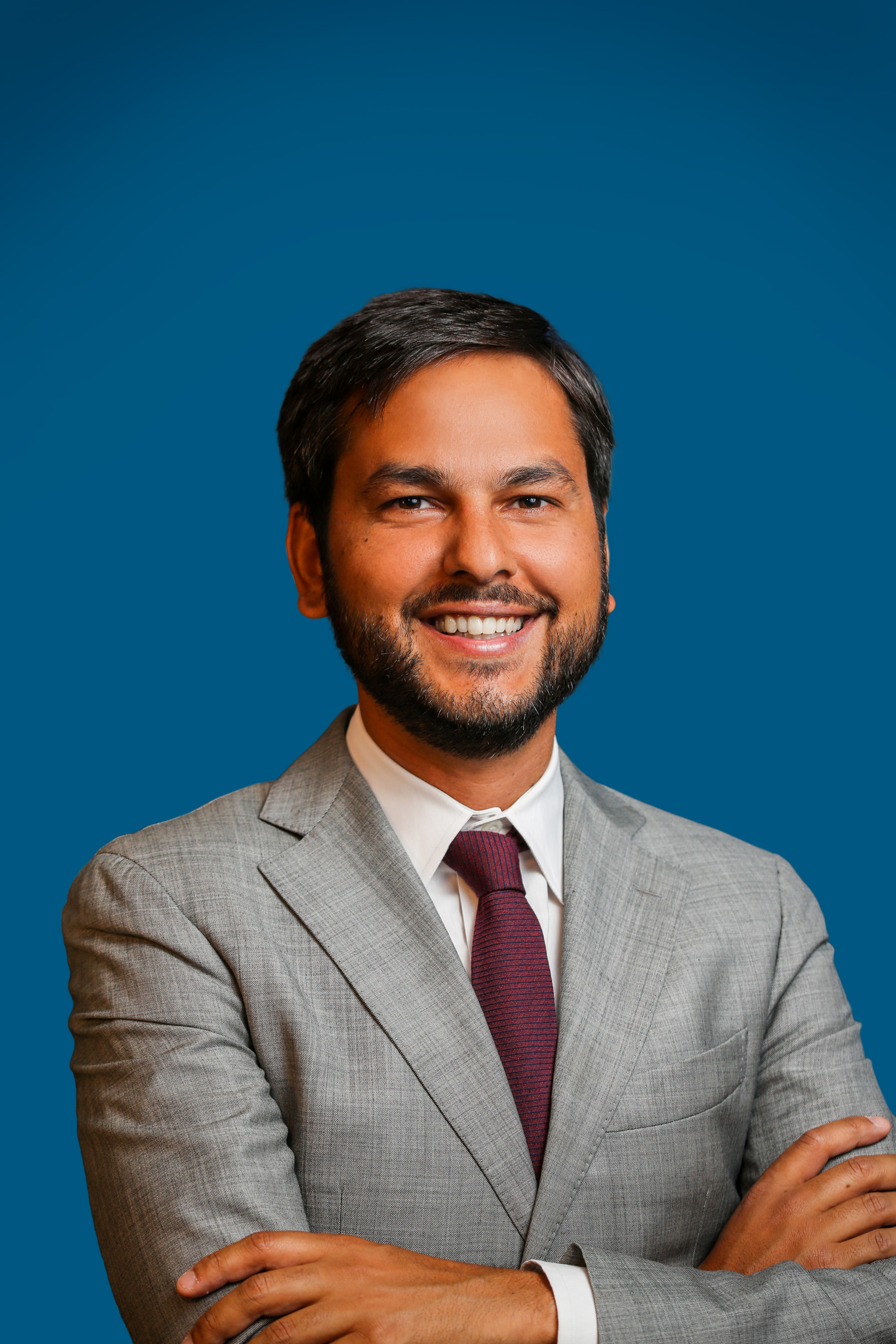
Constantino Xavier was a fellow at Carnegie India, based in New Delhi. His research focus is on India’s foreign policy, with emphasis on relations with its neighboring countries and South Asian regional security.
Vassilis Ntousas
International Relations Policy Advisor, FEPS
Carnegie does not take institutional positions on public policy issues; the views represented herein are those of the author(s) and do not necessarily reflect the views of Carnegie, its staff, or its trustees.
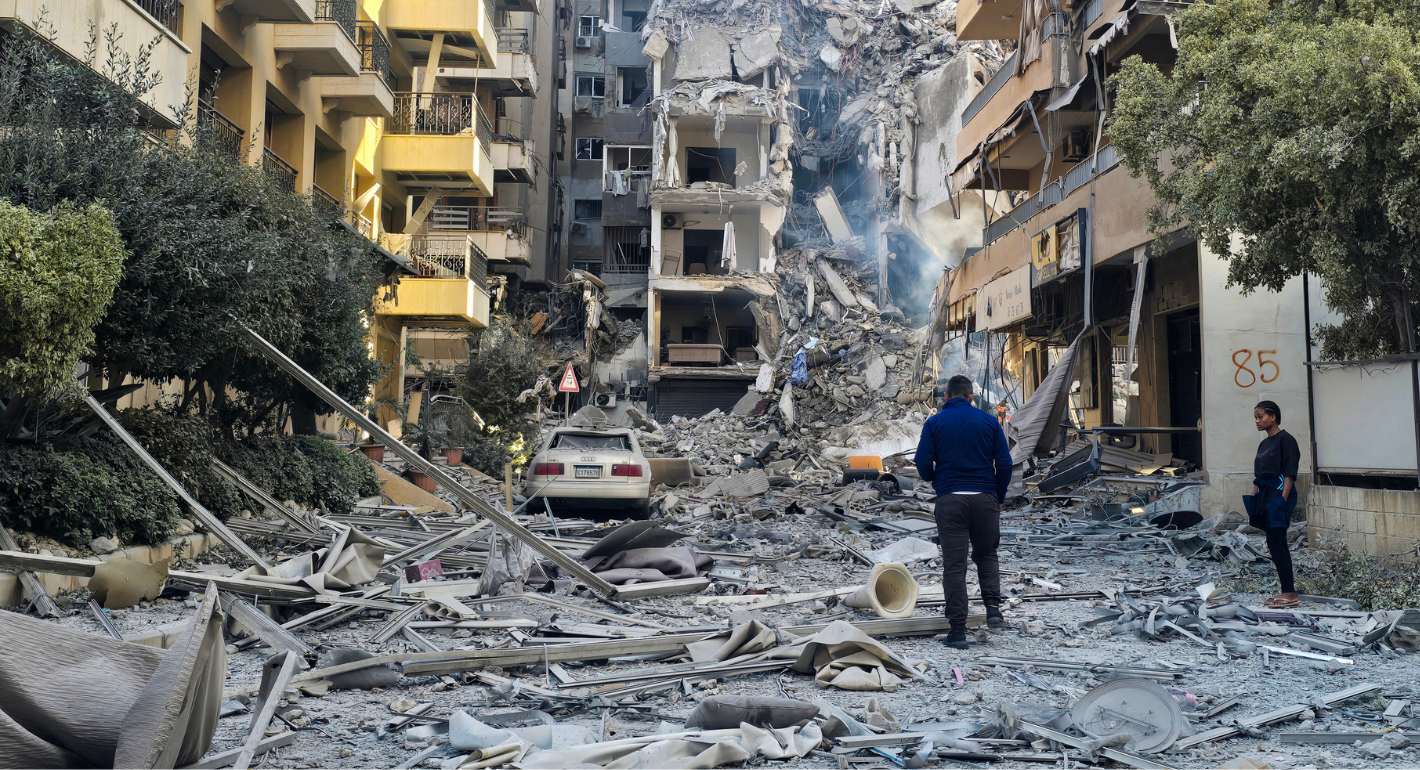
Europe seems to have accepted its sidelining in the Middle East. The EU must reassert its support for the international rules-based order and step up engagement.

Rym Momtaz

Amid uncertainty caused by the Iran war, the global drive for nonproliferation has stalled. With Europe diplomatically marginalized and countries reassessing their nuclear options, efforts to curb the spread of nuclear weapons risk becoming irrelevant.

Jane Darby Menton
Between the United States’ market-driven approach and China's state-led industrial strategy, Europe is reckoning with how it can remain competitive in the global economy. But is Europe in danger of becoming a U.S. or China colony?

Noah Barkin, Anu Bradford
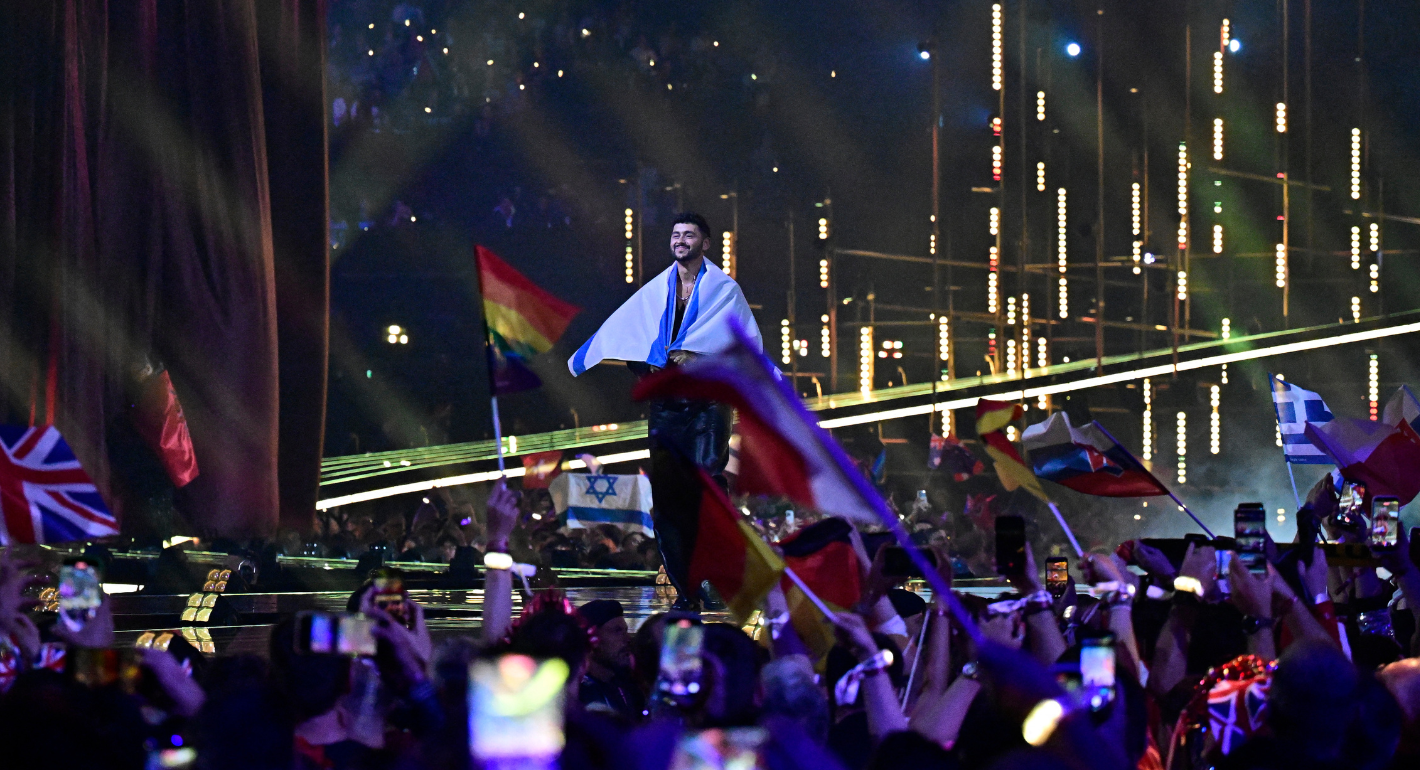
Five countries staged the biggest political boycott in Eurovision history over Israel’s participation. With the FIFA World Cup and other sporting or cultural touchstones on the horizon, are boycotts effective?
Rym Momtaz, ed.
The full list of humiliations Europe has endured since Donald Trump returned to the White House makes for grim reading. But Washington’s adversarial approach to its allies undermines its own power base.
Rym Momtaz