

Commentary
Trump is distracted and Ukraine wants Europe to step up. The continent’s leaders must find their voice and assert it in talks with Russia.
Alissa de Carbonnel
{
  "authors": [
    "Darshana M. Baruah",
    "C. Raja Mohan"
  ],
  "type": "other",
  "centerAffiliationAll": "",
  "centers": [
    "Carnegie Endowment for International Peace",
    "Carnegie India"
  ],
  "collections": [],
  "englishNewsletterAll": "",
  "nonEnglishNewsletterAll": "",
  "primaryCenter": "Carnegie India",
  "programAffiliation": "",
  "programs": [],
  "projects": [
    "Security Studies"
  ],
  "regions": [
    "South Asia",
    "India",
    "Indo-Pacific",
    "China"
  ],
  "topics": [
    "Foreign Policy"
  ]
}
Source: Getty
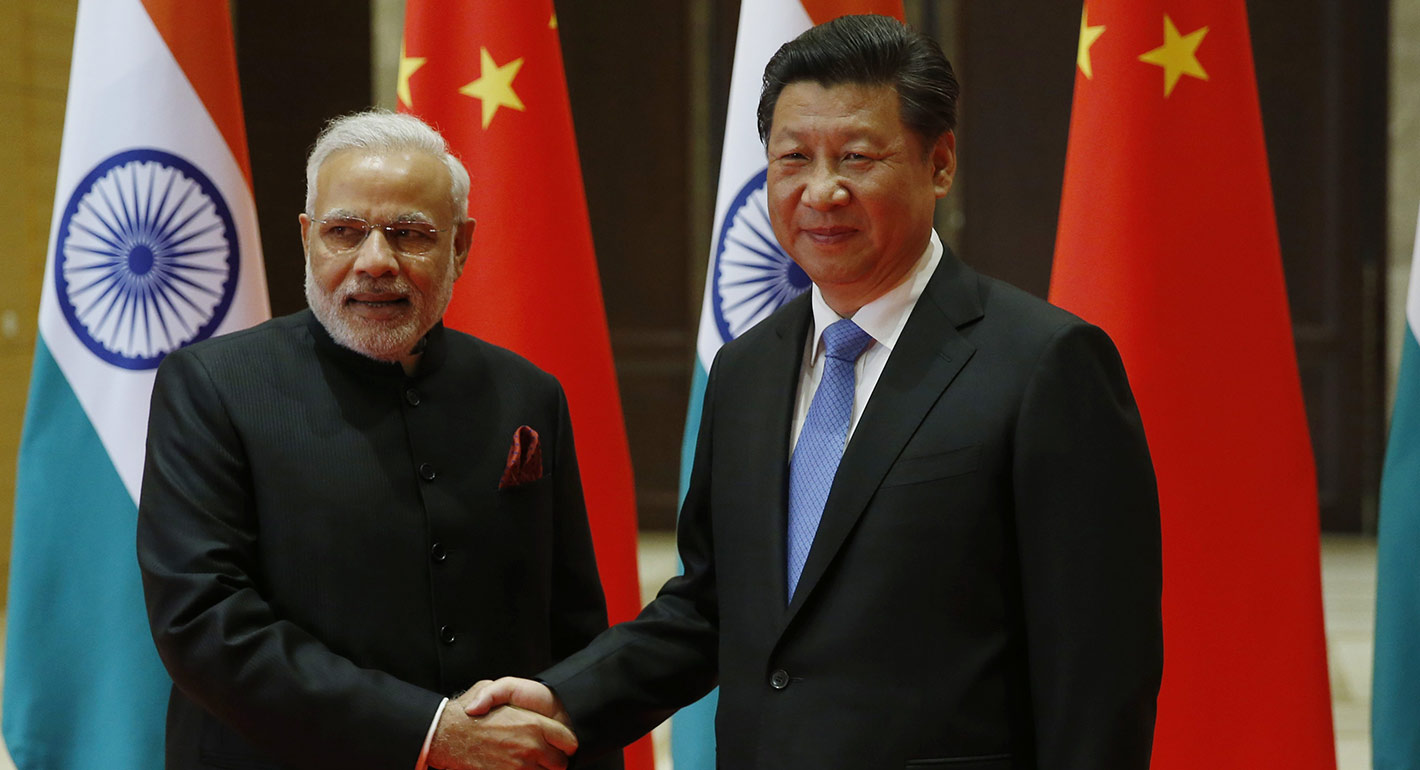
As President Xi Jinping presses ahead with his ambitious Belt and Road Initiative, New Delhi finds itself torn between the inviting prospects of modernizing India’s regional connectivity and the perceived negative political consequences of the initiative.
Source: Palgrave Macmillan
As President Xi Jinping presses ahead with his ambitious Belt and Road Initiative (BR), Delhi finds itself torn between the inviting prospects of modernizing India’s regional connectivity and the perceived negative political consequences of the initiative. Xi’s BR has come as a difficult moment in India’s relations with China. The effort to normalize bilateral relations that began in the late 1980s had lost momentum by the late 2000s amid renewed tensions on the border, deepening trade disputes, and friction arising from their expanding but overlapping regional and international footprints. Beijing’s connectivity initiatives have only sharpened the unfolding security dilemma between Asia’s rising giants.1
Beijing is surprised by Delhi’s opposition—to BR projects in the South Asia/Indian Ocean region. In turn, Delhi views the initiative as undermining India’s regional security interests. While India was initially considering the benefits of the BRI, by mid 2017, Delhi’s opposition and concerns grew louder. The Ministry of External Affairs issued a statement highlighting Delhi’s concerns regarding the BRI. The concerns primarily were the need to “recognize international norms, good governance, rule of law, openness, transparency and equality…principles of financial responsibility to avoid… unsuitable debt burden [and] respects sovereignty and territorial integrity.”2
Long before Xi’s BR, India had to cope with China’s transborder infrastructure projects for more than half a century. Back in the early 1960s, India reacted quite strongly to Beijing’s construction of a friendship highway to Nepal. In the 1970s, it objected to China’s construction of the Karakoram Highway between Xinjiang and Pakistan. In the 1980s, it raised the red flag reports that China was developing the Cocos Islands of Myanmar for military purposes. China’s “Go West”strategy of the 2000s vastly expanded the scale of the challenge, as China built the Tibet Highway and pushed it to the Nepal border, modernized the Karakoram Highway; unveiled plans for the development of infrastructure between Yunnan and the Bay of Bengal through Myanmar; and began to develop new ports at Gwadar (Pakistran), Hambantota (Sri Lanka), and Kyaukphyu (Myanmar). If Delhi was anxious about these initiatives into its neighborhood, Beijing was irritated with India’s claims about an exclusive sphere of influence in the Subcontinent and the Indian Ocean, and asserted its right to unhindered economic and political engagement with Delhi’s neighbors.3
This book chapter was originally published by Palgrave Macmillan.
1See C. Raja Mohan, Samudra Manthan: Sino-Indian Rivalry in the Indo-Pacific, (New Delhi: Oxford University Press, 2013).
2Official Spokesperson’s response to a query on participation of India in OBOR/BRI Forum, The Ministry of External Affairs, May 13, 2017.
3For a description of the origins of this regional dynamic between India and China, see John Garver, Protracted Contest: Sino-Indian Rivalry in the 20th Century (New Delhi: Oxford University Press, 2002), 12-15.

Former Nonresident Scholar, South Asia Program
Darshana M. Baruah was a nonresident scholar with the South Asia Program at the Carnegie Endowment for International Peace where she directs the Indian Ocean Initiative.
Former Nonresident Senior Fellow, Carnegie India
A leading analyst of India’s foreign policy, Mohan is also an expert on South Asian security, great-power relations in Asia, and arms control.
Carnegie does not take institutional positions on public policy issues; the views represented herein are those of the author(s) and do not necessarily reflect the views of Carnegie, its staff, or its trustees.

Trump is distracted and Ukraine wants Europe to step up. The continent’s leaders must find their voice and assert it in talks with Russia.

Alissa de Carbonnel

Mounting economic strain and battlefield losses will not necessarily make the Kremlin less dangerous. They could instead push Moscow toward a more aggressive hybrid campaign designed to test NATO’s Eastern flank, exploit allied hesitation, and fracture European resolve.

Maksym Beznosiuk

Over the past ten years, NATO has held almost as many summits as it did during the entirety of the Cold War. Are they still useful, or is it time to stop holding annual meetings?

Rym Momtaz, ed.
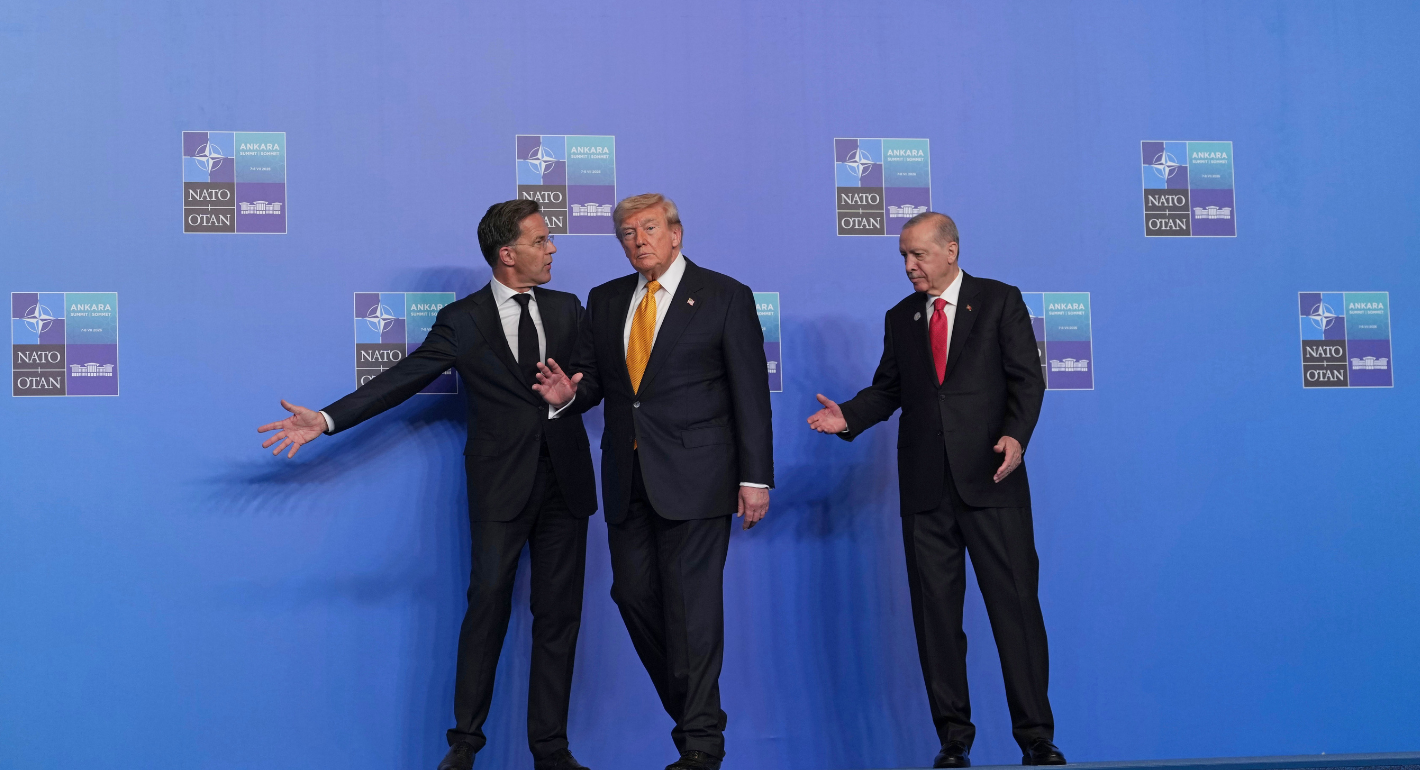
Nearly a year and a half after Europeans leaned into sucking up to Trump, the strategy has produced some benefits when it comes to Ukraine.
Rym Momtaz
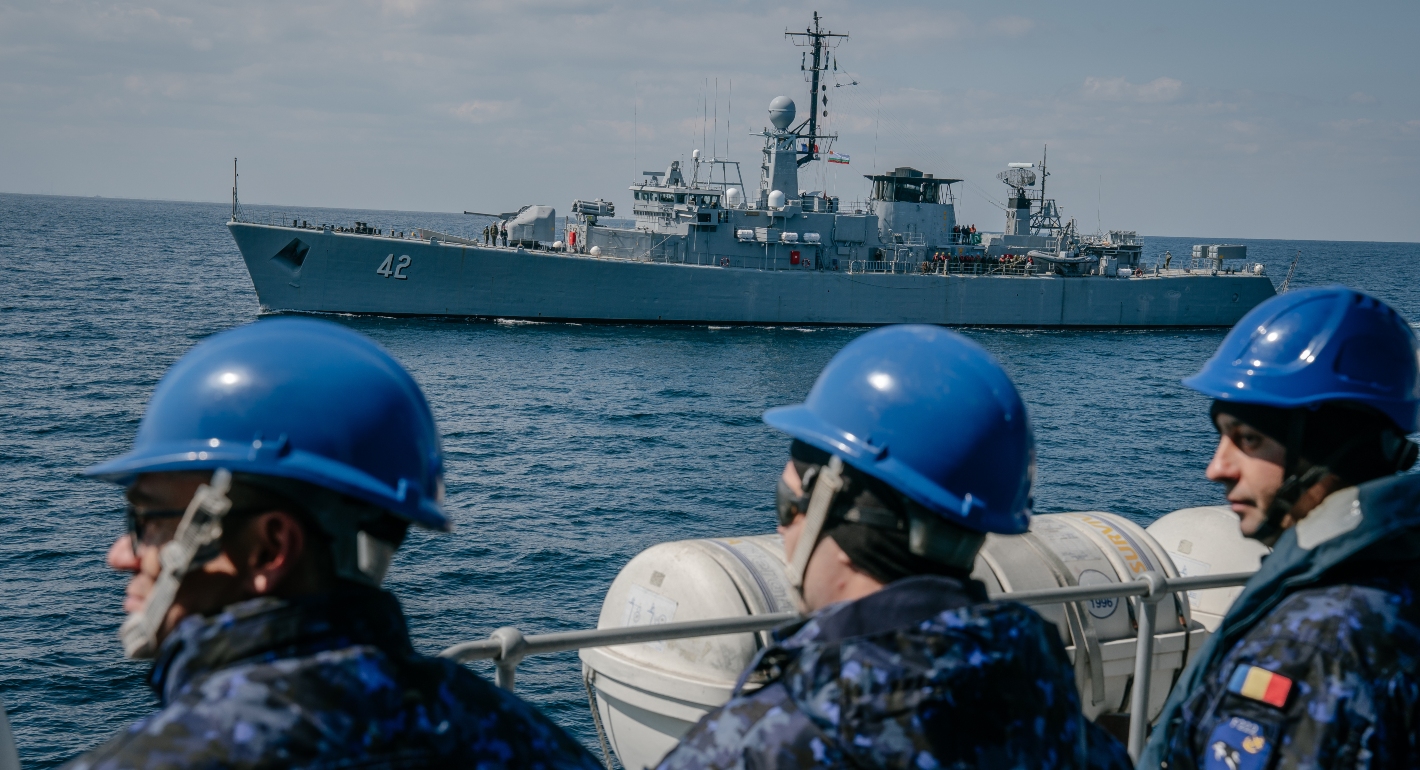
As Russia's war on Ukraine drags on, NATO is expanding its footprint in the Black Sea. Turkey, Romania, and Bulgaria are upgrading their fleets and deepening trilateral cooperation.

Dimitar Bechev