

Article
C. Raja Mohan, Darshana M. Baruah
{
  "authors": [
    "C. Raja Mohan"
  ],
  "type": "other",
  "centerAffiliationAll": "",
  "centers": [
    "Carnegie Endowment for International Peace",
    "Carnegie India"
  ],
  "collections": [],
  "englishNewsletterAll": "",
  "nonEnglishNewsletterAll": "",
  "primaryCenter": "Carnegie India",
  "programAffiliation": "",
  "programs": [],
  "projects": [],
  "regions": [
    "United States",
    "Asia",
    "South Asia",
    "India",
    "North America",
    "East Asia",
    "Southeast Asia"
  ],
  "topics": [
    "Foreign Policy"
  ]
}
Source: Getty
The durability of the Indo-Pacific dynamic will depend essentially on New Delhi’s willingness to work with the United States and its allies in the region.
Source: Institute of South Asian Studies
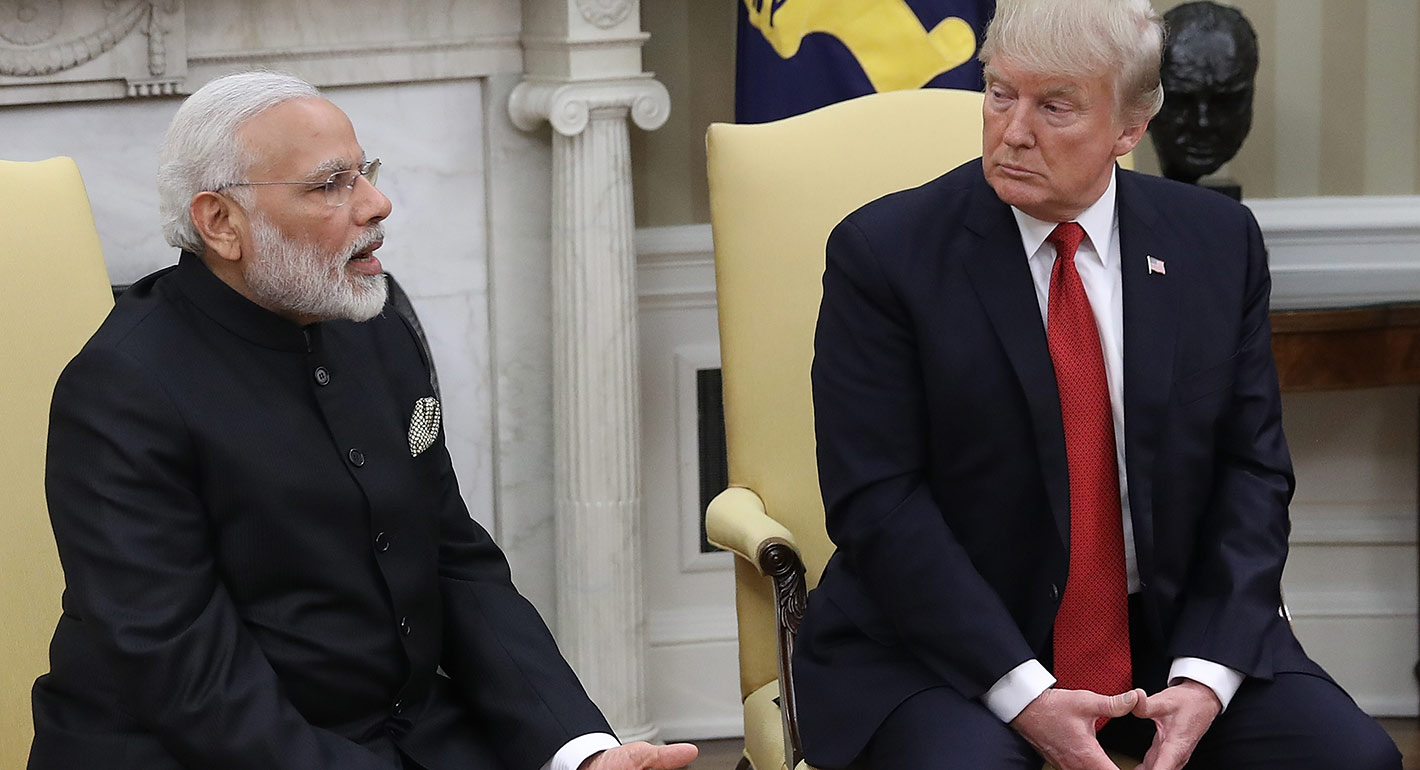
One of the new dynamics of the gathering geopolitical turbulence in Asia and its waters is the growing use of the term ‘Indo-Pacific’. During his extended visit to Asia in November 2017, United States (US) President Donald Trump has defined the region as ‘Indo-Pacific’ rather than the customary ‘Asia-Pacific’. Concepts of geopolitical space are never static, and Trump’s emphasis on the Indo-Pacific underlines the rise of India, China’s assertiveness and its expanding footprint in the Indian Ocean, as well as Washington’s plans to elevate its strategic partnership with New Delhi. It involves America’s strategic bet on India’s future role in shaping the security architecture in the eastern hemisphere. Actively promoted in recent years by Japanese Prime Minister Shinzo Abe, the Indo-Pacific conception can be traced back to the decision of the Association of Southeast Asian Nations to invite India as a founding member of the East Asia Summit in 2005. The durability of the Indo-Pacific dynamic, however, will depend essentially on New Delhi’s willingness to work with the US and its allies in the region.
Former Nonresident Senior Fellow, Carnegie India
A leading analyst of India’s foreign policy, Mohan is also an expert on South Asian security, great-power relations in Asia, and arms control.
Recent Work

C. Raja Mohan, Darshana M. Baruah


Alexander Gabuev, Paul Haenle, C. Raja Mohan, …
Carnegie does not take institutional positions on public policy issues; the views represented herein are those of the author(s) and do not necessarily reflect the views of Carnegie, its staff, or its trustees.
The full list of humiliations Europe has endured since Donald Trump returned to the White House makes for grim reading. But Washington’s adversarial approach to its allies undermines its own power base.

Rym Momtaz
The closure of the Strait of Hormuz has triggered a global energy crisis, but Europe is stuck in reaction mode. Without more strategic foresight, the EU will remain dependent on fossil fuels and will never be truly secure.


Milo McBride, Pauline Gerard
Debate is heating up on how Turkey could be integrated into a common European defense framework. Commercial and industrial deals offer a better chance at alignment than sweeping political efforts.

Marc Pierini
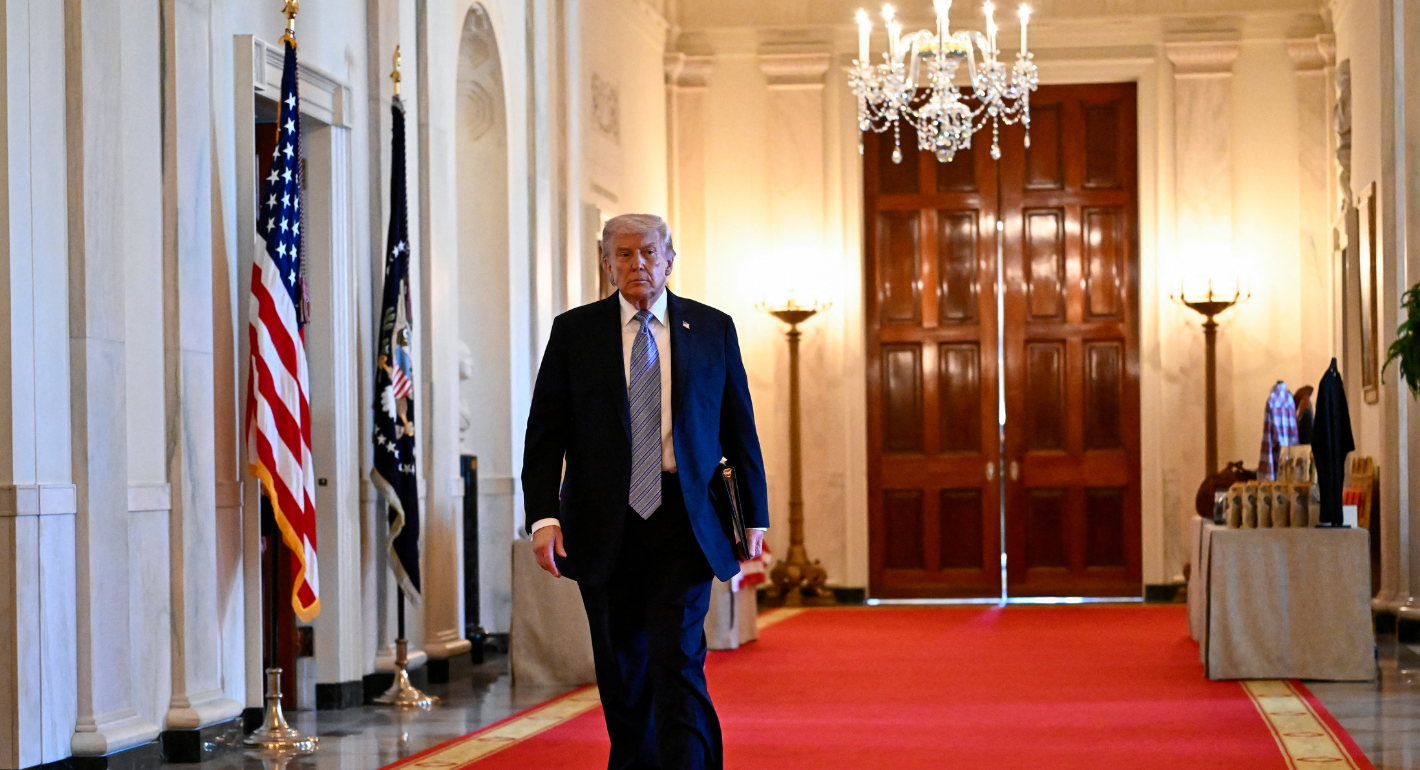
After spending much of 2025 trying to placate Donald Trump, some European leaders are starting to change posture. But is even a hostile Washington still so important to Europe that the U.S. president’s outbursts are worth putting up with?
Rym Momtaz, ed.
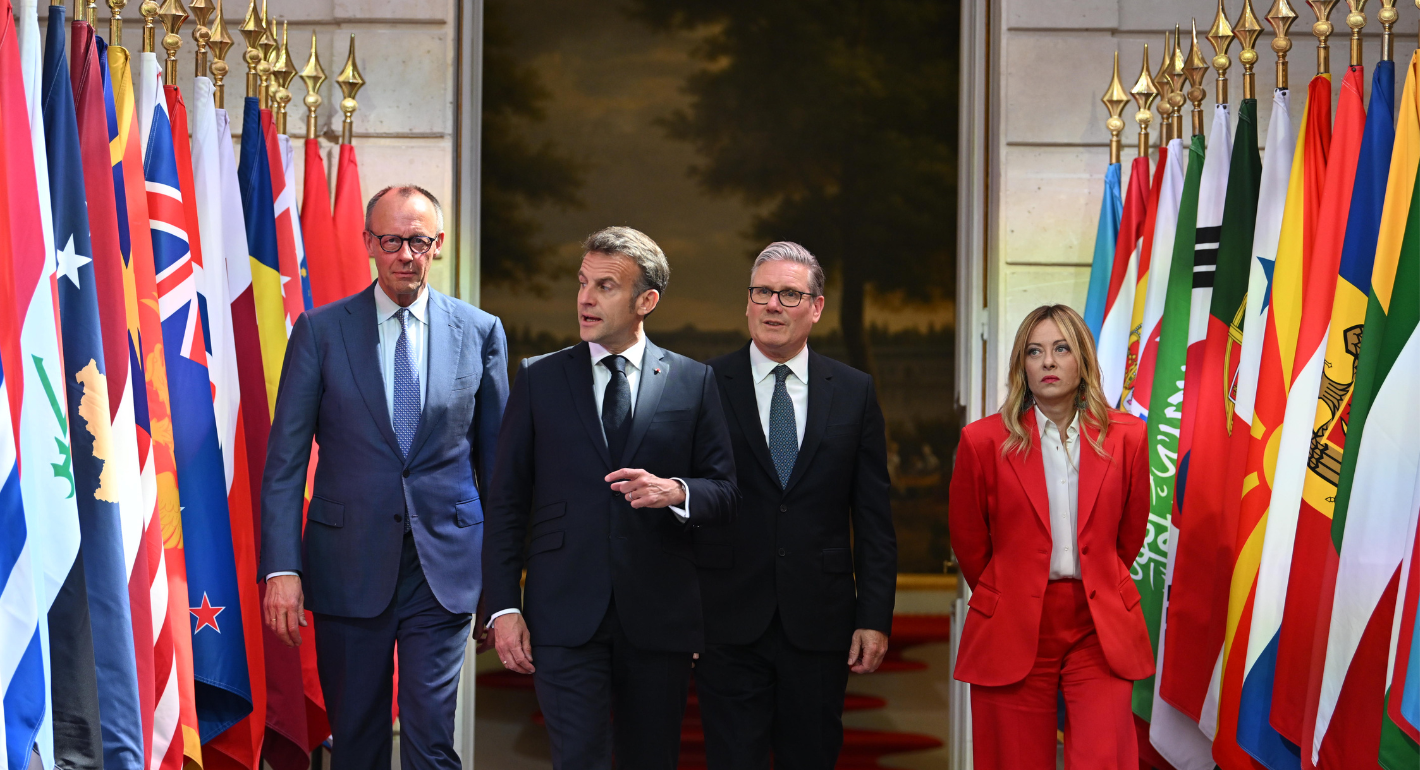
European leaders have now not only lost faith in Donald Trump’s U.S. presidency, but also in America’s hegemony as a whole. But short-term challenges make an immediate divorce unwise.
Rym Momtaz