

Article
Carole Nakhle
{
  "authors": [
    "Carole Nakhle"
  ],
  "type": "legacyinthemedia",
  "centerAffiliationAll": "dc",
  "centers": [
    "Carnegie Endowment for International Peace",
    "Malcolm H. Kerr Carnegie Middle East Center"
  ],
  "collections": [],
  "englishNewsletterAll": "menaTransitions",
  "nonEnglishNewsletterAll": "",
  "primaryCenter": "Malcolm H. Kerr Carnegie Middle East Center",
  "programAffiliation": "MEP",
  "programs": [
    "Middle East"
  ],
  "projects": [
    "Carnegie Oil Initiative"
  ],
  "regions": [
    "Gulf",
    "Middle East"
  ],
  "topics": [
    "Economy",
    "Climate Change"
  ]
}
Source: Getty
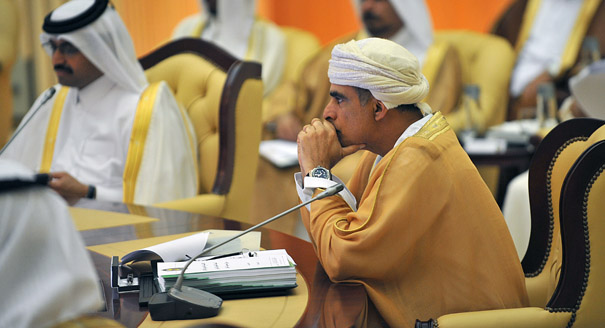
Oman recently became the first Middle Eastern country to join the very small club of unconventional oil and gas producers, currently led by the United States.
Source: Geopolitical Intelligence Services
In the global landscape of oil and gas markets, the Sultanate of Oman is dwarfed by its Middle Eastern neighbors. This is hardly surprising given that its proven oil and gas reserves are a tiny fraction of those of its peers. With a long-standing investment-friendly policy, however, the sultanate has been successful in deploying the latest technology not only to reverse its oil production decline, but also to reach record levels and tap unconventional resources trapped in some of the most complex and deepest geological formations known in the industry.
Oman has been a global leader in the application of Enhanced Oil Recovery, or EOR (also called tertiary recovery) technology. One of Petroleum Development Oman’s oil fields, the Qarn Alam, is the world’s first full-field steam injection EOR project and also the largest of its kind.Oman recently became the first Middle Eastern country to join the very small club of unconventional oil and gas producers, currently led by the United States. In September 2017, production started at its $16 billion Khazzan tight gas field, the largest-scale unconventional gas project in the Middle East.
The full article, originally published by Geopolitical Intelligence Services, is available here.
Former Nonresident Scholar, Middle East Center
Nakhle was a nonresident scholar at Carnegie Middle East Center, specializing in international petroleum contracts and fiscal regimes for the oil and gas industry, world oil and gas market developments, energy policy, and oil and gas revenue management.
Recent Work
Carole Nakhle
Carole Nakhle
Carnegie does not take institutional positions on public policy issues; the views represented herein are those of the author(s) and do not necessarily reflect the views of Carnegie, its staff, or its trustees.

A summer of escalation in the Black Sea has hurt Ukraine economically and is exacerbating world food security. A truce is needed—as is a broader reframing of Europe’s Ukraine strategy.

Thomas de Waal
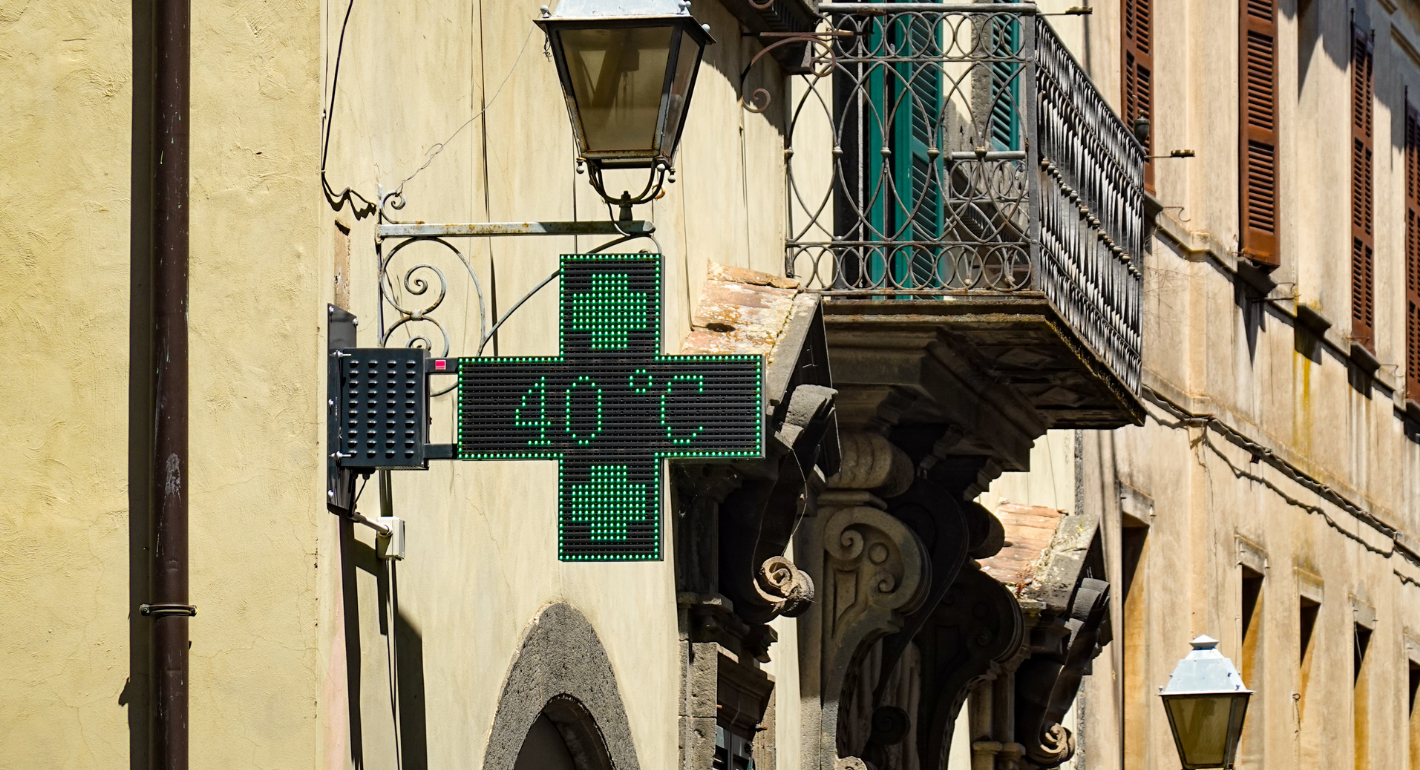
Western Europe’s dual-use infrastructure melted down during its latest heat wave. If a predicted hot weather event can take the continent by surprise, what chance does it have to withstand unexpected geopolitical crises?

Rym Momtaz
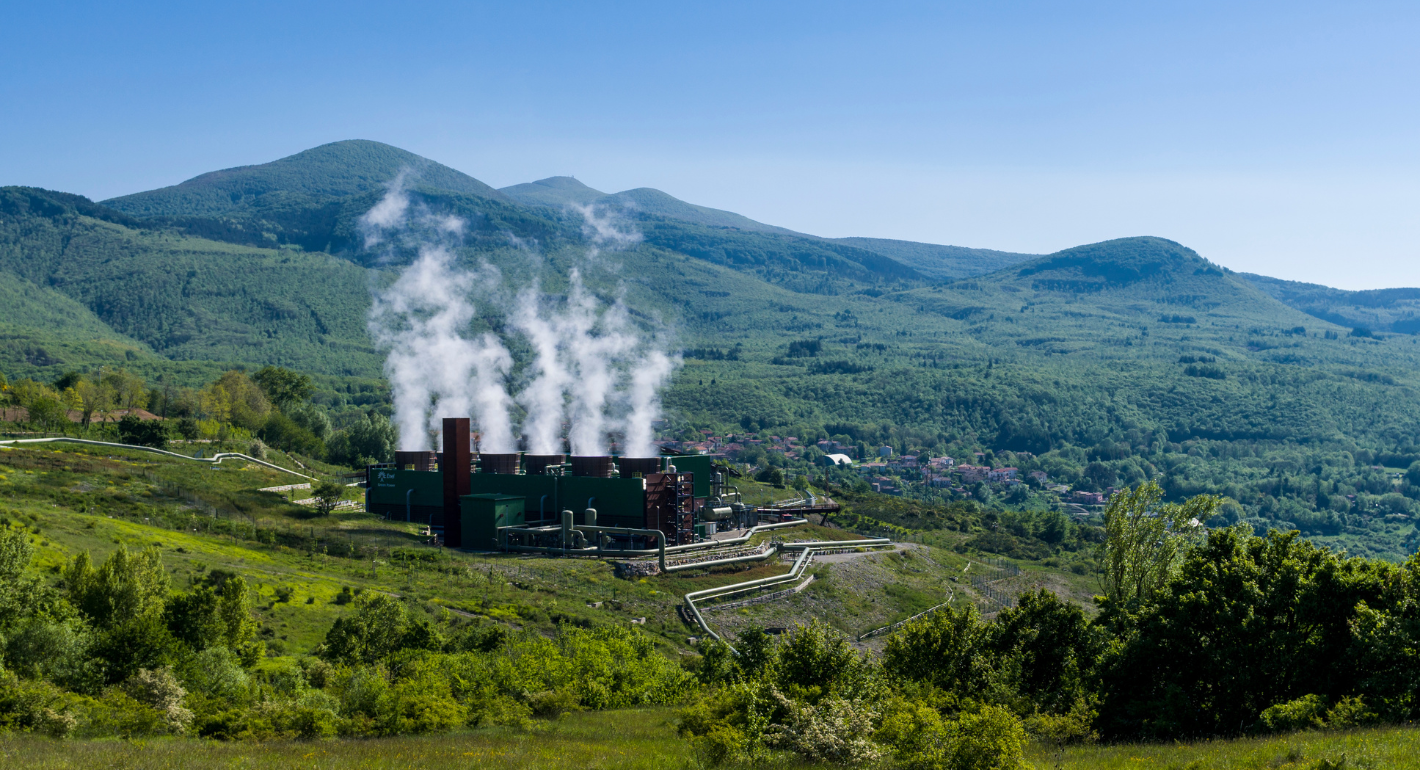
Europe’s industrial supply chains leave it vulnerable to global shocks. The EU needs a pragmatic green industrial strategy that balances durable partnerships and bolsters homegrown clean tech without sacrificing low-carbon ambition.

Milo McBride, Pauline Gerard
When the U.S.-Iran memorandum of understanding was announced, the UK, France, Germany, and Italy declared their readiness to help demine the Strait of Hormuz and lift nuclear sanctions on Tehran. But does Europe need new tools to recover a diplomatic role?
Rym Momtaz, ed.

As geopolitical rivalry weaponizes global supply chains, the EU’s true vulnerability lies in emerging-risk imports. For these goods, suppliers are growing more concentrated, substitution more difficult, and political risk is looming.

Sinan Ülgen