

Commentary
Maha Yahya
{
  "authors": [
    "Maha Yahya"
  ],
  "type": "legacyinthemedia",
  "centerAffiliationAll": "dc",
  "centers": [
    "Carnegie Endowment for International Peace",
    "Malcolm H. Kerr Carnegie Middle East Center"
  ],
  "collections": [
    "Conflict and Refugees"
  ],
  "englishNewsletterAll": "menaTransitions",
  "nonEnglishNewsletterAll": "",
  "primaryCenter": "Malcolm H. Kerr Carnegie Middle East Center",
  "programAffiliation": "MEP",
  "programs": [
    "Middle East"
  ],
  "projects": [],
  "regions": [
    "Levant",
    "Lebanon",
    "Syria",
    "Jordan",
    "Middle East"
  ],
  "topics": [
    "Political Reform"
  ]
}
Source: Getty
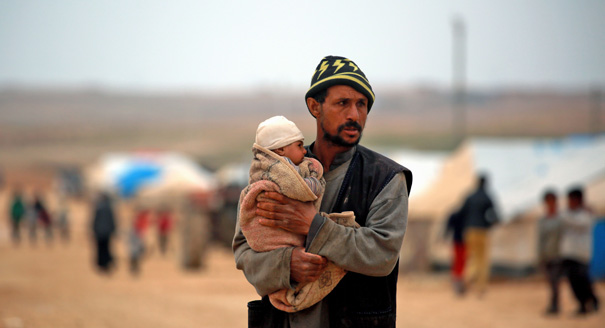
Following the end of the fighting in Syria, displaced refugees will require four things before they return home.
Source: BBC
It is clear that Syria's refugees fled their homeland to escape its devastating war. But other than an end to the fighting, what would make them want to return home?
More than five million Syrians have left their country since the war started in 2011.
Most are now in neighbouring countries, with about 3.5 million in Turkey and one million in Lebanon. More than half a million travelled to Germany, with smaller numbers in other European nations.To find out what changes they hope for, the Carnegie Middle East Center held a series of meetings involving about 320 refugees in Lebanon and Jordan.
Here are four things they told us they would like to see.
Many of the refugees we spoke to were not enthusiastic about permanently resettling abroad.
They spoke of fears about cultural change and discrimination against their children.
But they were also deeply concerned about the dangers their children could face if they go back to Syria.
A recent report published by the Lancet suggested that one in four civilian deaths in 2016 was of a child and that about 14,000 had been killed since the war started.
Most of the parents we spoke to characterised Syria as a place of uncertainty and danger. Their wartime experience has left them cautious about doing anything to jeopardise their children's future.
One mother, Aisha from Homs, asked us: "Would anyone walk toward death on their feet?"
There was great fear of Syrian President Bashar al-Assad. Many of those we spoke to felt the safety needed to raise children would not be possible under his regime, and while armed groups remained in the country.
The younger the refugee we spoke to, the less they wanted to return to Syria.
Hassan, an unregistered young refugee living in Beirut, put it: "Today, everyone who leaves Syria is considered a traitor."
Like many others, he fears being accused of deserting his country and the possibility of reprisals.
Young men in particular are concerned that they will be targeted by forced conscription into the army.
Several recounted stories of young men who had returned to Syria only to get drafted and die at the front.
Military service is compulsory for men from the age of 18. New laws have made it harder to avoid conscription, by reducing exemptions and imposing onerous fines for those who refuse to join up.
Many young men spoke of their patriotism, the need to carry out civic duties and their respect for the army.
However, a common sentiment was: "It is important to serve the country, but I did not want to kill my brethren or serve the regime."
Among those who do hope to return to Syria - despite the dangers and economic problems - most have nowhere to stay.
The widespread destruction of Syria's towns and cities by the Syrian military, the Islamic State group and international forces have left entire neighbourhoods in ruins.
The World Bank estimates that 30% of Syrian homes have been completely destroyed, or damaged.
Many undamaged properties are occupied by regime-affiliated forces, pro-Iran militias or other Syrians displaced within the country.
Lamia, from a rural area close to Damascus, told us: "They tell me that whichever house has an absentee owner is immediately occupied by the army, even if there is a tenant... They take the lease, throw the tenant out, and take the house."
Many homes and buildings in Syria were built without permits, and most of the people we spoke to left without any documentation proving their ownership.
Those returning home have little legal recourse to reclaim their properties - a task made worse by the destruction of those records which did exist.
Of the refugees we spoke to, eight out of 10 fled Syria following an incident that made them fear for their safety.
Many described arbitrary arrests by Syrian forces, the death of family or friends and the deteriorating security conditions in their neighbourhoods.
Tareq, a young refugee from Homs, told us he had no trust in the idea that Syria is safe to return to and of his fears about the actions of Syrian military officers.
"I used to work as an undertaker in Syria. My job was to bury the martyrs," he said.
"When I saw what they had done to them, how they were cut up with knives - no way, there is no trust. Even if they secure everything we need, there is no trust."
The overwhelming majority of those we spoke to saw their best chance of returning to a country where more than 350,000 people have been killed and 5.6m have become refugees, as the removal of President Assad.
Even if jobs and services were available, few believed the security and stability they want would exist if he remained in power.
Kholoud, a refugee from rural Damascus summed up her feelings: "If Bashar al-Assad is removed and there is security in Syria, even if there is no food or drink, we would get flour and make it with our hands."
Many also expressed concern over the presence of various armed foreign groups in the country and the general lawlessness that they represent.
The majority of Syrians we spoke to also rejected the idea of a fragmented Syria, broken into parts controlled by different forces. A unified nation was seen as overwhelmingly important.
Many also spoke of a Syria that strived for new values, including freedom, equality, and justice, in a country that is democratically governed under the rule of law.
The displaced Syrians wanted their concerns to be heard.
As one young refugee said: "We want a solution that will give us back our dignity - no more, no less."
The names in this piece have been changed to protect the identity of the refugees.

Director, Malcolm H. Kerr Carnegie Middle East Center
Maha Yahya is director of the Malcolm H. Kerr Carnegie Middle East Center, where her research focuses on citizenship, pluralism, and social justice in the aftermath of the Arab uprisings.
Recent Work
Maha Yahya
Maha Yahya
Carnegie does not take institutional positions on public policy issues; the views represented herein are those of the author(s) and do not necessarily reflect the views of Carnegie, its staff, or its trustees.

As the EU confronts profound challenges, several leaders have called for fundamental reform to the union’s model—but only modest, superficial changes have resulted. What if Europe really could be reimagined from zero today: What should such a redesigned European order look like?

Richard Youngs, ed.

The EU’s new migration policy is not suited to today’s realities. With climate change increasingly becoming a driver of displacement, Europe needs to rethink its deterrence-focused approach.

Shana Tabak
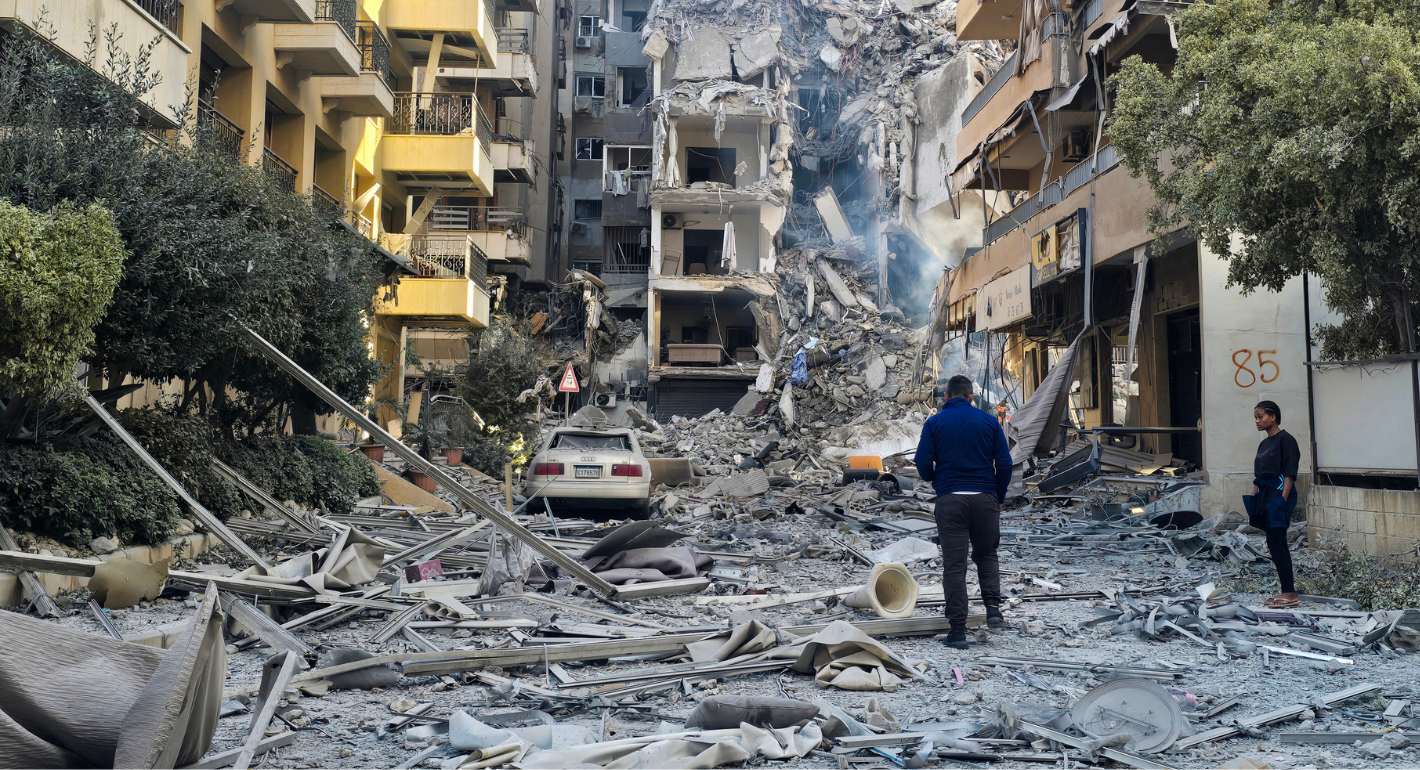
Europe seems to have accepted its sidelining in the Middle East. The EU must reassert its support for the international rules-based order and step up engagement.

Rym Momtaz
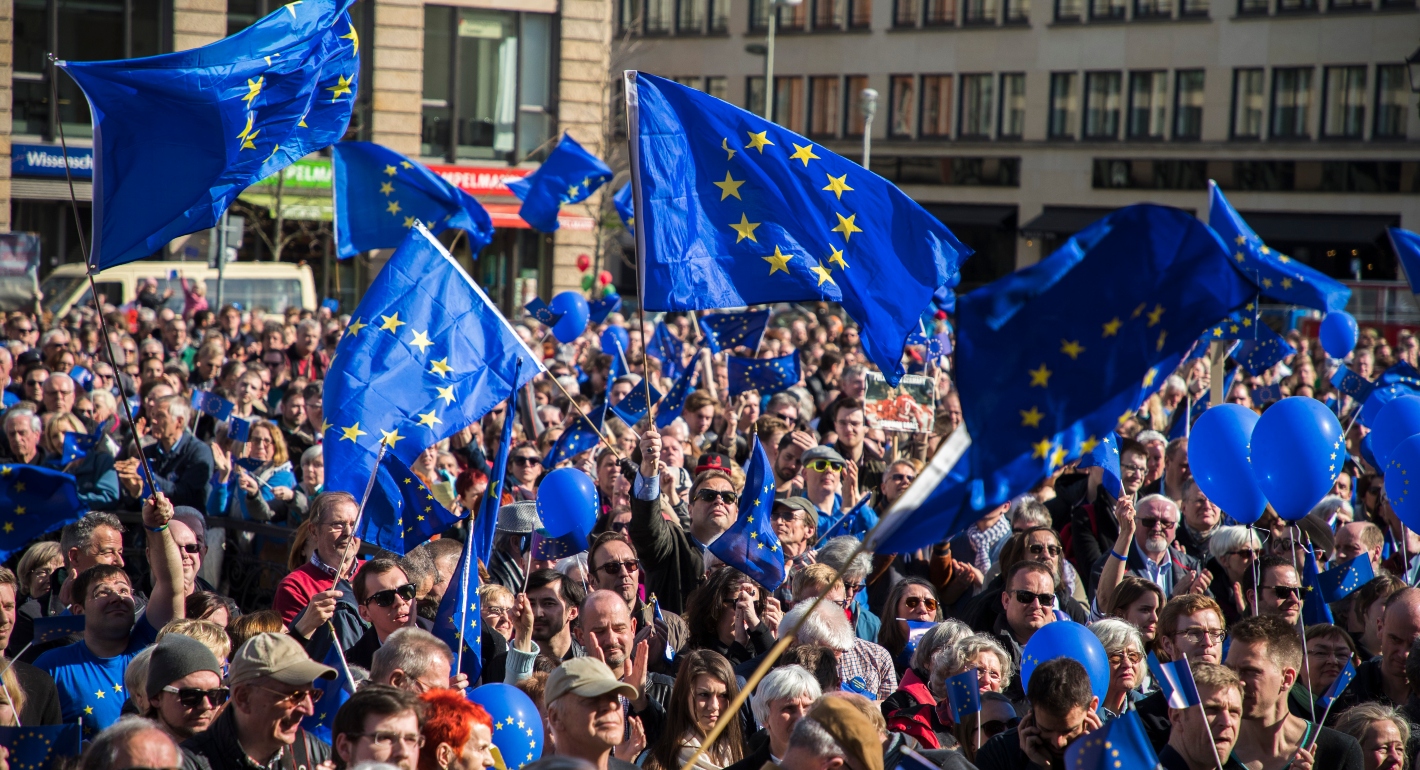
Preparing candidate countries for EU membership is no longer enough. As the enlargement process becomes a reality, the union must also prepare its own societies.

Iliriana Gjoni
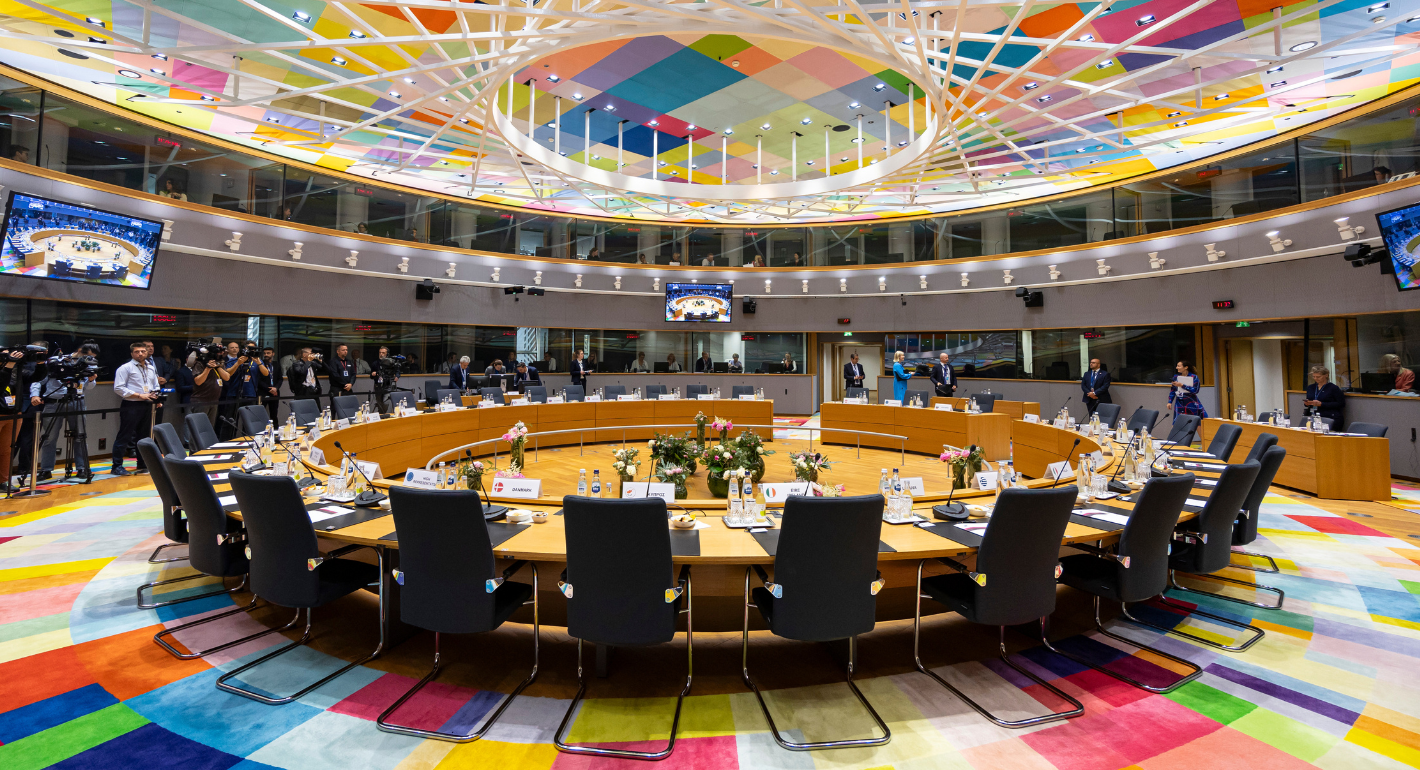
Countries face several hurdles in joining the EU, including the final stage of ratifying their accession treaties. Procedural reforms and substantive adjustments could help move the process forward.

Stefan Lehne