

Commentary
The EU is putting together a new security strategy to meet today’s myriad challenges. But for any proposal to be effective, the union needs to grapple with its identity and ambitions.
Pierre Vimont
{
  "authors": [
    "Vipin Narang",
    "Ankit Panda"
  ],
  "type": "legacyinthemedia",
  "centerAffiliationAll": "dc",
  "centers": [
    "Carnegie Endowment for International Peace"
  ],
  "collections": [
    "U.S. Nuclear Policy",
    "Korean Peninsula"
  ],
  "englishNewsletterAll": "ctw",
  "nonEnglishNewsletterAll": "",
  "primaryCenter": "Carnegie Endowment for International Peace",
  "programAffiliation": "NPP",
  "programs": [
    "Nuclear Policy"
  ],
  "projects": [],
  "regions": [
    "North America",
    "United States",
    "East Asia",
    "North Korea"
  ],
  "topics": [
    "Security",
    "Foreign Policy",
    "Nuclear Policy"
  ]
}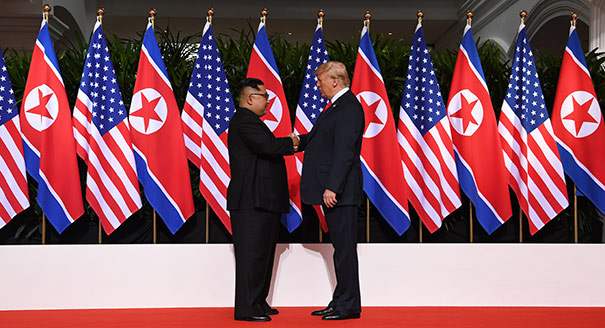
Source: Getty
President Trump went to the meeting with Kim Jong-un to try and take the keys to his nuclear kingdom. But Kim Jong-Un is not surrendering North Korea's nuclear weapons and has walked away the winner.
Source: New York Times
North Korea has arrived as a nuclear power, and there is no going back. Once the reality-show theatrics of the Singapore summit meeting subside, we are left with the reality that North Korea was just recognized as a de facto nuclear weapons power.
President Trump went to the meeting with Kim Jong-un of North Korea to try to take the keys to Mr. Kim’s nuclear kingdom. Whatever the terms of the statement released at the end of the meeting, Mr. Kim has not committed to anything concrete. He is not surrendering North Korea’s nuclear weapons and has walked away the big winner.
North Korea declared its nuclear weapons force technologically complete at the end of 2017, with its third successful test of an intercontinental ballistic missile. Now, less than a year later, North Korea’s nuclear power is politically complete, thanks to the legitimacy that comes from a handshake with an American president. Mr. Kim did what neither his father nor grandfather could do before him: sit down and negotiate with a president of the United States. The Singapore summit meeting looks indistinguishable from a meeting between the leaders of two states with normal diplomatic relations. But this is far from where Washington and Pyongyang have ever stood. It was Mr. Kim’s development of nuclear weapons — and the credible means to deliver them to America — that made the meeting possible.
Didn’t he just agree to “work towards complete denuclearization of the Korean Peninsula”? He did. Just like his grandfather’s deputies did in 1993. That phrase — “denuclearization of the Korean Peninsula” — is a term of art that the United States and North Korea can interpret to suit their interests.
Mr. Trump can walk away claiming that the phrase encompasses unilateral “complete, verifiable, irreversible dismantlement,” or disarmament of North Korea’s nuclear arsenal. North Korea can interpret the phrase to mean a termination of the American security guarantee and nuclear umbrella to South Korea, or more literally, as universal disarmament by all nuclear countries. And the phrase commits North Korea to no concrete action — especially since it pledged only to “work towards” it. The canyon separating these two ideas of “denuclearization” is wide enough to park all of North Korea’s ICBMs. This works to Mr. Kim’s advantage.
And presumably, as long as he freezes any further long-range-missile and nuclear testing, Mr. Kim will get at least a short-term freeze on American and South Korean military exercises. That is an objective he has long sought. He views them as provocative, a sign that his enemies are training to overthrow the regime. To his domestic audience, Mr. Kim can now present the end of this provocation as a signal of North Korea’s sovereignty and security.
Mr. Kim also leaves Singapore having snuffed out the Trump administration’s maximum pressure campaign, a diplomatic initiative that began last spring to expand the multilateral sanctions on Pyongyang. While China did not officially join the campaign, it did severely curtail oil exports to North Korea, a move that Mr. Trump praised on Twitter. Mr. Kim visited Beijing after that, and then publicly acknowledged that he would attend the summit meeting with Mr. Trump. He not only went; he did so with the air of a reasonable and responsible leader, especially after Mr. Trump’s May 24 decision to abruptly cancel the meeting.
Having apparently helped get North Korea to the table, it is unlikely that China will ever again agree to a maximum pressure campaign. Tightening sanctions would only destabilize North Korea, and China fears a desperate and broken North Korea on its border more than it fears a nuclear North Korea. Even if sanctions by the United States and the United Nations Security Council remain in place, without additional Chinese implementation, North Korea will find itself enjoying considerable breathing space.
American allies in the region are not so sanguine. President Moon Jae-in of South Korea was taken by surprise by the sudden announcement of an end to joint military exercises. But it is Prime Minister Shinzo Abe of Japan who is perhaps most terrified, because United States-Japan exercises may be the next to go. Mr. Trump has chafed at the cost of America’s deployment in East Asia, and Mr. Kim led him right where he wanted to go. The only thing that may actually be dismantled is the architecture of America’s longstanding military alliance with Japan and South Korea.
That serves broader Chinese strategic interests in the region. With the United States pulling back from its alliances, China moves closer to being the dominant power in northeast Asia.
The small but significant silver lining is that the United States and North Korea are no longer trading threats of pre-emptive strikes and nuclear war. Mr. Trump’s top-down negotiations could lead to a stable deterrence relationship between the two countries. But they remain separated by divergent interests and mutual distrust.
The Singapore summit meeting also generates significant risks outside of the relationship between the United States and North Korea. Mr. Kim showed the world that it is possible to leave the Treaty on the Non-Proliferation of Nuclear Weapons, develop nuclear weapons and win a summit meeting with the president of the United States. The lesson for states like Iran is simple: Acquire a thermonuclear ICBM that can threaten America and you too can have your Singapore declaration — a fast track to nuclear status.
This summit meeting — unlike previous moments in United States-North Korea history — was Mr. Kim’s moment to come out as the world’s ninth current nuclear power.
Former Nonresident Scholar, Nuclear Policy Program
Vipin Narang was a nonresident scholar in the Nuclear Policy Program at the Carnegie Endowment for International Peace.
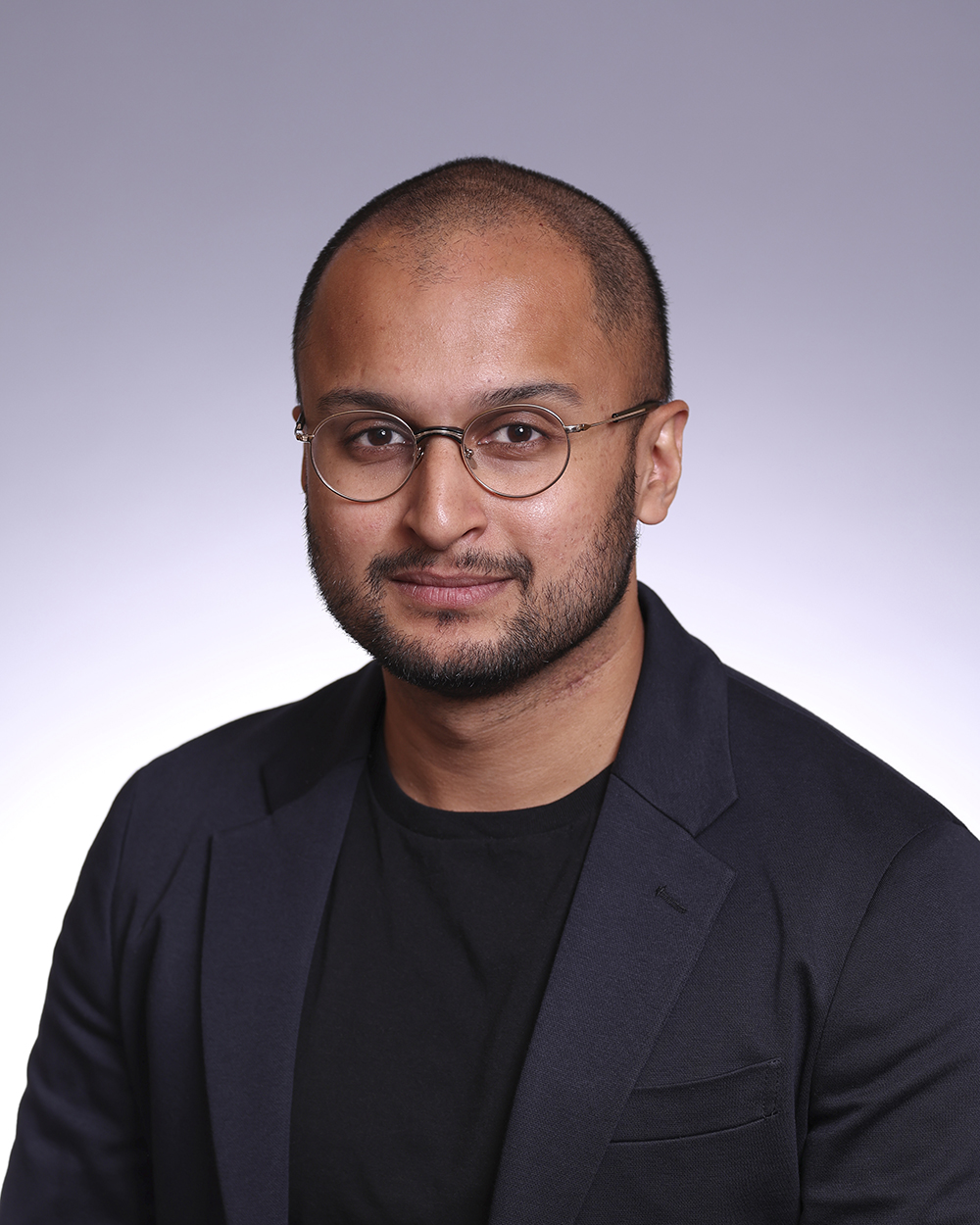
Stanton Senior Fellow in the Nuclear Policy Program at the Carnegie Endowment for International Peace
Ankit Panda is the Stanton Senior Fellow in the Nuclear Policy Program at the Carnegie Endowment for International Peace.
Carnegie does not take institutional positions on public policy issues; the views represented herein are those of the author(s) and do not necessarily reflect the views of Carnegie, its staff, or its trustees.
The EU is putting together a new security strategy to meet today’s myriad challenges. But for any proposal to be effective, the union needs to grapple with its identity and ambitions.

Pierre Vimont
Three years after the Ohrid Agreement, Kosovo and Serbia remain far from normalization. To revive implementation, the EU should abandon its ambiguity and act as an even-handed arbitrator.

Miloš Pavković, Fitim Gashi, Iliriana Gjoni, …
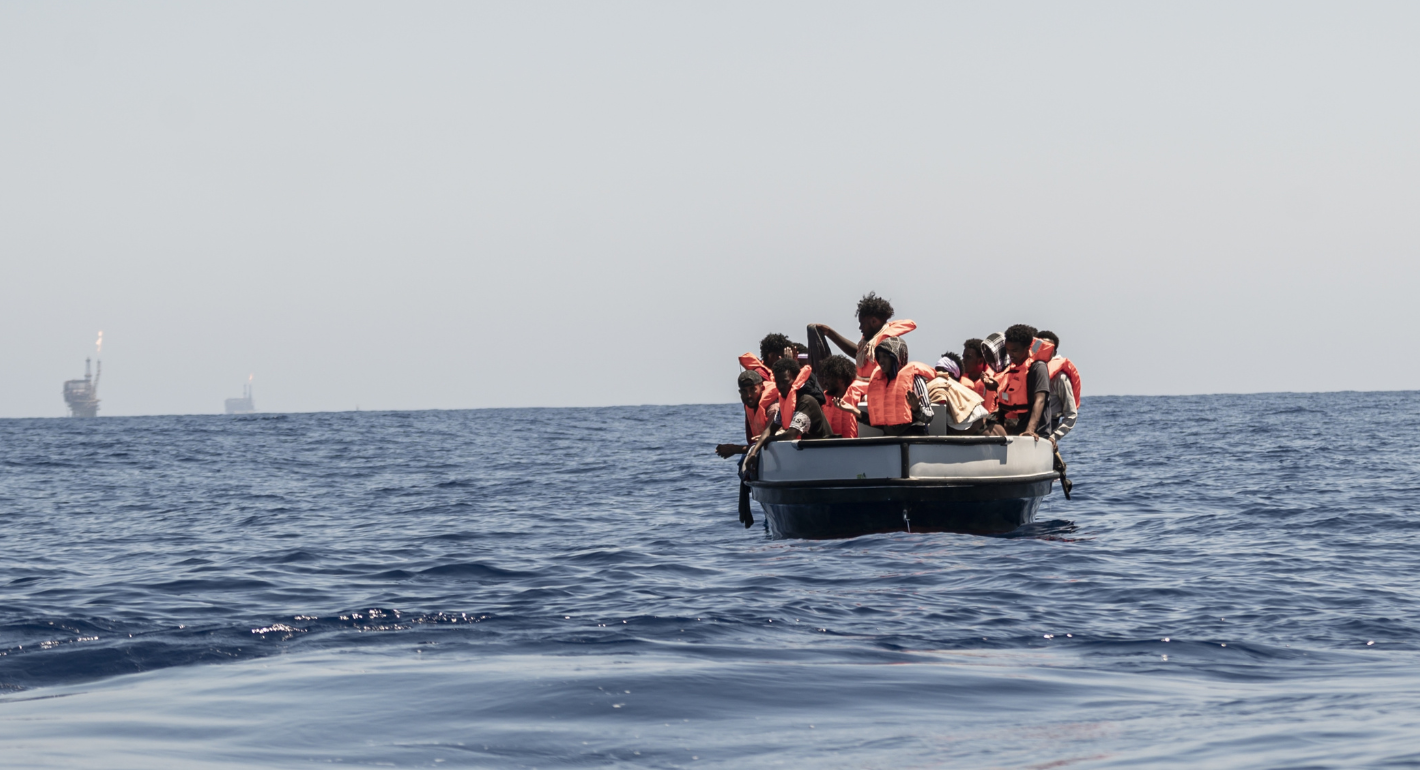
The EU’s new migration policy is not suited to today’s realities. With climate change increasingly becoming a driver of displacement, Europe needs to rethink its deterrence-focused approach.

Shana Tabak
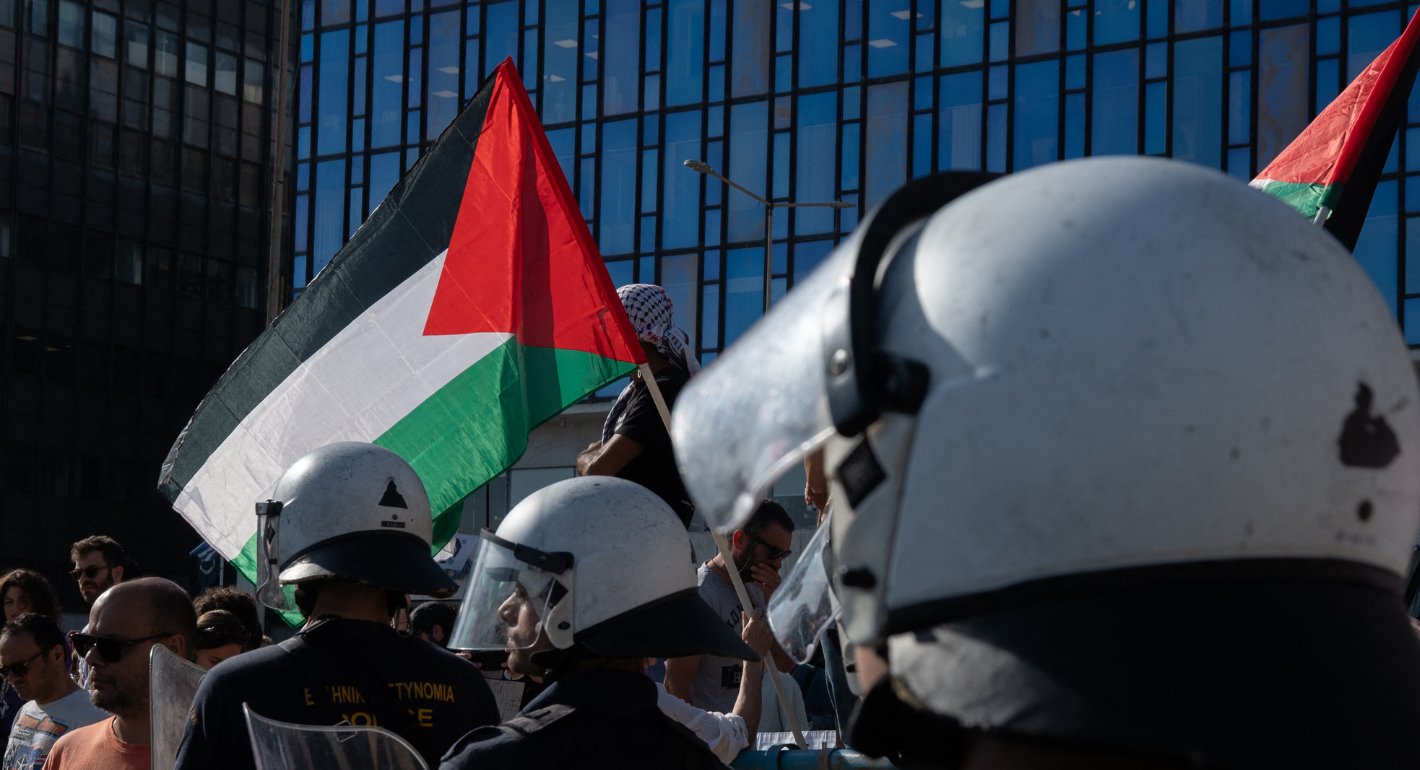
The battle over free speech has taken center stage since U.S. Vice President JD Vance accused Europe of censorship. From travel bans to social media regulation, especially around the Israel-Palestine conflict, are liberal democratic governments weaponizing free speech?

Rym Momtaz, ed.
Europe seems to have accepted its sidelining in the Middle East. The EU must reassert its support for the international rules-based order and step up engagement.
Rym Momtaz