

Paper
- +3
Rajesh Bansal, Anirudh Burman, Rudra Chaudhuri, …
{
  "authors": [
    "Srinath Raghavan"
  ],
  "type": "legacyinthemedia",
  "centerAffiliationAll": "",
  "centers": [
    "Carnegie Endowment for International Peace",
    "Carnegie India"
  ],
  "collections": [],
  "englishNewsletterAll": "",
  "nonEnglishNewsletterAll": "",
  "primaryCenter": "Carnegie India",
  "programAffiliation": "",
  "programs": [],
  "projects": [
    "Security Studies"
  ],
  "regions": [
    "South Asia",
    "India"
  ],
  "topics": [
    "Domestic Politics"
  ]
}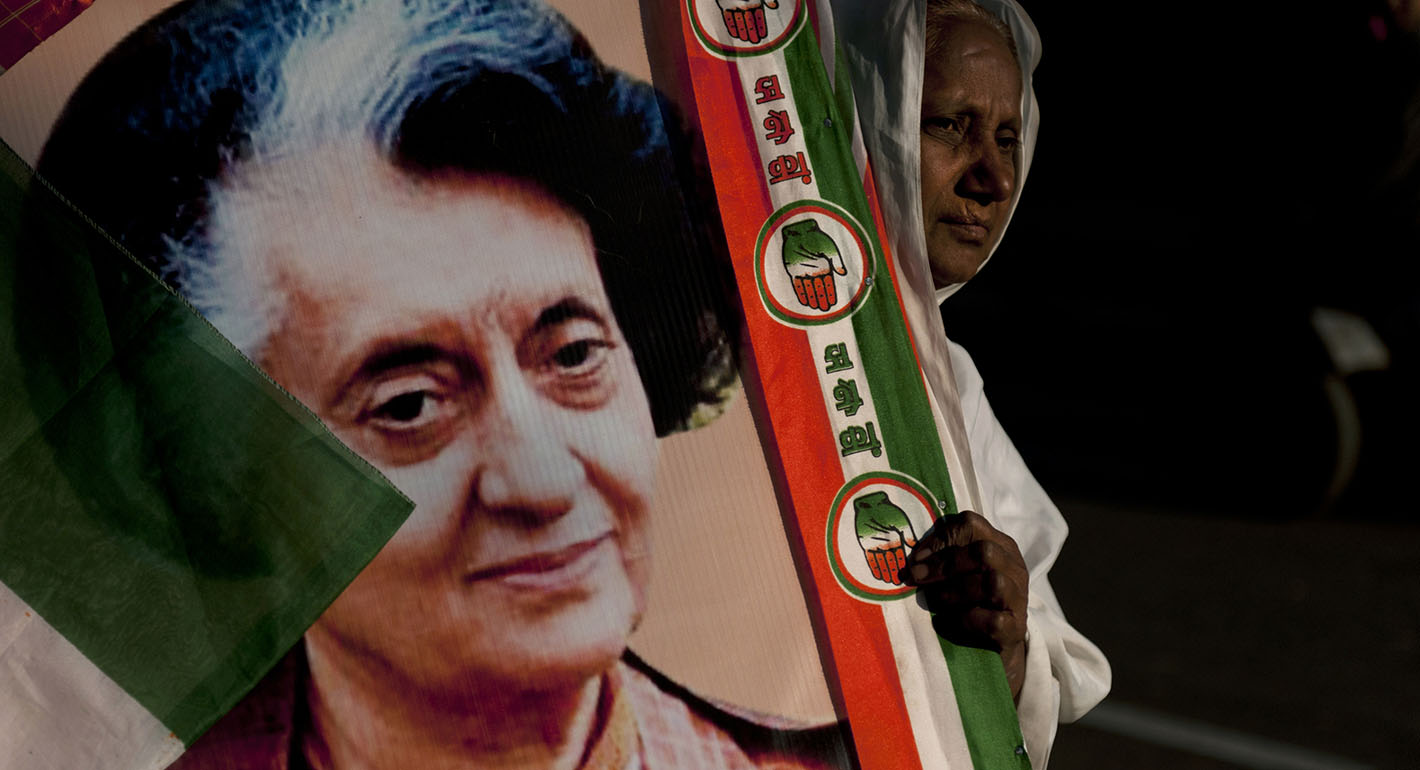
Source: Getty
After his government voided Article 370, Indian Prime Minister Narendra Modi said that “a new age has begun in Jammu-Kashmir and Ladakh.”
Source: Print
After his government voided Article 370, Prime Minister Narendra Modi said that “a new age has begun in Jammu-Kashmir and Ladakh”. In fact, the quest for a new beginning is not all that novel in the history of Jammu and Kashmir.
Indira Gandhi too wanted to alter the status quo in Kashmir.
In explaining its decision to abolish the special status of Jammu and Kashmir, the Modi government has emphasised the developmental and political benefits that are expected to flow from these arrangements. These moves have indeed wrought a radical change in the constitutional relationship between the Indian union and the erstwhile state of J&K. As we ponder how these arrangements will work out, it may be useful to look back to Indira Gandhi’s attempt at a new beginning.

Nonresident Senior Fellow
Srinath Raghavan is a nonresident senior fellow at Carnegie India. His primary research focus is on the contemporary and historical aspects of India’s foreign and security policies.
Recent Work


Rajesh Bansal, Anirudh Burman, Rudra Chaudhuri, …
Srinath Raghavan
Carnegie does not take institutional positions on public policy issues; the views represented herein are those of the author(s) and do not necessarily reflect the views of Carnegie, its staff, or its trustees.
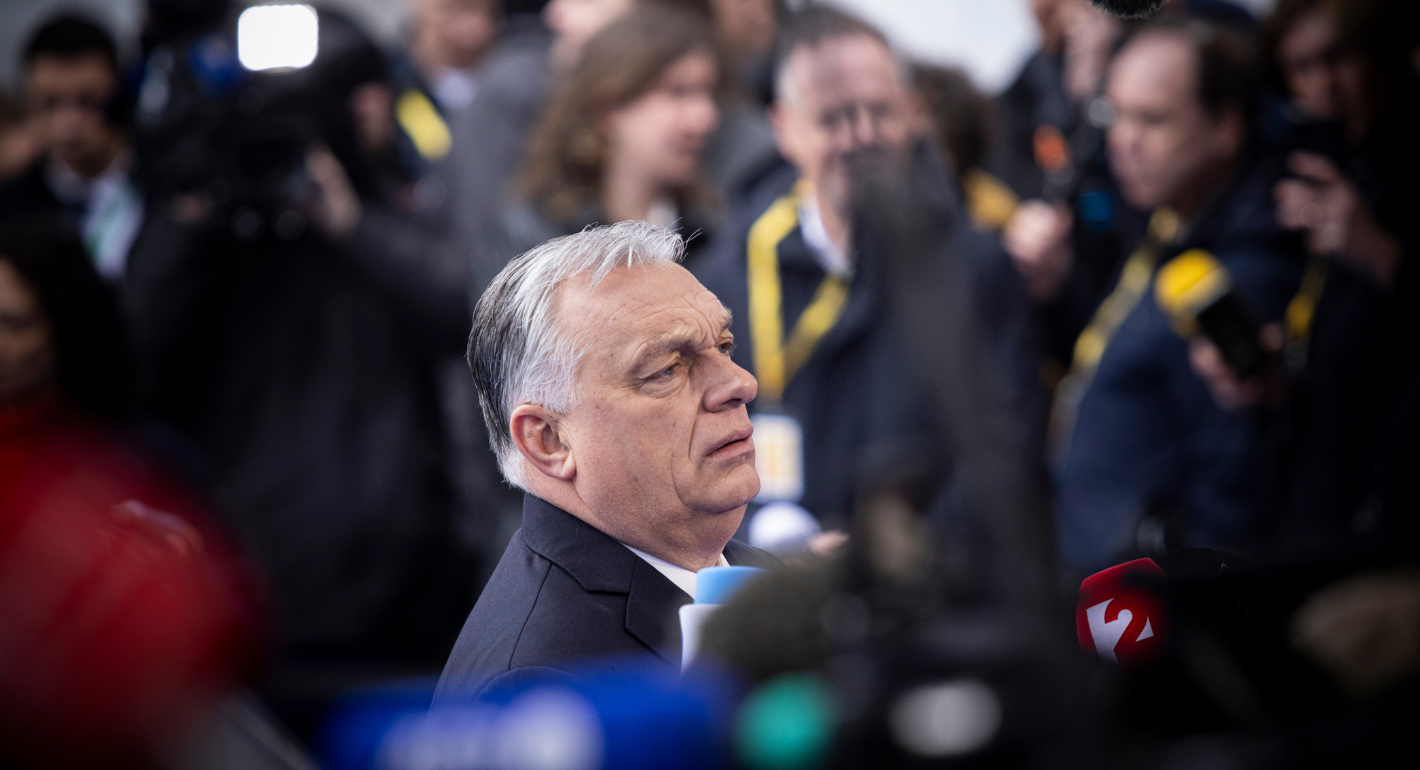
Hungarians head to the polls on April 12 for an election of national and European consequence. Three different outcomes are on the cards, each with their own implications for the EU.

Zsuzsanna Szelényi
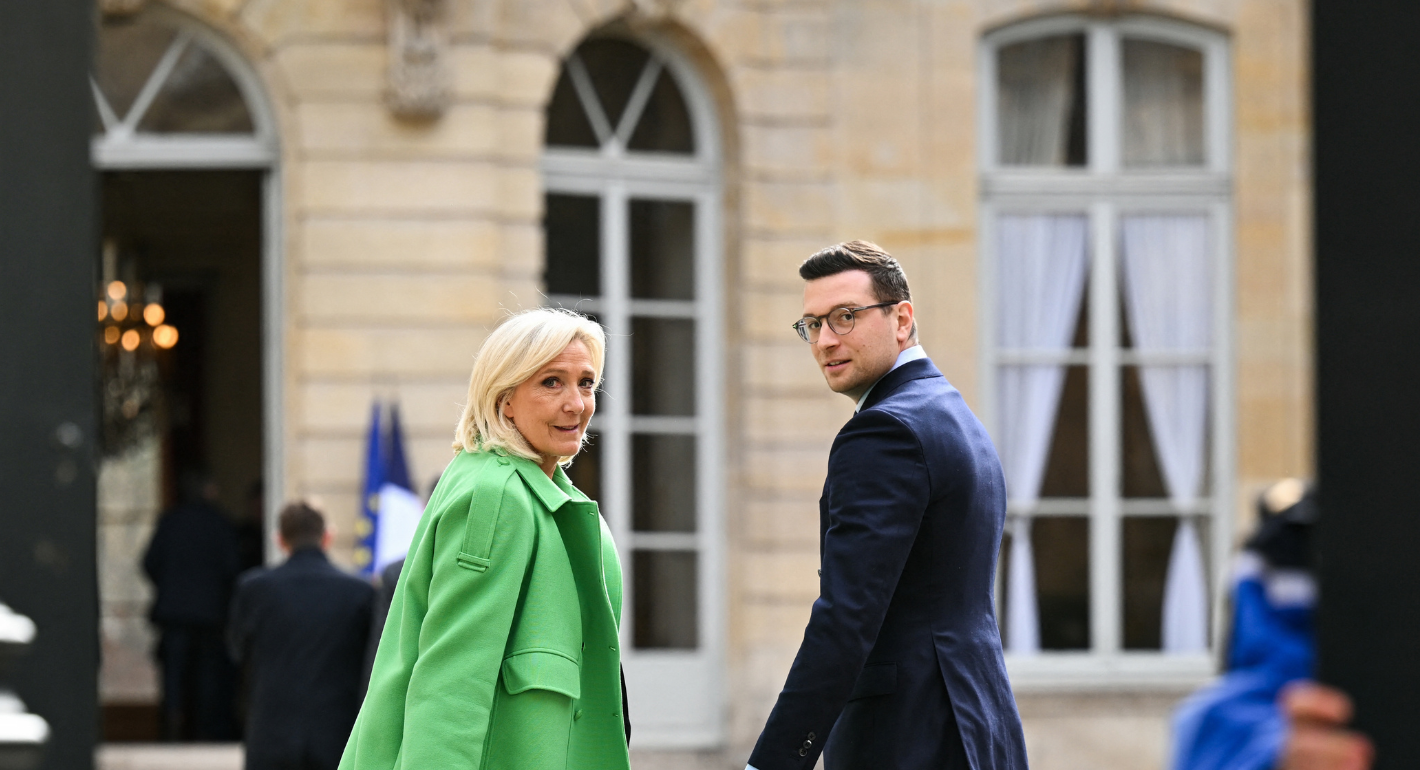
The far right failed to win big in France’s municipal elections. But that’s not good news for the country’s left wing, which remained disunited while the broader right consolidated its momentum ahead of the 2027 presidential race.
Catherine Fieschi
European democracy support strategy in 2025 prioritized protecting democratic norms within Europe. This signals the start of a structural recalibration of the EU’s approach to democracy support.



Richard Youngs, ed., Elena Viudes Egea, Zselyke Csaky, …
In return for a trade deal and the release of political prisoners, the United States has lifted sanctions on Belarus, breaking the previous Western policy consensus. Should Europeans follow suit, using their leverage to extract concessions from Lukashenko, or continue to isolate a key Kremlin ally?

Thomas de Waal, ed.
Hungarian Prime Minister Viktor Orbán faces his most serious challenge yet in the April 2026 parliamentary elections. All of Europe should monitor the Fidesz campaign: It will use unprecedented methods of electoral manipulation to secure victory and maintain power.
Zsuzsanna Szelényi