

Article
Frederic Wehrey, Charles H. Johnson
{
  "authors": [
    "Frederic Wehrey"
  ],
  "type": "other",
  "centerAffiliationAll": "dc",
  "centers": [
    "Carnegie Endowment for International Peace",
    "Malcolm H. Kerr Carnegie Middle East Center"
  ],
  "collections": [],
  "englishNewsletterAll": "menaTransitions",
  "nonEnglishNewsletterAll": "",
  "primaryCenter": "Carnegie Endowment for International Peace",
  "programAffiliation": "MEP",
  "programs": [
    "Middle East"
  ],
  "projects": [],
  "regions": [
    "North Africa",
    "Libya"
  ],
  "topics": [
    "Political Reform"
  ]
}
Source: Getty
Beyond his testimony about the depredations of interwar imperialism, there are other reasons to revisit Knud Holmboe. The arc of his life, with its stark conversions, straddled the schisms and categories that divide the world still.
Source: New York Review of Books
In the summer of 1931, the security services in French-controlled Syria detained and deported a Danish journalist who had the previous year spent time in the Italian colonies of Tripolitania and Cyrenaica in North Africa, part of what would later become the modern state of Libya. The Italian fascists had reportedly contacted the French to request the expulsion of the twenty-eight-year-old traveler on the grounds that he was a dangerous subversive. French officials in Syria needed little convincing: the tall, blue-eyed Dane’s reputation had preceded his arrival and some of his reporting about Libya, they believed, had inspired anti-Italian riots in Syria that had left several dead. Soon after these disturbances, an article in the British press called the young man a “Danish Lawrence,” referring to T.E. Lawrence, the British military officer in World War I better known as “Lawrence of Arabia.”
This article was originally published in the New York Review of Books.

Senior Fellow, Middle East Program
Frederic Wehrey is a senior fellow in the Middle East Program at the Carnegie Endowment for International Peace, where his research focuses on governance, conflict, and security in Libya, North Africa, and the Persian Gulf.
Recent Work
Frederic Wehrey, Charles H. Johnson
Frederic Wehrey, Charles H. Johnson
Carnegie does not take institutional positions on public policy issues; the views represented herein are those of the author(s) and do not necessarily reflect the views of Carnegie, its staff, or its trustees.

Before the next wave of EU enlargement takes place, the union needs to grapple with thorny questions of how power is distributed among its members.


Emil Sondaj Hansen, Ditte Brasso Sørensen

As the EU confronts profound challenges, several leaders have called for fundamental reform to the union’s model—but only modest, superficial changes have resulted. What if Europe really could be reimagined from zero today: What should such a redesigned European order look like?

Richard Youngs, ed.

The EU’s new migration policy is not suited to today’s realities. With climate change increasingly becoming a driver of displacement, Europe needs to rethink its deterrence-focused approach.

Shana Tabak
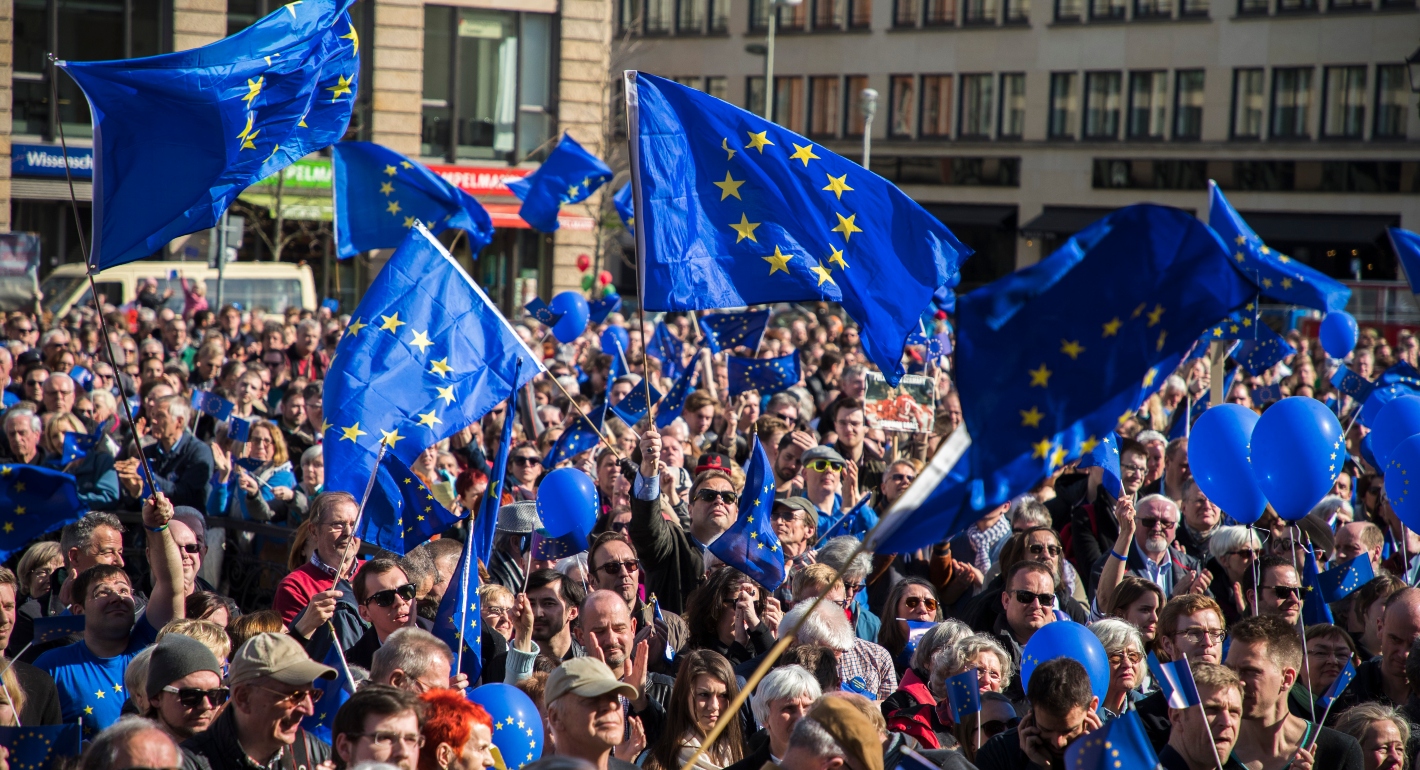
Preparing candidate countries for EU membership is no longer enough. As the enlargement process becomes a reality, the union must also prepare its own societies.

Iliriana Gjoni
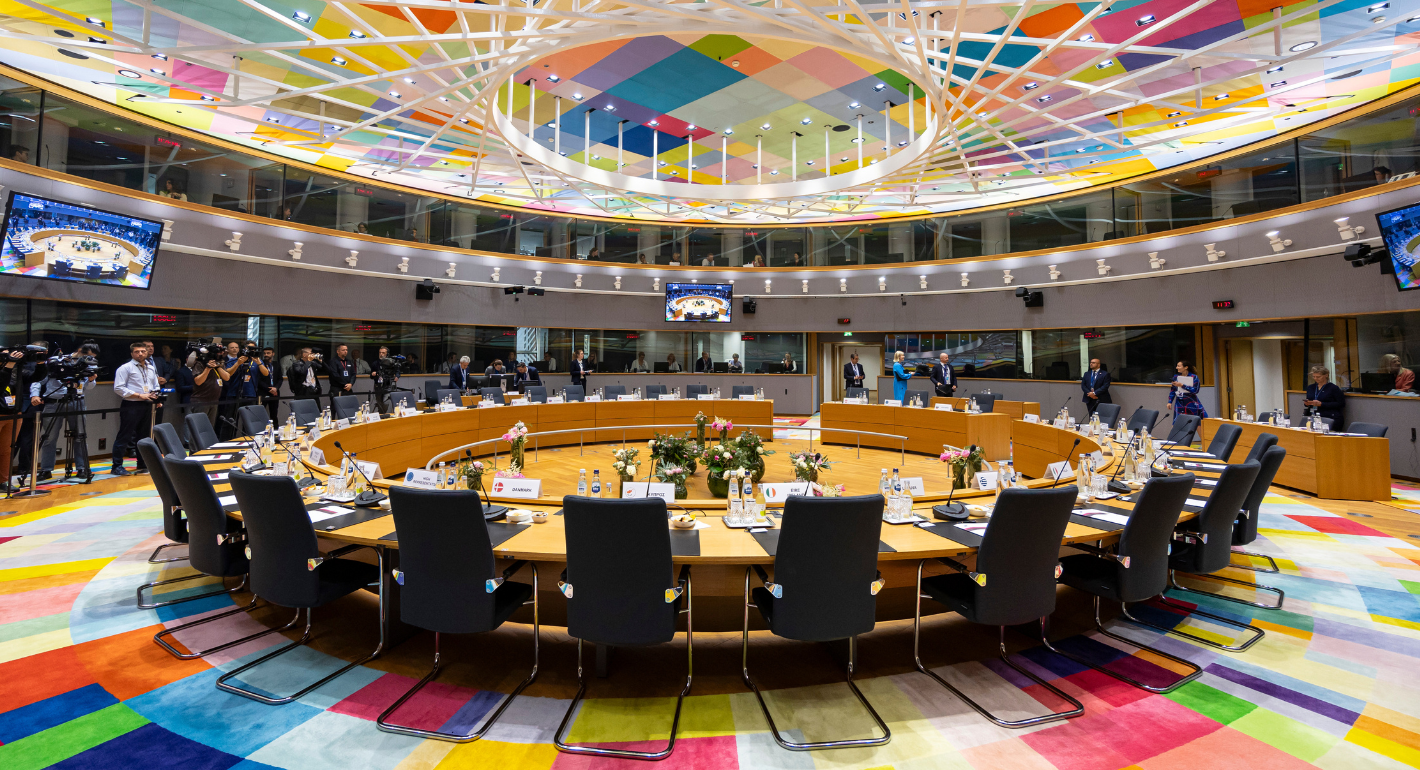
Countries face several hurdles in joining the EU, including the final stage of ratifying their accession treaties. Procedural reforms and substantive adjustments could help move the process forward.

Stefan Lehne