Closer EU-UK ties could help address urgent European concerns. But is the EU ready for rapprochement with the United Kingdom?
Rym Momtaz, ed.
{
"authors": [
"Frederic Wehrey",
"Jalel Harchaoui"
],
"type": "legacyinthemedia",
"centerAffiliationAll": "dc",
"centers": [
"Carnegie Endowment for International Peace"
],
"collections": [],
"englishNewsletterAll": "menaTransitions",
"nonEnglishNewsletterAll": "",
"primaryCenter": "Carnegie Endowment for International Peace",
"programAffiliation": "MEP",
"programs": [
"Middle East"
],
"projects": [],
"regions": [
"North Africa",
"Libya"
],
"topics": [
"Security",
"Foreign Policy"
]
}Source: Getty
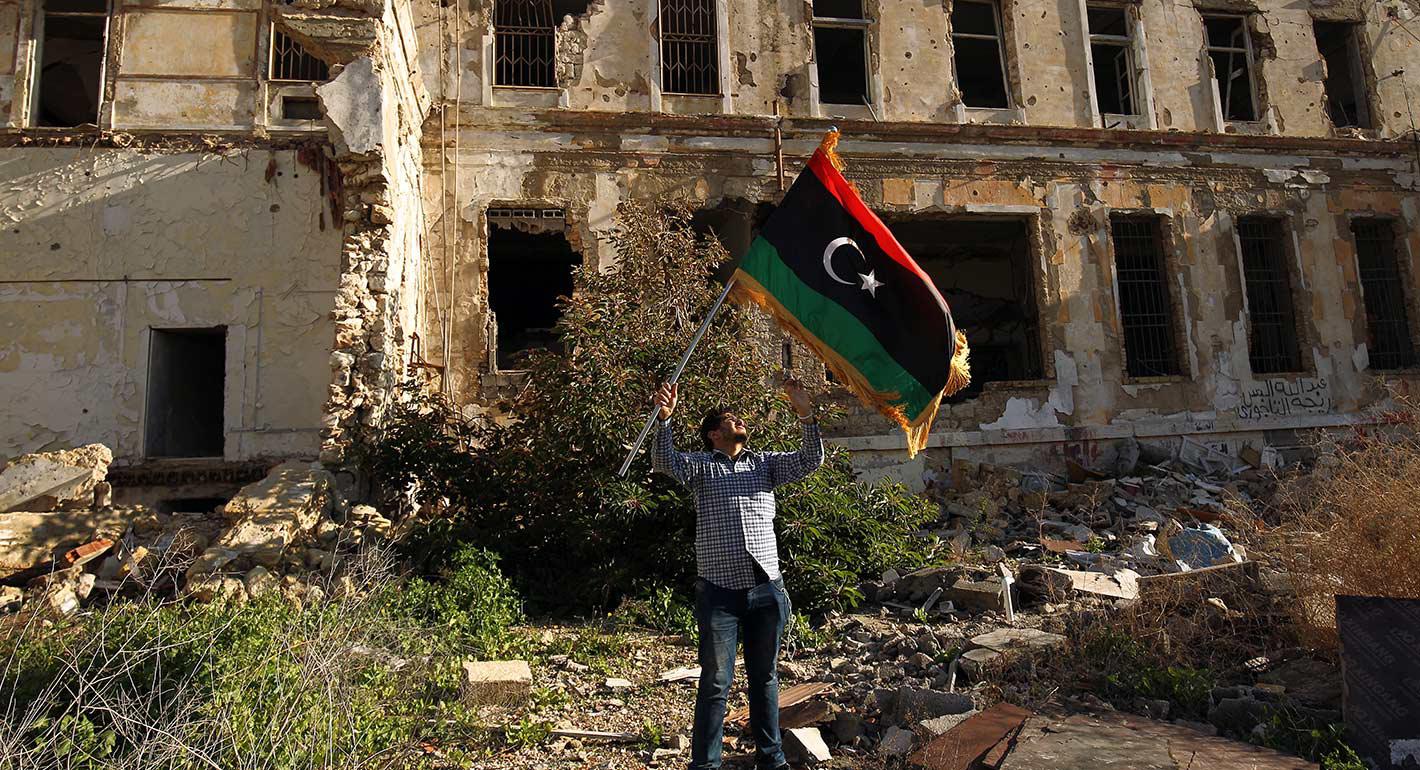
More robust U.S. diplomacy is urgently needed in Libya, not just to halt Haftar’s destructive campaign but to salvage U.S. credibility in a region marked by multipolarity and increasing defiance of the West.
Source: Foreign Affairs
In April 2019, Khalifa Haftar, the militia commander whose forces control much of eastern Libya, began an assault on the capital, Tripoli, in an effort to topple the country’s internationally recognized Government of National Accord (GNA). But instead of a swift, decisive victory establishing Haftar as Libya’s undisputed leader, the offensive resulted in a stalemate. Militias from across western Libya came together to repel Haftar, slowly pushing his forces back into the southern outskirts of the capital. For the next six months, the fighting ground on like this, with drone strikes, artillery barrages, and mortar fire creating a humanitarian crisis but no clear advantage for either side.
Then, in September, hundreds of Russian mercenaries arrived to support Haftar and shifted the battlefield momentum in his direction. Since 2015, Moscow has been gradually ramping up its engagement in Libya, where it sees economic opportunities and a chance to expand its influence at the expense of Western powers. It now supplies Haftar’s forces with antitank missiles and laser-guided artillery and supports them with paramilitary fighters from the Wagner Group, a shadowy military contractor that does the Kremlin’s bidding in a growing list of countries in Africa and the Middle East. Buoyed by the Russians’ tactical expertise, Haftar’s forces are now making slow territorial gains in the capital—and pushing the war into a new and more dangerous phase.
Senior Fellow, Middle East Program
Frederic Wehrey is a senior fellow in the Middle East Program at the Carnegie Endowment for International Peace, where his research focuses on governance, conflict, and security in Libya, North Africa, and the Persian Gulf.
Jalel Harchaoui
Associate Fellow at the Royal United Services Institute (RUSI).
Jalel Harchaoui is a political scientist specialising in North Africa, with a specific focus on Libya. He worked on the same topics previously at The Global Initiative Against Transnational Organised Crime, a Geneva-based NGO, as well as at the Clingendael Institute, based in The Hague. His research has concentrated on Libya’s security landscape and political economy.
Carnegie does not take institutional positions on public policy issues; the views represented herein are those of the author(s) and do not necessarily reflect the views of Carnegie, its staff, or its trustees.
Closer EU-UK ties could help address urgent European concerns. But is the EU ready for rapprochement with the United Kingdom?
Rym Momtaz, ed.
Europe has been standing by while its Southern neighborhood is being redrawn by force. To establish a path to peace between Israel and Lebanon, it’s time for Europeans to get involved with hard power.
Rym Momtaz
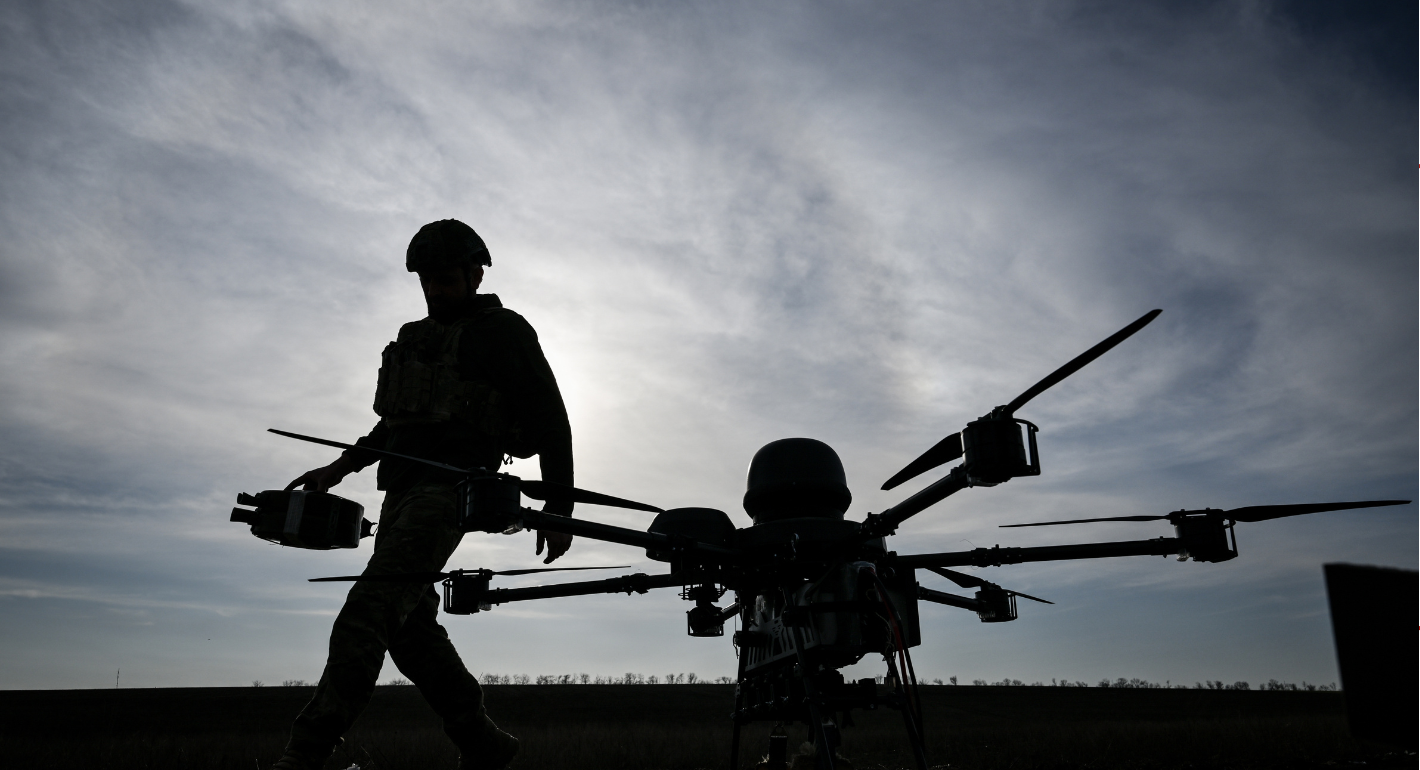
In Ukraine, Gaza, and Iran, AI warfare has come to dominate, with barely any oversight or accountability. Europe must lead the charge on the responsible use of new military technologies.
Raluca Csernatoni
Montenegro and Albania are frontrunners for EU enlargement in the Western Balkans, but they can’t just sit back and wait. To meet their 2030 accession ambitions, they must make a strong positive case.
Dimitar Bechev, Iliriana Gjoni
Donald Trump has repeatedly bashed NATO and European allies, threatening to annex Canada and Greenland and deploring their lack of enthusiasm for his war of choice in Iran. Is this latest round of abuse the final straw?
Rym Momtaz, ed.