

Commentary
Dmitri Trenin
{
  "authors": [
    "Dmitri Trenin"
  ],
  "type": "commentary",
  "centerAffiliationAll": "",
  "centers": [
    "Carnegie Endowment for International Peace",
    "Carnegie Russia Eurasia Center"
  ],
  "collections": [
    "Coronavirus"
  ],
  "englishNewsletterAll": "",
  "nonEnglishNewsletterAll": "",
  "primaryCenter": "Carnegie Russia Eurasia Center",
  "programAffiliation": "",
  "programs": [],
  "projects": [],
  "regions": [],
  "topics": []
}
Source: Getty
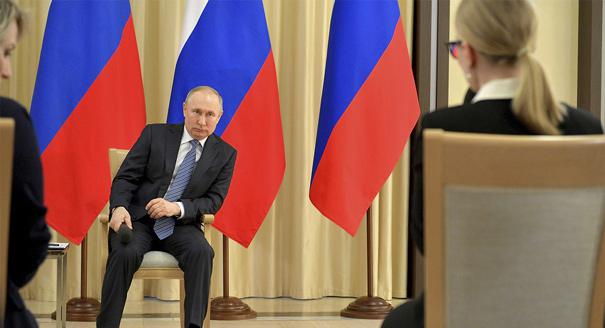
The coronavirus pandemic is another opportunity that Moscow is using to engage Washington in an attempt to break through the logjams in their relationship.
The much-publicized “reset” was shorthand for the Barack Obama administration’s effort to push through the logjams that had built up in U.S.-Russia relations in the George W. Bush years, and harness that relationship to achieve Washington’s new objectives, mostly in Afghanistan and Iran. A reset, however, has also been a long-standing objective in Moscow’s own policy toward the United States. When a major crisis occurs that affects both countries and indeed the world as a whole, the Kremlin seeks to reach out to the White House with the idea of joining forces to fight a common threat.
This is what occurred immediately after the 9/11 attacks in 2001, when President Vladimir Putin not only expressed sympathy and solidarity with the American people, but also offered material support to the U.S. anti-terrorist operation in Afghanistan. It happened again in 2015, at a time when ISIS had overrun large chunks of Iraq and Syria and was threatening Baghdad and Damascus. Back then, Putin called for a broad anti-ISIS coalition. Even after that call was spurned by the United States, which already had put together an international posse of its own, Putin persevered and tried hard to turn Syria—where Russia was staging a military intervention—into a playground for Russia-U.S. diplomatic cooperation. The new coronavirus pandemic is just another opportunity that Moscow is using to engage Washington.
The roots of this approach can be traced back to World War II. Hitler’s invasion of the Soviet Union in 1941 turned the adversarial relations between Moscow and Washington (and London) into an alliance virtually overnight. The anti-Hitler coalition, which brought the communist Soviet Union together with the capitalist United States and Great Britain, elevated Moscow to the summit of world politics, as demonstrated by the Big Three conferences in Tehran, Yalta, and Potsdam. That alliance did not outlive the war effort, but it left many Russians with the idea that if a new Hitler threatened the world, Moscow and Washington would once again put their differences to one side and stand shoulder to shoulder against a common enemy. In the early 2000s, Moscow’s ideas of Russia and the United States leading a global anti-terrorist coalition were directly inspired by the experience of the 1940s.
The main reason for Moscow to reach out to Washington with an offer of cooperation in a non-existential crisis is that a coalition would allow it—just as the Obama administration had hoped in 2009-2010—to break through the logjams blocking the relationship. In 2001, the obstacle was the war in Chechnya, which to Russia was an anti-terrorist campaign, but for the United States and much of Europe, was a brutal suppression of ethnic separatism. In 2015, it was the crisis over Ukraine, which led the West to impose sanctions on Russia. In 2020, it is a long list of U.S. accusations against Russia, ranging from its intervention in Ukraine’s Donbas region and election interference in the United States to the war in Syria and the global disinformation campaign. Successful engagement would put those accusations on the back burner and permit Russia to cooperate with the United States without making any major concessions.
Hardly anyone in Russia today is hopeful for an end to U.S. sanctions. Guided by the memories of the Jackson-Vanik amendment limiting trade relations with countries that restricted human rights, which survived the end of the Soviet Union by just over two decades, Russians believe that the current sanctions are “forever,” meaning that the current generation of politicians will never see the end of them. Given that virtually the entire U.S. political class has a highly negative view of Russia, Moscow’s gestures and overtures are addressed to President Donald Trump personally. The aim is to get him to accept a last-minute dialogue with Russia on extending the New START Treaty on reducing nuclear arms, which is due to expire in February 2021. Putin certainly has a broader agenda, which probably includes the Middle East and Ukraine.
Will this work? Historically, this approach has not yielded much for Russia. Even while, on Putin’s orders, the Russian General Staff was generously sharing information on Afghanistan with the U.S. military, President George W. Bush announced the U.S. withdrawal from the Anti-Ballistic Missile Treaty, which Moscow had always regarded as a cornerstone of strategic stability. The 2013 Russian initiative to eliminate Syrian chemical weapons to prevent U.S. strikes against Damascus—which Moscow hailed as the first example of U.S.-Russian security cooperation as equals since the end of the Cold War—led to accusations in the United States that President Obama was creating a power vacuum in the Middle East for Russia to exploit. Since 2017, Putin’s outreach to Trump has been viewed with immense suspicion by the U.S. president’s political opponents, and has usually resulted in far more backlash than payoff.
Yet one aspect of the coronavirus crisis—the collapse of oil prices—has prompted Trump to engage with Putin and the Saudi King Salman to help them stop the price war and agree on major cuts in output. For Russia, this intervention has had a dual positive effect: preventing an even steeper plunge in the price of oil and establishing Russia—alongside the United States and Saudi Arabia—as one of the three powers deciding on global energy issues. Herein lies an important lesson. Russia’s efforts to engage the United States in coalitions using the World War II model are doomed to fail. Washington never joins others. The United States can be relied upon, however, to reach out to Russia out of its own self-interest. Just as it did, incidentally, when Hitler attacked the Soviet Union in 1941.
Former Director, Carnegie Moscow Center
Trenin was director of the Carnegie Moscow Center from 2008 to early 2022.
Recent Work
Dmitri Trenin
Dmitri Trenin
Carnegie does not take institutional positions on public policy issues; the views represented herein are those of the author(s) and do not necessarily reflect the views of Carnegie, its staff, or its trustees.
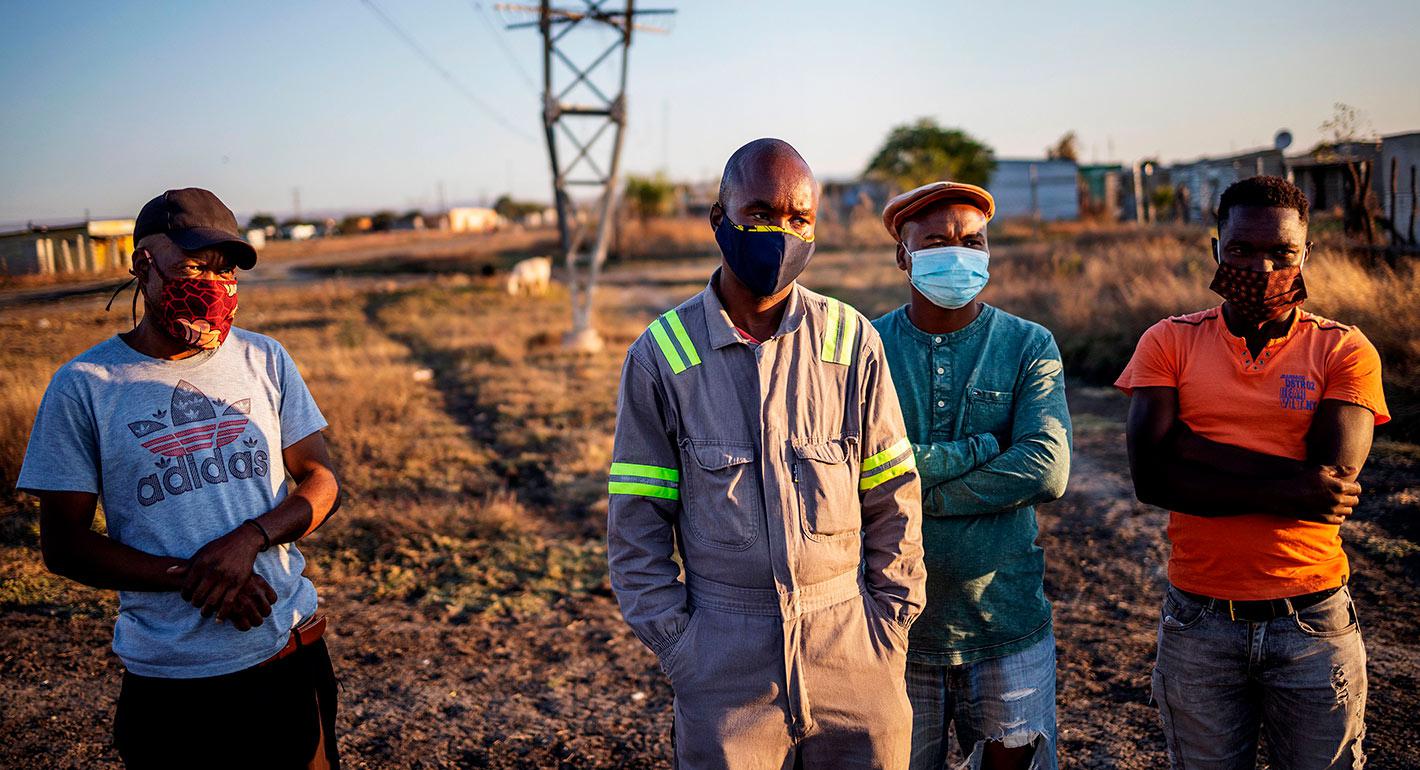
Civil society groups are simultaneously responding to the pandemic’s direct impacts and looking to a post-pandemic future. Many economic, political, and geostrategic challenges are shaping their thinking and their strategies.
Carnegie Civic Research Network
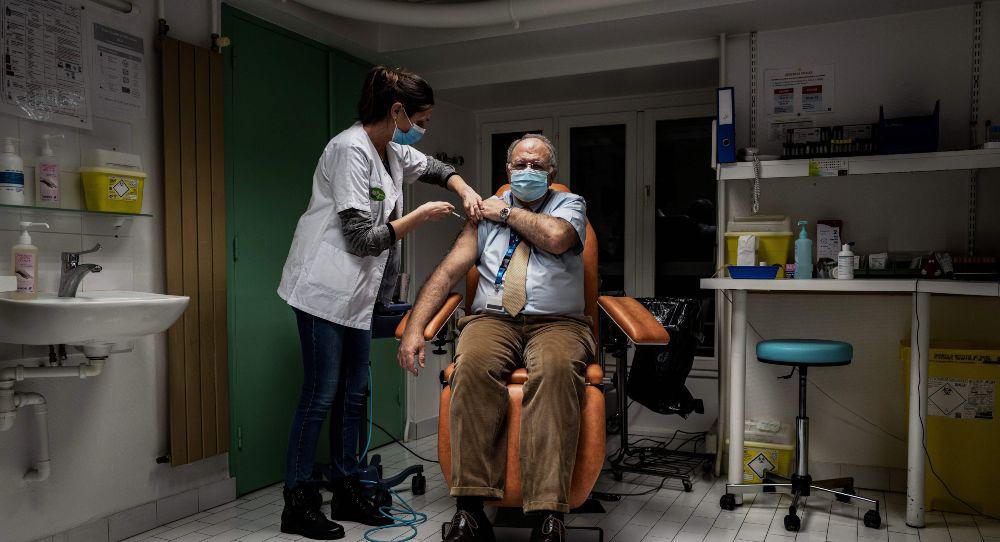
After the undignified scramble for protective equipment in the pandemic’s early stages, the EU’s collective approach to coronavirus vaccines was the right strategy—even if avoidable mistakes were made.

Stefan Lehne
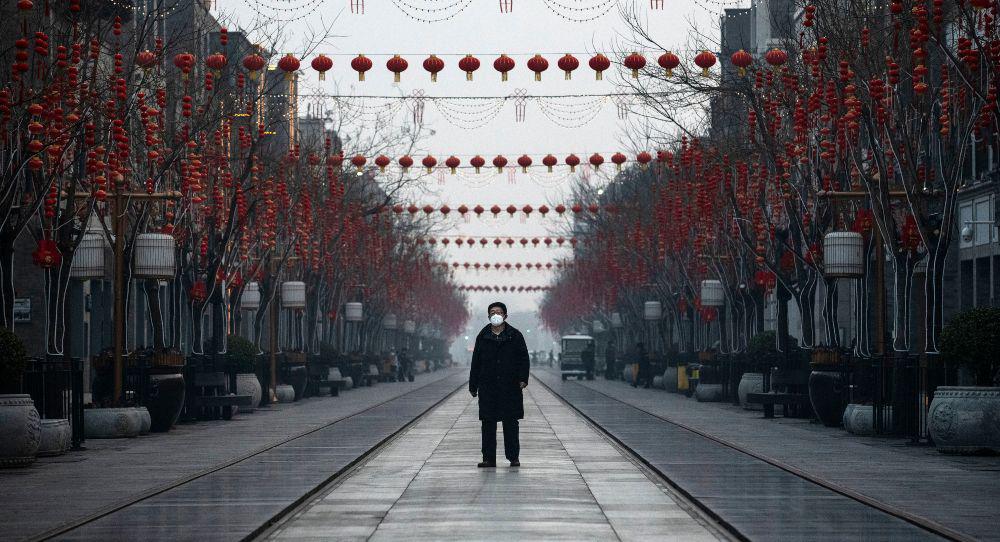
International politics saw a surge in new words and a return of old expressions. Going through some of them gives us a flavor of the year of 2020, which few of us will look back to with nostalgia.*

Rosa Balfour
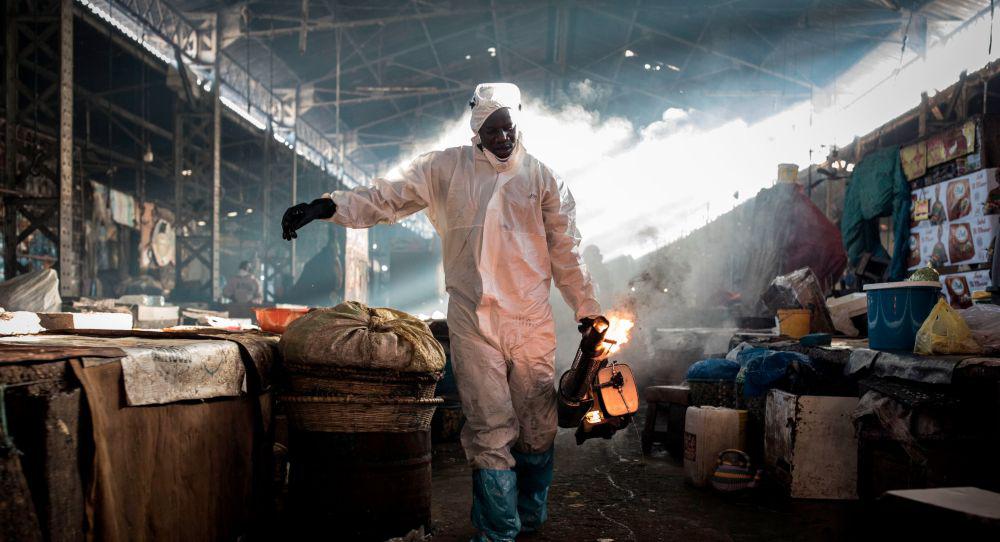
The rollout of coronavirus vaccines across Europe is imminent. But the EU should seize the opportunity to also share the vaccines with Africa, which would boost mutual trust and the EU’s soft power.

Judy Dempsey
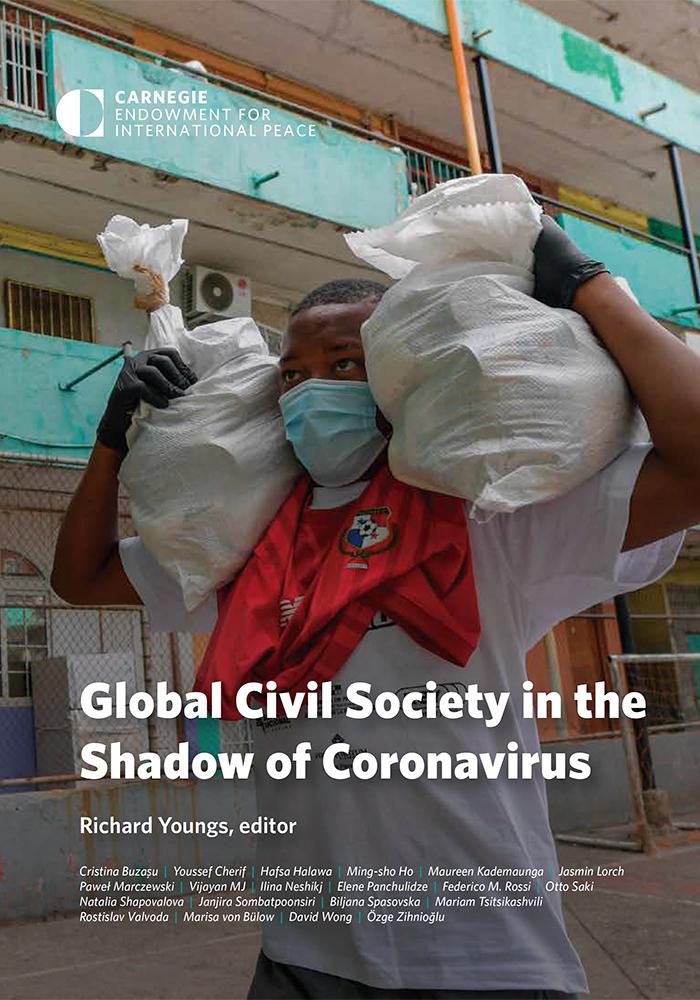
The coronavirus has been a wake-up call for global civil society. It will come out of the pandemic looking very different—and this change will be a significant factor in a now highly fluid international politics.

Richard Youngs