

Other
- +18
James M. Acton, Saskia Brechenmacher, Cecily Brewer, …
{
  "authors": [
    "Tong Zhao"
  ],
  "type": "legacyinthemedia",
  "centerAffiliationAll": "",
  "centers": [
    "Carnegie Endowment for International Peace",
    "Carnegie China"
  ],
  "collections": [
    "U.S.-China Relations",
    "China’s Foreign Relations"
  ],
  "englishNewsletterAll": "",
  "nonEnglishNewsletterAll": "",
  "primaryCenter": "Carnegie China",
  "programAffiliation": "",
  "programs": [],
  "projects": [],
  "regions": [],
  "topics": [
    "Arms Control",
    "Security"
  ]
}
Source: Getty
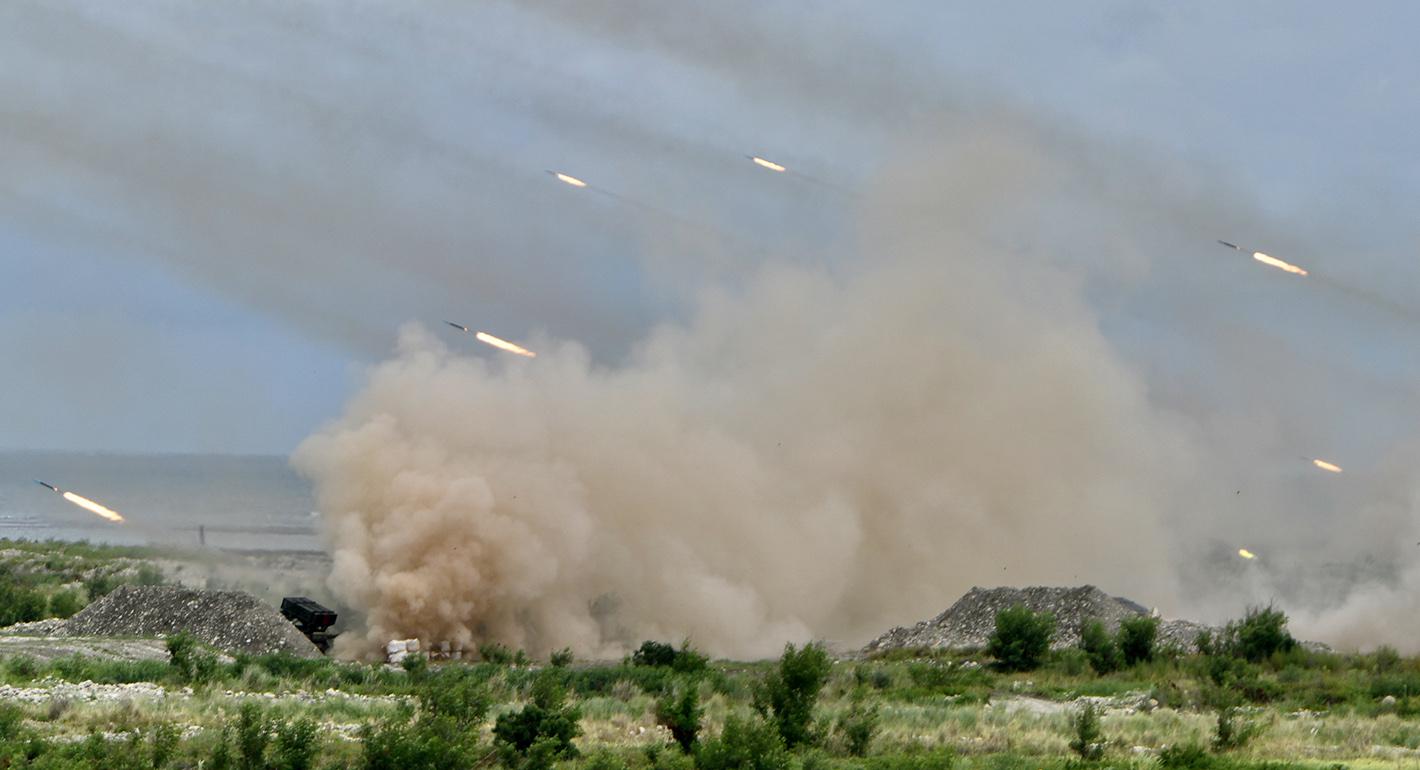
Supporters of nuclear expansion believe that a larger Chinese nuclear arsenal is the key to prevent a war with Washington and “nothing else could work.” The overt nature of the debate is unprecedented and shifts public opinion toward greater enthusiasm for a more robust nuclear posture.
Source: War on the Rocks
Despite the opacity and secrecy over China’s nuclear weapons, a public debate has broken out in China about the country’s nuclear arsenal. Hu Xijin, the chief editor of Global Times — reportedly China’s highest-circulation newspaper — made repeated calls for China to quickly and massively build up its nuclear forces. Supporters of nuclear expansion believe that a larger Chinese nuclear arsenal is the key to prevent a war with Washington and “nothing else could work.” The overt nature of the debate is unprecedented and shifts public opinion toward greater enthusiasm for a more robust nuclear posture.
Hawkish, nationalistic opinion leaders add fuel to an already intensifying military competition between the United States and China that now risks spilling over into the nuclear domain. With an active arsenal of about 3,800 warheads, America’s nuclear stockpile is still almost 12 times larger than China’s, according to open-source research. But Beijing’s nuclear modernization efforts have raised the stakes. While it once was the smallest nuclear power among the five nuclear-weapon states under the Non-Proliferation Treaty (i.e., China, France, Russia, the United Kingdom, and the United States), it is now the third largest — behind only the United States and Russia. Worried that its arsenal will at least double before 2029, Washington has threatened to spend Beijing “into oblivion” unless it joins arms control talks. Senior U.S. officials even considered resuming nuclear testing to force China to the negotiation table.

Senior Fellow with the Nuclear Policy Program and Carnegie China
Tong Zhao is a senior fellow with the Nuclear Policy Program and Carnegie China, Carnegie’s East Asia-based research center on contemporary China. Formerly based in Beijing, he now conducts research in Washington on strategic security issues.
Recent Work



James M. Acton, Saskia Brechenmacher, Cecily Brewer, …
Tong Zhao
Carnegie does not take institutional positions on public policy issues; the views represented herein are those of the author(s) and do not necessarily reflect the views of Carnegie, its staff, or its trustees.

Are Germany’s economic, industrial, and political struggles becoming a liability for the EU’s ability to rise to the geopolitical moment?

Rym Momtaz, ed.

European states control several Overseas Countries and Territories around the world that carry strategic, economic, and environmental weight. As great powers challenge the rules-based order, defending them is a geopolitical imperative for Europe.

Marc Pierini

Mounting economic strain and battlefield losses will not necessarily make the Kremlin less dangerous. They could instead push Moscow toward a more aggressive hybrid campaign designed to test NATO’s Eastern flank, exploit allied hesitation, and fracture European resolve.

Maksym Beznosiuk
Over the past ten years, NATO has held almost as many summits as it did during the entirety of the Cold War. Are they still useful, or is it time to stop holding annual meetings?
Rym Momtaz, ed.
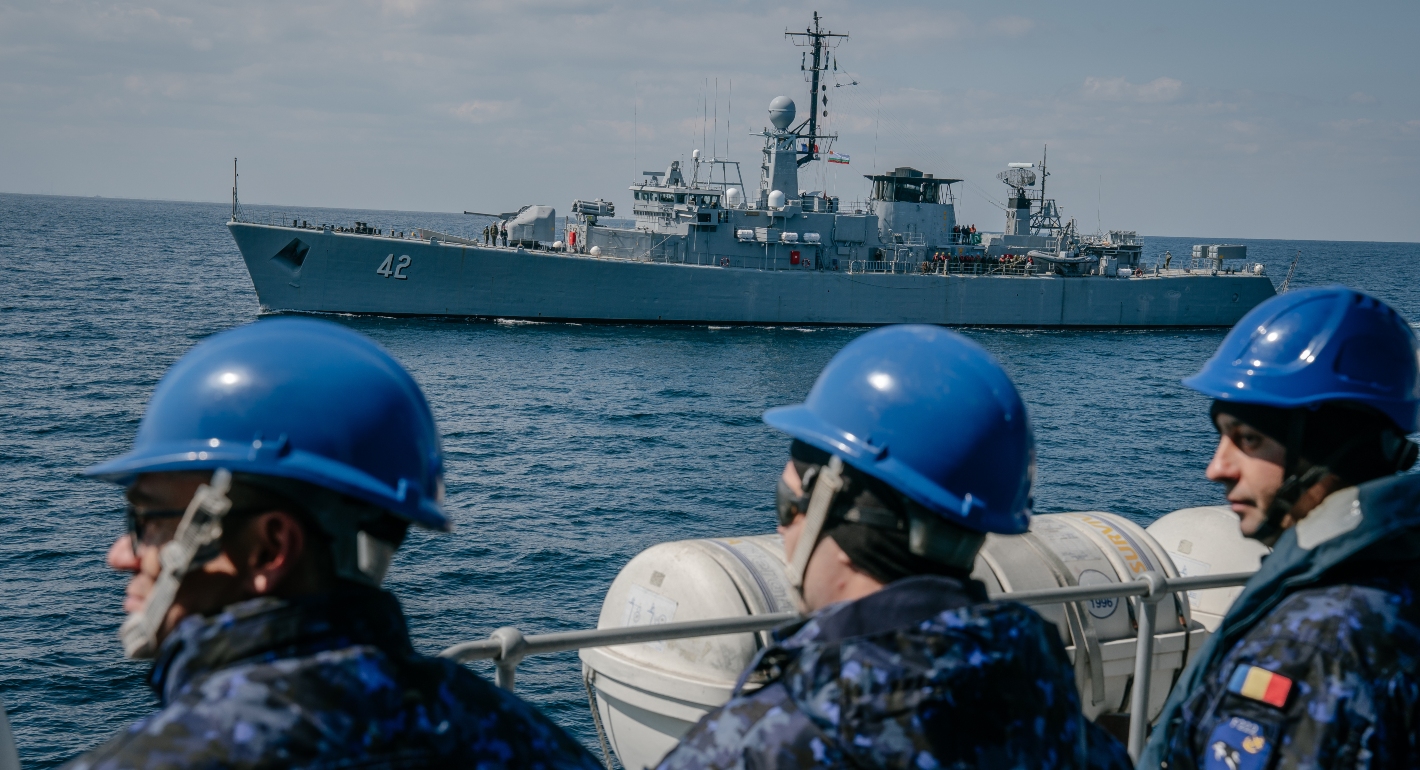
As Russia's war on Ukraine drags on, NATO is expanding its footprint in the Black Sea. Turkey, Romania, and Bulgaria are upgrading their fleets and deepening trilateral cooperation.

Dimitar Bechev