

Commentary
The EU’s new migration policy is not suited to today’s realities. With climate change increasingly becoming a driver of displacement, Europe needs to rethink its deterrence-focused approach.
Shana Tabak
{
  "authors": [
    "Aaron David Miller",
    "Richard Sokolsky"
  ],
  "type": "legacyinthemedia",
  "centerAffiliationAll": "",
  "centers": [
    "Carnegie Endowment for International Peace"
  ],
  "collections": [],
  "englishNewsletterAll": "",
  "nonEnglishNewsletterAll": "",
  "primaryCenter": "Carnegie Endowment for International Peace",
  "programAffiliation": "",
  "programs": [],
  "projects": [],
  "regions": [
    "Middle East",
    "Israel",
    "United Arab Emirates"
  ],
  "topics": []
}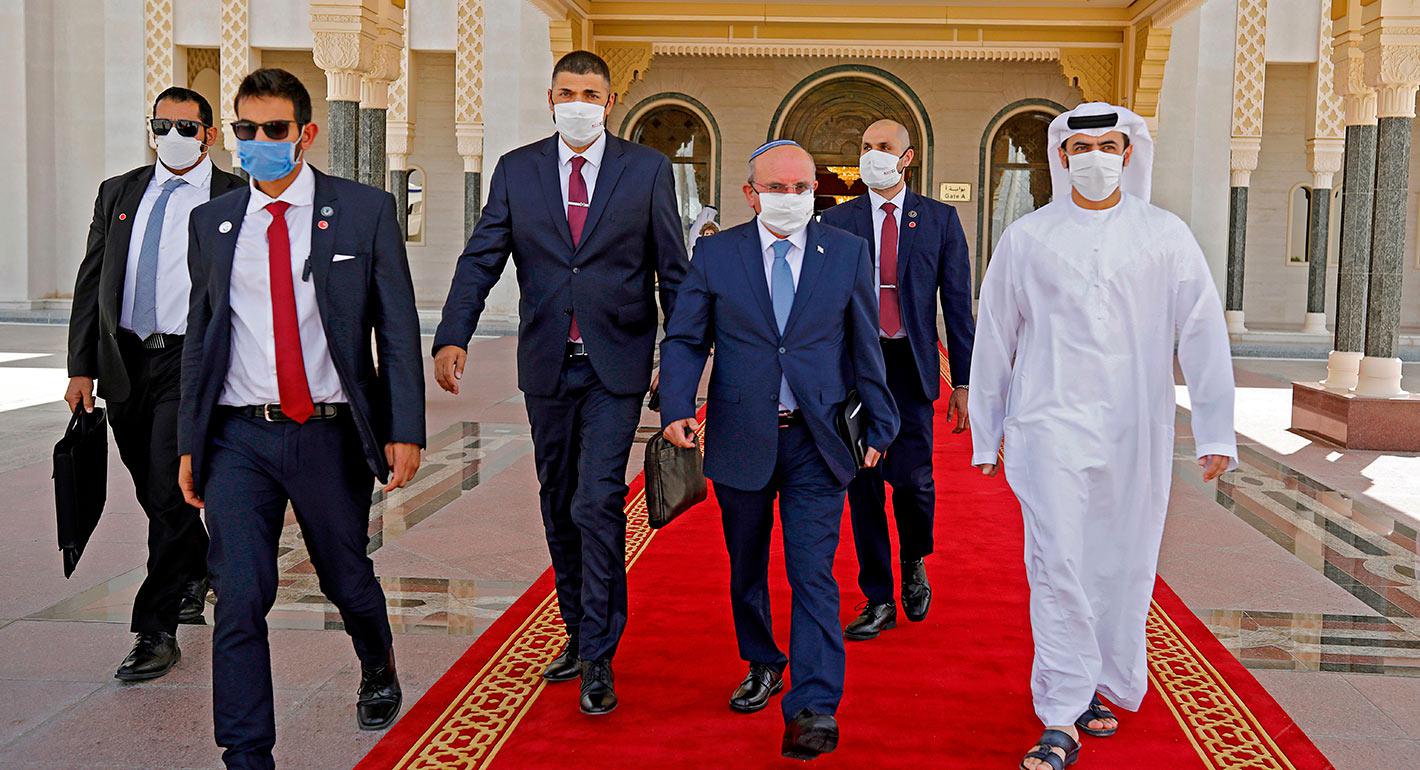
Source: Getty
Before Washington starts providing unconditional support to another Arab authoritarian, the United States should be clear about what it wants out of the relationship and how it should use the leverage it has with the UAE to achieve those outcomes.
Source: Washington Post
The recent normalization of diplomatic relations between Israel and the United Arab Emirates is cause for celebration in a region where the flow of bad news never seems to end. It’s also an occasion for caution, particularly for an autocrat-friendly administration that has already been played by a ruthless and reckless Saudi crown prince.
The UAE’s Mohammed bin Zayed (also known as MBZ) isn’t Mohammed bin Salman (MBS). But before Washington and the chattering class start providing unconditional support to another Arab authoritarian, the United States should be clear about what it wants out of the relationship and how it should use the leverage it has with the UAE to achieve those outcomes. Otherwise, we could be setting ourselves up for yet another Middle East leader to play the United States for a fool, undermining both our values and our interests.
The August peace deal between Israel and the UAE — two countries who were never at war — is as unique in the annals of peacemaking as the Emirati leader who signed it. At 59, the modernizing, secular-leaning MBZ is almost twice as old as MBS and definitely twice as smart. Not only did he get Israeli Prime Minister Benjamin Netanyahu to suspend annexation of the West Bank, but he also greased the skids for the sale of long-sought F-35 stealth fighters and positioned himself as Washington’s favorite Arab state.
MBZ has sought to turn the oil-and-gas-rich UAE into a regional powerhouse, expanding its influence in Libya, the Horn of Africa and southern Yemen while avoiding most of the mistakes made by his reckless and impulsive Saudi counterpart. Unlike Saudi Arabia, the UAE has demonstrated military competence in support of U.S. military operations; besides Australia, it is the only other non-NATO country the U.S. military allows to fly close air support for American ground forces in Afghanistan. It has also provided access to UAE air and naval bases that the U.S. military highly values.
And now for the “but.” The UAE’s surveillance of its own population and the absence of basic freedoms, especially freedom of press and expression, have earned it a rating of “not free” from Freedom House. The UAE also has a terrible record in treating migrant workers; and Dubai has a bad reputation as source of international money laundering for corrupt and criminal elements.
The Emiratis play a dominant role in fueling the ongoing military conflict in Libya to oppose the U.S. and United Nations-backed government in Tripoli. Even though they have withdrawn their forces from southern Yemen, they continue to influence the situation there through proxies. And they have been cooperating closely with the Saudis to squeeze Qatar, another U.S. security partner in the Persian Gulf.
A second Trump administration cannot be expected to do anything other than continue its fawning over MBZ. A Biden administration, however, has a chance to push the reset button. Instead of falling into the same trap with MBS, it needs to keep a wary eye on the UAE. As long as the Trump administration treated MBS as if he had the United States over a barrel, he was willing to engage in risky behavior, knowing that the administration would look the other way and bend the rules to allow arms sales to the kingdom. In so doing, America became a witting accomplice to Saudi human rights atrocities in Yemen and the murder of Jamal Khashoggi.
A Biden administration’s engagement with the UAE should be tethered to two critical realities. First, the interests and values of the United States and the UAE differ in many important respects. Second, the UAE is not going to become a U.S. client state that will lead an all-Arab vanguard against Iran or pursue normalization with Israel at any price. Should the deal to sell the F-35s falter or Israel return to plans to annex the West Bank, MBZ will recalibrate his approach.
We know what MBZ wants from us: recognition of his self-styled role as the Gulf’s new kingpin, support for the UAE’s preferred policy outcomes in the region, and unlimited access to the U.S. arms market. The question is what we want from him — and how can Washington use its limited leverage to achieve its goals.
As long as the United States is selling sophisticated weapons to the UAE, it should not hesitate to apply maximum pressure on the UAE to curtail its human rights abuses, to push for an end to the Yemen conflict, to back off of its arm-twisting of Qatar, and to press the Saudis to begin a dialogue with Iran that could, in time, help ease the Saudi-Iran confrontation that undermines regional stability and security.
In recent years, we have watched in abject horror as the Trump administration gave the Saudis virtual carte blanche to repress at home, help create the world’s greatest humanitarian catastrophe in Yemen, and run roughshod over U.S. interests in the region. The United States cannot and should not allow the same behavior with the UAE. A new administration should take the chance to show that it is willing to stand up for U.S. interests and values.
This article was originally published by the Washington Post.

Senior Fellow, American Statecraft Program
Aaron David Miller is a senior fellow at the Carnegie Endowment for International Peace, focusing on U.S. foreign policy.

Nonresident Senior Fellow, Russia and Eurasia Program
Richard Sokolsky is a nonresident senior fellow in Carnegie’s Russia and Eurasia Program. His work focuses on U.S. policy toward Russia in the wake of the Ukraine crisis.
Carnegie does not take institutional positions on public policy issues; the views represented herein are those of the author(s) and do not necessarily reflect the views of Carnegie, its staff, or its trustees.

The EU’s new migration policy is not suited to today’s realities. With climate change increasingly becoming a driver of displacement, Europe needs to rethink its deterrence-focused approach.

Shana Tabak
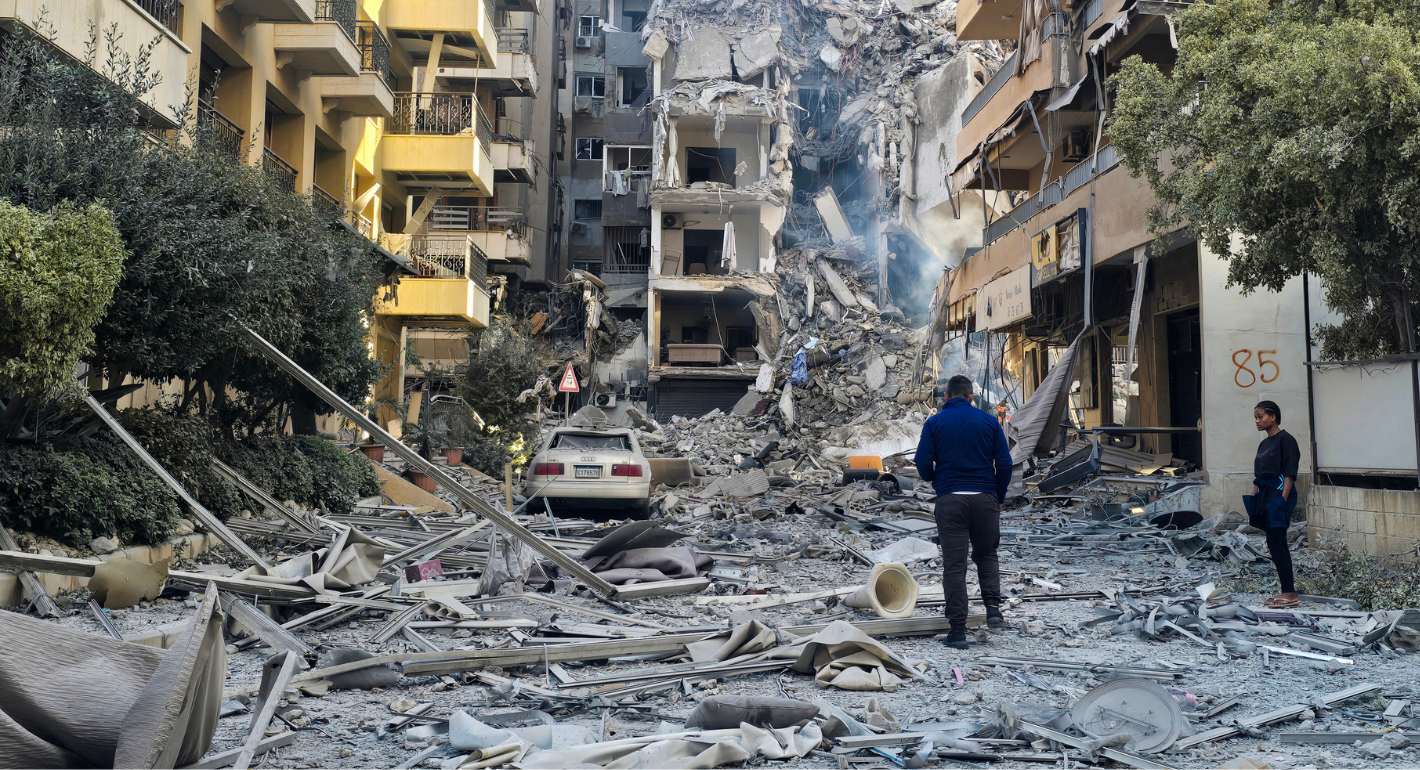
Europe seems to have accepted its sidelining in the Middle East. The EU must reassert its support for the international rules-based order and step up engagement.

Rym Momtaz

Amid uncertainty caused by the Iran war, the global drive for nonproliferation has stalled. With Europe diplomatically marginalized and countries reassessing their nuclear options, efforts to curb the spread of nuclear weapons risk becoming irrelevant.

Jane Darby Menton
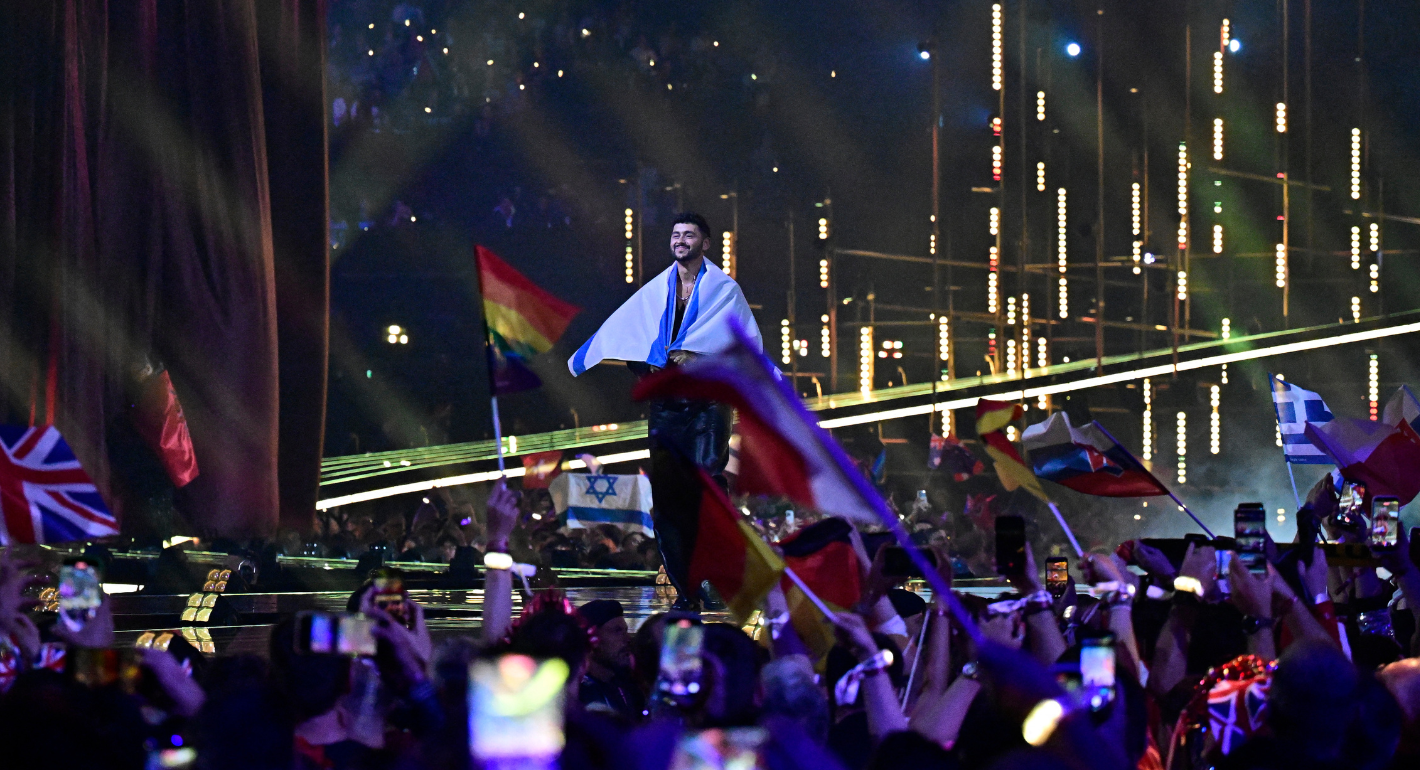
Five countries staged the biggest political boycott in Eurovision history over Israel’s participation. With the FIFA World Cup and other sporting or cultural touchstones on the horizon, are boycotts effective?
Rym Momtaz, ed.

The U.S.-Iran war has crossed a dangerous threshold: water infrastructure in the Gulf is now a target. Ecological statecraft is no longer peripheral to security, it's part of its foundations.


Olivia Lazard, Ali Bin Shahid